CHICAGO — The electrical grid in Illinois is being subjected to stress tests unlike any seen in its history, driven by a convergence of rapid economic expansion, shifting consumer habits, and a state-level transition toward cleaner energy. According to utility leaders, this once-in-a-generation transformation presents both a monumental challenge and a unique opportunity.
To maintain system reliability without forcing ratepayers to shoulder the astronomical costs of constructing new centralized fossil-fuel power plants, energy providers are looking toward an increasingly decentralized solution: Virtual Power Plants (VPPs).
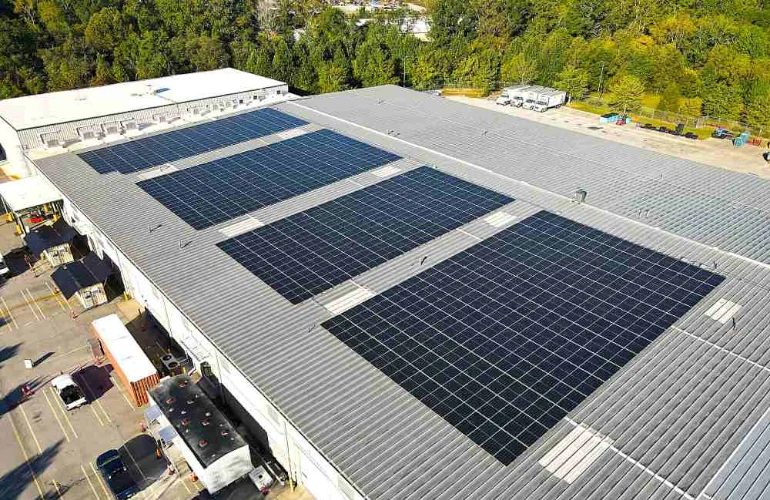
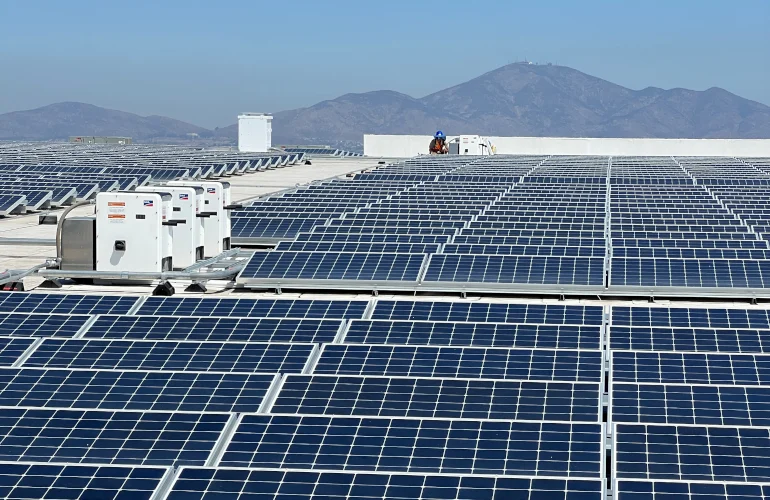
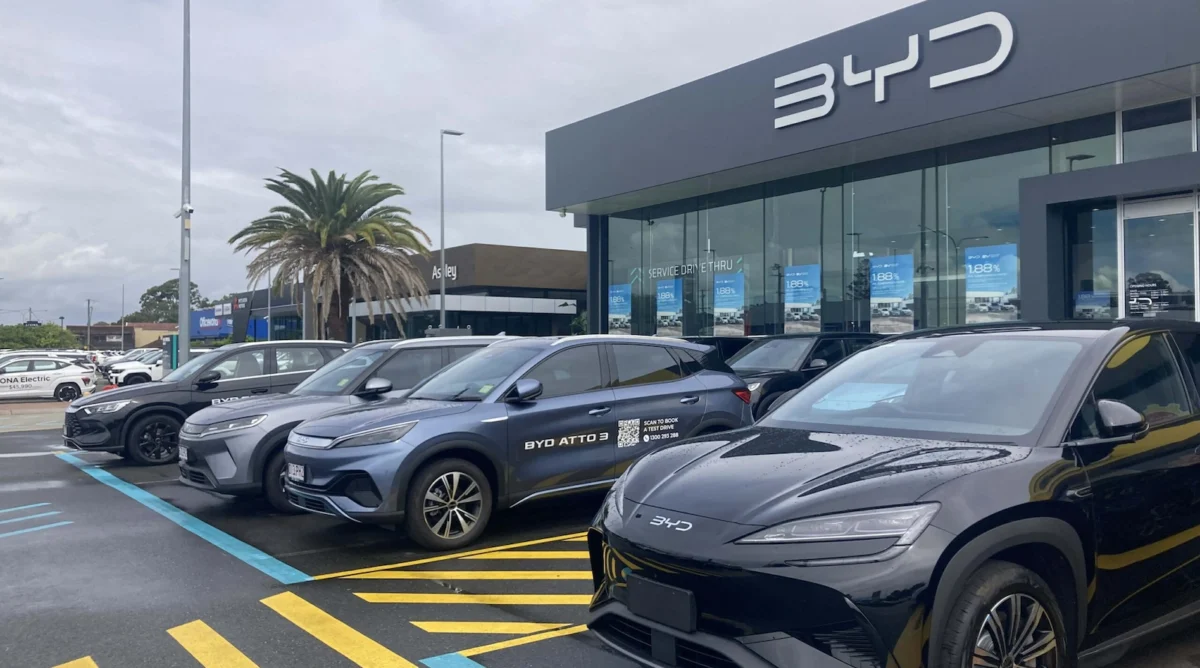
Andrew Plenge, Vice President of Strategy and Energy Policy at Commonwealth Edison (ComEd), says the state’s electrical infrastructure is currently accommodating a historic influx of new energy demands. Families across northern Illinois are rapidly purchasing electric vehicles (EVs), while businesses and residential homeowners are installing localized solar arrays and energy storage batteries to insulate themselves against severe weather outages and mitigate high utility bills. Simultaneously, Illinois’ growing economy—buoyed by competitive energy policies, relative pricing stability, and recognized reliability—is attracting commercial investments, including energy-intensive data centers and advanced manufacturing hubs, from across the nation.
“Illinois’ grid is being put to the test to a degree it never has before—and for good reasons,” Plenge stated. “All of it is modernizing our energy system, and all of it raises an important question: How do we keep electricity reliable and affordable as demand grows, especially during the hottest days of the summer and fall?”
The answer, utility experts argue, lies in redefining how the grid utilizes the physical assets already residing inside garages, basements, and commercial facilities throughout the state.
The Anatomy of the Challenge: Peak Demand and Infrastructure Strain
To understand the necessity of modern grid management, energy planners point to the typical summer or autumn weekday afternoon. As commercial offices hum with activity and homeowners return from work to run air conditioning units at maximum capacity, electricity consumption spikes dramatically.
This window represents the moment when the grid is under its most intense strain and power is most expensive to generate. Historically, maintaining reliability during these brief peaks required utility operators to turn on costly, underutilized "peaker plants"—fossil-fuel generators that sit idle for most of the year but are fired up during high-demand events. The massive capital and operational costs required to build, maintain, and fuel these facilities are ultimately passed down to everyday consumers through rising utility bills.
Furthermore, traditional infrastructure upgrades—such as stringing new high-voltage transmission lines or building large-scale substations—face long permitting delays, supply chain bottlenecks, and immense land-use costs.
Rather than doubling down on traditional, capital-intensive centralized infrastructure, Illinois is charting a different course. By harnessing distributed energy resources (DERs) through VPPs, the state hopes to leverage the collective power of millions of small, customer-owned devices to stabilize the grid during critical hours.
Chronology of Reform: From Clean Energy Legislation to Scheduled Dispatch
The integration of VPPs into the Illinois energy landscape did not happen overnight. It is the result of years of legislative negotiation, regulatory updates, and evolving grid modernization strategies.
2021–2023: Laying the Legislative Groundwork
The foundation for Illinois’ modern VPP framework was heavily influenced by sweeping state climate legislation, most notably the Climate and Equitable Jobs Act (CEJA) passed in 2021, followed by subsequent legislative tweaks like the Clean and Reliable Grid Affordability Act. These laws established aggressive benchmarks for renewable energy adoption, mandated reductions in carbon emissions, and formally introduced distributed energy resource integration as a priority for state utilities.
Late 2023 to 2024: Establishing the Scheduled Dispatch Program
Moving from legislative theory to practical application, ComEd proposed a targeted initiative aimed at utilizing customer-owned energy storage. Following regulatory review, the Illinois Commerce Commission approved ComEd’s Scheduled Dispatch Virtual Power Plant program.
This landmark program serves as the state’s first official foray into structured VPP deployment. Under the initiative, residential and commercial customers who own eligible battery systems can voluntarily opt-in, making a portion of their stored energy capacity available to the grid during pre-scheduled peak periods. In exchange, participating customers receive performance-based financial compensation, turning passive energy storage owners active participants in grid management.
The Road Ahead: The 2027 Framework Expansion
While the Scheduled Dispatch program is viewed as a vital proving ground, industry stakeholders acknowledge it is only an initial step. ComEd has committed to filing a much broader, comprehensive Virtual Power Plant framework by the end of 2027.
This upcoming framework aims to scale the VPP concept far beyond stationary home batteries. Over the next several years, the state’s regulatory bodies and utilities will work to incorporate electric vehicles, smart thermostats, commercial building energy management systems, and smart appliances into a unified, responsive network.
Supporting Data and Mechanics: How Virtual Power Plants Work
A virtual power plant does not generate power in the traditional sense; instead, it coordinates a decentralized network of independent energy devices using advanced software, cloud computing, and automated communication protocols.

When aggregated, thousands of small, residential solar-plus-storage systems, smart EV chargers, and automated HVAC units can mimic the output and responsiveness of a large, traditional power plant—hence the name "virtual power plant."
[Customer Assets: EVs, Smart Thermostats, Home Batteries]
                          │
                          ▼ (Aggregated via Cloud Software)
         [Virtual Power Plant (VPP) Coordinator]
                          │
                          ▼ (Dispatch Signal During Peak Load)
    [Grid Relief ──> Avoids Expensive Peaker Plants ──> Lowers Bills]
The Economic Impact on Ratepayers
Long-term capacity costs are among the primary drivers of utility bill increases for Illinois residents. Capacity markets require utilities to secure commitments for sufficient power generation to meet peak demand years in advance.
By utilizing VPPs to shave off peak demand curves, utilities can reduce their long-term capacity obligations. According to energy policy analysts, lowering peak demand directly translates to diminished infrastructure spending, reduced transmission congestion charges, and ultimately, lower bills for all ratepayers—even those who do not directly own solar panels or batteries.
Official Responses and Perspectives
The transition toward decentralized grid management has drawn commentary from utility executives, consumer advocates, and technology providers alike.
-
Andrew Plenge, VP of Strategy and Energy Policy, ComEd:
“Virtual power plants aren’t about technology for technology’s sake. They’re about using existing tools more efficiently so we can avoid unnecessary costs. By helping reduce peaks in demand, these programs have the potential to limit upward pressure on long-term capacity costs… As Illinois develops its broader VPP framework, affordability should remain a central measure of success.”
-
Consumer and Regulatory Stakeholders:
Consumer advocates have expressed cautious optimism regarding VPP expansion, noting that while the technology offers a pathway to lower system costs, consumer protection and equity must remain central. Regulatory bodies have emphasized that VPP participation must be entirely voluntary, transparent, and structured in a way that avoids shifting undue cost burdens onto non-participating customers who may not have the financial capital to purchase upfront technologies like EVs or home batteries. -
Technology Providers:
Makers of smart home devices, battery storage systems, and EV charging infrastructure have praised Illinois for establishing clear regulatory pathways. Industry representatives argue that predictable rules and fair compensation models will accelerate private investment in customer-sited technologies across the Midwest.
Complexities, Implementation Challenges, and Implications
Despite the immense potential of Virtual Power Plants, realizing their full scope will require navigating several complex technical, regulatory, and operational hurdles before the 2027 framework deadline.
1. Defining Clear Participation Rules
As a wider array of devices—ranging from commercial ice-storage refrigeration units to residential water heaters—becomes capable of supporting the grid, regulators must establish precise definitions for how different resources participate. Not all devices respond with the same speed or duration, requiring nuanced classification rules.
2. Measurement and Valuation
Accurately measuring the precise contribution of a decentralized asset during a grid emergency is significantly more complicated than reading the meter of a centralized natural gas plant. Illinois will need robust data-verification protocols to quantify the exact load reduction delivered by participating VPP devices to ensure fair financial compensation and accurate accounting.
3. Protecting Customer Choice and Privacy
As smart appliances and connected vehicles tie directly into utility signaling systems, safeguarding consumer data and privacy will be paramount. Furthermore, program designers must ensure that automated demand-response events do not compromise the comfort, safety, or mobility of participating residents. For instance, a smart thermostat adjustment during a peak event cannot compromise the health of elderly residents during a severe heatwave.
4. Interoperability and Open Standards
To build a seamless VPP network, software platforms from various utility providers, hardware manufacturers, and third-party aggregators must be able to communicate effortlessly. Establishing open-source technical standards will prevent proprietary lock-in and foster a competitive marketplace for energy services.
The Bottom Line
Illinois stands at a critical crossroads in its energy history. The state’s ambitious goals—driving toward a deeply decarbonized grid while aggressively expanding its economic footprint—cannot be met by relying solely on the century-old playbook of building massive, centralized power plants.
By embracing customer-owned technologies, refining market rules, and thoughtfully deploying Virtual Power Plants, Illinois is pioneering a model of modern grid management that marries reliability with fiscal responsibility.
As the state moves toward the implementation of its comprehensive 2027 VPP framework, the success of the initiative will ultimately be measured by its ability to protect consumer choice, maintain rock-solid reliability, and keep electricity affordable for every household and business across the Land of Lincoln.