By Legal and Workplace Reporter
Published October 9, 2026
Main Facts
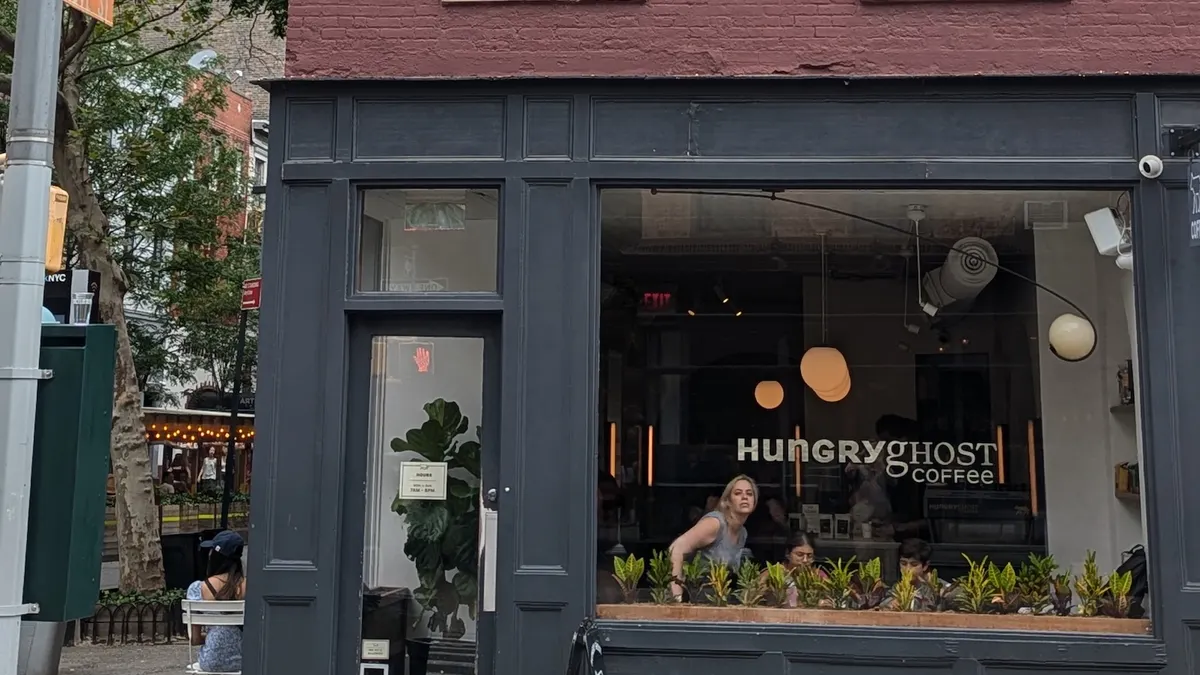
A federal legal dispute involving the popular New York City-based coffee chain Hungry Ghost Coffee has underscored the growing scrutiny surrounding religious discrimination and accommodations in the American workplace. The case, which centered on a barista who was allegedly denied a shift swap to honor his religious fasting practices, has concluded with a two-year consent decree. However, the ripple effects of the litigation extend far beyond a single coffee shop, serving as a critical reminder of the federal government’s aggressive enforcement posture regarding Title VII of the Civil Rights Act of 1964.
According to court documents, a Hungry Ghost Coffee manager allegedly refused to allow a barista to swap shifts so that the employee could properly observe his religious fasting practices. Following the denial, the dispute escalated, ultimately resulting in the barista’s termination. Right after being fired, the employee reportedly told his manager that his request was simply intended to secure time to break his daily fast and feel normal during the holy month of Ramadan—a period marked by fasting, prayer, reflection, and spiritual growth for millions of Muslims worldwide.
Rather than proceeding through a protracted public trial, Hungry Ghost Coffee opted for an early resolution. Under the terms of the two-year consent decree—which explicitly contains no formal findings of fact or conclusions of law—the company agreed to implement mandatory annual training on federal anti-discrimination laws. This training must be specifically tailored to various tiers of personnel, including general staff, supervisors, and human resources representatives.
Legal experts point out that this case is emblematic of a broader shift in federal employment regulation. Since the leadership transition at the Equal Employment Opportunity Commission (EEOC) following the presidential inauguration in 2025, the agency has prioritized the defense of religious liberty. The resolution of the Hungry Ghost Coffee case illustrates that employers failing to accommodate sincerely held religious beliefs—absent a true "undue hardship"—will face swift legal accountability from federal regulators.
Chronology of Events
To understand how a routine scheduling conflict at a local coffee shop transformed into a federal discrimination case, it is essential to examine the chronology of events leading up to the consent decree:
- The Scheduling Conflict: Prior to the disciplinary actions, a barista at a Hungry Ghost Coffee location in New York City requested a shift swap with a coworker. The employee sought the adjustment to accommodate his religious fasting requirements.
- The Refusal and Termination: According to the EEOC’s allegations, the store manager summarily refused to allow the shift swap. The situation deteriorated rapidly, culminating in the termination of the barista’s employment.
- The Post-Termination Exchange: Immediately following his dismissal, the barista made a final appeal to management, explaining that his request was not unreasonable and was simply meant to give him time to break his fast and maintain his physical well-being during Ramadan.
- EEOC Investigation and Filing: Following the incident, a complaint was filed, prompting an investigation by the EEOC. The federal agency subsequently brought legal action against the company, alleging violations of Title VII protections against religious discrimination.
- Early Resolution and Consent Decree (October 2026): Seeking to resolve the matter outside of court, Hungry Ghost Coffee agreed to enter into a two-year consent decree. The agreement mandated comprehensive workplace training regarding religious accommodations, anti-discrimination policies, and formal grievance reporting procedures.
Supporting Data and Regulatory Landscape
The resolution of the Hungry Ghost case does not exist in a vacuum; it aligns directly with a major strategic pivot within the EEOC. Following changes in agency leadership in 2025, the EEOC has repeatedly signaled its intent to aggressively enforce Title VII’s protections against religious discrimination. In late 2025, the agency launched a targeted initiative to protect religious freedom in the workplace, aiming to ensure that workers are never forced to choose between earning a paycheck and practicing their faith. This priority was formally codified in the EEOC’s updated National Enforcement Plan.
Furthermore, employer obligations regarding religious accommodations have been legally heightened following landmark judicial precedents. Most notably, the U.S. Supreme Court’s ruling in Groff v. DeJoy significantly raised the bar for employers claiming an "undue hardship" when denying religious accommodations. Under Groff, an employer must demonstrate that granting an accommodation would result in substantial increased costs in relation to the conduct of its business, replacing the older, more lenient "de minimis" cost standard.
When applied to the food and beverage industry—where shift swapping, scheduling flexibility, and part-time staffing are standard operational practices—the legal threshold for denying a simple shift swap becomes exceptionally high. Workplace diversity and inclusion experts note that accommodating employees during religious observances like Ramadan often requires very minor operational adjustments. Simple measures, such as permitting brief pauses for prayer or allowing employees a moment to ingest food and water to break a fast during long shifts, can completely eliminate legal exposure while fostering a supportive and inclusive corporate culture.
Official Responses and Legal Perspectives
Representatives from both regulatory bodies and the legal community have weighed in on the implications of the Hungry Ghost Coffee settlement, emphasizing the vital importance of managerial education and proactive compliance.
In statements regarding the resolution, EEOC regional representatives highlighted the agency’s ongoing vigilance. An EEOC regional attorney noted in a media release that the Hungry Ghost case serves as a stark reminder that the commission remains "steadfast" in its commitment to protecting workers against religious discrimination. The official also praised the company’s willingness to resolve the matter early, emphasizing the critical value of management training.
"We appreciate the defendant’s willingness to enter into an early resolution of this case and to provide management with the necessary training to ensure reasonable accommodations for employees’ religious practices are provided unless doing so would cause an undue hardship," the EEOC representative stated.
Under the terms of the court-approved agreement, Hungry Ghost Coffee is legally bound to ensure its training programs go far beyond basic compliance checklists. The mandated curriculum must:
- Clearly emphasize Title VII protections against religious discrimination.
- Provide real-world examples of acceptable and unacceptable workplace practices.
- Clearly outline employees’ rights and the company’s affirmative legal obligations.
- Detail internal procedures for reporting discrimination, failure to accommodate, harassment, and workplace retaliation.
As of press time, management at Hungry Ghost Coffee had not responded to requests for comment regarding the settlement terms or internal policy updates.

Implications for Employers and the Workforce
The legal outcome for Hungry Ghost Coffee offers critical takeaways for businesses of all sizes, particularly those operating in retail, hospitality, food service, and other industries characterized by rigid scheduling and shift work.
1. Mandatory Management Training
Many discrimination claims do not stem from top-level corporate malice, but rather from frontline supervisors and managers who lack proper training regarding federal employment laws. The consent decree highlights that HR professionals and executives must ensure that store managers and shift supervisors understand what constitutes a "reasonable accommodation" under Title VII. When a manager arbitrarily refuses a simple shift swap without exploring alternatives, the company instantly exposes itself to severe regulatory and financial liabilities.
2. Shifting Legal Standards Post-Groff
Employers can no longer dismiss employee requests for religious accommodations by simply claiming that adjusting a schedule is slightly inconvenient. Because the legal standard for proving an "undue hardship" is now much higher, organizations must engage in a good-faith interactive process with employees who request schedule modifications for religious reasons.
3. Fostering Inclusive Workplace Cultures
Beyond merely avoiding lawsuits, forward-thinking employers are recognizing the business value of supporting diverse cultural and religious traditions. Diversity and inclusion experts emphasize that during holy months such as Ramadan, making small operational concessions—such as offering flexible break times or allowing dietary adjustments—greatly improves employee morale, retention, and overall productivity.
Ultimately, the Hungry Ghost Coffee case serves as a cautionary tale for employers nationwide. As the EEOC continues its aggressive enforcement campaign under post-2025 guidelines, companies must audit their internal scheduling policies, educate their supervisory staff, and cultivate a workplace environment where religious expression is respected and protected in accordance with federal law.