Introduction: The Infrastructure Strain of an AI-Driven Society
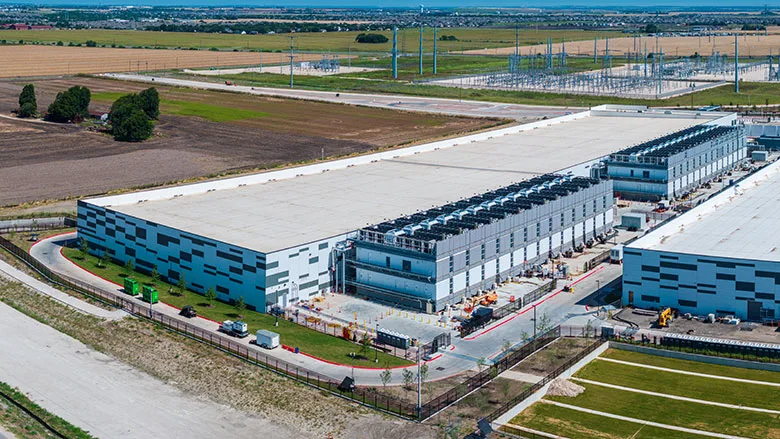
Data centers are rapidly altering the geographic, economic, and physical landscapes of communities across the United States. Driven by an insatiable societal appetite for artificial intelligence, cloud computing, and digital commerce, the nation’s digital infrastructure is undergoing a historic expansion. According to recent analyses by the Pew Research Center, the United States currently hosts more than 3,000 operational data centers, with over 1,500 additional facilities in various stages of planning and development nationwide. Today, roughly 38% of all Americans live within five miles of at least one operational data center.
While these facilities form the invisible backbone of modern communication and commerce, they also introduce profound engineering, environmental, and operational challenges. Many modern hyperscale and AI-optimized facilities demand electrical loads comparable to those of small cities. Consequently, managing these industrial giants requires a comprehensive, lifecycle-focused strategy that bridges the gap between early site planning and decades of continuous, high-stakes operation.
The Chronology of Risk: From Blueprint to Decommissioning
The challenges associated with modern data centers do not begin when the servers light up; they are baked into the very earliest decisions made by developers, architects, and engineers.
Phase 1: Siting and Design (The Foundation of Reliability)
Most operational vulnerabilities are introduced long before construction equipment arrives on-site. Decisions regarding geographic location, power architecture, cooling methodologies, battery chemistry selection, and spatial layout dictate how safely and reliably a facility will perform for decades. Integrated planning during this initial phase serves as one of the most powerful risk-reduction tools available to developers, directly influencing environmental compliance, long-term maintainability, and the overall hazard profile of the asset.
Phase 2: Construction and Multi-Contractor Hazards
Once a project moves from blueprint to reality, it inherits the intense safety and logistical burdens of heavy industrial construction. Data center projects typically operate on aggressive schedules, forcing multiple trade contractors to work simultaneously under tight deadlines.
Heavy lifts, crane operations, temporary power grids, energized equipment testing, and complex logistics create a volatile occupational safety environment. Because these are multi-employer worksites, successful project execution demands rigorous contractor management, clearly delineated lines of responsibility, and strict coordination of simultaneous operations (SIMOPS) to mitigate OSHA exposure and prevent catastrophic site accidents.
Phase 3: Operational Continuity and Maintenance
Upon commissioning, the facility’s risk profile shifts from dynamic construction hazards to continuous, high-consequence operational risks. Although the exposed population shrinks compared to the construction phase, the operational environment concentrates massive electrical loads, chemical storage, fire risks, and business continuity dependencies into a single footprint.
Phase 4: Long-Term Decommissioning and Evolving Lifecycles
Ultimately, the data center lifecycle extends toward eventual technological obsolescence, equipment retrofitting, or decommissioning. Managing end-of-life battery disposal, hazardous material abatement, and structural repurposing represents the final frontier of comprehensive facility stewardship.
Supporting Data: The Scale of the Boom and Grid Constraints
The statistics surrounding the modern data center boom underscore both the urgency of digital expansion and the friction it creates with local communities and energy grids.
- National Footprint: Over 3,000 operational facilities in the U.S., supplemented by more than 1,500 projects currently moving through development pipelines.
- Proximity to Populations: Approximately 38% of Americans reside within five miles of an operational data center.
- Public Perception: Public unease is growing rapidly. According to Gallup polling data, roughly 70% of Americans express opposition to the construction of new data centers within their immediate geographic areas, reflecting mounting "Not In My Back Yard" (NIMBY) sentiments.
- Energy and Power Constraints: Regional transmission organizations and electrical grid operators forecast severe supply shortages over the next several years as AI-driven computational demand accelerates.
- Redundancy Benchmarks: To meet customer expectations of uninterrupted, 24/7/365 uptime, facilities routinely incorporate N+1 or 2N redundancy models. In an N+1 configuration, "N" represents the baseline components required for operation, backed by one redundant unit. A 2N model establishes two completely independent systems capable of carrying 100% of the load individually.
Technical Challenges: Power, Energy Storage, and Fire Protection
Data centers live and die by their reliability. However, achieving absolute uptime introduces complex technical hurdles spanning electrical engineering, chemistry, and thermodynamics.
High-Voltage Electrical Distribution and Safety
Data centers rely on continuous, high-voltage electrical distribution networks. Maintaining these systems exposes technicians to severe arc flash hazards and energized maintenance risks. To maintain safety while preserving reliability, operators must strictly adhere to industry standards such as NFPA 70E (Standard for Electrical Safety in the Workplace). Furthermore, the reliance on backup diesel generators introduces air-quality permitting and fuel-storage complexities.
The Evolution of Energy Storage Hazards
Energy storage has evolved into a centerpiece of data center engineering. Traditional valve-regulated lead-acid (VRLA) batteries are increasingly being phased out in favor of lithium-ion (Li-ion) and lithium iron phosphate (LiFePO4) technologies, which offer extended service lives, advanced monitoring capabilities, and significantly smaller physical footprints.
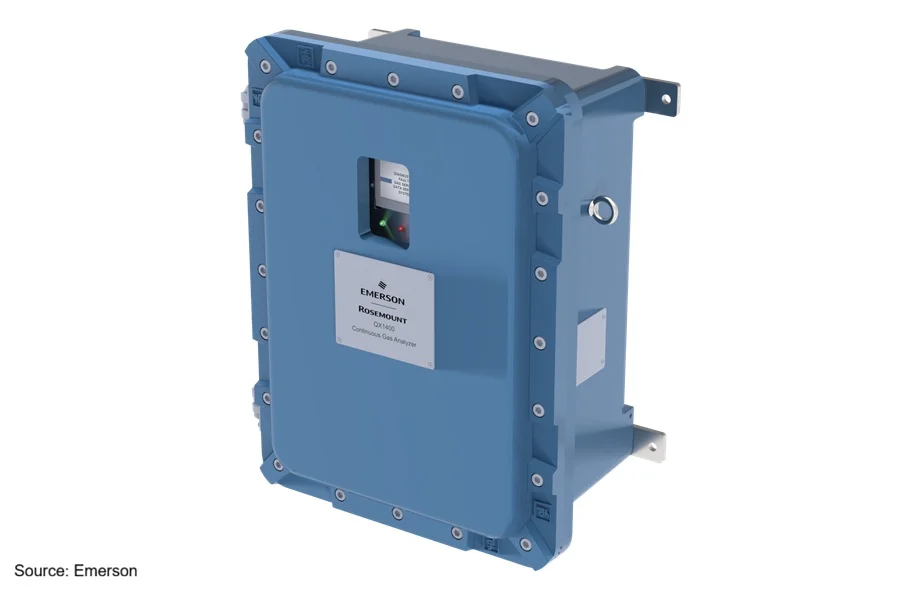
However, lithium-based technologies introduce thermal runaway hazards—a chain-reaction failure mode where a single compromised cell can rapidly overheat adjacent cells. Mitigating this risk requires specialized architectural design, advanced early-detection gas sensors, robust fire suppression systems, and strict emergency response procedures. Standards like NFPA 855 (Standard for the Installation of Stationary Energy Storage Systems) provide critical guidance for managing these systems, while emerging alternatives like sodium-ion and flow batteries promise future diversification.
Fire Protection and Emergency Preparedness
A thermal runaway event in an Uninterruptible Power Supply (UPS) battery room can quickly escalate from an isolated component failure into a major emergency requiring facility evacuation and specialized hazardous materials response. Effective fire protection planning cannot rely on generic suppression systems. It demands comprehensive facility mapping, specialized responder training, customized thermal runaway suppression protocols, and seamless communication with local municipal fire departments.
Environmental Stewardship, Water Demands, and Community Relations
As data centers scale into massive hyperscale campuses, their environmental footprint has drawn intense scrutiny from regulators, environmental groups, and local residents.
Water Consumption and Arid Region Pressures
Cooling modern servers generates immense heat, requiring millions of gallons of water daily for evaporative cooling towers. This massive consumption places severe stress on municipal water infrastructure, particularly in arid regions of the American Southwest. Consequently, sustainable cooling strategies—such as closed-loop liquid cooling, dry-cooling technologies, and reclaimed water utilization—are increasingly influencing facility siting decisions.
Environmental, Social, and Governance (ESG) Expectations
Corporate sustainability commitments and growing regulatory frameworks are forcing operators to reevaluate project viability through an ESG lens. Air permitting under the Clean Air Act for emergency diesel generators, wastewater discharge compliance, and the protection of local wildlife habitats during land development are now baseline requirements for project approval.
Navigating the Power Crisis
To bypass strained local utility grids, many data center developers are pursuing innovative power acquisition strategies. These include direct power purchase agreements (PPAs) with renewable energy providers, on-site natural gas generation, advanced battery storage installations, and exploratory investments in advanced nuclear technologies (such as small modular reactors). While these solutions enhance operational resilience, they introduce an intricate web of new environmental, safety, and regulatory variables.
Official Responses and Regulatory Landscapes
Navigating the multi-jurisdictional regulatory environment is one of the most formidable tasks facing data center developers and operators today. The oversight framework is distributed across federal, state, and local authorities:
- Occupational Safety and Health Administration (OSHA): Enforces rigorous workplace safety standards (29 CFR Part 1910) to protect construction and maintenance personnel from electrical, chemical, and physical hazards.
- Environmental Protection Agency (EPA): Regulates air emissions from backup generation under the Clean Air Act and oversees water resource management and sustainable reuse initiatives.
- National Fire Protection Association (NFPA): Establishes foundational codes, including NFPA 70E (electrical safety), NFPA 855 (stationary energy storage), and NFPA 75 (fire protection of information technology equipment).
- Department of Transportation (DOT): Governs the strict transport protocols required for shipping and disposing of industrial battery systems.
- Local Zoning and Municipal Authorities: Increasingly utilize zoning restrictions, noise ordinances, and environmental impact reviews to assert local control over data center expansion, often reflecting intense community pushback.
To manage these overlapping obligations, industry leaders are increasingly adopting risk-based decision-making models. By utilizing risk heat maps, organizations can quantitatively prioritize resources—allocating the highest attention to severe, high-probability hazards like electrical and thermal-runaway events, while systematically managing moderate risks like construction logistics and environmental impacts.
Implications: The Interdependence of Safety and Reliability
The prevailing myth in early digital infrastructure development was that safety and reliability were competing priorities—that aggressive operational speeds required cutting corners on safety protocols. Modern industry experience has shattered this false dichotomy.
In practice, human error and poorly managed maintenance procedures remain among the leading causes of catastrophic data center outages. When a technician is injured or a maintenance protocol fails due to poor training, the resulting downtime can cost millions of dollars in lost commerce and erode customer trust.
Ultimately, safety and reliability are mutually dependent foundations. Organizations that embrace a comprehensive, lifecycle-based approach to risk management will not only protect their human workforce and satisfy tightening regulatory expectations, but they will also secure the resilient operational foundation required to power the next generation of digital infrastructure.
References
- American Conference of Governmental Industrial Hygienists (ACGIH). (2024). Industrial Ventilation: A Manual of Recommended Practice for Design (31st ed.). ACGIH.
- American Society of Civil Engineers (ASCE). (2023). ASCE 7-22: Minimum Design Loads and Associated Criteria for Buildings and Other Structures. ASCE.
- Association for Computing Machinery. (2024). Data Center Energy Efficiency Research. Retrieved from https://www.acm.org
- National Fire Protection Association (NFPA). (2024). NFPA 70E: Standard for Electrical Safety in the Workplace. NFPA.
- National Fire Protection Association (NFPA). (2023). NFPA 855: Standard for the Installation of Stationary Energy Storage Systems. NFPA.
- Occupational Safety and Health Administration (OSHA). (2024). 29 CFR Part 1910 – Occupational Safety and Health Standards. U.S. Department of Labor. Retrieved from https://www.osha.gov
- U.S. Environmental Protection Agency (EPA). (2024). Clean Air Act Requirements and Air Permitting. Retrieved from https://www.epa.gov
- U.S. Environmental Protection Agency (EPA). (2024). Water Reuse and Sustainable Water Management. Retrieved from https://www.epa.gov/waterreuse
- U.S. Green Building Council (USGBC). (2024). LEED v5 for Building Design and Construction. Retrieved from https://www.usgbc.org
- Uptime Institute. Annual Global Data Center Survey. Uptime Institute.