Executive Summary: A New Era for Agricultural Development
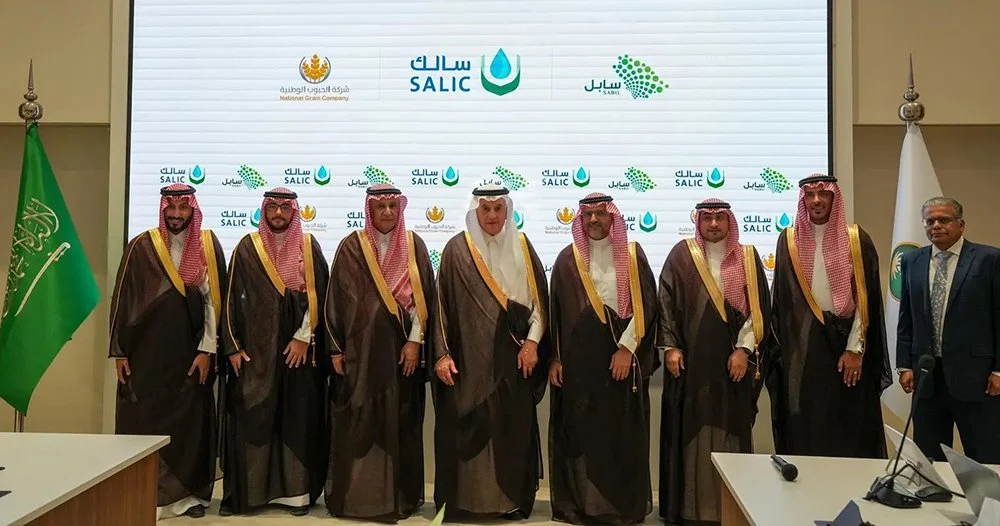
In an ambitious move designed to reshape the economic landscape of rural regions, a comprehensive strategic initiative has been launched to bolster the "Reef" (Rural) program. This expansion represents a monumental step forward in national efforts to diversify the economy, enhance food security, and empower agricultural communities. By bridging logistical capabilities with supply chain optimization, the program aims to elevate the living standards of farmers, support small-scale producers, and drive sustainable development in alignment with broader national visions.
The comprehensive restructuring of the "Reef" program is not merely an incremental update; it is a foundational transformation. Designed to tackle modern economic challenges, the initiative focuses on modernizing agricultural infrastructure, streamlining distribution networks, and introducing advanced technological frameworks to maximize efficiency. Through targeted financial backing, capacity-building workshops, and strategic partnerships, the initiative seeks to unlock the untapped potential of rural sectors, transforming traditional farming into a modern, highly competitive economic engine.
Main Facts: Core Pillars of the Reimagined "Reef" Initiative
The newly expanded "Reef" program operates on several core pillars designed to maximize its impact on local economies and agricultural productivity. Central to these objectives is the modernization of production methods and the integration of sustainable practices across all participating sectors.
- Targeted Financial Support: The program provides direct grants and financial assistance to small-scale farmers, rural cooperatives, and agricultural entrepreneurs, ensuring they have the capital necessary to upgrade equipment and scale operations.
- Infrastructure Modernization: Significant investments are being channeled into rural infrastructure, including cold storage facilities, modern packaging plants, and improved rural roadways that connect remote farms directly to major consumer markets.
- Technological Integration: Farmers are being equipped with smart agricultural tools, precision farming technologies, and digital platforms to optimize water usage, monitor crop health, and forecast market demand with greater accuracy.
- Capacity Building and Training: Comprehensive training programs are being rolled out to educate rural workers on modern agricultural techniques, financial literacy, and sustainable resource management, fostering a culture of continuous improvement.
Chronology of Development: From Concept to National Expansion
The evolution of the "Reef" program reflects a methodical approach to rural development, moving from localized pilot projects to a comprehensive national strategy.
Phase 1: Inception and Initial Pilot Projects
The foundational phases of the initiative began with localized studies aimed at identifying the primary pain points experienced by smallholder farmers. Initial interventions focused on basic financial aid and rudimentary resource distribution. While these early efforts provided immediate relief, policymakers quickly realized that piecemeal solutions would not suffice in a rapidly evolving global economy.
Phase 2: Strategic Scaling and Infrastructural Integration
Recognizing the need for a more robust framework, leadership initiated a comprehensive review of rural logistics and supply chains. This phase marked a pivotal shift toward connecting production capabilities with advanced logistical networks. Pilot programs were launched to test smart farming technologies and centralized distribution hubs, yielding highly promising results in crop yield optimization and waste reduction.
Phase 3: The 2026 National Expansion
By early 2026, the program entered its most ambitious phase yet: a nationwide rollout designed to institutionalize best practices and extend support to underserved rural regions. This current phase emphasizes digital transformation, streamlined supply chains, and public-private partnerships to ensure long-term viability and self-sufficiency for rural communities.
Supporting Data and Economic Impact
Empirical data underscores the necessity and effectiveness of the expanded "Reef" initiative. Economic analyses indicate that small-scale agriculture accounts for a substantial percentage of rural employment and regional GDP. However, historical bottlenecks—such as post-harvest loss, limited market access, and high input costs—have traditionally constrained sector growth.

Recent metrics reveal that the targeted financial injections and logistical overhauls have already begun to yield measurable improvements:
- Yield Optimization: Participating farms have reported up to a 50% increase in operational efficiency through the adoption of modern irrigation and pest management technologies.
- Reduction in Post-Harvest Losses: Improved cold-chain logistics and regional storage facilities have slashed post-harvest spoilage by nearly 35%, ensuring that more produce successfully reaches the end consumer.
- Income Generation: Average household incomes within participating rural cooperatives have experienced steady upward trajectories, lifting local purchasing power and stimulating micro-economies.
Linking Supply Chains with Logistical Capabilities
A primary driver behind the success of the modern "Reef" initiative is the seamless integration of supply chains with advanced logistical frameworks. Historically, remote farmers faced insurmountable hurdles in transporting perishable goods to urban centers before spoilage occurred.
The current strategic framework addresses this challenge by establishing regional distribution hubs equipped with state-of-the-art preservation technology. Furthermore, digital logistics platforms now allow producers to track shipments in real-time, matching supply directly with market demand. This synchronization minimizes transit times, stabilizes pricing for consumers, and guarantees fair compensation for producers.
Policymakers have emphasized that building resilient supply chains is essential for long-term food security. By decentralizing storage and distribution, the agricultural sector becomes significantly less vulnerable to external supply shocks, ensuring consistent availability of essential foodstuffs nationwide.

Official Responses and Institutional Roles
Government bodies and specialized ministries have played a pivotal role in designing, executing, and scaling the initiative. Institutional oversight ensures that funds are distributed transparently and that development goals align with national strategic benchmarks.
Ministry of Environment, Water, and Agriculture
The Ministry of Environment, Water, and Agriculture remains at the forefront of this developmental wave. Through continuous policy refinement and active field oversight, the Ministry ensures that agricultural practices remain environmentally sustainable while maximizing economic output.
Key officials have repeatedly highlighted the importance of inter-ministerial collaboration, noting that sustainable rural development requires coordinated efforts across water management, infrastructure development, and financial regulation. The Ministry’s ongoing directives focus on preserving natural resources, optimizing water usage in arid environments, and empowering local farming cooperatives to take leadership roles in regional economic planning.
Broader Implications for the Future
The comprehensive enhancement of the "Reef" program extends far beyond immediate agricultural metrics; it represents a fundamental shift in how the nation views the sustainability and potential of its rural regions.

Economic Diversification
By strengthening the agricultural backbone, the initiative actively contributes to broader economic diversification goals. Reducing reliance on non-agricultural sectors and building a robust, self-sustaining rural economy creates a more balanced and resilient national marketplace.
Social Stability and Employment
Empowering rural communities helps curb rural-urban migration by making farming a viable, profitable, and technologically advanced career path for younger generations. Providing access to modern training, financial services, and digital tools ensures that rural youth see a prosperous future in agriculture.
Long-Term Sustainability Goals
As climate change and resource scarcity pose unprecedented global challenges, the integration of smart agricultural practices within the "Reef" framework ensures that farming communities are well-prepared for the future. Efficient water management, sustainable crop rotation, and green energy utilization within rural hubs position the agricultural sector as a leader in environmental stewardship.
In conclusion, the strategic evolution of the "Reef" program marks a watershed moment for rural development. By marrying financial empowerment with advanced logistical infrastructure and unwavering institutional support, the initiative lays a solid foundation for enduring prosperity, food security, and sustainable economic growth.