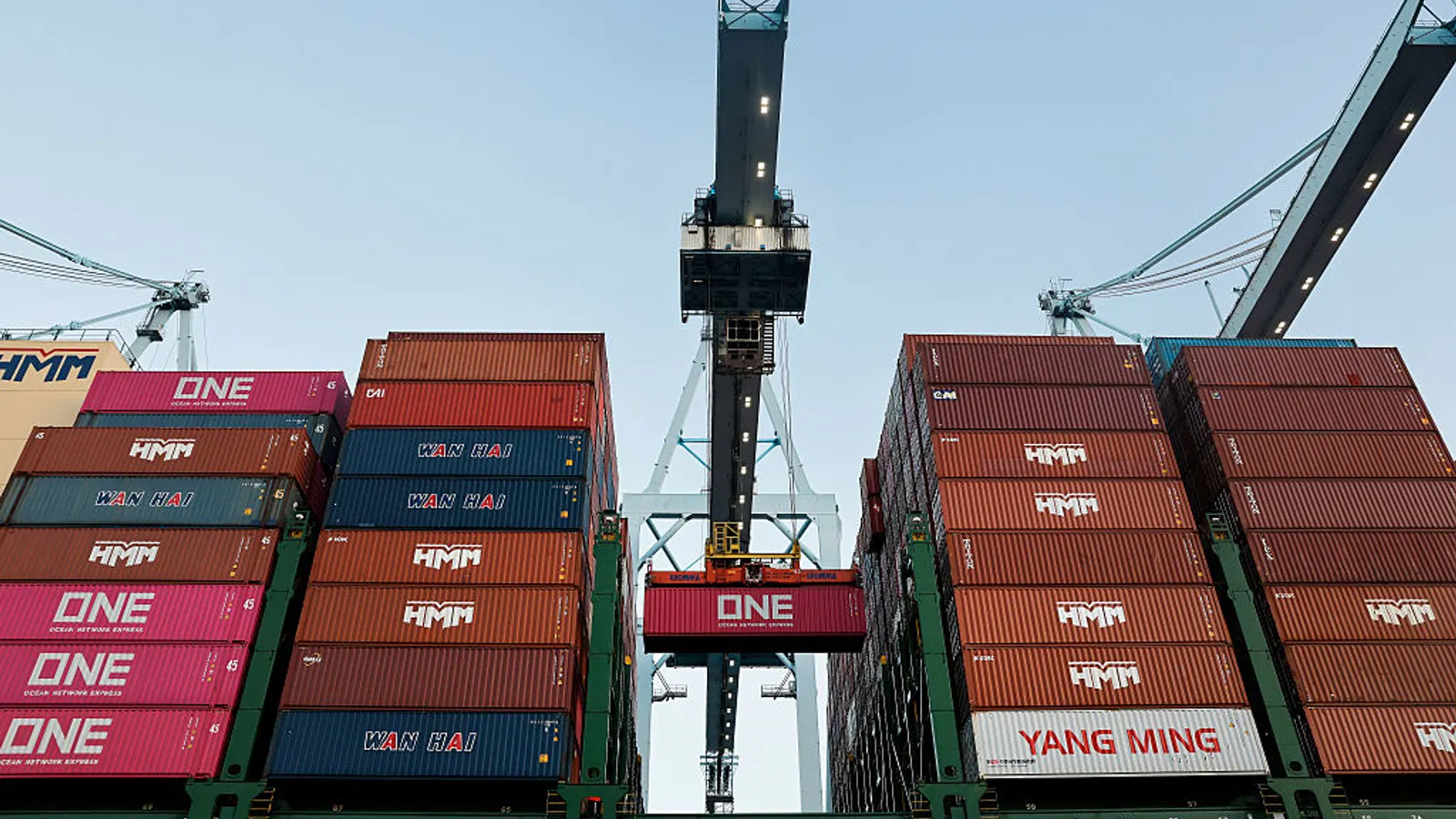
Global supply chains are undergoing a significant structural shift as shippers and ocean carriers rapidly reroute cargo away from the Panama Canal and toward West Coast gateways like the Port of Los Angeles. This strategic pivot is driven by a compounding crisis of persistent El Niño-related drought restrictions in Central America and skyrocketing maritime fuel prices caused by ongoing geopolitical conflict in the Middle East.
As vessel fuel costs have doubled over the past eight months amid the Iran war, operating longer maritime transit routes has become economically unviable for many logistics operators. Consequently, volumes at the Port of Los Angeles have surged, surpassing the milestone threshold of 1 million TEUs (twenty-foot equivalent units) in September alone.
Port of Los Angeles Executive Director Gene Seroka revealed that international carriers, third-party logistics providers (3PLs), and major manufacturers are actively diverting their traditional canal allocations to West Coast ports to minimize both transit times and fuel burn. Compounding this shift are looming global deadlines, including the expiration of the U.S.-China trade truce on January 10 and an early Lunar New Year in February 2027, which are expected to trigger sustained cargo frontloading well into the new year.
Chronology of the Crisis
Late 2023 – 2025: The Emerging Waterway Deficit
The warning signs for trans-oceanic supply chains began months prior as anomalous weather patterns linked to El Niño depleted water levels across the Panama Canal watershed. Panama Canal Authority (ACP) officials were forced to implement successive rounds of draft restrictions and daily vessel transit slot cuts to preserve water for both canal operations and regional human consumption.
August – September 2026: Severe Slot Reductions and Drought Measures
The crisis deepened in August 2026 when the Panama Canal Authority slashed daily available transit slots for Neopanamax locks down to a restrictive nine per day, effective September 3. Although a slight uptick in regional precipitation allowed authorities to raise available slots to 10 by October, the operational bottleneck remained severe. Importers who relied on the vital shortcut faced unpredictable delays, erratic scheduling, and soaring spot-market rates.
Early 2026 – September 2026: Exploding Wait Times
Data compiled by MarineTraffic illustrates the compounding severity of the canal delays. Between January and late September 2026, a total of 69 container vessels were forced to wait more than 100 hours simply to enter and transit the Panama Canal. This accounted for 3.3% of all vessels traversing the waterway during that timeframe—a dramatic surge compared to just 13 vessels, or 0.6%, during the exact same period in 2025.
According to MarineTraffic analysts, weekly wait-time shares spiked sharply in April at the end of the regional dry season and climbed steadily from July onward as strict draft limitations took full effect.
October 2026: The Pacific Pivot
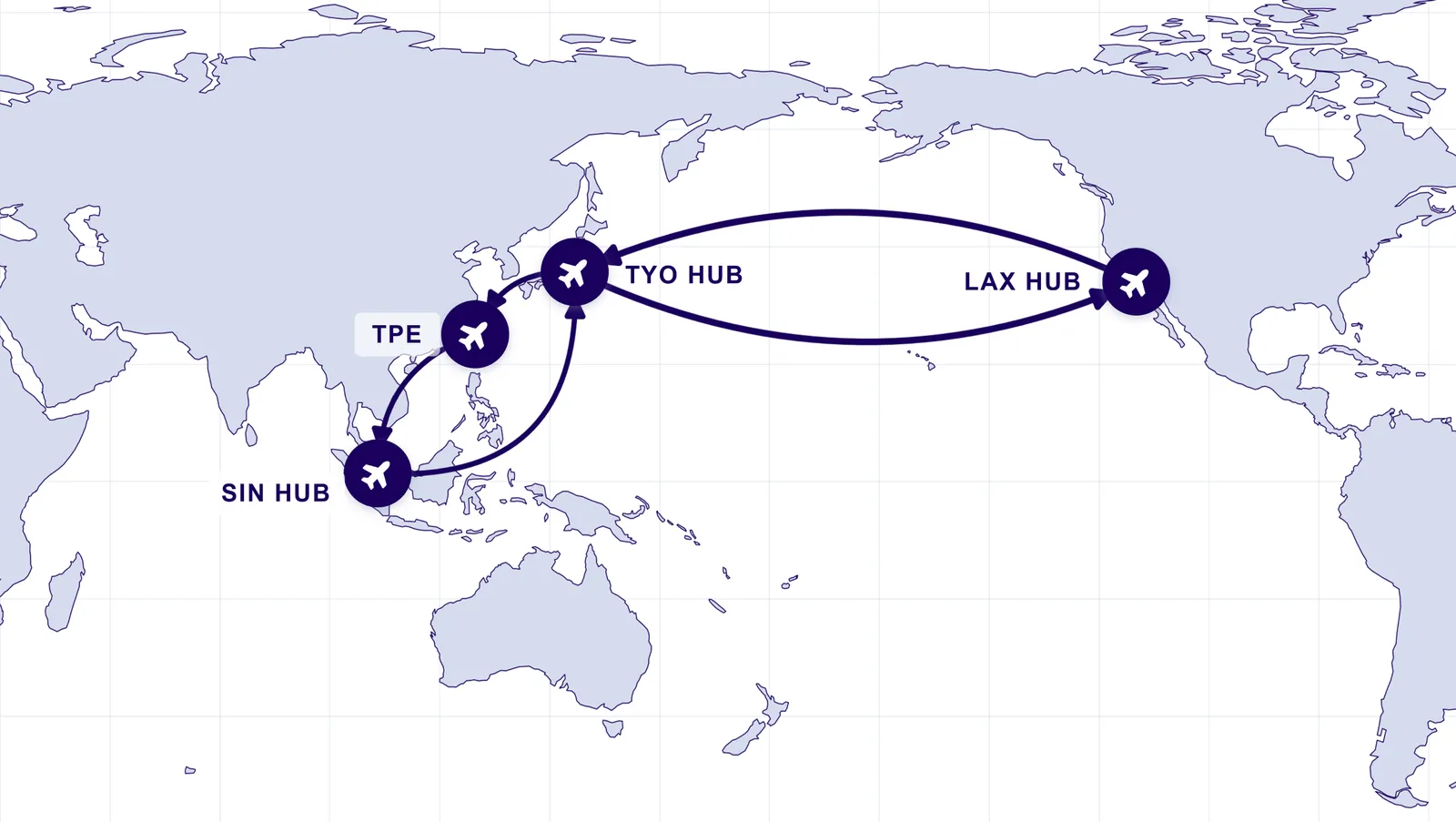
By October 2026, international carriers reached a breaking point. Following executive meetings across key Asian logistics hubs in Korea and Singapore, shipping lines confirmed they were permanently scaling back their Panama Canal allocations in favor of direct Pacific routing to Southern California.
Supporting Data and Analytics
The quantitative reality of the 2026 supply chain upheaval highlights a systemic shift in global trade routes:
The 1 Million TEU Milestone: The Port of Los Angeles shattered operational expectations by handling over 1 million TEUs in September alone, propelled largely by diverted cargo.
The 100-Hour Wait Threshold: Sixty-nine container vessels experienced transit delays exceeding 100 hours at the Panama Canal between January and September 2026, representing a 450% increase in severe delays year-over-year.
Proportional Delays: While severe delays affected only 0.6% of vessels in early-to-mid 2025, that metric ballooned to 3.3% by late 2026.
Fuel Cost Inflation: Bunkering and marine fuel prices have doubled over an eight-month window, driven heavily by supply disruptions and geopolitical tensions stemming from the Iran war.
Canal Slot Caps: Neopanamax daily slots were initially restricted to nine per day in September before being marginally adjusted to 10 per day in October following slight watershed precipitation improvements.
Official Responses and Industry Insights
The operational reality on the ground was further detailed by Port of Los Angeles Executive Director Gene Seroka during a media briefing following his strategic tour of Asian shipping markets.
"When I was in Korea and Singapore a couple of weeks ago, talking with not only shipping lines but 3PLs and manufacturers, they’re taking even more of their traditional allocations that normally go through the canals and shifting it to Los Angeles," Seroka told reporters.
Seroka emphasized that the calculus for global supply chain managers has fundamentally changed due to energy economics. With vessel fuel prices having doubled over the preceding eight months, extended maritime voyages—such as navigating around the Cape of Good Hope or waiting out multi-day queues at bottlenecked canals—represent an unacceptable burn rate of expensive fuel.
Because ocean liners are systematically passing these inflated operating expenses down to importers and exporters, shippers are highly incentivized to choose shorter, more direct geographical pathways.
Regarding upcoming market pressures, Seroka pointed out that the global supply chain community is bracing for multiple intersecting deadlines:
"So, this confluence of events means that volume will probably stay a little bit more elevated than normal, and a couple of deadlines that may come to pass are in the minds of supply chain experts around the world."
Implications for Global Supply Chains
The current convergence of environmental crises, geopolitical instability, and shifting trade policies carries profound implications for international logistics, manufacturing inventories, and consumer pricing.
1. The Death of Just-In-Time Reliability Through Central America
For decades, the Panama Canal served as the ultimate efficiency artery connecting Asian manufacturing hubs to U.S. East and Gulf Coast consumer markets. The recurring El Niño droughts—and the likelihood of extended dry seasons heading into 2027—prove that climate volatility is now a permanent structural risk for maritime canals. Shippers can no longer treat the waterway as a guaranteed, predictable transit lane.
2. West Coast Resurgence and Infrastructure Stress
While ports in San Pedro Bay (Los Angeles and Long Beach) are reaping the economic benefits of increased cargo volumes, this sudden influx places immense pressure on local intermodal rail, trucking networks, warehousing infrastructure, and terminal operators. Managing sustained volumes above 1 million TEUs per month requires flawless execution across local drayage and rail networks to prevent landside bottlenecks from replacing maritime ones.
3. Fuel Economics Reshaping Vessel Routing
The doubling of marine fuel costs serves as a harsh reminder of how vulnerable maritime shipping is to localized geopolitical conflicts. As long as fuel remains elevated, slow-steaming and route optimization will dominate carrier strategies. The economics heavily penalize circuitous routes, cementing the value proposition of direct West Coast entry points for time-sensitive cargo.
4. Compounding Q1 2027 Logistics Pressures
Looking ahead, the global supply chain faces a uniquely volatile start to the new year. Two major structural catalysts loom large:
The U.S.-China Trade Truce Expiration: Scheduled to lift on January 10, the expiration of this temporary truce creates immediate uncertainty regarding potential tariff adjustments or policy shifts.
Early Lunar New Year: Falling in the first week of February 2027, the traditional Asian factory shutdowns will force factories to push out exports weeks earlier than usual.
To insulate themselves against potential disruptions from these overlapping deadlines, cargo owners are already executing aggressive frontloading strategies. This behavior ensures that peak-season volumes will not experience the traditional post-holiday lull, keeping supply chains humming at elevated capacity well into the first quarter of 2027.