The commercial interiors industry converged once again at Chicago’s iconic Merchandise Mart for NeoCon 2023. As the premier global platform for the built environment, NeoCon remains the definitive bellwether for design trends, workplace strategy, and manufacturing innovation. This year’s exhibition was not merely a showcase of furniture; it was a profound response to the rapidly shifting paradigms of the hybrid work era, where sustainability, flexibility, and employee well-being have moved from peripheral considerations to the core of design philosophy.
The State of the Industry: NeoCon 2023 Overview
NeoCon 2023 served as a high-stakes arena where industry leaders demonstrated how they are navigating the complexities of modern office life. Following the post-pandemic recalibration, the 2023 event focused heavily on "human-centric" design. Exhibitors pivoted away from static, monolithic office configurations toward modular, agile, and high-performance solutions.
The event’s atmosphere was one of cautious optimism, characterized by a visible commitment to environmental, social, and governance (ESG) goals. From carbon-neutral manufacturing processes to the circular economy, the "green" movement was no longer a side note—it was the defining narrative of the convention floor.
Chronology of Innovation: A Deep Dive into Key Exhibitors
Steelcase: The Efficiency of Sustainability
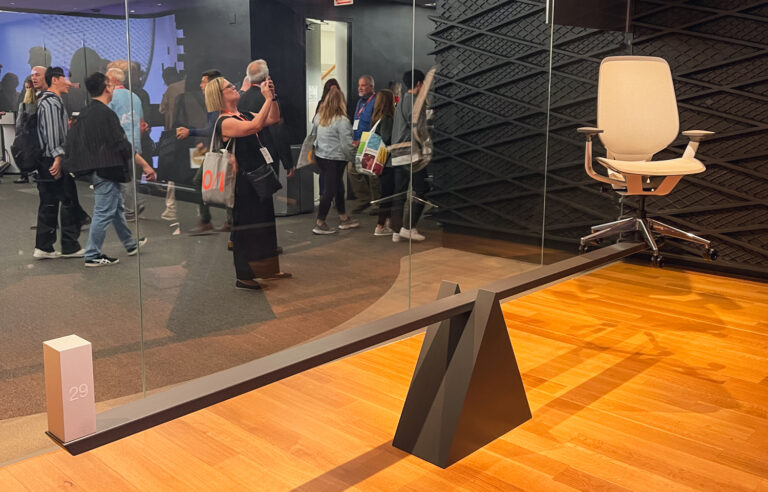
Steelcase, a perennial titan of workspace innovation, utilized its NeoCon presence to underscore the intersection of ergonomics and environmental stewardship. Their exhibition was a masterclass in transparency, specifically highlighting the weight of their seating solutions. By engineering ergonomic chairs that weigh 29 pounds or less, Steelcase is actively reducing material consumption and streamlining shipping logistics, which in turn slashes the carbon footprint associated with packaging and distribution. This focus on "lightweighting" is a critical, often overlooked aspect of sustainable manufacturing that the company is championing with vigor.
Hightower: Elevating the Lounge Experience
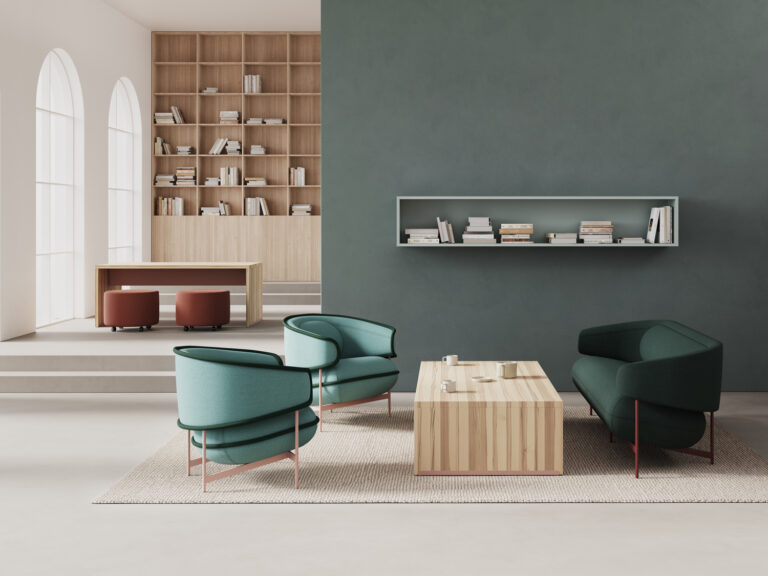
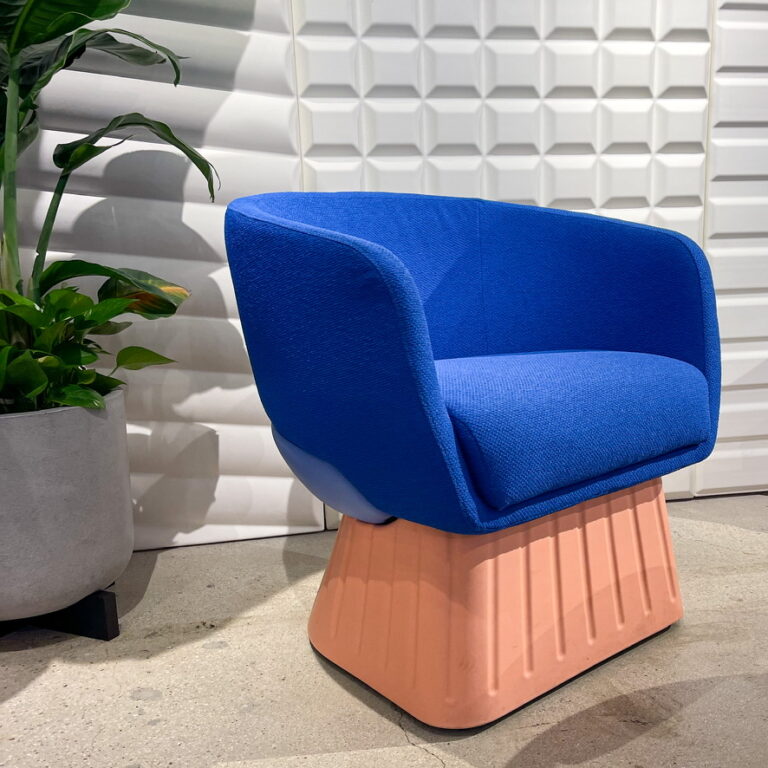
Hightower captured significant attention, earning the coveted Best of Competition award for their Flote lounge collection. The collection represents a shift in commercial furniture design, where the boundary between residential comfort and commercial functionality is intentionally blurred. The Flote collection is a testament to the industry’s pivot toward "resimercial" design, providing a sanctuary for focus or collaboration that avoids the clinical aesthetic of traditional office furniture.
Sixinch: Challenging Conventional Aesthetics
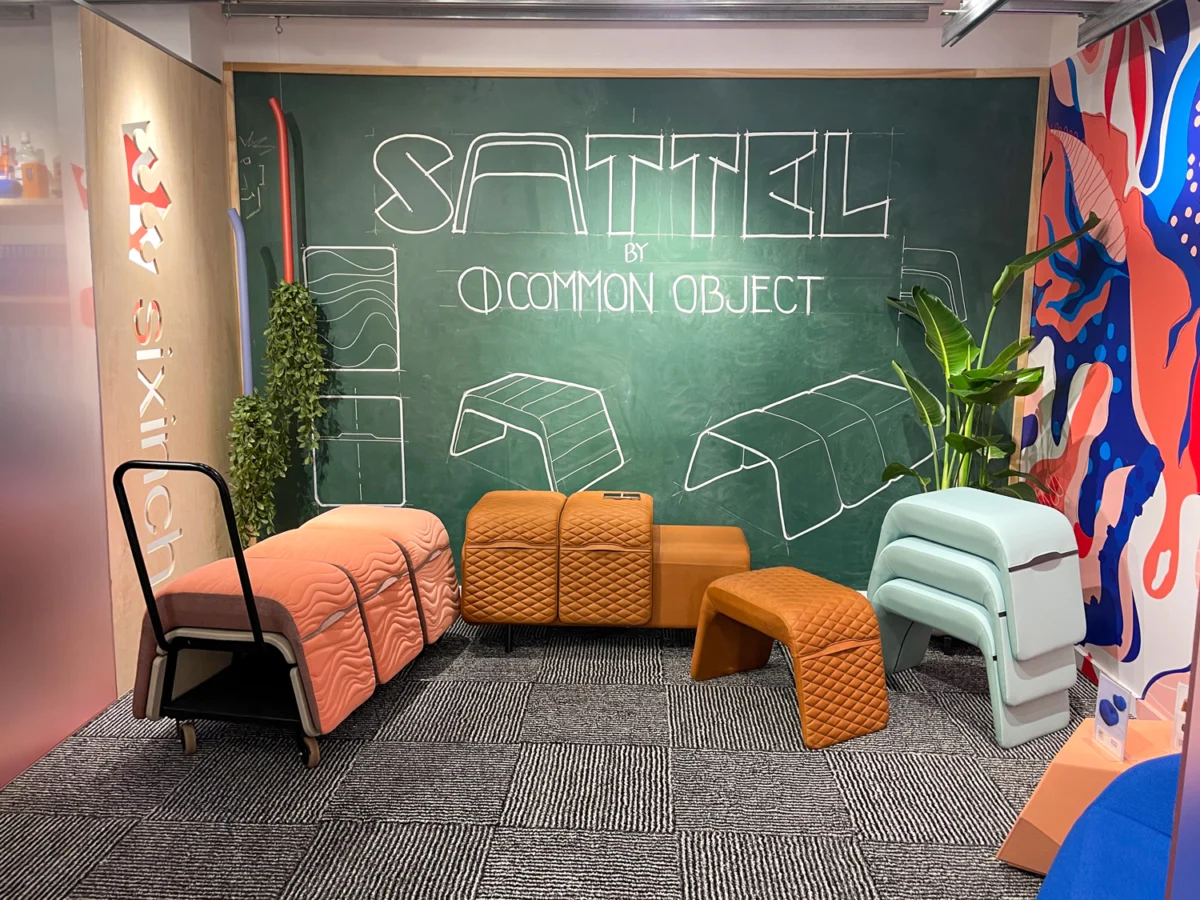
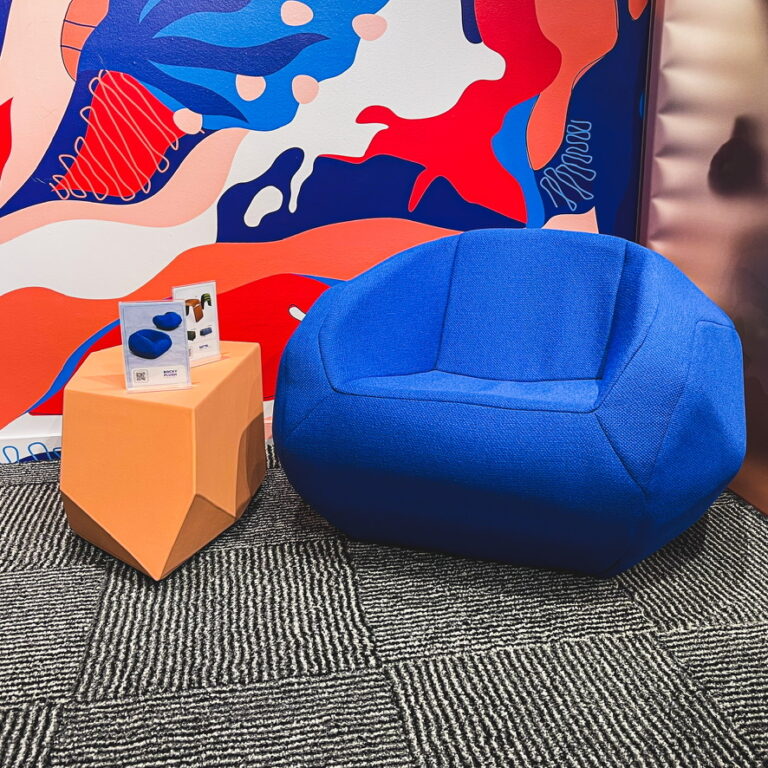
For attendees seeking to break the monotony of the standard corporate office, Sixinch provided a much-needed injection of color and whimsy. Their David Bowie-inspired collection was a standout, utilizing bold primary colors, unique textures, and unconventional forms to redefine what office furniture can be. Beyond aesthetics, their Sattle collection—particularly the Sattle Wagen—introduced a new level of mobility to the workspace, enabling users to reconfigure their environments on the fly.
Okamura: The Japanese Standard of Ergonomics
Japanese manufacturer Okamura continued to set the benchmark for ergonomic excellence. Their approach at NeoCon 2023 focused on the "Lives Work" lounge chair, a piece that synthesizes comfort with utility by integrating a dedicated, attached work surface. This design addresses the modern need for "micro-offices" within larger, open-plan spaces, allowing for an immediate transition from relaxed seating to focused, heads-down work.
Om Seating: The Art of the Pastel Palette
Om Seating’s display was a visual standout, utilizing a sophisticated, calming pastel palette that stood in stark contrast to the traditional greys and blacks of the commercial sector. By focusing on versatile seating solutions—ranging from task chairs to medical-grade healing environment furniture—Om Seating demonstrated a commitment to "user-oriented ergonomics," ensuring that their designs are as kind to the human back as they are to the visual landscape of the office.
Supporting Data: The Rise of the "Flexible Office"
The product trends observed throughout the floors at NeoCon 2023 provide a clear roadmap for the future of the workplace. Three primary trends emerged as the dominant forces shaping the industry:
- Sustainability as a Baseline: Every major exhibitor this year centered their marketing and product development on sustainability. This includes the use of recycled ocean plastics, modular components that can be easily repaired rather than replaced, and a renewed focus on circularity.
- The "Third Space" Evolution: The integration of floor-level cushions and informal lounge seating suggests that the office is no longer a place for assigned desks, but a destination for community and culture. These "third spaces" allow for relaxed, non-hierarchical collaboration.
- The Rise of the Integrated Desk: The proliferation of chairs with attached surfaces—seen at both Okamura and Om Seating—signals a permanent shift toward high-density flexibility. This allows organizations to maximize square footage while providing employees with a sense of personal territory.
Official Industry Perspectives
The general consensus among industry leaders and design critics at NeoCon 2023 is that the "office" is undergoing a permanent transformation. Conversations held during the event highlighted that the primary goal of the modern office is to provide a compelling reason for employees to return. As one designer noted, "We aren’t just designing chairs; we are designing the conditions for collaboration and culture."
Companies are under increasing pressure to demonstrate that their products not only support physical health but also mental well-being and environmental responsibility. The emphasis on ergonomics, as seen in the offerings from Om Seating and Okamura, confirms that companies are increasingly viewing furniture as a tool for productivity and retention.
Implications for the Future of Design
The implications of NeoCon 2023 are significant for architects, interior designers, and corporate real estate managers.
The Sustainability Mandate
Moving forward, design firms will likely find it difficult to specify products that do not have a transparent environmental track record. The success of Steelcase’s lightweight chairs suggests that manufacturers who can reduce material waste will be rewarded with greater market share. The industry is moving toward a future where "eco-friendly" is not a premium tier, but a standard expectation.
The Death of the Fixed Workspace
The prominence of the Sattle Wagen and the integrated desk lounge chair suggests that the "fixed cubicle" is officially a relic. The future of commercial interior design is hyper-flexible. This requires a deeper understanding of industrial design, where components must be lightweight, durable, and highly mobile.
Training the Next Generation
With the industry evolving at such a rapid pace, the demand for highly skilled industrial designers is at an all-time high. There is a pressing need for designers who understand both the aesthetic potential of materials (as seen with Sixinch) and the rigorous engineering requirements of high-use commercial furniture (as seen with Okamura). Educational institutions and professional training providers, such as Design Engine, are increasingly focused on bridging the gap between artistic conceptualization and the practical, engineering-heavy realities of modern manufacturing.
Conclusion: Designing for Tomorrow
NeoCon 2023 was more than just a trade show; it was a testament to the resilience and adaptability of the commercial design industry. As we look toward the future, the lessons from Chicago are clear: the most successful workplaces will be those that prioritize the health of the planet, the comfort of the individual, and the agility of the team.
Whether it is the bold, creative risks taken by Sixinch or the meticulous ergonomic precision of Okamura, the exhibitors at NeoCon 2023 proved that the industry is well-equipped to handle the challenges of a changing world. For those looking to shape this future, the path forward is clear: innovation must be grounded in sustainability, and design must always serve the human experience. As the industry turns its attention to 2024, the bar has been set exceptionally high, promising a continued era of creative excellence in the built environment.