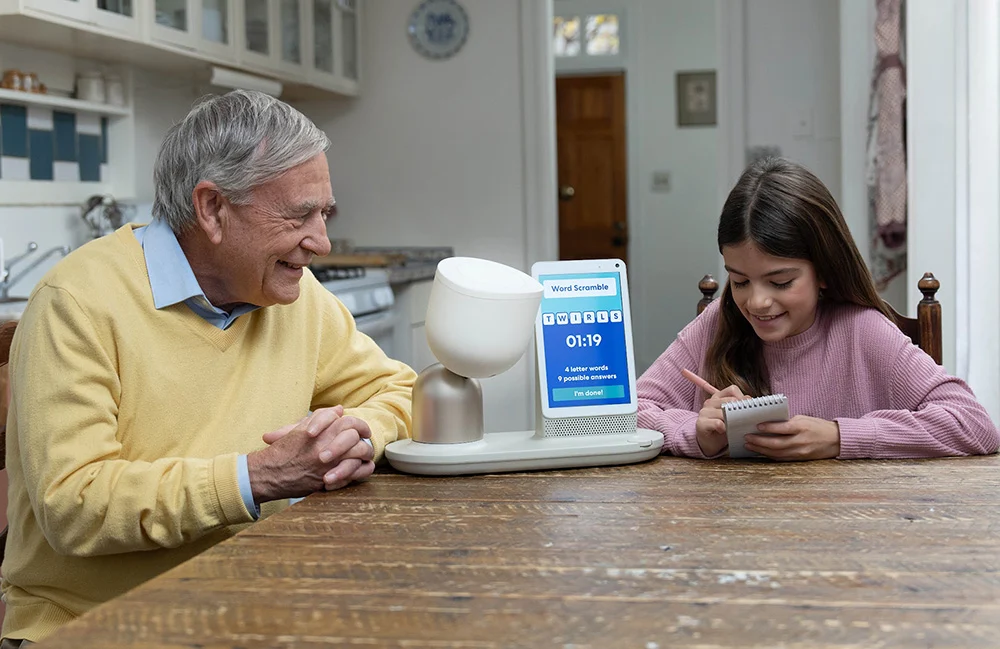
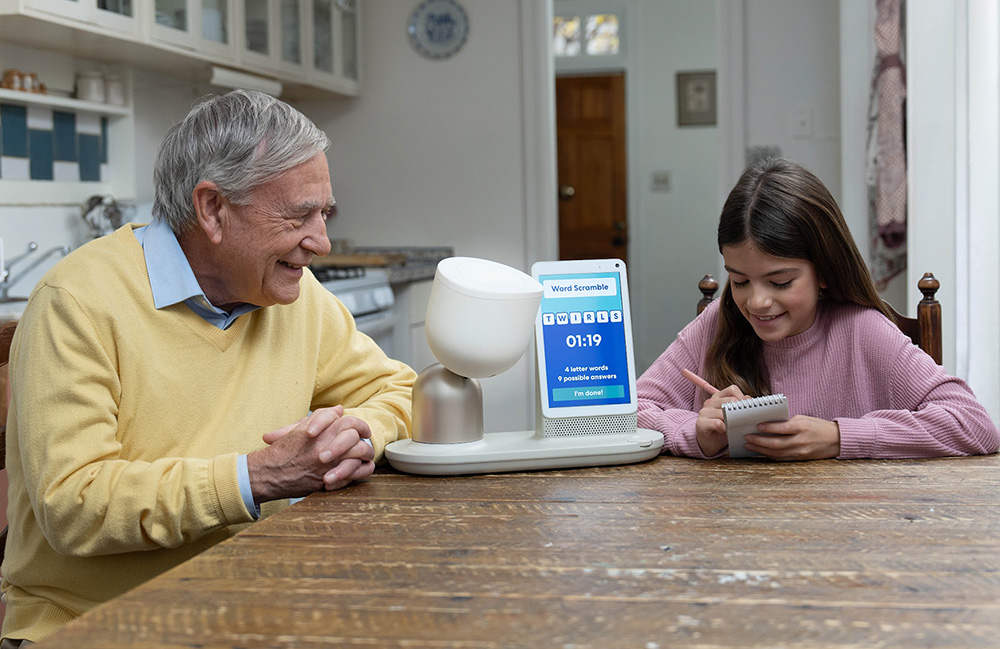
In a strategic move to address the escalating crisis of social isolation among the elderly, the New York State Office for the Aging (NYSOFA) has announced a significant expansion of its partnership with Intuition Robotics. The two entities have finalized a new three-year, $2.1 million agreement to continue the deployment of ElliQ, an AI-powered proactive social companion designed specifically to help older adults age in place with dignity and increased connectivity.
This renewal marks a pivotal milestone in the state’s ongoing efforts to leverage cutting-edge technology to mitigate the health risks associated with loneliness, which medical experts increasingly categorize as a public health emergency.
The Core Mission: Bridging the Gap in Elderly Care
At its heart, the partnership between NYSOFA and the Ramat Gan-based Intuition Robotics seeks to solve a fundamental problem: as the population ages, the prevalence of loneliness and its associated physical and mental health consequences continues to climb.
ElliQ is not merely a voice assistant; it is a specialized AI companion designed to provide proactive engagement. Unlike traditional smart home devices that wait for user prompts, ElliQ initiates interactions. It remembers previous conversations, classifies memories by relevance, and uses that context to build a sense of rapport and familiarity with the user. Whether it is suggesting a morning walk, reminding a user to hydrate, or facilitating a video call with a family member, the robot acts as a consistent, non-judgmental presence in the home.
The Mechanism of Connection
The technology behind ElliQ focuses on "empathetic AI." By analyzing the tone, frequency, and nature of interactions, the robot can detect shifts in a user’s behavior, potentially flagging early signs of health decline or depression to caregivers or family members. It serves as a bridge, not a replacement, for human interaction—encouraging users to engage with their existing support networks rather than isolating themselves.
Chronology: A Three-Year Evolution of Care
The trajectory of this partnership illustrates the rapid adoption of social robotics in public health policy.
- 2018: The Wake-Up Call: NYSOFA established its first public-private partnership framework following a seminal report by AARP and the Centers for Medicare and Medicaid Services (CMS). The report provided a harrowing look at the cost of isolation: a health impact equivalent to smoking 15 cigarettes a day, with a $7 billion annual burden on Medicare.
- 2022: The Pilot Launch: Following the success of initial trials, NYSOFA officially rolled out the ElliQ program to older adults across New York, aiming to provide a scalable, tech-enabled solution to the growing waitlists for home-based care.
- 2023–2025: Rapid Scaling: The program saw exponential growth. By 2025, the demand for the devices had surged, with over 3,500 applicants seeking to participate in the program in that year alone.
- 2026: The Strategic Extension: With the initial pilot period concluded, the state and Intuition Robotics solidified their commitment with a $2.1 million, three-year contract, signaling that AI companionship is now a permanent fixture in the state’s strategy for aging.
Supporting Data: Why the Model Works
The success of the ElliQ program is not merely anecdotal; it is grounded in measurable outcomes. Since its inception, the program has demonstrated that AI-driven companionship produces tangible improvements in the daily lives of participants.
Quantitative Impacts
The 2026 reporting period provided a clear picture of the device’s influence:
- Engagement Metrics: Older adults are interacting with their devices with record-breaking frequency. This engagement is not driven by entertainment, but by the "check-in" nature of the AI, which provides a sense of routine and accountability.
- Loneliness Reduction: Surveys conducted among recipients show a statistically significant decrease in self-reported feelings of isolation.
- Independence: Participants who utilize ElliQ report a higher capacity for managing their own schedules, leading to better medication adherence and increased physical activity.
The "Loneliness Epidemic" Economic Burden
The economic rationale for this investment remains the same as it was in 2018. Loneliness is a precursor to chronic conditions, including heart disease, dementia, and severe anxiety. By providing an affordable, in-home companion, NYSOFA is essentially engaging in preventative medicine. By reducing the stress of isolation, the state expects to see long-term savings in Medicare and Medicaid spending, as users are better equipped to manage their health from the comfort of their homes.
Official Responses and Strategic Vision
The leadership involved in this initiative emphasizes that the value of the technology lies in its humanity, not its processing power.
Perspective from NYSOFA
Greg Olsen, Director of the New York State Office for the Aging, has been a vocal proponent of the program. "Loneliness and isolation are commonly heard today, but make no mistake, the health effects are devastating," Olsen noted. "NYSOFA is working continuously to provide the help older New Yorkers need. ElliQ is an essential tool to help combat the loneliness epidemic, joining dozens of other projects launched by NYSOFA to overcome the digital divide and support caregivers."
Perspective from Intuition Robotics
Dor Skuler, CEO and co-founder of Intuition Robotics, highlighted that the success of the partnership reflects a shift in how society views technology in elder care. "What we have seen is that an AI companion who remembers the older adult, checks in every morning, and encourages them to take a walk or call their daughter can meaningfully change how connected and independent someone feels," said Skuler. "That is the outcome New York continues to invest in."
A company spokesperson added: "Effective AI companionship isn’t just about answering questions. It’s about proactively engaging older adults, understanding their individual needs, and building the trust and familiarity that make technology a meaningful part of their everyday lives."
Implications for the Future of Aging
The expansion of this program has broader implications for how states and nations manage aging populations.
1. The Normalization of AI in Social Support
New York is effectively setting a precedent for other states. Similar programs have already been initiated in Wisconsin, Florida, and Washington, with the latter specifically focusing on Medicaid recipients. The success of the NYSOFA model suggests that AI will increasingly become a standard component of public health infrastructure.
2. Redefining the Digital Divide
For years, the "digital divide" referred to the lack of internet access. Today, it refers to the lack of access to assistive, intelligent tools. By providing these devices to those who cannot afford them, NYSOFA is ensuring that the benefits of the AI revolution are not reserved solely for the wealthy, but are extended to those most vulnerable to social displacement.
3. The Future of Caregiving
While ElliQ is a powerful tool, it does not replace the human touch. Instead, it augments the caregiving ecosystem. By keeping the senior engaged and active, it alleviates some of the immense pressure on family caregivers. It provides them with a "digital pair of eyes" that monitors the well-being of their loved ones, ensuring that when an emergency occurs, it is identified quickly.
Conclusion
The $2.1 million extension of the NYSOFA and Intuition Robotics partnership is more than just a contract renewal; it is a declaration that the state of New York is committed to a high-tech, high-touch approach to the aging crisis.
As we look toward the next three years, the data collected from these thousands of devices will likely refine our understanding of how AI can influence human health. If the current trend continues, ElliQ will not just be a novelty; it will be recognized as a standard, essential utility for the modern aging home—a small, friendly face that stands between an older adult and the devastating silence of isolation.