Published: October 13, 2026
By: Editorial Staff
The landscape of American retail is undergoing a literal elevation. Walmart, the world’s largest retailer, in collaboration with drone logistics pioneer Wing, has announced a sweeping expansion of its aerial delivery network. By the conclusion of 2027, the partnership aims to offer high-speed, autonomous drone delivery services from more than 270 locations across the United States. This move signals a definitive shift in the "last-mile" delivery wars, moving away from traditional combustion-engine vans toward a greener, faster, and more automated future.
Main Facts: The Scope of the Operation
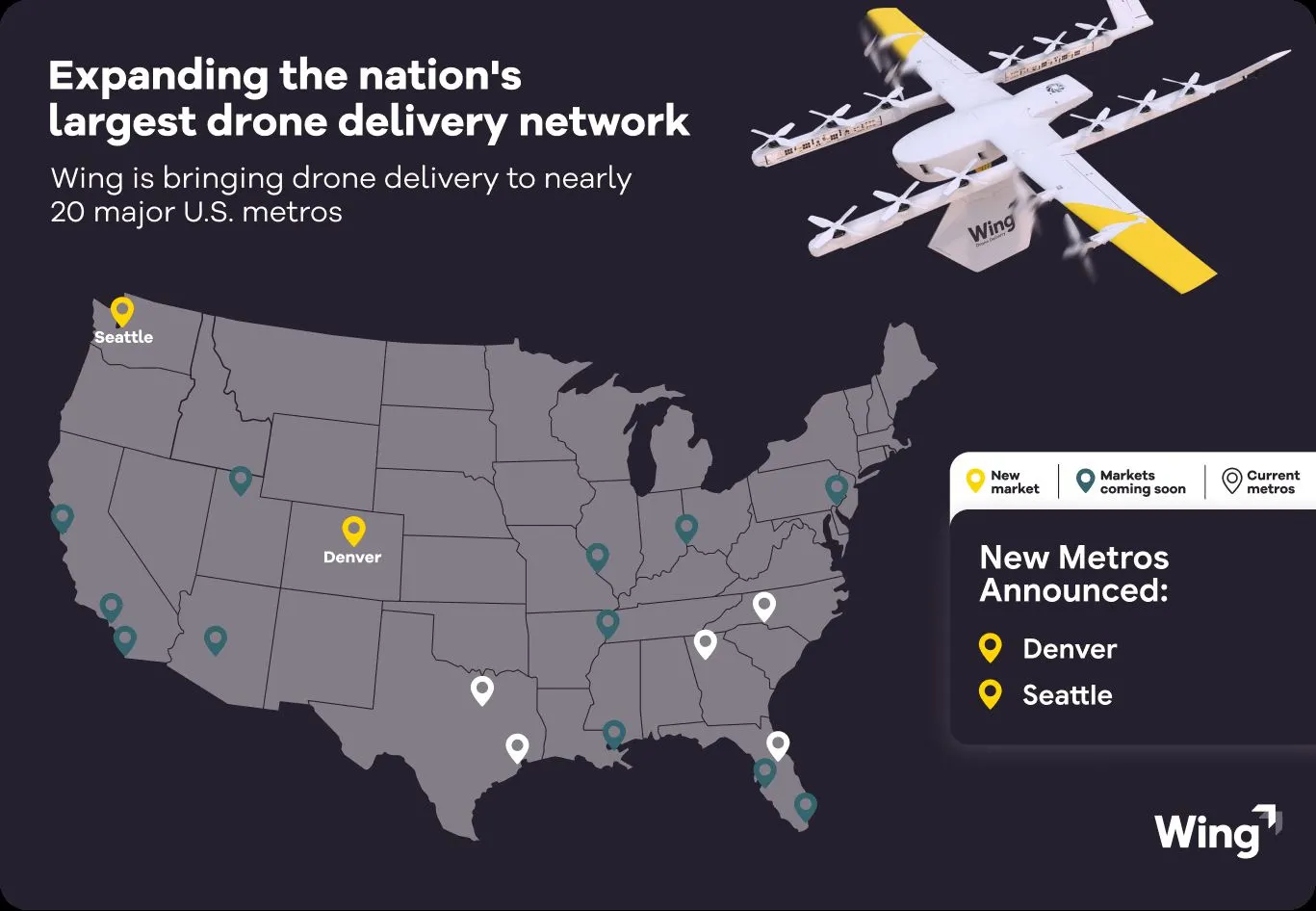
The scale of this rollout is unprecedented in the commercial drone industry. Currently, the service is operational across several major metropolitan hubs, including Houston, Atlanta, Dallas-Fort Worth, Orlando, and Charlotte. By the end of the next calendar year, the footprint will encompass a significant portion of the suburban and urban retail ecosystem.
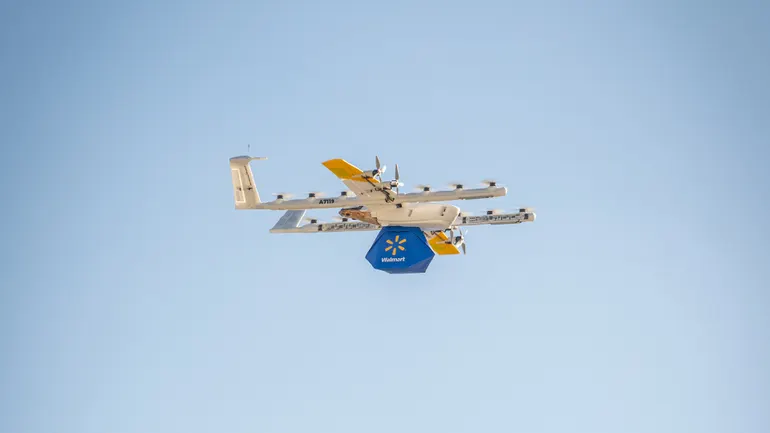
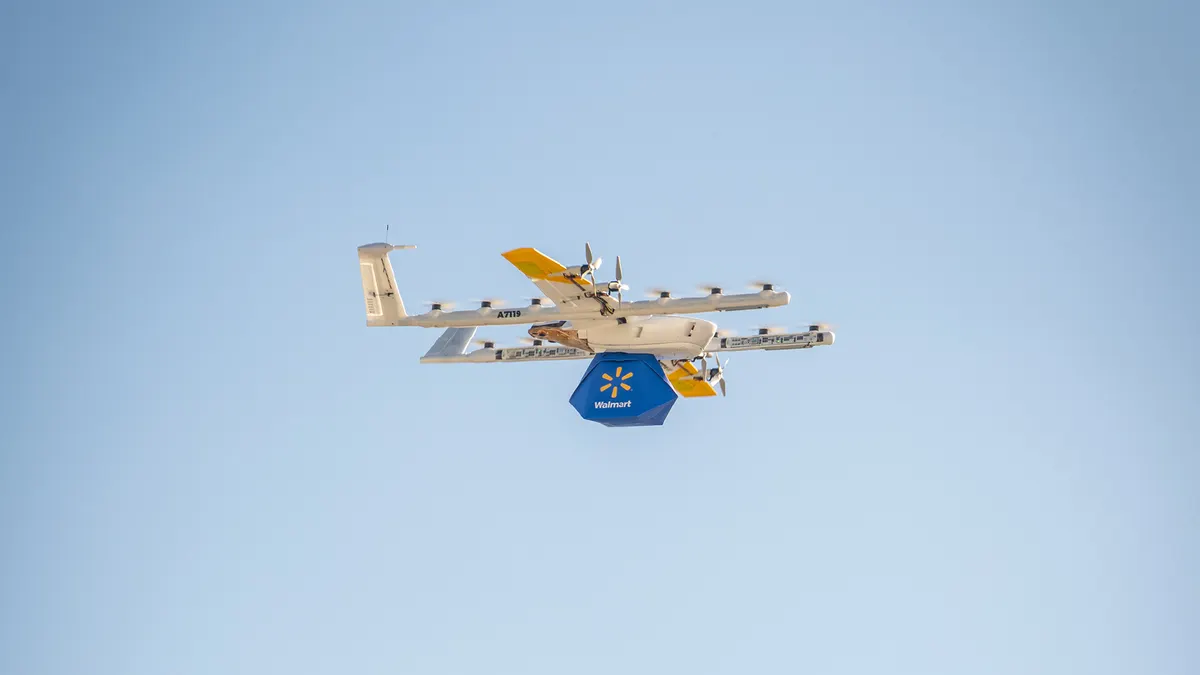
Wing’s proprietary drones are the workhorses of this operation. Capable of cruising at speeds of up to 60 miles per hour, these aircraft can transport packages weighing up to five pounds. This weight limit is strategically chosen to cover the vast majority of "on-demand" grocery needs, including fresh produce, household staples, and emergency pharmacy items. The service is seamlessly integrated into the Walmart mobile app and website, allowing customers to opt for "Drone Delivery" at checkout for qualified orders.
A Chronology of Aerial Ambition
The journey to this point has been a calculated, multi-year process of regulatory compliance, technological refinement, and consumer testing.
- 2023–2024 (The Pilot Phase): Walmart and Wing initiated small-scale pilot programs to test flight paths, noise levels, and consumer adoption. These early flights proved that aerial delivery could be more than a novelty; it could be a reliable utility.
- Early 2026: The partnership announced its initial intent to scale the service to 150 additional locations, signaling that the "proof of concept" phase had concluded.
- October 2026: The current expansion announcement confirms that the retail giant is moving at an accelerated pace, targeting 270+ sites.
- The Future Roadmap: Looking ahead, "coming soon" markets—including Los Angeles, San Francisco, Cincinnati, New Orleans, St. Louis, and Tampa—are already in the planning stages, though specific launch dates remain under wraps as the companies navigate local zoning and aviation safety protocols.
Supporting Data: Why Drones, Why Now?
The shift toward drone delivery is not merely about convenience; it is a data-driven response to the inefficiencies of urban road congestion. According to logistics industry analysts, last-mile delivery accounts for over 50% of total shipping costs. By utilizing the "third dimension" (the sky), Walmart is bypassing the gridlock that hampers traditional delivery fleets.

The five-pound payload limit covers roughly 80% of Walmart’s frequently ordered items. Furthermore, the speed of these drones—often completing deliveries in under 30 minutes from the time of order—creates a competitive moat that rivals like Amazon’s Prime Air or DoorDash are scrambling to address.
In terms of sustainability, the electric nature of Wing’s drones offers a significantly lower carbon footprint per delivery compared to gas-powered delivery vans. As corporations face increasing pressure to meet ESG (Environmental, Social, and Governance) targets, the automation of the final mile serves as a pillar for long-term carbon reduction.
Official Responses and Strategic Vision
The sentiment from leadership is one of calculated optimism. Greg Cathey, senior vice president of eCommerce transformation at Walmart, emphasized that the goal is not to replace existing infrastructure, but to provide a "practical option" for time-sensitive needs.

"Expanding drone delivery to Seattle and Denver is about giving more customers a practical option when they need something quickly," Cathey stated. "Whether it is a forgotten ingredient for dinner or an over-the-counter medicine for a sick child, the speed of aerial delivery changes the value proposition for the consumer."
Wing, as the technology partner, views this collaboration as the blueprint for "Drone Delivery as a Service" (DDaaS). By leveraging Walmart’s existing retail footprint—thousands of stores located within ten miles of 90% of the U.S. population—Wing has effectively bypassed the need for expensive, centralized warehouse hubs, using existing storefronts as micro-fulfillment centers.
Implications for the Future of Retail
The rapid expansion of the Walmart-Wing partnership carries profound implications for several sectors:
1. The Death of the "Urgent" Trip
The most immediate impact is on the consumer habit of the "emergency run." By turning a 30-minute round trip to the store into a 15-minute autonomous delivery, Walmart is effectively reclaiming the consumer’s time. This reinforces customer loyalty and ensures that the Walmart app remains the first point of contact for household shopping.
2. Workforce Evolution
Critics have raised concerns about the displacement of human delivery drivers. However, industry experts suggest that the role of the retail worker is shifting. Rather than driving vehicles, personnel are being upskilled to manage drone charging, maintenance, and flight path monitoring. The job of "delivery person" is becoming a role in "logistics operations," requiring higher technical proficiency.
3. Regulatory and Infrastructure Challenges
While the tech is ready, the legal landscape is still evolving. The Federal Aviation Administration (FAA) remains a critical stakeholder. Expanding to 270 locations requires complex "Beyond Visual Line of Sight" (BVLOS) approvals. The success of this rollout in densely populated markets like Los Angeles or San Francisco will serve as a bellwether for the rest of the industry. If Walmart can demonstrate safety and community acceptance, it will likely pave the way for a more relaxed regulatory environment for all commercial drone operators.

4. Competitive Pressure
Competitors are paying close attention. With Walmart setting the standard for widespread, high-speed aerial fulfillment, regional grocers and smaller retailers may find themselves at a disadvantage. We are likely to see a "gold rush" of logistics partnerships as other retailers seek to integrate with drone providers to keep pace with the efficiency gains demonstrated by this initiative.
Conclusion: A New Horizon
As we move into 2027, the sight of a drone descending to a backyard or a driveway will become increasingly common. This is not just a technological gimmick; it is a fundamental reconfiguration of supply chain economics. Walmart’s aggressive expansion with Wing represents the intersection of high-frequency commerce and autonomous technology.
While the "coming soon" markets wait for their turn, the current operational regions are providing the data and trust-building necessary to scale. For the consumer, the future of shopping is literally looking up. As the network matures, the definition of "delivery" will continue to shrink from hours to minutes, cementing the drone as a permanent fixture in the modern American logistics landscape. Whether this will lead to a broader, sky-bound retail revolution or encounter unforeseen logistical turbulence remains to be seen, but for now, the momentum is entirely in favor of the machines.