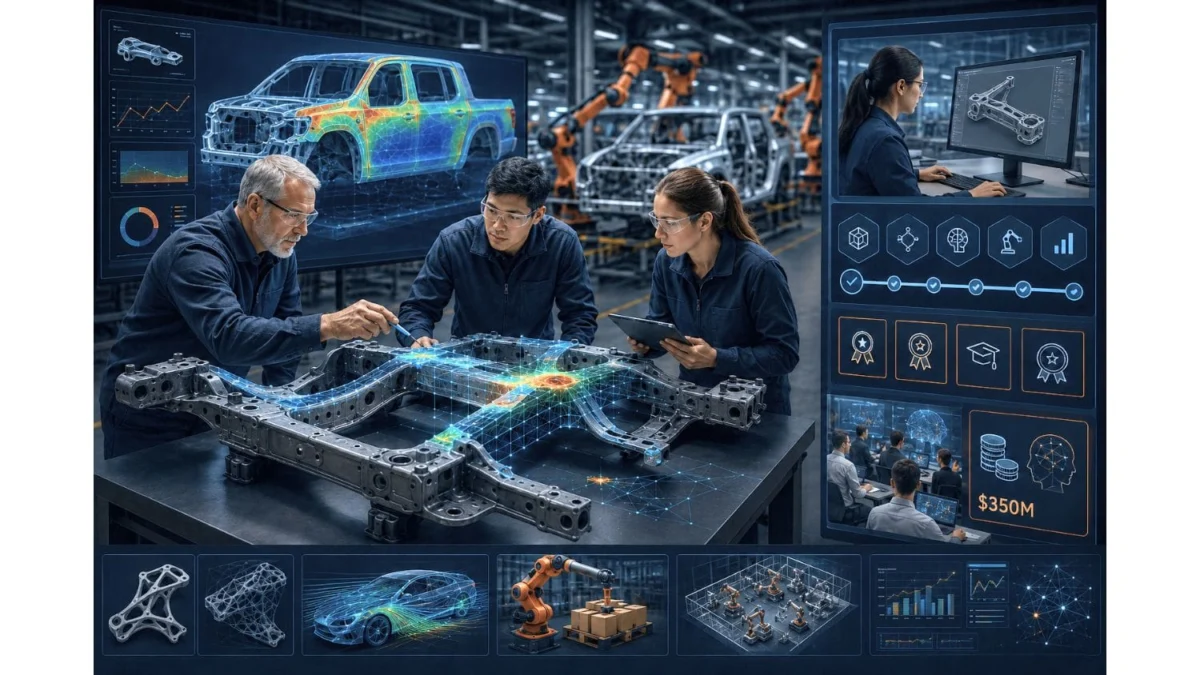
In the rapidly evolving landscape of global manufacturing, the gap between "proficient" and "expert" is often defined by a designer’s mastery of their primary toolset. For decades, PTC’s Creo has stood as the bedrock of high-end product development, utilized by industry titans such as Boeing, Caterpillar, Dell, Polaris, and Rivian. However, simply knowing the software is no longer enough; in an era defined by rapid prototyping and AI-driven simulation, engineers must understand the intent behind the design.
Design Engine, a leader in specialized engineering education, has spent over 30 years bridging the divide between academic theory and the harsh, practical realities of the manufacturing floor. By focusing on deep-level proficiency, they are not just teaching software commands; they are cultivating the next generation of industrial problem-solvers.
The Core Philosophy: Why Creo Remains Industry-Leading
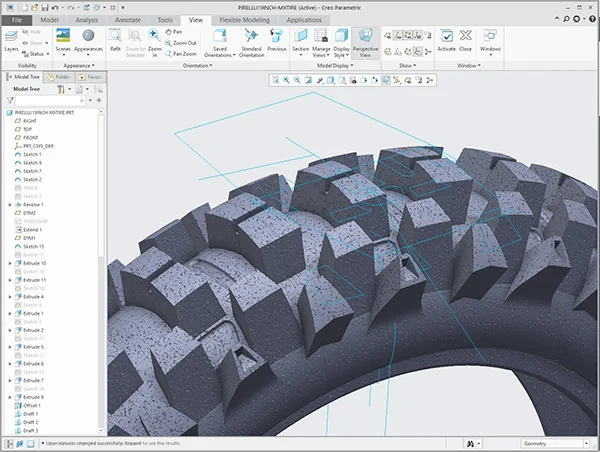
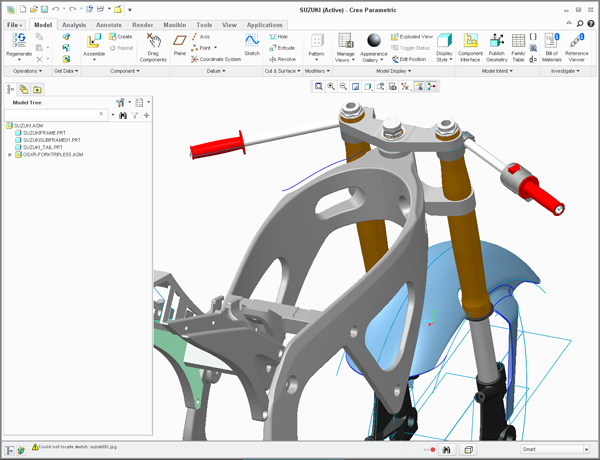
Creo is far more than a 3D modeling platform. It is a comprehensive suite that allows engineers to conceive, simulate, and refine complex geometries under real-world conditions. Whether a team is working on aerospace components or consumer electronics, Creo provides the simulation capabilities necessary to test for structural integrity and thermal stress long before a single physical prototype is manufactured.
For an engineer, mastering Creo is an investment in professional longevity. As global supply chains become more sophisticated, the ability to create, iterate, and share complex designs with agility has become the primary metric for career advancement. Organizations are no longer looking for "CAD operators"; they are looking for "design engineers" who can manipulate assemblies with precision and speed.
Chronology of Excellence: The Evolution of Design Engine’s Methodology
The history of Design Engine is rooted in a fundamental rejection of "textbook-only" training. When the organization was founded over three decades ago, the industry was undergoing a transition from manual drafting to digital design.
- Early Days (The 1990s): Initial training focused on the migration from 2D to 3D workflows. Instructors realized early on that students struggled not with the software interface, but with the application of manufacturing constraints like draft angles and wall thickness in plastic injection molding.
- The Mid-Career Transition (2000s–2010s): As Creo (formerly Pro/ENGINEER) grew in complexity, so did the training requirements. Design Engine shifted toward a project-based learning model, focusing on "real-world" files rather than abstract geometric shapes.
- The Current Era (2020s–Present): Today, the curriculum integrates cutting-edge technology including Augmented Reality (AR), Behavioral Modeling, and Creo Simulate Live. This evolution mirrors the industry’s shift toward "smart" product development.
Supporting Data: The Growth of the CAD Market
The demand for high-level CAD proficiency is backed by robust market data. According to research from MarketsandMarkets, the global 3D CAD software market—valued at approximately USD 8.09 billion in 2019—is on a trajectory to reach USD 13.7 billion by 2024, reflecting a Compound Annual Growth Rate (CAGR) of 11.1%.
This growth is not merely organic; it is being propelled by several key industrial drivers:
- Additive Manufacturing: The rise of 3D printing requires engineers to design for complexity that was previously impossible, a skill that relies heavily on advanced Creo surfacing techniques.
- Artificial Intelligence: AI is changing how we approach design. As one Design Engine instructor aptly noted: "Artificial intelligence alone will not take your job, but an engineer using artificial intelligence will."
- Global Competitiveness: During economic shifts, companies turn to their most skilled staff to innovate their way out of downturns. Proficiency in advanced modeling is a hedge against professional instability.
Expert Insights: The Human Element in Technical Training
What distinguishes Design Engine from other training providers is a "no-manual" approach. The instructors—veterans with 30 years of field experience—do not read from a script. Instead, they lead workshops that simulate the high-pressure environment of a product development team.
The Power of Personalized Mentorship
When a student engages with Design Engine, they aren’t just a number in a lecture hall. Whether through Zoom, Microsoft Teams, or in-person sessions, the feedback is immediate. If an engineer is working on a specific die-casting project, the instructor provides coaching based on the physical properties of the materials involved, ensuring the CAD model is "manufacturable" from day one.
The "Lunch and Learn" Approach
Recognizing that time is the most valuable commodity for a modern engineer, Design Engine has pioneered flexible engagement models. The "Lunch and Learn" program allows organizations to introduce their teams to new functionalities without the friction of a week-long offsite workshop. This incremental learning approach has proven highly effective in maintaining team productivity while upskilling staff.
Implications: Building a Career-Proof Skillset
The implications for professionals who invest in advanced Creo training are clear: increased job security, higher salary potential, and the ability to work in virtually any sector of the manufacturing economy.
Bridging the Gap Between Design and Manufacturing
Too many engineers fall into the trap of designing "perfect" models that are impossible to machine or mold. Design Engine’s curriculum is unique because it forces students to confront the manufacturing reality of their designs. By understanding how a part behaves in a forging press or a CNC machine, the engineer becomes a more valuable partner to the production team.
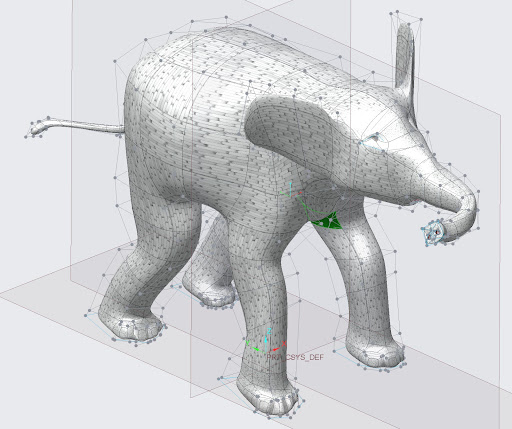
Adapting to the "AI-Enhanced" Workflow
The future of engineering is not just about drawing lines on a screen; it is about leveraging computational power to solve design dilemmas. By utilizing Creo’s Behavioral Modeling and real-time simulation tools, an engineer can essentially perform hundreds of design iterations in the time it used to take to perform one. This is the engineering equivalent of the "ChatGPT effect"—a massive productivity multiplier that separates the mediocre from the elite.
Looking Ahead: The Strategic Advantage
As the industry stares down the possibility of economic headwinds, the most resilient companies are those that prioritize the continuous education of their workforce. Progressive organizations are utilizing current market trends to sharpen their competitive edge.
For the individual engineer, the path forward is straightforward:
- Assess: Identify the gaps in your current workflow—is it surfacing, assembly management, or simulation?
- Engage: Participate in hands-on workshops that mirror your specific industry challenges.
- Apply: Take the knowledge back to your organization, not just as a new skill, but as a methodology for working smarter.
Conclusion: Your Next Step
The opportunity to differentiate yourself is not a distant goal; it is a choice you make in your current project. Whether you are a lone freelancer looking to take on more complex contracts or a manager at a multi-national corporation looking to standardize your team’s output, the tools and expertise provided by Design Engine offer a clear pathway to success.
Don’t let your skills stagnate while the industry moves forward. The future of product development belongs to those who can master the tools of today to build the innovations of tomorrow.
Ready to start? Visit the Design Engine class schedule to browse upcoming courses, or contact their team to discuss a custom training program tailored to your organization’s unique challenges. Unlock your full potential—the next level of your career is waiting to be modeled.