
As the world enters 2026, the global energy sector stands at a historic crossroads. Driven by rapid technological advancements, evolving geopolitical alliances, and urgent climate imperatives, the industry offers a paradoxical job market. For young professionals, engineers, and skilled technicians, deciding whether to pursue a career in energy requires weighing unprecedented economic upside against systemic volatility.

While traditional fossil fuel industries grapple with long-term headwinds, the clean energy transition is unlocking a vast array of high-paying, future-proof roles. This comprehensive report explores the main facts, structural changes, supporting economic data, industry responses, and broad economic implications of forging a career in energy today.
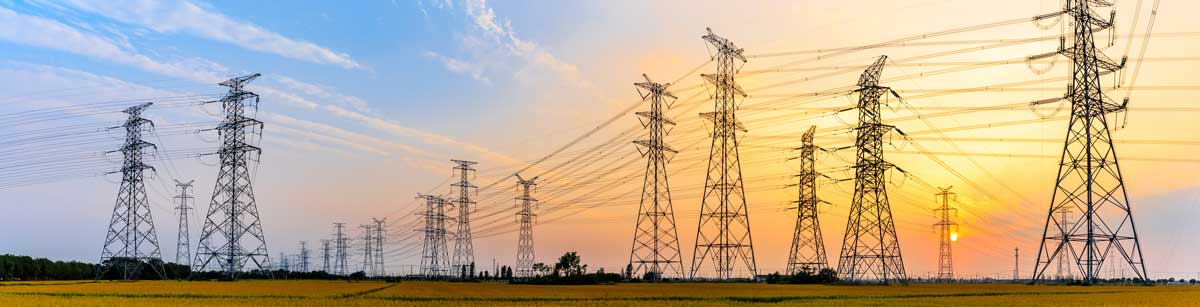
Main Facts: The 2026 Energy Paradigm
The fundamental reality of the modern era is that a society without energy is entirely impossible. Modern infrastructure, digital economies, and day-to-day human life depend entirely on reliable energy networks. However, the architecture of how that energy is sourced, transported, and consumed is undergoing a massive transformation.

- Dual Realities in the Job Market: The ongoing war in Eastern Europe, fractured diplomatic ties between Russia and Western nations, and volatile gas and oil prices have created persistent macroeconomic unpredictability.
- The Clean Energy Surge: Concurrently, intensifying climate pressures have catalyzed a global pivot toward renewable energy sources, grid modernization, and high-efficiency infrastructure.
- STEM Foundation: The energy sector remains a highly technical, specialized field predominantly favoring candidates with strong backgrounds in Science, Technology, Engineering, and Mathematics (STEM). However, pathways exist for trade professionals and non-degree holders through targeted technical training.
Chronology of Change: From Fossil Fuels to Renewables
Understanding the current state of energy careers requires looking at how the industry has evolved over the past decade:

- The Pre-Crisis Era (Early 2010s): The energy job market was heavily dominated by oil and gas exploration, with traditional petroleum engineering driving the highest compensation packages globally.
- The Geopolitical Shock (2022–2024): The conflict in Ukraine shattered European energy dependencies, causing wild spikes in oil and natural gas prices. Governments scrambled for energy security, triggering short-term resurgences in fossil fuel extraction alongside aggressive legislative pushes for green independence (such as the U.S. Inflation Reduction Act and European Green Deal frameworks).
- The Transition Pivot (2025–2026): The market has settled into a hybrid reality. Traditional oil majors continue to post substantial profits while aggressively diversifying capital into offshore wind, solar, green hydrogen, and battery storage. Consequently, career tracks have bifurcated, forcing job seekers to carefully select between legacy hydrocarbons and next-generation clean tech.
Supporting Data: Compensation and Demand
Does the energy industry pay well? The short answer is a resounding yes. According to data from the U.S. Bureau of Labor Statistics (BLS) and international market analyses, compensation across the energy sector significantly outpaces the national median annual wage for all occupations (which sits around $49,500).

High-Earning Potential Across the Spectrum
- Petroleum Engineers: Maintaining a median annual wage of $141,280 (with top earners exceeding $228,790), petroleum engineering remains one of the highest-paying technical careers, despite slower projected job growth (roughly 2% between 2023 and 2033, driven largely by retirements).
- Drilling Supervisors: Averaging a base salary of $110,300 in the U.S. (with total compensation reaching up to $160,500) and commanding up to £78,000 in regional hubs like Aberdeen, UK, these professionals are vital for safe extraction operations.
- Wind Farm Site Managers: Earning a U.S. average base salary of $93,300 (and around £48,600 in the UK), these managers oversee critical wind generation assets.
- Solar Project Managers & Developers: Drawing average salaries around $83,000 to $84,000 in the U.S., these roles bridge engineering, financing, and regulatory compliance to bring large-scale solar farms online.
- Wind Turbine Service Technicians: Representing one of the fastest-growing occupations, these technicians earn a median annual wage of $62,580, with top earners making over $88,090.
Official Responses and Industry Stakeholder Strategies
Major global energy players—including traditional giants like Shell, BP, ExxonMobil, and E.ON, alongside utility providers like National Grid—are actively restructuring their workforces to mitigate supply chain vulnerabilities and meet net-zero targets.

Industry leaders emphasize that their corporate pipelines are no longer exclusively searching for petroleum geologists or chemical engineers. Instead, corporate recruitment strategies highlight a multi-disciplinary approach:

- Grid Integration Specialists: Power grid operators are heavily recruiting electrical engineers capable of integrating intermittent renewable sources (solar and wind) into legacy electrical grids without compromising stability.
- Cross-Industry Mobility: Many energy conglomerates are intentionally hiring professionals out of traditional mining and oil sectors and retraining them for geothermal, hydro-energy, and offshore wind operations. This "just transition" for workers helps stabilize employment during commodity down-cycles.
Implications for Young Professionals and Job Seekers
For students and career-switchers eyeing the 2026 job market, entering the energy sector offers immense long-term potential, provided they align their skills with market trajectories.

Key Takeaways for Career Planning:
- Prioritize Adaptability and STEM Skills: Whether pursuing civil engineering, computer science (for solar software development), or chemistry (for battery storage and biofuels), a strong technical foundation is paramount.
- Consider Non-Degree Trade Pathways: Not all high-paying energy jobs require post-graduate degrees. Roles such as Solar PV Installers, Wind Turbine Technicians, and Environmental Engineering Technicians offer lucrative career paths with hands-on vocational training and certifications.
- Weigh Stability vs. Purpose: While traditional fossil fuel roles often offer immediate, high-ceiling compensation, renewable energy sectors offer surging job security, technological innovation, and the personal satisfaction of driving global sustainability.
As energy demands continue to expand alongside technological leaps in artificial intelligence, electric vehicles, and smart grids, the energy sector remains one of the most dynamic, financially rewarding, and socially impactful career paths available today.