In the modern logistics and transportation landscape, the definition of a "fleet asset" has evolved. It is no longer merely the vehicle sitting in the depot or the cargo being transported across the country; it is the synthesis of the vehicle, the route, and the human being behind the wheel. As businesses grapple with rising fuel costs, tightening regulatory requirements, and the constant pressure to optimize last-mile delivery, the industry has undergone a paradigm shift: the move from passive vehicle tracking to active driver identification and behavioral telematics.
This evolution represents a move toward radical transparency. For decades, fleet management was a game of educated guesswork—a blend of paper logs, occasional check-in calls, and retrospective audits. Today, that uncertainty is being replaced by granular, real-time data that links specific vehicle performance to individual driver behavior.
The Core Transformation: Moving Beyond Geolocation
For years, GPS-based fleet management focused exclusively on the "where." Managers wanted to know if a truck was at the warehouse or on the highway. However, as business operations scale, knowing the location of a vehicle is no longer sufficient. Operators are now asking deeper questions: Who is driving this vehicle right now? How are they treating the engine? Why is this specific route taking 20% longer than the average?
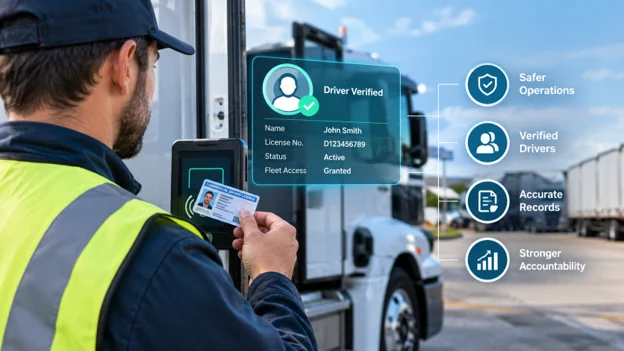
This shift has placed driver identification—often implemented via RFID fobs, smart cards, or biometric integration—at the very heart of modern fleet management. By tethering a specific driver to a vehicle at every ignition turn, companies are effectively creating a "digital footprint" for every trip. This link serves as the bridge between raw machine data and actionable human-centric operational intelligence.
Chronology of a Paradigm Shift: From Paper Logs to Real-Time Telematics
The trajectory of fleet management has moved through three distinct eras, each increasing in complexity and value:
- The Manual Era (Pre-2000s): Relying on physical paperwork, handwritten driver logs, and verbal reporting. Visibility was nonexistent in real-time, and accountability was often retrospective and prone to human error or falsification.
- The Geolocation Era (2000s–2015): The introduction of standard GPS tracking. Managers could view "dots on a map." While this solved basic theft concerns and arrival time estimations, it lacked context. If a vehicle was idling for an hour, the manager knew it was happening but not who was responsible or why.
- The Integrated Telematics Era (2015–Present): The current landscape. By integrating Engine Control Unit (ECU) data with driver identification, companies now capture a holistic view. Telematics systems today record everything from sudden braking and cornering G-forces to fuel consumption rates and unauthorized engine starts.
Supporting Data: The High Cost of the "Unknown"
The business case for integrating driver identity into telematics is supported by compelling operational data. According to industry benchmarks, companies that fail to monitor driver behavior often face:
- Elevated Maintenance Costs: Unnecessary wear and tear caused by harsh acceleration and braking can increase vehicle maintenance costs by up to 15–20% annually.
- Fuel Inefficiency: Aggressive driving patterns can account for a 10% to 30% difference in fuel consumption on the same vehicle, even when carrying identical loads.
- Unauthorized Use: Without driver-linkage technology, "shadow" use of company assets—using vehicles for personal errands or side-hustles during off-hours—remains one of the most significant, yet hidden, leaks in operational budgets.
By correlating these trends to specific driver profiles, managers can transition from a "one-size-fits-all" training approach to highly personalized coaching sessions, addressing specific habits that negatively impact the bottom line.
Enhancing Safety Through Objective Accountability
Perhaps the most significant benefit of modern telematics is the fostering of a "safety-first" culture. In the past, discussions about driving habits were often contentious, pitting a manager’s suspicion against a driver’s denial.
Modern systems change the nature of the conversation. When a system flags repeated instances of hard braking or speeding, the discussion is no longer based on subjective opinion—it is based on objective, immutable data. This allows managers to identify "at-risk" drivers long before a collision occurs.
Proactive vs. Reactive Safety
- Reactive: Analyzing data after an accident to determine fault.
- Proactive: Setting parameters for safe driving—such as maximum speed limits or idling thresholds—and receiving real-time alerts. If a driver consistently triggers these alerts, the company can intervene with additional safety training or, in extreme cases, reassignment.
This data-driven approach protects not only the business assets but the drivers themselves. By identifying fatigue-related driving patterns or dangerous habits, companies can protect their staff, lower insurance premiums, and reduce the catastrophic costs associated with fleet accidents.
The Role of Transparency in Dispute Resolution
Operational disputes are a hallmark of the logistics industry. A customer claims a delivery never arrived, or a resident complains about a company vehicle parked on their street in the middle of the night. In the absence of driver-linked data, these situations are "he-said-she-said" scenarios that drain management time.
With telematics, the "context" is always available. Managers can pull up the trip history, identify who was assigned to the vehicle, and provide concrete evidence to resolve claims. However, this level of oversight requires a strict policy framework. Transparency is the bedrock of a successful telematics deployment. Employees must be clearly informed of what data is collected, how it is stored, and, crucially, that it is used to improve safety and efficiency rather than as a tool for punitive micromanagement.
Eliminating Unauthorized Use and Operational Waste
Unauthorized vehicle use is not just a policy violation; it is a significant liability issue. When an unauthorized individual operates a company vehicle, the firm assumes the risk for potential accidents, fuel theft, and excessive vehicle depreciation.
Driver identification systems act as a digital gatekeeper. If a vehicle is started by a user who has not scanned their ID or entered their credentials, the system can trigger an alert to the fleet manager or, in some cases, immobilize the vehicle. This immediate feedback loop effectively eliminates the "gray area" of vehicle usage, ensuring that company assets are used strictly for company business.
Implications: The Future of the "Connected Driver"
As we look toward the future, the integration of telematics will only deepen. We are entering an era of AI-driven analytics, where telematics systems will suggest optimal routes, predict maintenance needs based on individual driving styles, and even automate administrative compliance logs.
The Human-Technology Balance
While the technology provides the "what" and the "how," the "why" remains human. The most successful fleets are not those that simply install the most expensive hardware, but those that use the data to build trust. When employees understand that telematics data is being used to reward safe driving, reduce their administrative workload, and keep them safe on the road, the culture of the company transforms.
Conclusion: A New Standard of Professionalism
The adoption of driver identification and telematics is not just an IT upgrade; it is a fundamental maturation of the transportation industry. By replacing ambiguity with clarity, businesses are able to achieve higher levels of accountability, safety, and efficiency.
As fleet management continues to evolve, the ability to link vehicle performance to the individual driver will remain the gold standard. For businesses looking to scale in an increasingly competitive global trade environment, this digital visibility is no longer an optional luxury—it is the baseline requirement for operational excellence. Through the marriage of technology and professional oversight, the modern fleet manager is finally equipped to move beyond the dashboard and into the driver’s seat, ensuring that every journey is safer, more efficient, and fully transparent.