Main Facts
The global realization that COVID-19 is primarily an airborne pathogen has fundamentally shifted the responsibilities of heating, ventilation, and air conditioning (HVAC) professionals. Once viewed strictly through the lens of thermal comfort and energy efficiency, building automation systems (BAS) and HVAC engineering have taken center stage in public health defense. As organizations navigate the complexities of reopening and maintaining safe indoor spaces, building managers are leaning heavily on advanced air filtration, increased ventilation rates, and targeted air-purification technologies to minimize viral transmission.
At the forefront of this operational evolution is Building Automation Systems (BAS), which has actively collaborated with facility managers to audit, upgrade, and optimize indoor environments. Operating in strict alignment with guidance from the Centers for Disease Control and Prevention (CDC) and the American Society of Heating, Refrigerating and Air-Conditioning Engineers (ASHRAE), industry experts are deploying multi-layered defenses. These interventions—ranging from high-efficiency particulate air (HEPA) filtration upgrades to ultraviolet germicidal irradiation (UVGI)—are designed to intercept aerosolized viral particles before they can circulate through shared indoor spaces.
The core mission for building operators today is risk mitigation. While no single intervention can eliminate the risk of infection in a shared indoor environment, optimizing HVAC performance creates an incrementally safer baseline. By increasing outdoor air exchange, upgrading filter minimum efficiency reporting values (MERV ratings), and ensuring continuous system monitoring, building systems are transforming from potential vectors of disease transmission into active shields for public health.
Chronology of an Industry Shift: How HVAC Became the Front Line of Defense
Early 2020: The Initial Uncertainty and Emergency Responses
When the COVID-19 outbreak escalated into a global pandemic in early 2020, the immediate public health response focused heavily on surface sanitation, hand hygiene, and social distancing. Early messaging from global health authorities often underestimated the airborne transmission route of the novel coronavirus. Consequently, standard operational protocols for commercial buildings largely involved standard cleaning routines and minimal adjustments to existing HVAC schedules.
Mid-2020: The Paradigm Shift to Airborne Transmission
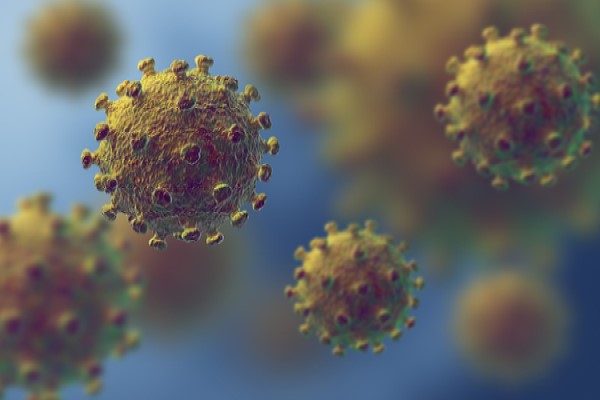
As epidemiological data accumulated by mid-2020, scientific consensus crystallized around the reality that SARS-CoV-2 spreads primarily through aerosols—tiny respiratory droplets that can linger suspended in the air for hours, particularly in poorly ventilated indoor spaces.
This revelation sent shockwaves through the commercial real estate and facilities management sectors. ASHRAE swiftly formed an Epidemic Task Force to provide actionable engineering guidance. Facility managers faced a barrage of new questions: How do commercial ventilation systems handle viral loads? Can central air distribution systems spread the virus between different zones in a building? The industry was forced to pivot rapidly from energy-conservation mindsets—which often favored minimizing outdoor air intake to save utility costs—to a health-first paradigm prioritizing maximum air dilution and filtration.
Late 2020 to 2021: Deployment of Interim and Long-Term Engineering Controls
Throughout late 2020 and into 2021, building automation and HVAC contractors became essential partners in pandemic response. Facilities that remained operational—such as healthcare facilities, essential offices, educational institutions, and government buildings—rushed to implement engineering controls.
During this period, standard operating procedures shifted to include:
- Extended System Run Times: Operating HVAC systems at maximum outside airflow for two hours before and after occupied periods to flush out residual air.
- Filter Upgrades: Upgrading standard filtration media to MERV-13 or higher, wherever existing air handler units (AHUs) could accommodate the increased static pressure drop.
- Introduction of Supplemental Technologies: Rapid adoption of portable HEPA filtration units and upper-room UVGI systems in high-density or hard-to-ventilate zones.
2022 and Beyond: Institutionalization of Smart Indoor Air Quality (IAQ)
Moving beyond the acute emergency phase, the focus within the HVAC sector shifted toward permanent infrastructure modernization. Indoor Air Quality (IAQ) ceased to be a secondary metric and became a core component of sustainable building management. Building automation providers integrated real-time carbon dioxide ($CO_2$) sensors, automated air-exchange tracking, and smart diagnostics into their core offerings. Today, the lessons learned from the pandemic continue to govern how building environments are designed, monitored, and maintained for long-term health resilience.
Supporting Data and Technical Frameworks
Understanding the technical mechanisms behind airborne disease transmission highlights why HVAC interventions are so critical. Aerosols carrying viral particles range in size from sub-micron levels to tens of microns. While larger droplets fall quickly to the floor within a short radius, smaller aerosol droplets can remain airborne and travel significant distances on air currents.
The Role of Air Changes Per Hour (ACH)
A fundamental metric in infection control is Air Changes Per Hour (ACH), which measures how many times the total volume of air in a room is completely replaced or filtered within one hour.
- Standard Office Spaces: Typically designed for 2 to 4 ACH under normal comfort conditions.
- Healthcare Isolation Rooms: Engineered for 12 or more ACH to rapidly dilute and remove contaminants.
- Pandemic Recommendations: ASHRAE and public health agencies recommended maximizing outdoor air delivery and increasing effective ACH wherever feasible through a combination of mechanical ventilation and portable air cleaners.
Filtration Efficiency: Decoding MERV Ratings
The Minimum Efficiency Reporting Value (MERV) scale rates the ability of air filters to capture particles ranging from 0.3 to 10 microns in size.
- MERV 1 to 4: Captures large debris like dust and pollen; largely ineffective against sub-micron viral aerosols.
- MERV 8: Standard commercial baseline pre-pandemic, but captures only a fraction of smaller respiratory droplets.
- MERV 13 to 16: Highly recommended for epidemic mitigation. MERV 13 filters typically capture 50% to 8% of particles in the 0.3 to 1.0 micron range, effectively trapping the vast majority of virus-laden droplet nuclei.
- HEPA Filters: Achieve a minimum efficiency of 99.97% for particles down to 0.3 microns, representing the gold standard in mechanical air cleaning.
Emerging Technologies: UVGI and Bipolar Ionization
Beyond mechanical filtration, building automation systems have integrated specialized air treatment technologies:
- Ultraviolet Germicidal Irradiation (UVGI): Utilizing UV-C light sources inside air ducts or upper-room configurations to disrupt the DNA/RNA of pathogens, neutralizing their ability to replicate. Studies show that properly engineered UVGI systems can achieve inactivation rates equivalent to significant increases in outdoor air exchange.
- Bipolar Ionization: Releasing positive and negative ions into the airstream to agglomerate fine particles, making them easier for filters to catch, while neutralizing certain pathogens. (Note: Engineering standards emphasize the careful selection of ionization equipment to ensure no harmful ozone is generated as a byproduct).
Official Responses and Industry Guidelines
The collaboration between federal health authorities and engineering societies established a clear roadmap for building operators navigating the health crisis.
ASHRAE Epidemic Task Force Recommendations
The ASHRAE Epidemic Task Force emerged as the definitive technical voice for building engineering during the pandemic. Their core recommendations centered on a hierarchy of controls:
- Elimination and Substitution: Where possible, shift activities outdoors or move to virtual formats.
- Engineering Controls: Optimize central HVAC systems by increasing outdoor air supply, disabling demand-controlled ventilation (DCV) that reduces outside air during low occupancy, upgrading filters to MERV-13 or higher, and maintaining system cleanliness.
- Administrative Controls: Implement physical distancing, staggered occupancy schedules, and clear signage.
- Personal Protective Equipment (PPE): Utilize masks and respiratory protection as a final line of defense.
CDC Guidance for Commercial Buildings
The CDC reinforced engineering controls as a vital pillar of layered prevention strategies. Key directives included:
- Ensuring that ventilation systems operate properly and provide acceptable indoor air quality for the current occupancy level.
- Increasing the introduction of outdoor air through mechanical systems, opening outdoor air dampers to maximum position, and utilizing natural ventilation (opening windows and doors) where weather and safety permit.
- Ensuring exhaust bathrooms and kitchens operate at maximum capacity during occupied hours.
- Consulting with experienced HVAC professionals—such as certified Building Automation Systems (BAS) providers—before making major alterations to system balancing, pressure relationships, or thermal control loops.
Implications for the Future of Smart Buildings and Facility Management
The profound intersection of public health and building engineering has permanently altered the commercial real estate landscape. The implications of this shift extend across economic, technological, and operational domains.
1. Increased Asset Value Through Superior IAQ
Historically, commercial real estate leasing was driven by location, aesthetic design, rental rates, and energy efficiency ratings (such as LEED certifications). Today, Indoor Air Quality has emerged as a premier selling point. Prospective tenants—from corporate office renters to educational institutions and retail establishments—actively inquire about building ventilation rates, filtration standards, and real-time air monitoring capabilities. Buildings equipped with advanced Building Automation Systems that can transparently demonstrate superior IAQ command higher occupancy rates and asset valuations.
2. The Balancing Act: Energy Efficiency vs. Health
A central challenge facing HVAC professionals is reconciling enhanced air exchange rates with ambitious corporate and municipal carbon-reduction goals. Pumping massive volumes of raw outdoor air into a building—and conditioning that air for temperature and humidity—consumes substantial energy, driving up utility costs and carbon footprints.
To resolve this tension, the industry is accelerating the adoption of smart BAS technologies. Modern automation platforms utilize intelligent sensors, occupancy-based variable ventilation, and energy-recovery ventilators (ERVs) to capture thermal energy from exhaust air before it leaves the building. This delicate balance ensures that occupant health is never compromised for the sake of energy savings, while still maintaining environmental stewardship.
3. Proactive Facility Management and System Integration
Reactive maintenance—fixing equipment only after it breaks down—is no longer viable in high-stakes building environments. The operational shift demands continuous commissioning and proactive health monitoring of HVAC infrastructure. Building automation providers are increasingly deploying predictive analytics, machine learning algorithms, and remote diagnostic tools to monitor filter pressure drops, airflow velocities, and damper positions in real-time.
Taking Action: Partnering with Professionals
As building systems grow more sophisticated, facility managers and building owners do not have to navigate these complexities alone. Implementing nuanced changes—whether upgrading filtration media, recalibrating economizers, or integrating advanced air purification technologies—requires specialized engineering expertise.
Building Automation Systems (BAS) continues to stand ready to assist facility teams in auditing, upgrading, and optimizing their building environments. Ensuring that commercial and institutional spaces remain safe, compliant, and energy-efficient requires a collaborative partnership between building stakeholders and HVAC specialists.
For property managers and engineering teams seeking guidance on tailoring these comprehensive safety measures to their specific facility infrastructure, professional consultation is encouraged. Reach out to qualified automation and HVAC experts to evaluate your systems today, because safeguarding indoor environments is an ongoing commitment to community health, safety, and operational excellence.