By [Author Name]
Special Technology Correspondent
Main Facts: Guiding the Pulse of Modern Engineering
In the fast-paced world of technology, where silicon architectures shrink and software stacks grow increasingly complex, the role of technical media is more critical than ever. At the helm of Electronic Design’s editorial operations stands a seasoned veteran who bridges the often-wide gap between theoretical computer science and pragmatic hardware engineering. Serving as the Editor of Electronic Design with a primary focus on embedded systems, software, and overarching architectures, this leader also directs content strategy for Microwaves & RF as Senior Content Director.
Managing a dynamic team of industry-specialized editors, the publication delivers a steady stream of authoritative articles, whitepapers, video series, and newsletters to a global audience of engineers, software programmers, system developers, and technical managers.
Key Responsibilities and Professional Scope
- Editorial Direction: Overseeing core coverage areas including embedded hardware, firmware, system-level design, and high-frequency RF applications.
- Content Formats: Directing multi-channel delivery systems, ranging from deep-dive technical articles and contributed expert columns to video series such as Kit Close-Up and TechXchange Talk.
- Industry Outreach: Serving as the primary gatekeeper for product press releases, contributed technical articles, and guest engineering columns.
- Hands-on Innovation: Maintaining active programming and hardware development skills, contributing to open-source Drupal modules, and exploring emerging paradigms like Rust and Ada/SPARK.
This comprehensive approach ensures that Electronic Design remains a cornerstone resource for the professional engineering community, translating complex semiconductor updates and software paradigms into actionable knowledge.
Chronology: A Journey from Silicon to Software and Editorial Leadership
The path from engineering classrooms to leading one of the world’s premier electronic engineering publications is defined by continuous technical evolution. Understanding the trajectory of this editorial leadership offers valuable insight into the mindset driving modern technical journalism.
Academic Foundations and Early Engineering
- Late 20th Century: The journey began with a rigorous academic foundation in hardware design, culminating in a Bachelor of Electrical Engineering (BEE) from the prestigious Georgia Institute of Technology. This established a deep-seated comprehension of analog and digital circuit theory, semiconductor physics, and hardware-software co-design.
- Post-Graduate Specialization: Recognizing the inevitable convergence of hardware and software, advanced studies followed at Rutgers University, where a Master of Science in Computer Science was earned. This bridged the traditional electrical engineering perspective with advanced data structures, algorithmic efficiency, and operating system design.
Transition into Technical Media and Leadership
- Entering the Field of Technical Communication: Armed with dual expertise in hardware and software, the transition into technical publishing was natural. Translating high-level engineering concepts into readable, educational content allowed for a broader impact across the electronics sector.
- Expanding Editorial Horizons: Over the years, responsibilities scaled from writing targeted articles on microcontrollers and embedded C to managing end-to-end editorial pipelines.
- Dual-Media Directorship: Taking on the mantle of Senior Content Director for Microwaves & RF expanded the operational scope into high-frequency design, wireless communications, and defense electronics. Concurrently, the flagship blog AltEmbedded was launched on Electronic Design, providing an independent platform to dissect niche trends in alternative embedded architectures, safety-critical systems, and unusual programming languages.
Supporting Data: The Metrics of Modern Technical Outreach
To understand the reach and impact of the editorial ecosystem managed by Electronic Design and Microwaves & RF, one must examine the platforms, media formats, and engagement channels utilized to reach the engineering community.
Content Distribution Channels
- Free Subscriptions and Newsletters: Tailored digital dispatches deliver curated content directly to working engineers, keeping subscribers abreast of the latest semiconductor releases, EDA tools, and software frameworks.
- Contributed Articles Pipeline: A standardized submission process encourages industry professionals, academics, and corporate R&D teams to share real-world case studies. Contributors utilize structured templates and signed release forms to maintain journalistic integrity and legal compliance.
- Multimedia and Video Journalism:
- Kit Close-Up: A specialized video series offering hands-on teardowns, development board evaluations, and practical code implementations.
- TechXchange Talk: Deep-dive panel discussions and interviews focusing on trending topics such as artificial intelligence at the edge, automotive electronics, and industrial automation.
Technical Competency Matrix
Unlike traditional editors who rely solely on administrative oversight, the editorial leadership actively maintains a hands-on coding and hardware prototyping profile.
| Skill / Domain | Technologies & Frameworks Utilized | Application in Editorial Work |
|---|---|---|
| Low-Level Languages | C, C++ | Legacy embedded systems, real-time operating systems (RTOS), microcontroller firmware evaluation. |
| Memory-Safe Languages | Rust | Assessing the transition away from unsafe C/C++ in modern automotive, aerospace, and IoT devices. |
| High-Reliability Languages | Ada / SPARK | Evaluating safety-critical systems, defense applications, and formal verification methodologies. |
| Web Infrastructure | PHP, Drupal | Maintaining backend architectures, contributing custom modules, and understanding digital publishing frameworks. |
| Hardware Prototyping | Development Kits, MCUs, FPGAs | Direct testing during Kit Close-Up productions and validation of vendor claims. |
Official Responses & Industry Engagement Guidelines
For public relations professionals, corporate communication teams, and independent engineers looking to engage with Electronic Design, understanding the proper submission protocols is essential. The editorial team maintains clear, rigorous standards for content ingestion to ensure that published material adds genuine value to its readership.
Guidelines for Press Releases
- Focus: Submissions must center around tangible new products, significant software updates, major corporate developments, or breakthrough engineering achievements relevant to embedded systems, electronics manufacturing, or IoT.
- Submission Route: Press releases should be directed via the official contact channels provided on the Electronic Design portal for editorial review and potential inclusion in product roundups or news briefs.
Guidelines for Contributed Articles
- Originality and Quality: Technical articles must offer objective, educational, and practical insights rather than overt marketing copy. Topics should align with the core interests of embedded developers, software engineers, and engineering managers.
- Process: Authors must utilize the official Electronic Design article contribution templates. Submissions must be accompanied by a signed release form to verify originality and grant publishing rights. Completed packages are reviewed directly by the editorial team for technical accuracy and relevance.
Implications: The Future of Embedded Systems and Technical Media
The convergence of hardware and software, coupled with the rapid expansion of artificial intelligence and edge computing, presents profound implications for the engineering community and the media outlets that serve them.
1. The Shift Toward Memory Safety and Advanced Languages
For decades, C and C++ have reigned supreme in the embedded domain. However, vulnerabilities related to memory management have pushed industries toward safer alternatives. The editorial focus on languages like Rust and Ada/SPARK highlights a broader industry transformation: safety and security are no longer afterthoughts; they are baked into the compiler and architectural specifications from day one. By actively engaging with these languages, technical media helps demystify migration paths for conservative engineering sectors.
2. The Rise of Edge AI and Robotics
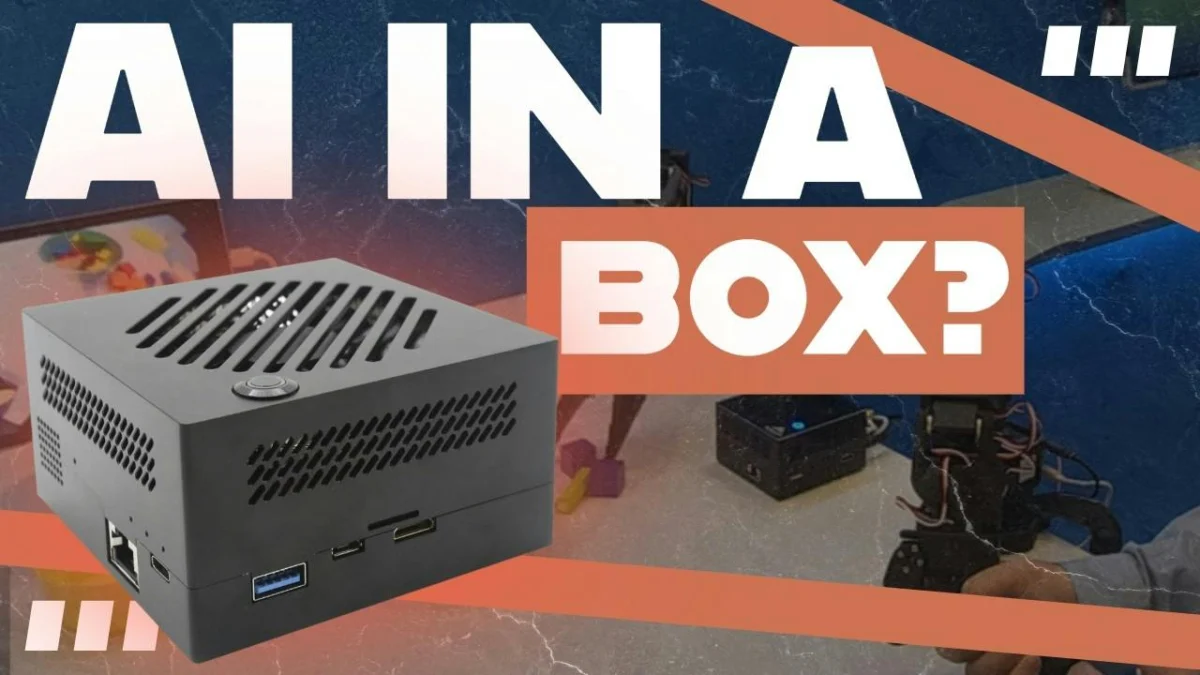
As computational power increases at the microchip level, developers are increasingly tasked with implementing machine learning models on resource-constrained devices. Projects spanning robotics and artificial intelligence—frequently highlighted in Electronic Design video series like TechXchange Talk—demonstrate that the boundary between cloud computing and edge execution is blurring. Editors must possess the multidisciplinary background required to evaluate these complex, heterogeneous systems accurately.
3. The Enduring Value of Hands-On Journalism
In an era dominated by aggregated content and automated summaries, authentic, hands-on technical journalism stands out. When editors physically unbox development kits, test code on custom silicon, and debug hardware glitches on camera via series like Kit Close-Up, they build an unbreakable trust with their audience. This rigorous, peer-level engagement ensures that Electronic Design remains an indispensable compass for the engineers building the technological infrastructure of tomorrow.