The 2026 job market has arrived with the unpredictable force of a high-stakes roller coaster. As of March, the economy added 178,000 jobs, yet the unemployment rate stands at a precarious 4.3% with analysts signaling a potential upward trend. In this climate of volatility, “chaos” has become the new industry baseline. Whether you are currently bracing for potential layoffs, seeking to future-proof your career, or scouting for a strategic job switch, one immutable truth remains: the era of passive employment is over.
“Engineers who keep learning don’t just survive disruption; they thrive by becoming architects of the new landscape,” says Bart Brejcha, a veteran design instructor and industry consultant. “They turn volatility into opportunity and, in doing so, make themselves essentially irreplaceable.”
The State of the Market: Volatility as the New Normal
The current labor statistics paint a picture of a sector in transition. While the addition of 178,000 jobs suggests resilience, the creeping unemployment rate indicates that the manufacturing and engineering sectors are undergoing a structural shift. Companies are no longer looking for "generalist" engineers who can perform basic tasks; they are looking for "force multipliers"—individuals who can bridge the gap between abstract design and physical, profitable manufacturing.
For mechanical engineers, the fear of displacement is real. Automation, AI-driven generative design, and globalized labor markets have forced a "survival of the most skilled" mentality. However, the data consistently shows that while low-skill roles are being liquidated, the demand for highly specialized technical expertise—particularly in advanced CAD, surfacing, and systems integration—remains at an all-time high.
A Chronology of Mastery: The "Compounding Knowledge" Principle
The journey to career security is rarely a straight line; it is a cumulative process of intentional skill acquisition. Looking back at the early career of Bart Brejcha—who cut his teeth at engineering powerhouses like NCR and Motorola—one sees a pattern that remains relevant decades later.
The 1990s: Building the Foundation
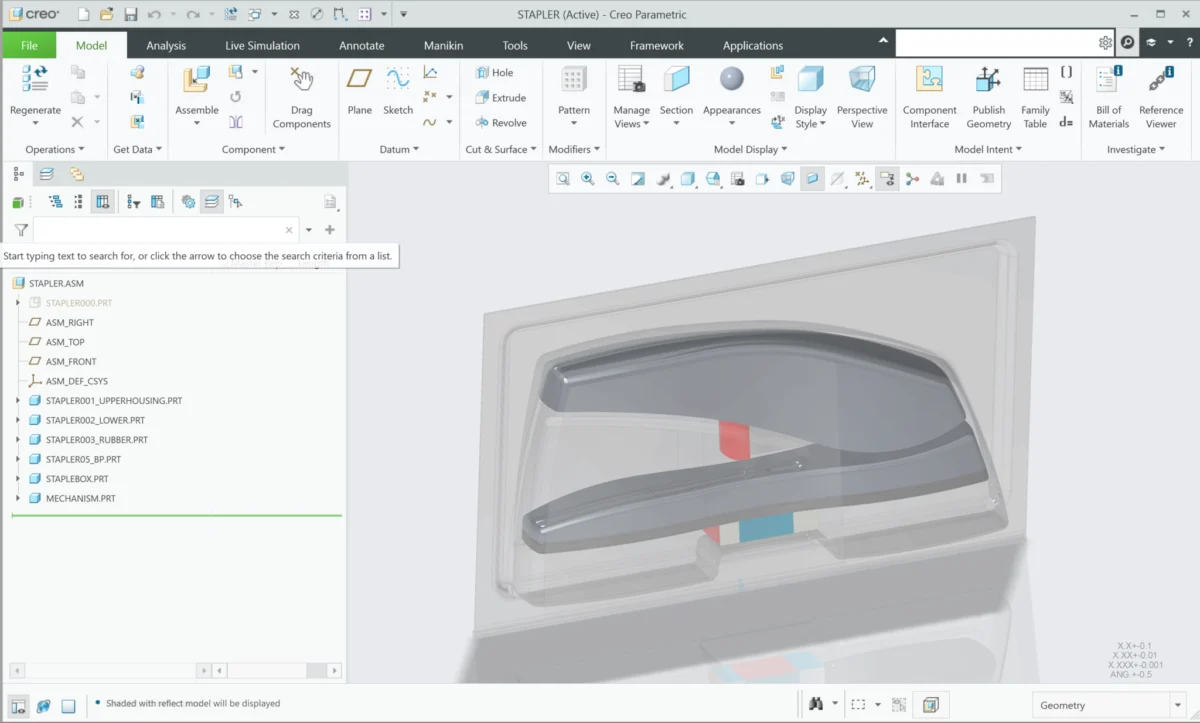
In the early 90s, the "cutting edge" was defined by FTP protocols, Unix environments, and early CAD surfacing tools. At the time, these skills seemed niche, perhaps even unnecessary to many of his peers. Yet, by mastering Pro/ENGINEER’s complex surfacing tools, Brejcha wasn’t just learning software; he was learning the geometry of the future.
The 2000s: Expanding the Horizon
By 1997, the shift toward teaching and consulting began, but the technical growth did not stop. In 2007, the focus expanded into Routed Systems Designer (now Creo Schematics). This wasn’t a lateral move; it was a vertical one, moving from simple part design to the complex, high-value world of cable harness design.
The 2010s to Present: The Integration Era
The focus shifted toward manufacturing processes—die casting, forging, and plastic part design—applied across both SolidWorks and PTC Creo. Today, that journey continues into the realm of subtractive manufacturing with Tormach CNC machinery.
The takeaway for the modern engineer is clear: none of these investments felt urgent at the time, but all of them mattered enormously in hindsight. This is the "Compounding Knowledge Principle." Skills are not merely items on a resume; they are interest-bearing assets that grow in value the longer they are held and the deeper they are applied.
Why CAD Skills Remain the Ultimate Differentiator
In an age where AI can generate basic geometry, why does manual CAD mastery still matter? The answer lies in the nuance of "downstream impact."
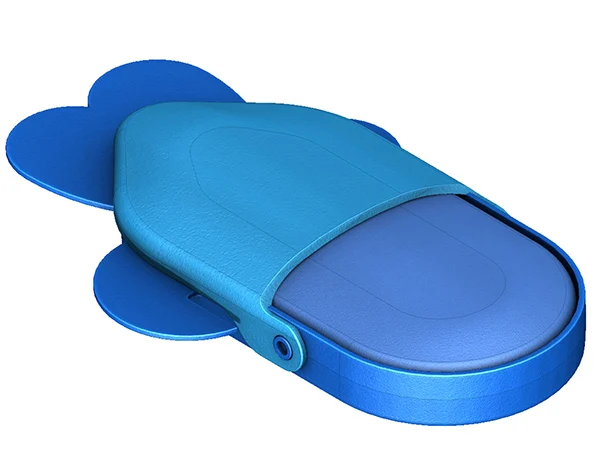
Most engineers view CAD as a digital drawing board. Elite engineers, however, view CAD as a digital simulation of the factory floor. If you understand how a surface will behave in a mold, how a plastic part will warp under thermal stress, or how a cable harness will fit into a constrained chassis, you are no longer just a designer—you are a manufacturing consultant.
Areas of Strategic Focus for 2026
If you are looking to audit your own skill set, prioritize these domains:
- Advanced Surfacing: Moving beyond basic extrudes to complex, high-end Class-A surfacing.
- Systems Integration: Mastering schematic-to-3D workflows (e.g., Creo Schematics).
- Manufacturing Literacy: Deep dives into DFM (Design for Manufacturing) specifically for injection molding and die casting.
- Brainstorming Facilitation: The art of leading technical teams through ideation is a rare, high-leverage "soft" skill that directly impacts project outcomes.
Strategies for Becoming Indispensable
Technical prowess is the entry fee, but "indispensability" is a behavioral strategy. To thrive in the 2026 climate, engineers must adopt a multifaceted approach to their professional identity.
1. Become a Knowledge Hub
Do not try to be the "jack of all trades" who is a master of none. Instead, lean into your strengths until you are the person the department head calls when a project hits a dead end. Whether it is a specific CAD domain, simulation, or harness design, deep subject matter expertise creates a "moat" around your career that is difficult for competitors—or automation—to cross.
2. Build Relationship Capital
Design engineering is a team sport. Your impact is measured by how effectively you bridge the communication gap between industrial design, manufacturing, and executive management. The engineer who can translate technical constraints into business language is the person who gets invited to the strategy meetings—and remains employed when the budget is cut.
3. The "Three-Steps-Ahead" Mindset
Don’t wait for a change order or a manufacturing failure to point out a flaw. The most valuable engineers are those who spot potential issues three steps before they manifest. By anticipating needs and solving problems before they reach the manager’s desk, you transform from a cost center into a value creator.
4. Foster a Culture of Mentorship
The fastest way to master a complex concept is to teach it. By running lunch-and-learns or mentoring junior engineers, you not only solidify your own knowledge but also build a network of advocates. In a volatile market, your reputation as a teacher and a leader is often the factor that keeps you in the building during a transition period.
5. Emotional Intelligence and Reliability
Reliability is an underrated technical skill. Being consistent, easy to work with, and emotionally regulated makes you a "low-friction" employee. When managers are forced to choose between a brilliant jerk and a reliable, collaborative engineer, they choose the latter every single time.
The Bottom Line: Why Training is an Investment, Not a Cost
Many engineers ask: Is a formal design engineering course worth the investment in 2026?
The answer is an emphatic yes—not because of the certificate, but because of the acceleration of your learning curve. In a fast-moving market, trial-and-error is the most expensive way to learn. Professional training provides the "shortcuts" that allow you to bypass years of stumbling. It provides the industry standard, the "best practices," and the peer-to-peer connection that cannot be replicated by watching free online tutorials.
The market will continue to fluctuate. We will see periods of growth followed by corrections, and we will see technology render old methods obsolete. However, the engineers who treat their own education as an ongoing, relentless investment will be the ones riding that roller coaster from the front car.
They will not be the ones waiting for the next layoff notice; they will be the ones creating the next wave of innovation. Whether you are using Creo, SolidWorks, or the next generation of design tools, the principle remains the same: Stay curious, stay prepared, and above all, stay ahead.
Bart Brejcha is a lead instructor and consultant at Design Engine, specializing in advanced surfacing and design engineering workflows. For those looking to bridge their current skills gap, the path is clear: start learning, and do it now.