Economic uncertainty is no longer a sporadic anomaly; it has become a recurring feature of the global business landscape. As inflation fears mount, supply chains grapple with geopolitical friction, and stock markets mirror the anxieties of nervous investors, the specter of a recession looms large. For organizations—particularly those in manufacturing, industrial design, and engineering—the instinctual reaction to such volatility is often defensive: slashing budgets, imposing hiring freezes, and halting R&D.
However, historical data suggests that the "defensive" approach is frequently a catalyst for long-term decline. Instead, the most resilient organizations—industry leaders like Google, 3M, and Johnson & Johnson—often treat economic downturns as a strategic pivot point. By doubling down on innovation and investing in the "human engine," these companies emerge from recessions not just intact, but stronger and better positioned to dominate their sectors.
The Anatomy of an Economic Slowdown
The current economic climate is defined by a convergence of pressures. Policymakers at the Federal Reserve have signaled a collective concern regarding the cooling of growth, rising unemployment, and persistent inflation. For the upper-level manager, this creates a "confidence vacuum." When leadership loses confidence, the resulting paralysis trickles down through the entire organization, leading to stifled creativity and a culture of fear.
A Chronology of Uncertainty
- Initial Volatility: Markets experience sudden plunges, driven by trade wars and global supply chain disruptions.
- Consumer Sentiment Shift: As inflation erodes purchasing power, consumer and business confidence scores drop, signaling a contraction in demand.
- Management Paralysis: Leadership teams, fearing the worst, shift focus from long-term value creation to short-term cost-cutting measures.
- The Talent Drain: As layoffs occur, the loss of qualified designers and engineers—often the lifeblood of innovation—creates a permanent loss of institutional knowledge.
The critical question for the modern enterprise is: Will you be a victim of the downturn, or will you use this period to widen the gap between your organization and the competition?
The Corporate Perspective: Offensive vs. Defensive Strategy
In the face of fiscal tightening, there is a fundamental choice between two paths: the defensive retreat or the offensive leap.
The Defensive Trap
The defensive approach is characterized by indiscriminate cost-cutting. While it may provide a temporary relief on the balance sheet, it often destroys the underlying capacity for growth. Layoffs, if handled poorly, degrade morale and leave remaining staff overwhelmed with the same, or even increased, project goals. This creates a "death spiral" where innovation ceases, product quality drops, and customer loyalty vanishes.
The Offensive Strategy: Innovation as a Survival Tool
Forward-thinking manufacturers view the product itself as the primary vehicle for resilience. During a recession, the product is more than just a functional item; it is the primary channel for sales, marketing, and customer engagement.
Companies that prioritize R&D during downturns secure a distinct competitive advantage. By leveraging product analytics, these firms can identify which segments of their customer base are at risk of churning and pivot their offerings to provide higher value. This data-driven approach shifts the perception of product management from a cost center to a strategic driver of growth.
The Individual’s Role: Why Engineers and Designers are the True Leaders
Warren Buffett once remarked that the best investment one can make is in oneself. For industrial designers and engineers, this sentiment is the cornerstone of professional survival.
In many organizations, leadership may be distracted by macro-economic data, leaving them blind to the micro-level innovations occurring on the factory floor or in the design lab. Engineers and designers have the unique capability to "lead up." By planting the seeds of innovation and demonstrating the ROI of new development, they can influence management to keep the lights on in the R&D department.
The Power of Upskilling
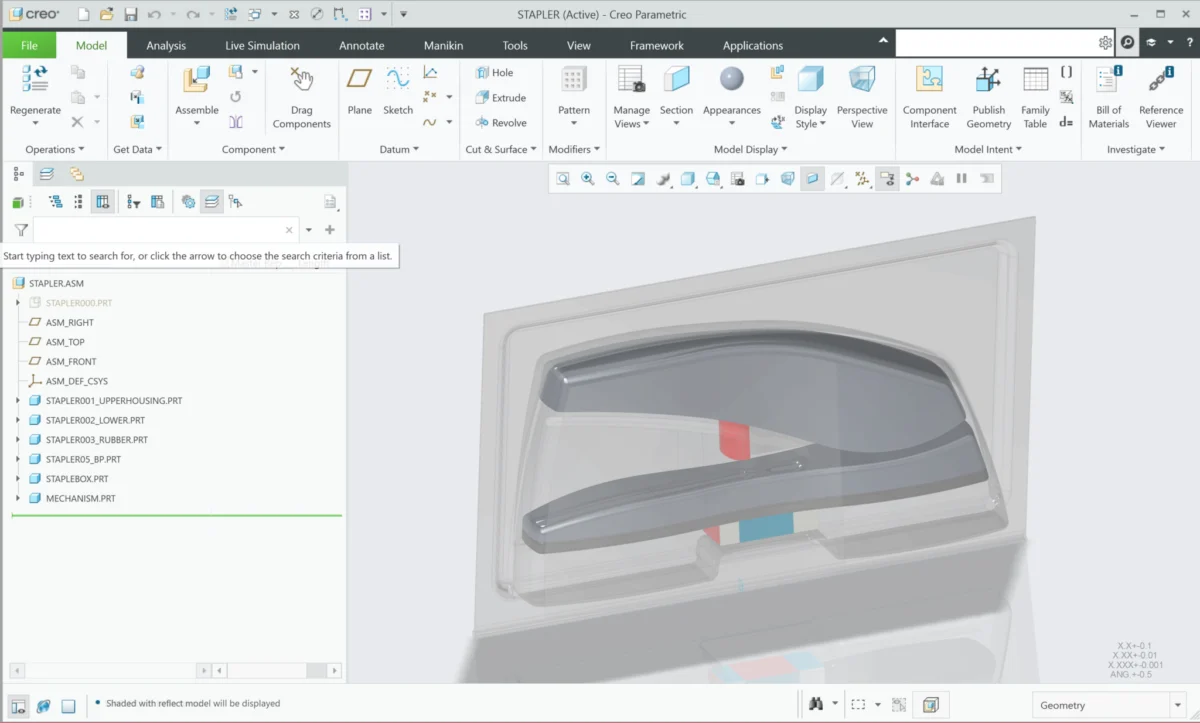
The most resilient professionals are those who refuse to remain stagnant. In a shifting economy, specialized skill sets become the primary currency. Whether it is mastering advanced modeling in Creo, refining surfacing techniques in Solidworks, or gaining a deeper understanding of plastic part design for injection molding, training is the ultimate hedge against career volatility.
Moreover, the scope of the engineer’s role is expanding. Modern product development requires engineers to be capable of leading brainstorming sessions and understanding the nuances of Generative Design. When technical experts gain soft skills—such as project leadership or design thinking—they become indispensable to their organizations.
Strategic Implications: Building a Resilient Future
For an organization to thrive post-recession, it must treat its workforce and its product roadmap as its most vital assets.
Investing in the "Human Engine"
Upskilling is not merely a perk; it is a necessity for long-term viability. Organizations that facilitate training—whether through intensive manufacturing workshops or advanced CAD certifications—see a direct impact on team cohesion and output quality. When employees are challenged with new methodologies, their engagement increases, which in turn fosters a culture of innovation that persists even when the economic climate improves.
Turning Products into Strategic Assets
The firms that emerge strongest from a recession are those that move beyond the commodity mindset. By viewing products as strategic assets that fuel customer loyalty, companies can transcend the "race to the bottom" in pricing. A product that solves a specific, urgent problem for a customer is immune to the typical pressures of a downturn.
Conclusion: The Path Forward
The economy may contract, but the demand for innovation does not. In fact, economic chaos often acts as a filter, clearing out the "middle-of-the-road" players and allowing the innovators to capture market share.
Industrial designers and engineers are the primary drivers of the trends that define our era. By working on innovative teams, mastering the latest tools in design and manufacturing, and consistently pushing the boundaries of what is possible, these professionals do more than just build products—they build the future.
As we look toward an uncertain horizon, the message for manufacturers and individual contributors alike is clear: Do not hunker down. Invest in your skills, invest in your product, and maintain the offensive posture required to lead through the recession. The companies that emerge from this cycle will be those that viewed the downturn not as a time to stop, but as a time to sharpen their tools and refine their vision.
Master the Tools of the Future
To stay competitive, continuous learning is essential. Design Engine provides the comprehensive training necessary to keep your design and engineering teams at the cutting edge:
- Creo Training: From Basic Design to Advanced Modeling and Surfacing, master the software that powers global manufacturing.
- Solidworks Mastery: Elevate your design capabilities with our Comprehensive Training Courses.
- Manufacturing Excellence: Bridge the gap between design and production with our specialized workshops, including Plastic Part Design for Injection Molding and GD&T Training.
Bart Brejcha leads teams of designers and engineers and provides expert instruction at Design Engine. To discuss how to optimize your team’s performance, contact him at [email protected].