Did you ever spend your childhood deconstructing toys to see how they worked, or sketching the sleek lines of cars you hoped to drive one day? If you possess a relentless curiosity about the world and a burning desire to translate that curiosity into tangible solutions, you may have the heart of an industrial designer.
Industrial design is far more than mere aesthetics; it is the cornerstone of modern innovation, bridging the gap between artistic vision and business viability. As the global landscape becomes increasingly complex, the role of the industrial designer—as a problem solver, cultural architect, and economic catalyst—has never been more vital.
What is Industrial Design? The Intersection of Art and Utility
According to the Industrial Designers Society of America (IDSA), industrial design is the professional practice of creating products, devices, objects, and services that define the human experience. From the ergonomic handle of a kitchen knife to the complex user interface of a high-tech medical device, industrial designers are the silent architects of our daily lives.
They do not merely design objects; they design interactions. They shape culture, influence behavioral patterns, and provide the functional backbone of global commerce. Historically, the work of industrial designers has been so profound that it is documented by historians as markers of technological and societal evolution. When economies face downturns, it is often the industrial design sector that leads the charge toward recovery by introducing groundbreaking innovations that spark new markets and consumer behaviors.
A Brief Chronology of Industrial Design
To understand the profession, one must look at how it evolved alongside the Industrial Revolution and beyond.
The Formative Years (Late 19th – Early 20th Century)
The discipline emerged from the need to bridge the gap between machine-produced goods and human needs. Pioneers like Peter Behrens, working for AEG in Germany, began to apply a cohesive design language to industrial products, proving that mass-produced items could be both functional and aesthetically pleasing.
The Mid-Century Golden Age (1940s – 1960s)
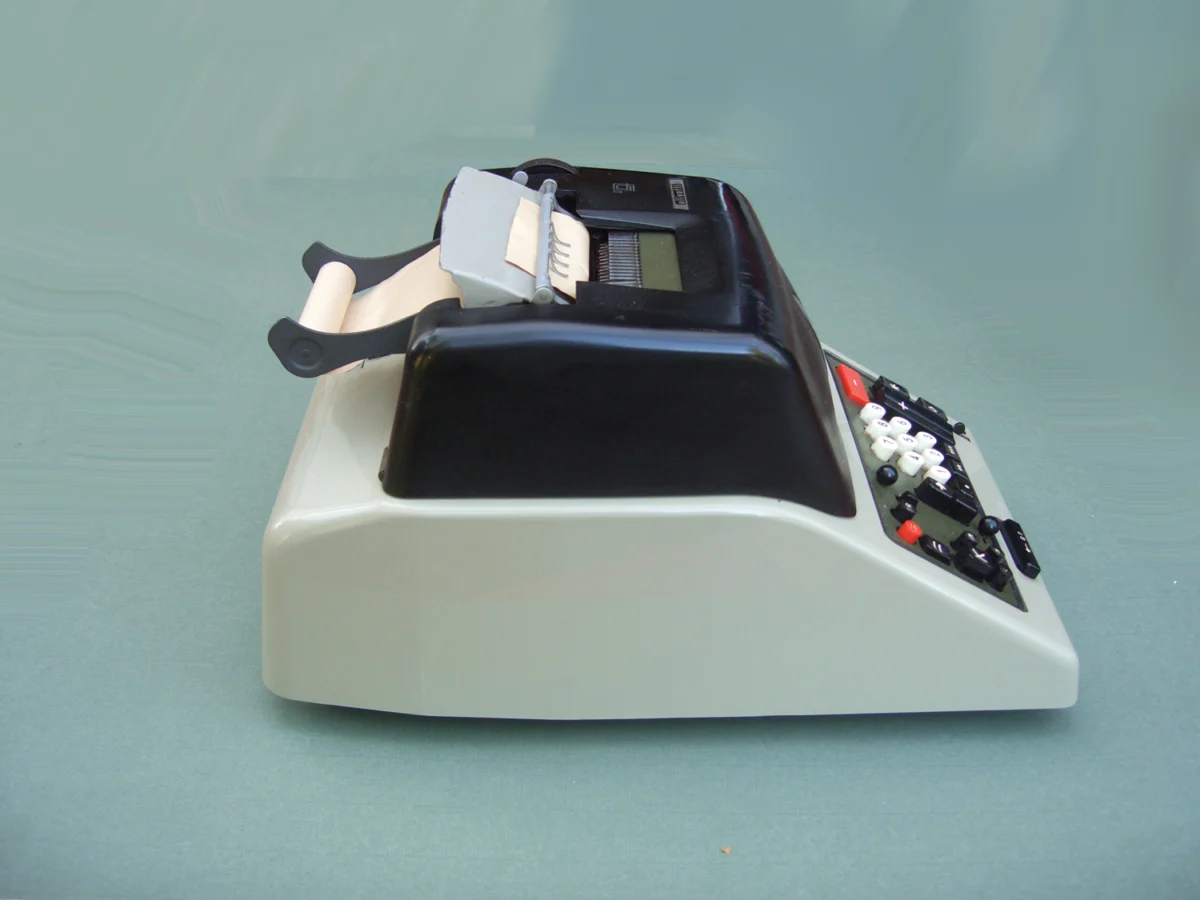
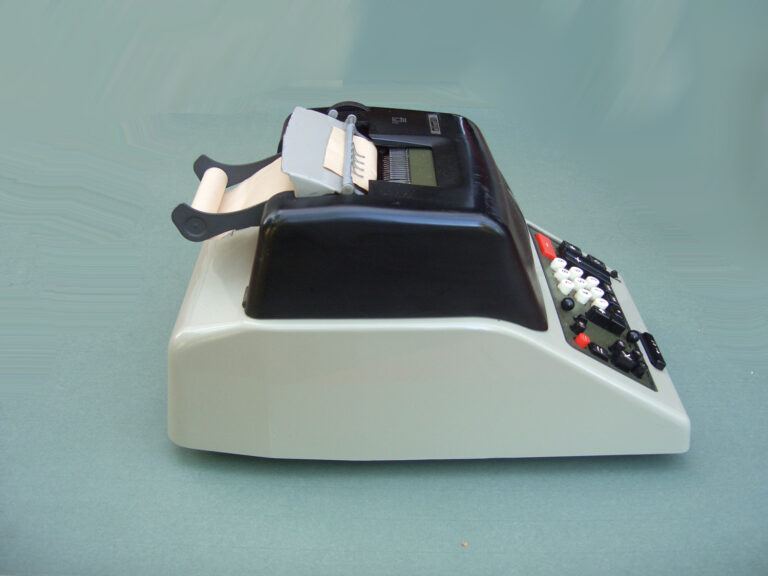
This era saw the rise of iconic design houses and individuals like Marcello Nizzoli, whose work on the Olivetti Divisumma 24 calculator (1956) remains a masterclass in combining complex mechanical engineering with elegant, user-centric form. This was a period of optimism where design was seen as a way to improve the "quality of life" for the post-war middle class.
The Digital Transformation (1980s – 2000s)
The introduction of Computer-Aided Design (CAD) revolutionized the field. Design moved from the drafting table to the screen, allowing for rapid prototyping, complex geometric modeling, and global collaboration. This period shifted the focus from purely physical products to the integration of software and hardware.
The Modern Era (2010s – Present)
Today, industrial design is increasingly focused on sustainability, the circular economy, and "smart" objects. Designers are now tasked with considering the entire lifecycle of a product, from raw material extraction to end-of-life disposal, while navigating the demands of a hyper-connected, digital-first society.
Supporting Data: Why Industrial Design Matters
The impact of industrial design is measurable across several sectors:
- Economic Growth: Companies that prioritize design—such as Apple, Tesla, and Herman Miller—consistently outperform their competitors. Design-led companies are often more resilient, as they focus on creating "must-have" value rather than competing solely on price.
- Societal Impact: Effective design reduces waste and improves efficiency. In healthcare, ergonomic medical equipment reduces human error and improves patient outcomes. In urban environments, smart design in public transit reduces congestion and carbon footprints.
- Cultural Influence: Industrial designers act as cultural barometers. They translate technological shifts into accessible forms, helping society adopt new ways of living, communicating, and interacting with their environment.
Becoming an Industrial Designer: A Roadmap
If you are considering this career path, the journey requires a combination of technical rigor and creative intuition.
1. The Educational Foundation
Most professional roles require a Bachelor’s degree in Industrial Design. Curricula typically cover materials science, manufacturing processes, sketching, CAD software proficiency, and human-factors engineering.
2. Early Exposure
Many top-tier institutions offer "pre-industrial design" summer intensives. These programs are invaluable for students looking to gain an edge, providing early exposure to the design process and helping candidates build a foundational portfolio.
3. Developing the Skill Set
Modern industrial designers must be "T-shaped" individuals—possessing deep expertise in design, but also broad knowledge in business strategy, engineering, and sociology. You must be comfortable moving between a physical sketch, a 3D CAD model, and a boardroom presentation.
4. Portfolio Development
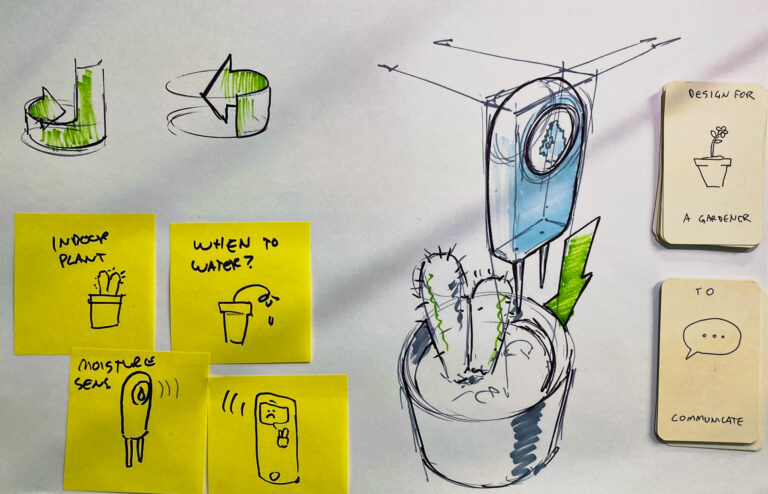
Your portfolio is your currency. It should demonstrate your ability to solve problems, not just your ability to draw pretty pictures. Recruiters look for evidence of your process: how you identified a problem, conducted user research, iterated through prototypes, and arrived at a final, manufacturable solution.
Global Perspectives: Schools and Training
Whether you are looking to study in the United States or abroad, the quality of your training will be a defining factor in your career trajectory.
Universities in the United States
The U.S. offers some of the most robust design programs in the world, many of which are situated near major tech and manufacturing hubs. Students should look for programs that emphasize:
- Industry Partnerships: Does the school have relationships with companies like Google, Ford, or IDEO?
- Fabrication Facilities: Does the program provide access to high-end CNC machines, 3D printers, and model shops?
- Design Ethics: Is the program teaching the next generation to be sustainable and socially responsible?
International Perspectives
Studying abroad offers a broader cultural understanding of design. For instance, European schools often emphasize sustainable design and social engineering, while Asian institutions are frequently at the forefront of high-speed manufacturing and consumer electronics design. Gaining international experience prepares a designer for the realities of the global supply chain.
Official Industry Responses: The Future of the Profession
The Industrial Designers Society of America (IDSA) and other leading bodies emphasize that the role of the designer is undergoing a metamorphosis.
"We are moving away from the era of ‘making things’ toward the era of ‘designing systems,’" notes a spokesperson from a major design firm. "The future industrial designer will need to understand data analytics, artificial intelligence, and ecological systems as much as they understand injection molding or clay modeling."
Industry leaders are calling for a greater focus on Circular Design. The linear model of "take-make-waste" is becoming obsolete. Designers are now being challenged to create products that can be repaired, upgraded, or fully recycled. This is not just an ethical imperative; it is becoming a regulatory one as governments implement stricter environmental standards for consumer goods.
Implications for Aspiring Designers
What does this mean for the next generation? It means that the barrier to entry is higher, but the potential for impact is greater than ever.
- Embrace Lifelong Learning: The tools you use today—SolidWorks, Rhino, Fusion 360—will evolve. Your ability to learn new tools and adapt to new manufacturing technologies (like additive manufacturing/3D printing) will define your longevity in the field.
- Think Holistically: Don’t just design for the shelf. Design for the factory floor, the distribution center, the home, and the recycling facility. The best products are those that are as easy to manufacture as they are to use.
- Build Your Network: Industrial design is a highly collaborative field. Your ability to communicate your ideas to engineers, marketers, and stakeholders is just as important as your technical skill.
Conclusion
The path of an industrial designer is not for the faint of heart. It requires the precision of an engineer, the vision of an artist, and the empathy of a sociologist. Yet, for those who answer the call, the rewards are immense. You have the opportunity to leave a permanent mark on the physical world, to solve the problems of tomorrow, and to build products that make life, in its many facets, a little bit better for everyone.
Whether you are just starting your search for the right design school or looking to pivot your career, remember that the most successful designers are those who never stop asking "why." If you have that curiosity, you are already halfway there. Buckle up—the future is waiting to be designed.