Date: March 27, 2026 Author: Hasan Ashour Category: Global Economy & Commodities
Executive Summary: The Macroeconomic Backdrop of Gold
The global bullion market has entered a phase of heightened volatility and sustained interest as investors worldwide navigate shifting monetary policies, inflationary pressures, and geopolitical uncertainties. As of late March 2026, gold remains a preferred safe-haven asset, drawing robust capital inflows from both institutional investors and retail buyers.
Across key regional markets—specifically Kuwait, Jordan, and the United Arab Emirates (UAE)—domestic retail and wholesale gold prices are reacting dynamically to international spot market movements. While global economic indicators point toward prolonged monetary easing cycles and currency fluctuations, domestic consumers and investors in the Middle East are closely monitoring daily rate adjustments to optimize their buying and selling strategies.
Main Facts: Current State of the Gold Market
At its core, the current gold market is being shaped by a convergence of macroeconomic drivers:
Safe-Haven Demand: Persistent macroeconomic uncertainties continue to drive central banks and private investors toward gold as a reliable store of value.
Currency and Inflation Fluctuations: Local retail prices in Arab markets are tightly correlated with the spot price of gold per ounce (XAU/USD) on international exchanges, combined with local currency exchange rates against the US Dollar.
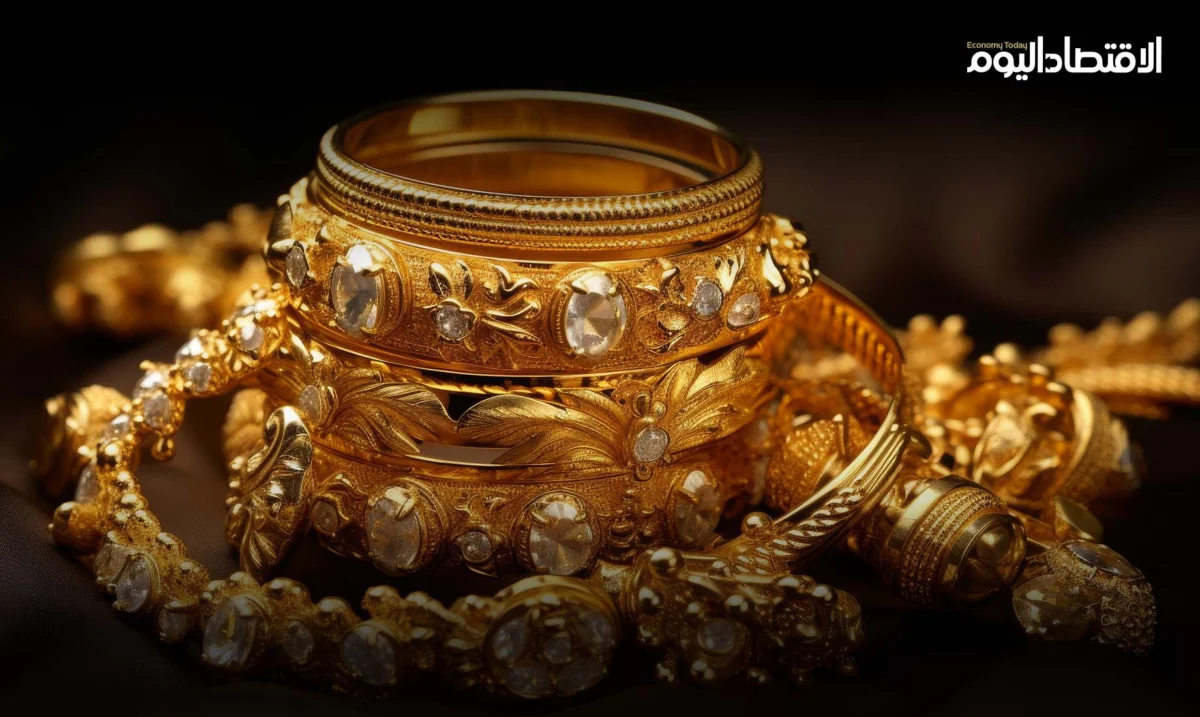
Retail Resilience: Despite fluctuating price points across 24-karat, 22-karat, 18-karat, and lower purities, local demand for bullion bars, coins, and traditional jewelry remains remarkably resilient.
Chronology of Market Movements (Q1 2026)
The trajectory of gold prices through the first quarter of 2026 has been marked by distinct phases of consolidation and sudden upward spikes:
Early January 2026: Markets opened the year with cautious optimism. Gold prices hovered near stable consolidation ranges as traders awaited the first major central bank policy meetings of the year.
Late January to Mid-February 2026: Rising inflationary data from major global economies triggered a renewed wave of buying. Spot prices climbed steadily, pushing domestic retail prices in the Middle East to new local highs.
Late February 2026: Brief profit-taking by institutional investors caused minor corrections in global bullion values. However, physical demand in retail markets quickly absorbed the dip, establishing a firm price floor.
March 2026: As macroeconomic indicators pointed toward sustained interest rate adjustments, gold regained upward momentum. By the final week of March 2026, market activity intensified across regional trading hubs in Kuwait, Amman, and Dubai.
Regional Spotlight: Gold Prices Across Key Arab Economies
1. Gold Market Dynamics in Kuwait
Kuwait’s domestic gold market, known for its high standards of purity and active retail participation, has closely tracked international trends. Local bullion dealers and jewelry merchants report steady consumer interest across standard purities—ranging from pure 24-karat gold bars to 22-karat and 18-karat jewelry pieces. Because the Kuwaiti Dinar maintains a robust peg against a basket of currencies anchored heavily by the US Dollar, local pricing remains remarkably stable relative to imported raw material costs, insulating domestic buyers from extreme currency depreciation while fully reflecting global spot price shifts.
2. Gold Market Dynamics in Jordan
In Jordan, retail gold prices have experienced notable sensitivity to broader regional economic conditions. Amman’s gold souks and certified bullion traders observe active daily engagement from both retail buyers seeking long-term savings assets and investors hedging against local inflationary pressures. Pricing structures across 24, 22, 21, and 18-karat gold reflect both international spot fluctuations and local fabrication premiums set by the Jordanian syndicate of jewelers.
3. Gold Market Dynamics in the United Arab Emirates
As a premier global hub for gold trading, refining, and retail, the United Arab Emirates—particularly Dubai—remains at the epicenter of Middle Eastern precious metal flows. The UAE market benefits from highly competitive pricing, tax-efficient trading structures, and deep liquidity. Throughout March 2026, retail shops in the Dubai Gold Souk and institutional vaults across the Emirates reported heavy trading volumes. International investors and tourists alike continue to leverage the UAE’s transparent pricing mechanisms to execute large-scale bullion acquisitions and bespoke jewelry purchases.
Supporting Data & Purity Breakdown
When analyzing gold prices across regional markets, standard classifications dictate retail valuation. Understanding these purities is essential for both retail consumers and institutional portfolio managers:
24-Karat Gold: The purest form of gold available (99.9% purity), primarily utilized for investment bars and coins. It commands the highest baseline price per gram.
22-Karat Gold: Comprising approximately 91.6% pure gold alloyed with other metals for durability. It is the preferred standard for traditional high-end jewelry manufacturing across the Middle East.
21-Karat and 18-Karat Gold: Widely traded variants offering enhanced durability and lower relative entry costs for intricate jewelry designs.
Note: Daily price quotes in local currencies (such as the Kuwaiti Dinar, Jordanian Dinar, and UAE Dirham) fluctuate continuously in real-time correlation with international London Bullion Market Association (LBMA) benchmarks.
Official Responses and Market Analysis
Financial analysts and market regulators emphasize that the current strength of gold is fundamentally sound, underpinned by structural demand rather than speculative bubbles.
"Gold continues to serve as the ultimate financial shock absorber in uncertain economic environments. Institutional rebalancing and sustained retail accumulation across emerging and regional markets indicate that investors view current price plateaus as a new normal rather than a temporary peak." — Market Analyst Commentary
Central banks globally have also maintained strategic gold acquisition programs, reinforcing market confidence and signaling long-term institutional backing for the precious metal.
Implications for Investors and Consumers
The sustained high valuation of gold carries several practical takeaways for stakeholders in the region:
For Long-Term Investors: Gold remains a vital portfolio diversifier. Financial advisors recommend systematic investment plans (SIPs) or gradual dollar-cost averaging when acquiring physical bullion to mitigate short-term volatility risks.
For Retail Jewelry Buyers: Consumers purchasing crafted gold (22k or 18k) should remain cognizant of manufacturing fees (Al-Masnoohiah), which can constitute a significant portion of the total purchase price compared to raw investment bars.
For Regional Economies: The robust turnover in physical gold trading highlights strong consumer liquidity and deep-rooted cultural affinity for precious metals as tangible wealth preservation tools.
For continuous, real-time updates on daily gold price fluctuations, currency conversions, and spot market analytics across Kuwait, Jordan, the UAE, and the wider global economy, stay tuned to ongoing economic reports.