





By Jon Hemmerdinger, FlightGlobal
Published: October 26, 2026
Main Facts
The global airfreight industry is currently experiencing a paradox of historic proportions. On one hand, robust worldwide economic growth—bolstered by unprecedented demand within the technology and advanced manufacturing sectors—has pushed cargo volumes to staggering heights. Carriers are moving record levels of high-value goods, semiconductors, electronics, and just-in-time components across international skies, keeping fleets active and utilization rates high.
On the other hand, this golden era of freight demand is increasingly being undermined by heavy macroeconomic headwinds. Chief among them is the relentless surge in aviation fuel prices. Operating expenses for cargo airlines have escalated sharply, squeezing profit margins and threatening to derail the momentum of carriers worldwide. While payload demand remains exceptionally strong, the industry finds itself uniquely pinched by external cost pressures that lie completely outside the control of operators and logistics managers.
Chronology: The Path to the 2026 Airfreight Squeeze
To understand how the air cargo sector arrived at this precarious juncture, it is necessary to trace the compounding developments leading up to October 2026:
- Late 2024 to 2025 – Post-Pandemic Normalization and Tech Rebound: Following the extreme volatility of the pandemic supply-chain disruptions, the air cargo market stabilized before receiving a massive second wind. The explosive global demand for artificial intelligence hardware, advanced microchips, and renewable energy components created a sustained baseline requirement for rapid, long-haul air transport.
- Early 2026 – Fuel Market Volatility Begins: Geopolitical tensions and shifting energy policies begin to place upward pressure on crude oil markets. Jet fuel cracks—the premium refiners charge for jet fuel over crude—widen significantly, driving operational costs higher for commercial and cargo airlines alike.
- Mid 2026 – The Peak Season Pressureer: As global manufacturers ramp up production for the end-of-year retail and tech product cycles, cargo volumes surge. However, fuel costs outpace initial carrier forecasts, turning what should have been an unmitigated boom into a high-stakes balancing act between revenue generation and surging expenditures.
- October 2026 – The Collision Course: By late October, the conflict between booming cargo yields and runaway fuel expenses reaches a boiling point. Industry analysts warn that if fuel prices remain elevated, the net profitability of the airfreight sector could contract sharply despite high load factors.
Supporting Data and Market Dynamics
The current landscape of the air cargo industry is defined by a delicate tug-of-war between soaring demand metrics and punishing operational expenditures.
Sectoral Drivers of Demand
The technology and manufacturing sectors remain the primary engines of the air cargo boom. Global supply chains have grown increasingly reliant on air transport for high-density, low-weight items where time-to-market dictates commercial success. Key segments driving volume include:
- Semiconductors and Electronics: High-value microprocessors destined for tech manufacturing hubs in North America, Europe, and Asia.
- E-Commerce Fulfillment: Cross-border direct-to-consumer shipping, which continues to command dedicated freighter capacity.
- Industrial Machinery: Urgent replacement parts for automotive, aerospace, and energy infrastructure projects that cannot afford maritime transit delays.
The Financial Toll of Fuel
Jet fuel traditionally accounts for between 20% and 30% of an airline’s total operating expenses, depending on hedging strategies and fleet efficiency. In late 2026, spikes in fuel pricing have distorted these financial models:

- Erosion of Yields: While cargo spot rates have risen to accommodate general inflation, they are frequently failing to keep pace with rapid weekly increases in fuel surcharges.
- Fleet Modernization Pressures: Airlines operating older, less fuel-efficient freighters—such as converted legacy widebodies—are bearing the brunt of the crisis, accelerating the push toward next-generation aircraft like the Boeing 777-300ERSF and Airbus A350F.
Official Responses and Industry Reactions
Airlines, logistics providers, and industry associations are actively responding to the dual pressures of high demand and volatile operating costs.
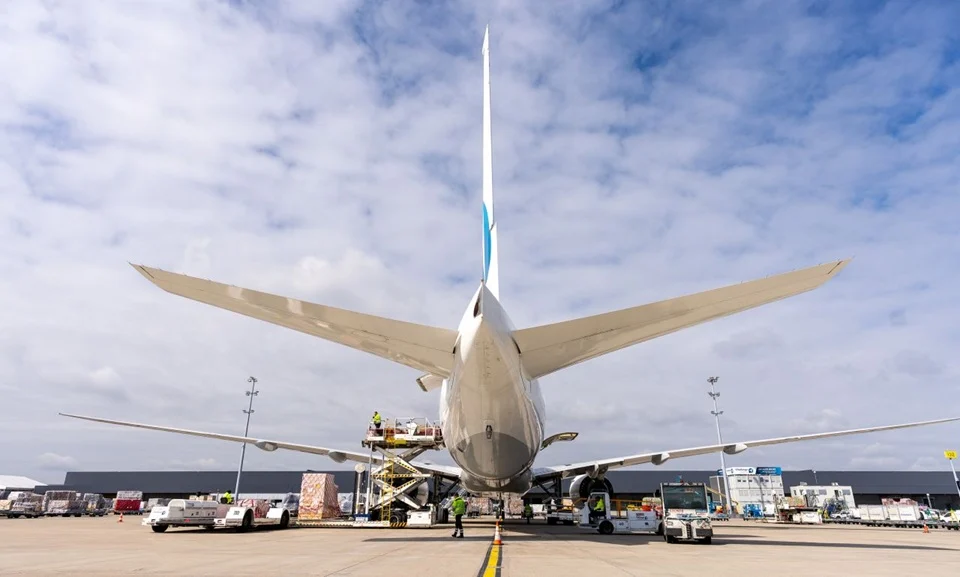
Carriers operating large widebody freighter fleets—such as Challenge Group, a prominent player in global air cargo operations—have emphasized operational agility. Industry executives note that while customer demand remains resilient, pricing structures must remain flexible to absorb sudden energy shocks.
International aviation bodies have called for closer monitoring of fuel supply chains and greater investments in sustainable aviation fuels (SAF). However, industry leaders caution that SAF, while crucial for long-term decarbonization, currently carries a green premium that can further exacerbate short-term operational expenses if not subsidized or scaled efficiently.
Major forwarders are already communicating with enterprise shippers regarding dynamic pricing adjustments. Surcharges are being recalibrated more frequently to reflect the daily fluctuations of regional jet fuel benchmarks, shifting a portion of the financial risk downstream to manufacturers and retailers.
Implications for the Future
The collision between the 2026 air cargo boom and skyrocketing aviation costs carries profound implications for the global economy:
- Consolidation and Efficiency: Margin compression is likely to accelerate fleet modernization. Airlines that lack the capital to invest in highly fuel-efficient, next-generation freighters may struggle to survive periods of sustained high energy prices, potentially leading to increased market consolidation.
- Pass-Through Pricing to Consumers: As cargo operators pass escalating fuel and operating costs onto freight forwarders, the end cost of high-demand goods—particularly electronics and specialized manufactured items—will likely rise, stoking broader inflationary pressures.
- Route Optimization: Carriers are increasingly scrutinizing less-profitable secondary routes, favoring high-yield trunk routes connecting major manufacturing hubs in Asia with consumption centers in North America and Europe.
Ultimately, the airfreight sector has proven its fundamental indispensability to global trade. Yet, as the events of October 2026 demonstrate, navigating a boom requires more than just high volume; it demands resilience against the unpredictable currents of the global energy market.