In an era defined by compounding global crises—ranging from economic volatility and geopolitical tensions to the escalating impacts of climate change—the paradigm of international aid and humanitarian response is undergoing a profound transformation. No longer confined to the traditional model of providing temporary relief and emergency supplies, global stakeholders are increasingly pivoting toward sustainable development, long-term economic empowerment, and systemic resilience.
This shift reflects a growing consensus among international organizations, governments, and philanthropic foundations: true progress cannot be achieved through short-term interventions alone. Instead, the focus must shift toward equipping vulnerable populations with the tools, resources, and structural support necessary to foster self-reliance, robust local economies, and enduring social stability.
Main Facts: The Evolution of Modern Humanitarian and Economic Support
The contemporary landscape of global development is characterized by a strategic departure from reactive philanthropy to proactive, capacity-building investments. Key components of this evolution include:
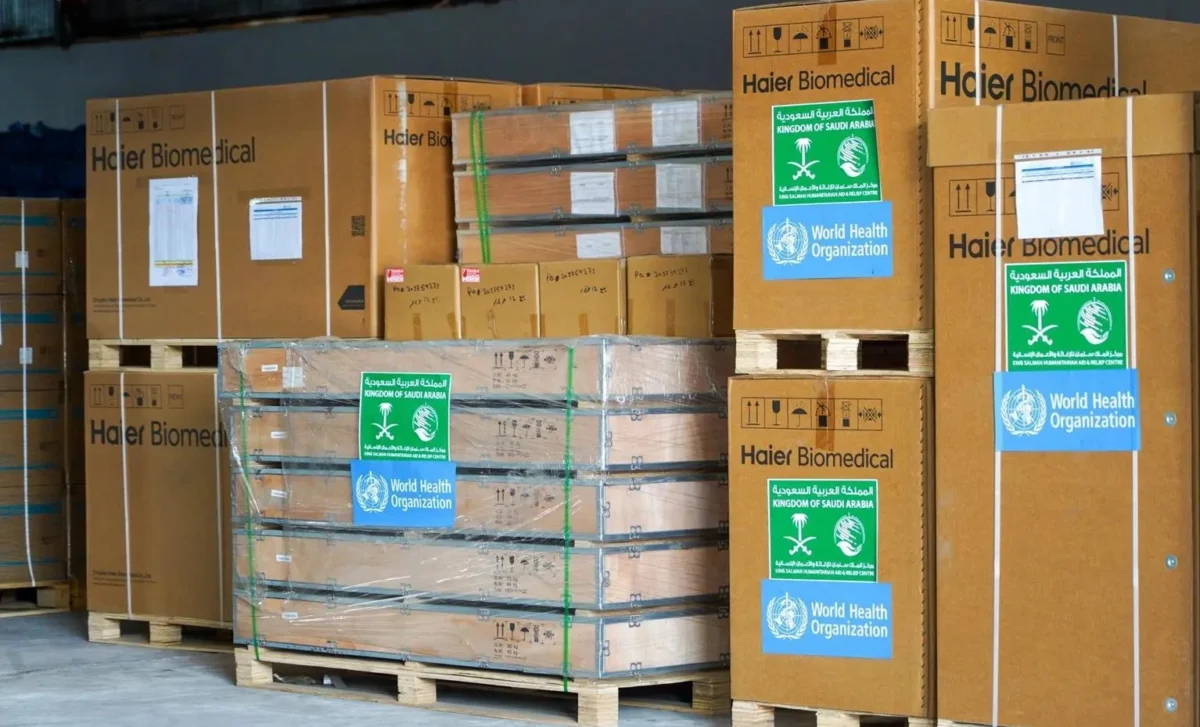
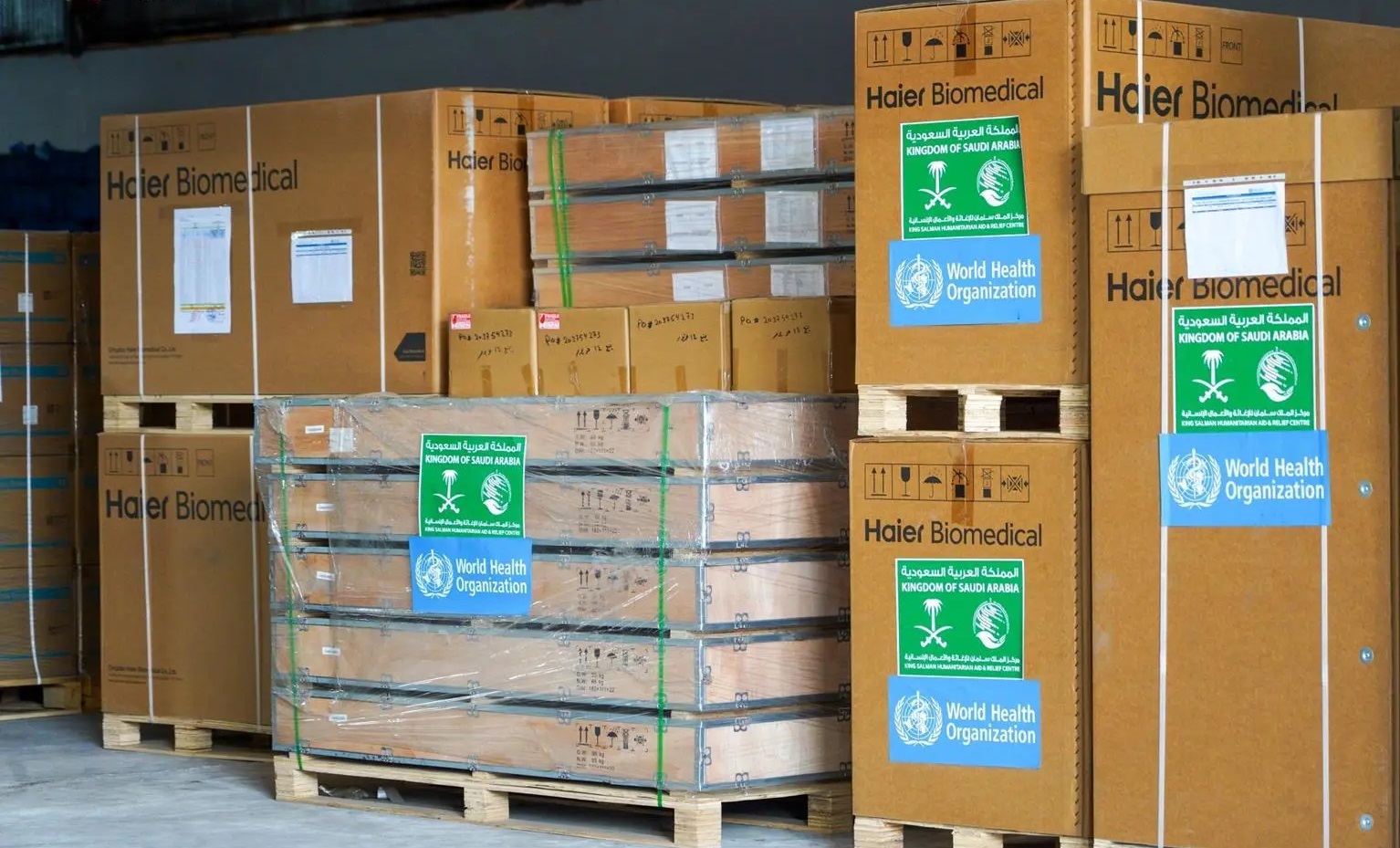
Strategic Diversification of Aid: Modern assistance packages increasingly integrate technical training, micro-finance initiatives, digital infrastructure development, and green energy transitions.
Empowering Local Leadership: International bodies are placing greater emphasis on local governance and community-led initiatives, ensuring that aid recipients actively participate in designing and implementing projects that affect their futures.
Data-Driven Interventions: Utilizing advanced analytics and predictive modeling, organizations can anticipate crises—such as food insecurity or supply chain disruptions—before they manifest, drastically reducing response times and resource waste.
Public-Private Partnerships: Collaborative models involving multinational corporations, non-governmental organizations (NGOs), and state actors are mobilizing unprecedented levels of capital to fund large-scale infrastructure and educational projects in developing regions.
Chronology: The Journey from Emergency Relief to Sustainable Empowerment
To understand how global aid has reached its current juncture, it is essential to trace its historical trajectory over the past several decades:
The Era of Post-War Relief (Mid-20th Century)
In the immediate aftermath of global conflicts and decolonization movements, international assistance was primarily logistical and medical. The priority was saving lives, distributing food rations, and rebuilding basic infrastructure destroyed by war or natural disasters. Interventions were largely top-down, devised by foreign powers and international institutions with minimal local input.
The Shift Toward Structural Adjustment (Late 20th Century)
By the 1980s and 1990s, economists and policymakers recognized that recurring emergency aid was creating cycles of dependency. This realization led to the introduction of structural adjustment programs aimed at reforming macroeconomic policies in developing nations. However, these programs often faced criticism for imposing rigid austerity measures that adversely affected vulnerable populations.
The Millennium and Sustainable Development Goals (2000–2015)
The turn of the millennium marked a pivotal turning point with the establishment of the Millennium Development Goals (MDGs), followed later by the broader Sustainable Development Goals (SDGs). The global community formally committed to addressing the root causes of poverty, gender inequality, and environmental degradation, laying the groundwork for integrated humanitarian-development-peace nexus approaches.
The Modern Resilience Paradigm (Present Day)
Today, the international community operates under the understanding that crises are increasingly protracted and interconnected. Modern frameworks prioritize resilience-building from day one of an emergency, intertwining immediate life-saving support with long-term economic development, climate adaptation strategies, and institutional strengthening.
Supporting Data and Economic Insights
Quantifying the impact of this strategic shift reveals compelling trends in global philanthropy and economic development:
Shift in Funding Allocations: According to recent international development reports, funding for capacity-building and long-term economic resilience projects has grown by over 35% globally over the last decade, outpacing traditional emergency-only funding streams.
Return on Investment (ROI) in Resilience: Studies by international financial institutions indicate that every dollar invested in pre-disaster resilience and sustainable infrastructure saves an average of four to seven dollars in post-disaster recovery costs.
Micro-Finance and Entrepreneurship: Micro-loan repayment rates in developing regions have soared to over 90% when paired with comprehensive business mentorship and digital literacy training, proving that access to capital combined with education is a powerful catalyst for poverty alleviation.
The Digital Divide: While digital infrastructure investments have surged, rural and marginalized communities still face a 40% deficit in reliable internet access compared to urban centers, highlighting a critical focal point for future aid allocations.
Official Responses and Perspectives from Global Leaders
International leaders and humanitarian directors have increasingly voiced support for this comprehensive approach, emphasizing that sustainable progress requires collective action and a willingness to rethink traditional methodologies.
During a recent international economic forum, a leading global development envoy remarked:
"We can no longer afford to treat symptoms while ignoring the structural diseases of poverty and inequality. True solidarity means walking alongside communities, listening to their aspirations, and building systems that outlast the crisis of the moment."
Similarly, heads of major international NGOs have stressed the importance of fostering local economic ecosystems rather than flooding markets with foreign goods that can inadvertently destabilize local producers.
A prominent humanitarian coordinator noted:
"When we invest in local farmers, local entrepreneurs, and local institutions, we are not just providing help—we are unlocking the dormant potential of an entire society. That is the only path to sustainable peace and prosperity."
Implications for the Future: Culture, Heritage, and Economic Integration
As the global community continues to refine these development models, the implications extend far beyond basic economics. Sustainable aid programs are increasingly recognizing the vital link between cultural preservation, national identity, and economic growth.
Preserving Heritage While Driving Innovation
Rich cultural traditions, ancient artisanship, and indigenous knowledge systems are being integrated into modern tourism and creative economy initiatives. By providing artisans and cultural custodians with access to global digital marketplaces and financial services, international programs are transforming heritage into a sustainable source of revenue and national pride.
Climate Resilience and Economic Security
Because vulnerable nations often bear the brunt of climate change despite contributing the least to global emissions, modern assistance heavily emphasizes green transitions. Renewable energy projects, climate-smart agriculture, and sustainable water management systems are now foundational pillars of development aid. These initiatives protect local ecosystems while creating green jobs and ensuring long-term food and water security.
Strengthening Institutional Governance
Ultimately, sustainable development relies heavily on transparent, accountable governance. Modern aid frameworks place a strong emphasis on strengthening local institutions, fighting corruption, and fostering civic engagement. By empowering local leaders and ensuring transparency in resource allocation, international stakeholders help build resilient states capable of navigating future shocks independently.
Conclusion
The evolution of global solidarity from fleeting charity to deep, structural empowerment marks a watershed moment in modern history. By looking beyond immediate relief and investing in the human capital, economic infrastructure, and cultural wealth of nations, the international community is forging a path toward a more resilient, equitable, and prosperous global future. The road ahead remains challenging, but the commitment to sustainable, community-driven progress offers a compelling blueprint for generations to come.