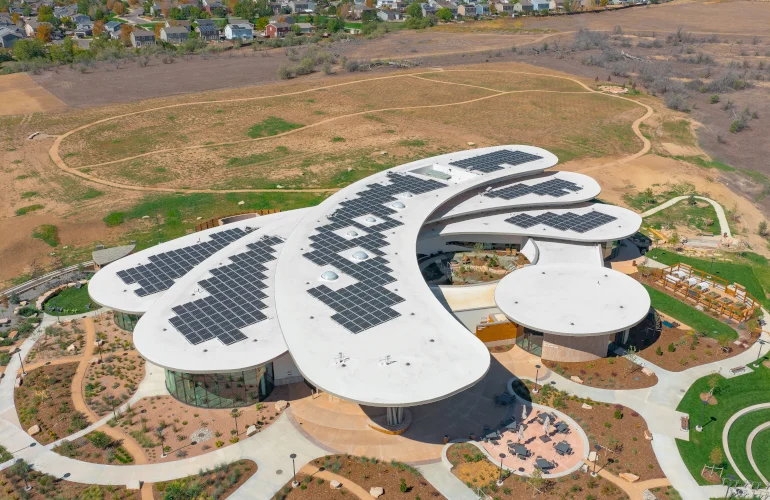






WASHINGTON — In a rare display of legislative unity, a bipartisan group of senators has unveiled a comprehensive framework aimed at overhauling the nation’s sclerotic energy permitting process. The proposed legislation, designed to accelerate the construction of everything from interstate transmission lines to renewable energy installations, seeks to resolve a mounting crisis of grid capacity exacerbated by the explosive growth of artificial intelligence and data center demand.
The deal, which unites key members of the Senate’s energy and environment panels, targets the National Environmental Policy Act (NEPA)—the bedrock of American environmental law—for significant reform. Proponents argue that the current permitting timeline, which can span decades, is no longer compatible with the urgent requirements of a modern, electrified economy.
The Core Provisions: Balancing Speed and Oversight
At the heart of the proposed bill is a fundamental restructuring of how federal agencies review infrastructure projects. The legislation seeks to truncate the "arduous" timelines that have historically left energy developers in a state of regulatory limbo.
Key features of the proposal include:
- NEPA Reform: The bill introduces strict limitations on legal challenges that have historically stalled projects by targeting procedural environmental reviews.
- Transmission Siting: It streamlines the process for siting interstate transmission lines, granting the Federal Energy Regulatory Commission (FERC) enhanced authority to conduct concurrent reviews with state agencies.
- Data Center Accountability: To address the power-hungry nature of AI, the bill mandates that data center operators bear the full financial burden of the grid upgrades required to serve their facilities, preventing the pass-through of these costs to residential ratepayers.
- Cultural Protections: While the bill curtails challenges under the National Historic Preservation Act, it attempts to maintain a balance between developmental speed and the protection of Native American cultural treasures and historical sites.
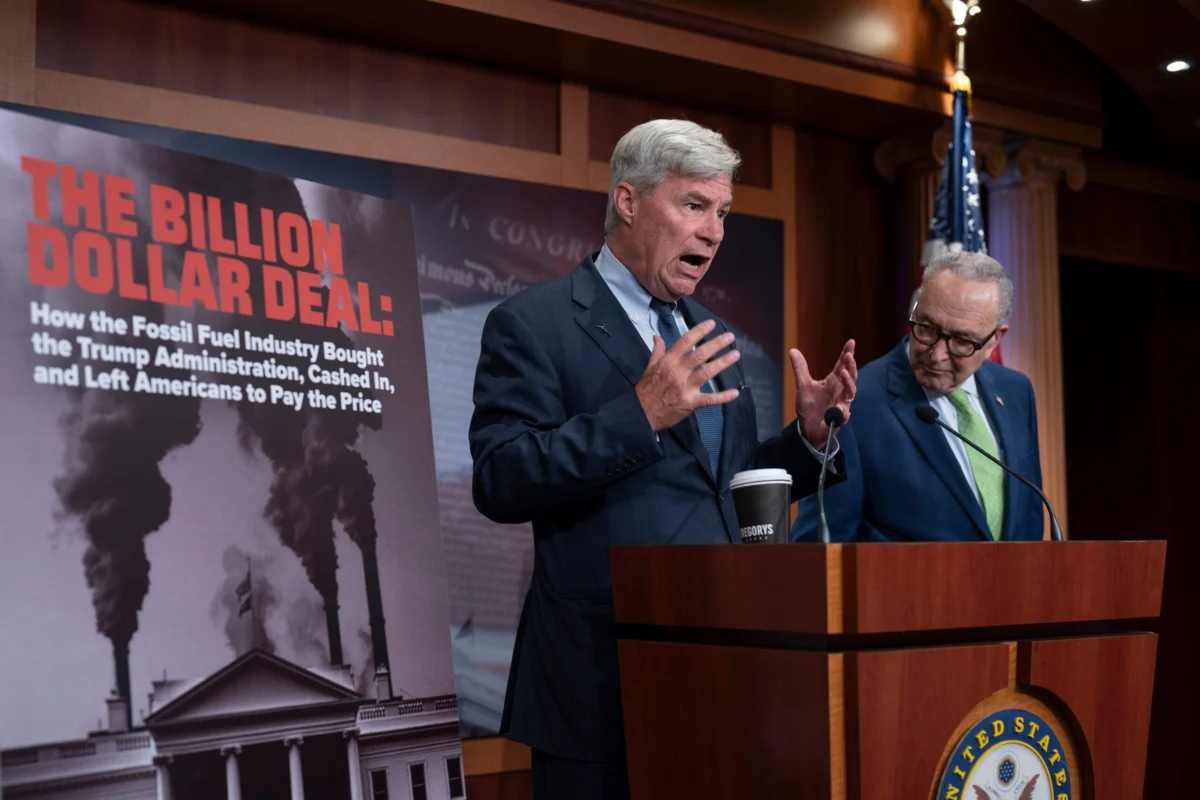
Sen. Shelley Moore Capito (R-W.Va.), chair of the Environment and Public Works Committee, characterized the deal as a “monumental and legacy-setting” achievement. During a joint press conference at the Capitol, she emphasized that the legislation is designed to make the construction of critical infrastructure "faster, more efficient, and easier," without completely abandoning the environmental safeguards that have defined the regulatory landscape for decades.
A Chronology of Negotiations and Political Friction
The path to this bipartisan agreement was anything but smooth. Negotiations were consistently hampered by the volatile political atmosphere surrounding the second term of President Donald Trump. Specifically, the administration’s aggressive, and occasionally litigious, opposition to offshore wind energy became a primary stumbling block.
The Timeline of Conflict and Resolution:
- December 2025: The Trump administration suspended five major offshore wind projects along the East Coast, citing nebulous "national security concerns."
- Early 2026: Federal courts intervened, signaling that the administration’s executive actions were exceeding their legal authority. A federal judge eventually struck down the executive order used to justify the blockage.
- Mid-2026: Recognizing that a permitting deal was impossible without a détente on renewables, the Trump administration signaled a willingness to ease restrictions on wind energy. This move was largely interpreted as a bargaining chip to secure Democratic support for broader, fossil-fuel-friendly permitting reforms.
- September 2026: Senate leadership from both sides of the aisle announced a framework for the deal, reflecting a pragmatic, if tenuous, compromise between environmental advocacy and industrial growth.
Despite the recent progress, Sen. Sheldon Whitehouse (D-R.I.) and Sen. Martin Heinrich (D-N.M.) have remained vocal about the "unresolved" nature of the administration’s long-term intentions. They continue to monitor the language of the bill to ensure that future executive actions cannot be used to arbitrarily halt wind and solar projects.
Data Centers and the New Energy Paradigm
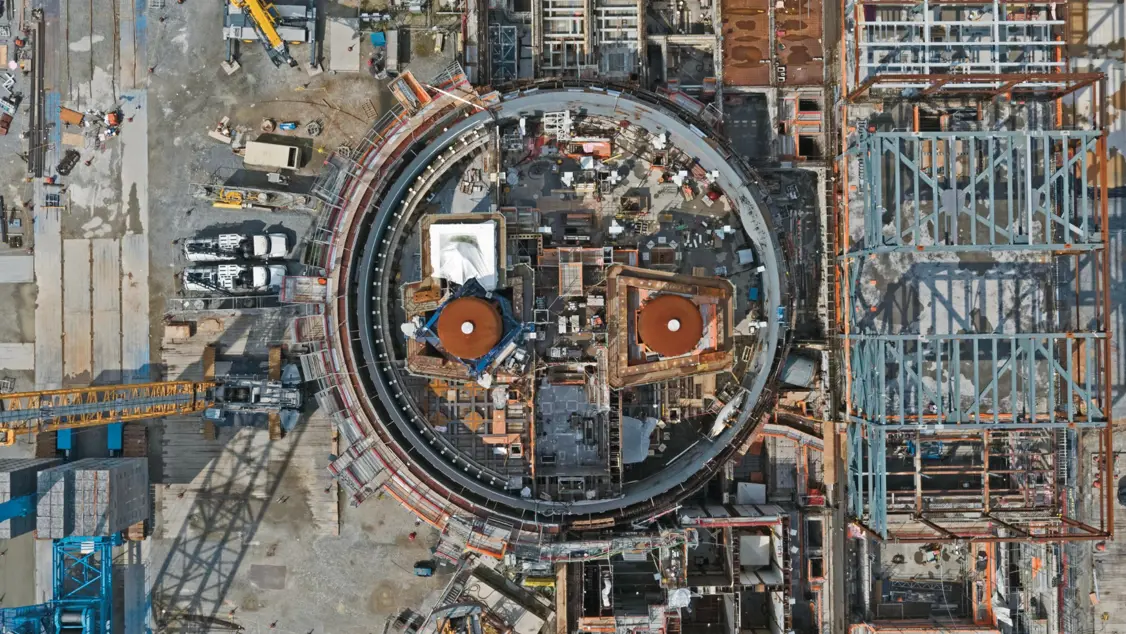
The urgency behind this legislation is largely driven by the sudden, massive demand for electricity stemming from the AI revolution. As tech giants scramble to build massive data centers, the existing energy infrastructure is being pushed to its breaking point.
Sen. Martin Heinrich noted that the bill is a necessary evolution of energy policy. "This will mean more energy on the grid, more good-paying jobs, and lower electricity costs for families and businesses," he stated. By forcing tech companies to pay for the infrastructure required to power their AI operations, the legislation aims to protect the American public from the "hidden tax" of grid congestion and localized price spikes.
However, the rapid growth of these facilities is not just a technological challenge—it is a logistical one. Traditional permitting takes years, but data centers are being commissioned and built in months. The legislative push to harmonize these timelines is seen by industry insiders as a vital step in maintaining American competitiveness in the global AI race.

Stakeholder Perspectives: A Polarized Reception
The legislative proposal has drawn sharp, conflicting reactions from the nation’s interest groups, highlighting the difficulty of achieving a "grand bargain" in energy policy.
Industry Support
The Edison Electric Institute (EEI), representing for-profit utilities, has expressed cautious optimism. CEO Drew Maloney stated that his organization is encouraged by the focus on "project certainty." For utilities, the ability to predict the timeline for transmission projects is essential for capital planning and long-term grid reliability.
Environmental Opposition
Conversely, environmental advocacy groups have leveled scathing critiques at the bill. Brad Campbell, president of the Conservation Law Foundation, described the agreement as "a fossil fuel industry wish-list." He argued that the bill’s provisions to limit judicial review and constrain the EPA’s oversight capacity could lead to irreversible damage to water quality and endangered species.
"Ensuring the agreement puts an end to the administration’s war on clean energy—the cheapest and fastest sources of energy—will be a necessary element to any deal," said Manish Bapna, president and CEO of the Natural Resources Defense Council (NRDC). The NRDC, along with other environmental groups, is currently conducting a deep-dive analysis of the bill’s language to determine if the trade-offs are justifiable.
Implications for the Lame-Duck Session
A definitive vote on the legislation is not expected until the post-midterm "lame-duck" session. This timing reflects the political reality that both parties are currently prioritizing the electoral cycle over legislative finality.
Sen. Mike Lee (R-Utah), who chairs the Energy Committee, remains confident that the bill’s bipartisan foundation will survive the election-season rhetoric. "The American people sent us here to do big things," Lee noted, echoing Capito’s sentiment.
The success of this bill during the lame-duck period will likely depend on three factors:
- Post-Election Stability: Whether the election results shift the balance of power in a way that renders the bipartisan deal obsolete.
- White House Involvement: Whether the administration maintains its current "reasonable" stance on wind and solar, or reverts to its previous obstructionist posture.
- The "Grand Bargain" Cohesion: Whether the fragile coalition of senators can hold off pressure from their respective party fringes, who view any compromise on NEPA or fossil fuel projects as a bridge too far.
The White House has publicly backed the initiative, suggesting that the bill will "deliver transformative policies" that align with broader economic goals, including job creation and the reduction of energy costs for consumers.
As the nation moves toward the November elections, this energy permitting deal stands as a unique stress test for the American legislative system. It represents a pivot point: the moment when the necessity of powering the digital future finally forced a reconciliation between the demands of industrial progress and the enduring mandates of environmental stewardship. Whether this deal provides the clarity the energy sector craves, or merely sets the stage for a new generation of litigation, remains the central question for the months ahead.