Main Facts
The third quarter of 2026 proved to be a sobering reality check for the BMW Group, mirroring the broader struggles faced by legacy automakers navigating a volatile global economic landscape and a rapid structural shift in automotive propulsion. Despite experiencing overall year-over-year sales declines across almost all of its traditional internal combustion engine (ICE) and luxury divisions—including BMW, MINI, Motorrad, and Rolls-Royce—the German automotive giant found a vital lifeline in one specific segment: battery electric vehicles (BEVs).
While group-wide sales dropped 6.3% in Q3, and electrified vehicles as a broader category (including plug-in hybrids) dipped slightly by 0.3%, the company’s pure BEV sales surged by an impressive 7.2% globally. This contrasting data highlights an undeniable truth for the legacy manufacturer: fully electric vehicles are no longer a peripheral science project or a regulatory compliance burden; they are the primary engine of modern resilience.
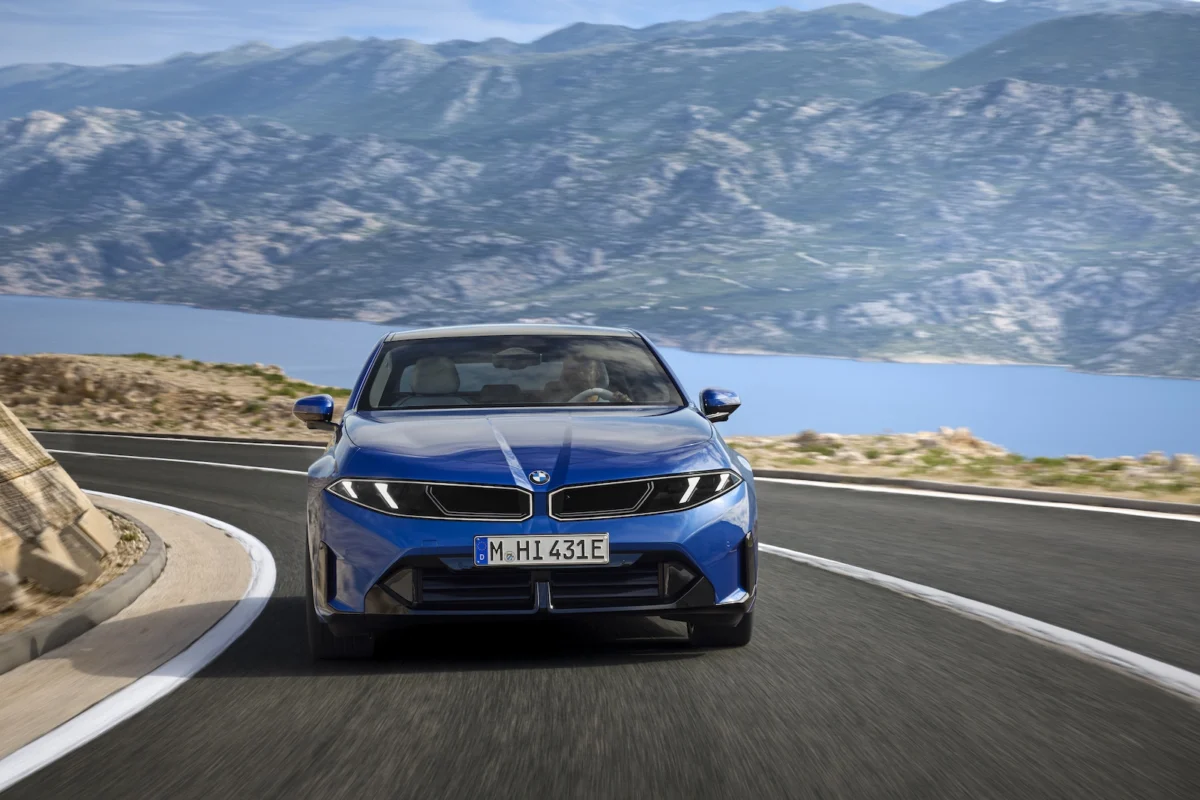
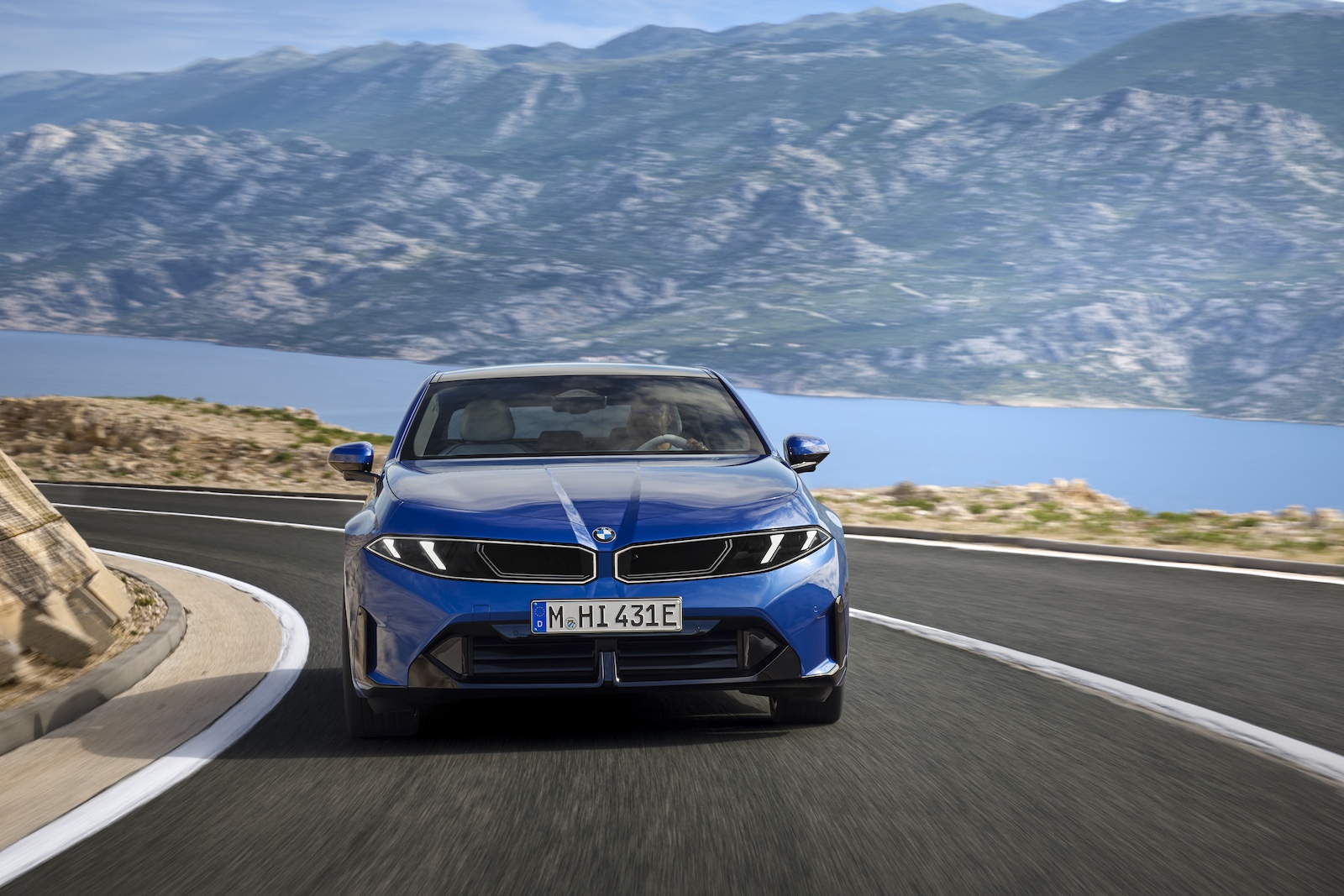
The quarter’s results also underscore the high stakes of geopolitical and regional market shifts. A steep 24.8% sales contraction in China—once the unshakeable profit engine for German luxury cars—demonstrates the perilous cost of lagging behind domestic competitors in rapidly electrifying markets. Yet, in Europe and Germany, where BMW aggressively leaned into its electric portfolio, the narrative was drastically different. Propelled by models like the new BMW i3 and an increasingly electrified MINI lineup, European BEV sales skyrocketed by 37.5%, proving that when BMW builds competitive electric vehicles, the market responds enthusiastically.
Chronology
To understand how BMW Group arrived at its current standing in late 2026, it is essential to trace the timeline of the automaker’s strategic shifts and market pressures over the past several years:
- The Regulatory Pushback Era (Early 2020s): For years, legacy automakers, including the BMW Group, frequently lobbied against aggressive regulatory timelines and mandates designed to phase out internal combustion engines. Executives argued for technological neutrality, pushing a multi-pathway strategy that prioritized hybrid technology and hydrogen alongside battery electrics.
- The Chinese Market Turning Point (2024–2025): As local Chinese automakers rapidly iterated software-defined, highly competitive electric vehicles at aggressive price points, foreign legacy brands began losing their traditional dominance. By late 2025, it became clear that brand prestige alone could no longer insulate foreign luxury manufacturers from steep market share losses in Asia.
- Q1–Q2 2026: Early financial and delivery reports for 2026 revealed widening cracks in traditional automotive segments. Inflationary pressures, cautious consumer spending, and the rapid pace of automotive disruption weighed heavily on legacy profit margins.
- Q3 2026 (The Turning Tide): The third-quarter financial data finalized in October 2026 delivered a definitive verdict. Across the board, core brand metrics fell: BMW brand sales dropped 6.8%, MINI fell 2.4%, Motorrad plummeted 12.5%, and Rolls-Royce experienced an 18.0% drop. Yet, bucking this negative trend, global BEV deliveries rose to 110,257 units, a 7.2% year-over-year increase, saving the quarter from a much more severe downturn.
Supporting Data
A granular analysis of the BMW Group’s Q3 2026 financial and delivery reports reveals stark divergences between traditional segments and the burgeoning electric vehicle market:

Global and Regional Deliveries (Q3 2026)
- Total BMW Group Sales: Down 6.3% year-over-year.
- BMW Brand Sales: Down 6.8%.
- MINI Brand Sales: Down 2.4% for Q3 (though still up 6.8% for the first nine months of the year, bolstered by high electrification rates).
- BMW Motorrad (Motorcycles): Down 12.5%.
- Rolls-Royce: Down 18.0%.
- Global BEV Deliveries: 110,257 fully electric vehicles delivered worldwide, marking a +7.2% increase.
The European Bright Spot
- European BEV Growth: BEV sales in Europe grew by a disproportionate +37.5%, reaching 81,941 units.
- Market Share Penetration: Approximately one in every three BMW Group vehicles delivered to European customers during Q3 2026 was fully electric (34.7%).
- German Domestic Market: Fully electric models recorded exceptional year-over-year growth of +38.5% in Germany.
The China Challenge
- Sales Contraction: Deliveries in mainland China dropped by a staggering 24.8% in Q3 2026, driven by a combination of slowing macroeconomic indicators and fierce competition from domestic Chinese EV manufacturers who have captured the preferences of tech-forward buyers.
The MINI Outlier (First Nine Months of 2026)
- Total Year-to-Date Deliveries: 220,247 vehicles (+6.8% year-over-year).
- Electrification Share: 37.2% of all vehicles sold by MINI over the first nine months of 2026 were fully electric. This growth was spurred by popular variants including the John Cooper Works electric models, the MINI Paul Smith Edition, and anticipation surrounding the new MINI Countryman Untamed Edition.
Official Responses and Corporate Statements
In its official communications regarding the third-quarter performance, the BMW Group highlighted the stabilizing role of its electric fleet while acknowledging the headwinds facing traditional internal combustion vehicle markets.
Emphasizing the exceptional performance of its battery electric portfolio, the German automaker stated in its corporate delivery report:
"Between July and the end of September 2026, the BMW Group delivered 110,257 fully electric vehicles worldwide (+7.2%). In Europe, one in three BMW Group vehicles delivered to customers during this period was fully electric (34.7%). BEV sales increased here disproportionately to 81,941 units (+37.5%). This also applies to Germany, where the BMW Group’s fully electric models recorded exceptionally high growth (+38.5%)."
Corporate strategists have increasingly had to reconcile these metrics with legacy resistance to structural changes. While executive leadership previously hedged its bets on a slow, multi-technology transition, the concrete data from Q3 2026 demonstrates that consumer demand in key regulatory markets like Europe is decisively skewing toward zero-emission battery power.
Similarly, regarding the MINI brand—the lone bright spot across the company’s year-to-date divisional performance—management credited targeted lifestyle editions and rapid electrification for maintaining momentum:
"Since the start of the year, MINI has sold a total of 220,247 vehicles, increasing its deliveries by 6.8%. 37.2% of those vehicles were fully electric. This positive trend was partly driven by the John Cooper Works models and the MINI Paul Smith Edition. Further impetus is expected from the new MINI Countryman Untamed Edition."
Implications
The Q3 2026 results for the BMW Group carry profound long-term implications not just for the Munich-based automaker, but for the entire European legacy automotive sector.
1. The Vindication of Acceleration over Retuctance
For years, critics and forward-looking analysts argued that legacy automakers were moving too slowly, wasting valuable capital on transitional hybrid technologies while competitors built out dedicated EV ecosystems. BMW’s Q3 report serves as a stark proof of concept: in a down market where ICE sales are contracting, BEVs are the sole growth driver. Had the company committed heavier investment and accelerated its EV product roadmap even earlier, its reliance on declining legacy segments could have been mitigated more effectively.
2. The Urgent Wake-Up Call in Asia
The nearly 25% drop in Chinese sales is a flashing red light. China is no longer a passive export market where Western badges guarantee perpetual luxury dominance. It is the most advanced, hyper-competitive EV ecosystem on earth. If BMW—and other European giants like Mercedes-Benz and Volkswagen—cannot rapidly close the gap in software integration, autonomous driving features, and cost-effective battery architecture, their historical market share in Asia may erode permanently.
3. European Resilience Tied to Regulation and Infrastructure
The massive 37.5% surge in European BEV sales proves that demand for luxury electric vehicles remains robust when supported by regional charging infrastructure and tightening fleet emission standards. When one in every three BMWs sold in Europe is fully electric, it signals that the tipping point for mass-market adoption among premium buyers has arrived.

4. The Blueprint for Future Portfolio Strategy
The success of the MINI brand—fueled by a combination of iconic design heritage and a 37.2% electrification rate—provides a strategic blueprint for the rest of the BMW Group. Heritage brands cannot survive on legacy engines alone; they must aggressively infuse electrification into their core product identities.
Ultimately, the Q3 2026 numbers tell a simple, unmistakable story: fully electric vehicles rescued BMW from an otherwise dismal quarter. As the automotive industry pushes deeper into the latter half of the decade, the lesson for legacy executives is clear—the future is electric, and hesitation is no longer an option.