NORTH RIDGEVILLE, OHIO — As the calendar turns toward the scorching summer months, life in Northern Ohio shifts outdoors, bringing backyard barbecues, sun-drenched afternoons, and community gatherings. However, when the mercury climbs into the mid-80s and routinely pushes higher, the sanctuary of a cool, air-conditioned home transforms from a luxury into an absolute necessity.
Imagine walking into your home after a long, humid day, only to be greeted by stagnant, stifling air. You rush to the thermostat, drop the temperature setting, wait for the familiar, comforting hum of the compressor kicking into gear, and hear… nothing. The sudden failure of a home cooling system during peak summer can induce instant panic. Fortunately, not every AC failure signals a catastrophic and expensive mechanical breakdown.
To help local homeowners navigate these sweat-inducing scenarios, cooling and heating experts at Climate-Tech have released a comprehensive troubleshooting guide. By understanding the common culprits behind a silent AC unit, homeowners can save time, avoid unnecessary financial strain, and restore indoor comfort safely and efficiently.
Main Facts: Anatomy of an Unexpected AC Breakdown
When an air conditioning unit refuses to turn on, the issue typically stems from one of three primary areas: communication failures at the thermostat level, interruptions within the electrical power supply, or safety mechanisms triggered by restricted airflow.
Modern air conditioners are sophisticated electromechanical systems. They rely on a delicate balance of electrical currents, refrigerant pressures, and thermal sensors. When a single component falls out of alignment or fails, the entire system is designed to shut down as a protective measure to prevent severe damage.
According to HVAC technicians, the most common reasons an AC unit fails to engage include:
- Thermostat Malfunctions: Dead batteries, incorrect settings, or miscalibrated internal sensors that fail to send the crucial "cool" signal to the outdoor condenser unit.
- Electrical Interruptions: Tripped circuit breakers, blown fuses, faulty wiring, or a malfunctioning outdoor disconnect switch.
- Restricted Airflow: Clogged or filthy air filters that choke the system, causing evaporator coils to freeze or internal components to overheat, triggering automatic safety shutdowns.
- Component Failures: Worn-out capacitors, failing contactors, or burnt-out blower motors that require specialized diagnostic tools and professional intervention.
Chronology of an AC Emergency: From First Signs to Complete Failure
Understanding how an air conditioning failure typically develops can help homeowners catch problems long before the system completely flatlines.
Phase 1: The Subtle Warning Signs (Weeks Prior)
An air conditioner rarely breaks down without warning. Weeks before a total failure, the system may exhibit subtle symptoms. You might notice the home taking slightly longer to reach the set temperature, or certain rooms feeling warmer than others. You may hear faint clicking noises from the electrical panel or notice your monthly utility bills creeping upward as the system works harder to compensate for hidden inefficiencies.
Phase 2: Short-Cycling and Intermittent Operation (Days Prior)
As a minor issue escalates—such as a failing capacitor or a restricted air filter—the AC unit may begin "short-cycling." This means the system turns on, runs for only a few minutes, shuts off prematurely, and then repeats the cycle. This erratic behavior puts immense strain on the compressor, rapidly accelerating wear and tear.
Phase 3: The Silent Shutdown (The Day of Failure)
On the hottest day of the season, the system reaches its breaking point. A safety switch trips, a heavily taxed fuse blows, or a worn motor seizes entirely. The homeowner adjusts the thermostat, but the system remains completely silent. The indoor blower fan does not spin, and the outdoor condenser unit sits dormant.
Phase 4: Troubleshooting and Professional Intervention (Immediate Aftermath)
The homeowner initiates basic troubleshooting—checking breakers and swapping out filters. If these steps fail to revive the system, a call is placed to emergency HVAC services for professional diagnosis and repair.
Supporting Data: Climate Realities and Equipment Lifespans
Geography plays a significant role in the strain placed on residential cooling systems. In North Ridgeville, Ohio, summer temperatures consistently hover in the mid-80s, accompanied by high levels of relative humidity. This humidity forces air conditioners to work doubly hard, as they must not only lower the air temperature but also extract moisture from the indoor environment to maintain human comfort.
HVAC industry data highlights the following statistics regarding system longevity and performance:
- Average Lifespan: With regular, routine professional maintenance, a standard central air conditioning unit can last anywhere from 10 to 20 years. However, systems operating in regions with severe humidity and extended cooling seasons often lean toward the lower end of that spectrum.
- Efficiency Loss: Studies show that a neglected air conditioner loses roughly 5% of its efficiency for every year it operates without professional maintenance, drastically increasing energy bills.
- Filter Impact: According to the U.S. Department of Energy, replacing a dirty, clogged air filter with a clean one can lower your air conditioner’s energy consumption by 5% to 15%.
Official Responses and Expert Recommendations
When an AC unit goes silent, industry professionals emphasize a methodical, safety-first approach to troubleshooting. Ramping up panic or attempting complex electrical work without training can lead to personal injury or further damage to the HVAC system.
Step 1: Inspect and Reset the Thermostat
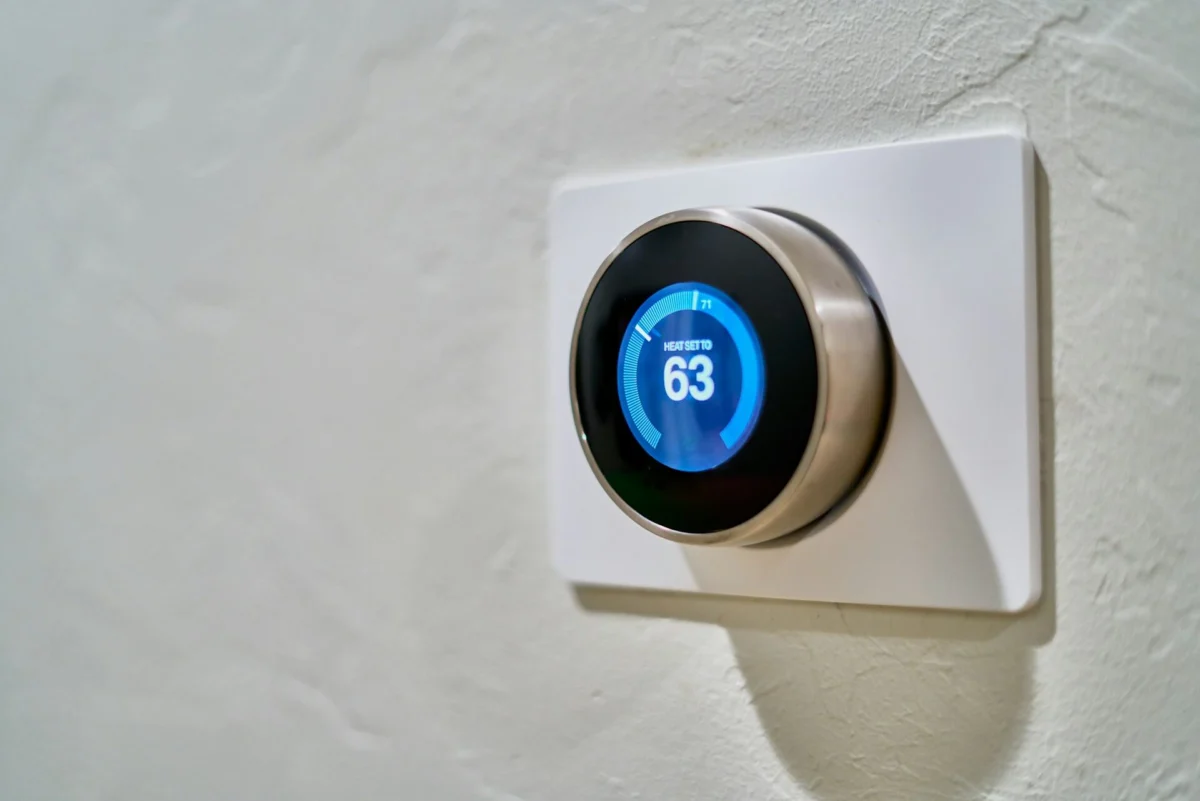
Always begin at the command center. Check the thermostat display screen. If the screen is blank, the fix may be as simple as replacing depleted AA or AAA batteries. Next, verify that the system mode is explicitly set to "Cool" and that the temperature setpoint is dialed significantly lower than the current room temperature. If you use a programmable or smart thermostat, check the mobile application for software glitches or lost Wi-Fi connections that might be overriding manual commands.
Step 2: Check the Power Supply and Electrical Panels
An air conditioner requires massive amounts of electrical current, making circuit protection vital. Head to your home’s main electrical breaker panel. Look for a tripped breaker labeled "Air Conditioner" or "HVAC." If the switch is flipped to the middle position or completely off, firmly flip it to the "Off" position, and then back to "On."
Note: If the breaker immediately trips again upon resetting, stop. This indicates a serious electrical short circuit or a failing compressor. Do not attempt to reset it repeatedly.
Additionally, locate the outdoor disconnect box situated on the exterior wall near your condenser unit. Ensure the lever or switch inside is pushed securely into the "On" position.
Step 3: Inspect Air Filters
Restricted airflow is the silent killer of modern HVAC systems. When dust, pet dander, and debris choke the air filter, return air cannot reach the evaporator coil. This causes the coil to freeze into a solid block of ice, shutting down the compressor.
Homeowners should inspect their return air grilles and pull out the filter. If it is caked in gray grime, it must be addressed immediately.
How to Replace a Disposable Air Filter:
- Locate the Filter Housing: Find the filter slot, typically located along the return air duct, inside the blower compartment, or behind a wall-mounted return grille.
- Turn Off the System: Always power down the HVAC system at the thermostat before swapping filters to prevent dust from being sucked directly into the blower motor.
- Check Airflow Direction: Note the directional arrows printed on the cardboard frame of the old filter.
- Remove and Discard: Carefully slide out the dirty filter to avoid spilling trapped debris.
- Insert the New Filter: Slide the new filter into place, ensuring the directional arrows point toward the blower unit and away from the return duct.
How to Clean a Reusable Air Filter:
Some modern homes feature permanent, washable electrostatic filters. If you maintain one of these units, the cleaning process requires care:
- Power Down: Turn off the HVAC system at the thermostat.
- Extract the Filter: Gently slide the filter out of its housing, taking care not to bend the aluminum frame.
- Vacuum Loose Debris: Use a soft brush attachment on a vacuum cleaner to gently suck away loose dust and pet hair from the surface.
- Rinse Thoroughly: Take the filter outside and use a garden hose to flush water through the filter in the reverse direction of normal airflow (from the clean side to the dirty side). Avoid high-pressure pressure washers, which can bend the mesh.
- Air Dry Completely: Allow the filter to dry completely in a shaded area before reinstalling it. Never put a damp filter back into your HVAC system, as moisture encourages mold growth and dust accumulation.
When to Call for Professional Air Conditioning Repair
While DIY troubleshooting can resolve minor hiccups, attempting to fix complex mechanical or electrical issues can be dangerous and costly. Homeowners in North Ridgeville should know when to step back and call licensed technicians.
Persistent Performance Issues
If your AC unit kicks on after a reset but immediately begins short-cycling, blows lukewarm air, or emits grinding, squealing, or scraping noises, professional intervention is required. These symptoms point to failing mechanical components, low refrigerant levels (which indicate a leak), or a dying blower motor.
Complex Electrical Problems
Electrical diagnostics involve high voltages that can cause severe injury or electrocution. If your troubleshooting reveals burnt wires, a bulging or leaking capacitor, a malfunctioning contactor, or breakers that continually trip, step away immediately. These parts require specialized multimeters and expert training to service safely.
The Age Factor of the Equipment
When an air conditioner reaches the 10-to-20-year milestone, frequent breakdowns become a financial warning sign. Pouring hundreds of dollars into repairing an aging compressor or coil on a system nearing the end of its natural life cycle is rarely cost-effective. In these instances, consulting a professional to discuss upgrading to a modern, high-efficiency system provides long-term peace of mind and lower utility bills.
Preventative Maintenance: The Best Defense Against Summer Breakdowns
The old adage "an ounce of prevention is worth a pound of cure" rings especially true for residential climate control. Establishing a rigorous preventative maintenance routine shields homeowners from unexpected emergency repairs during peak weather extremes.
- Routine Filter Changes: Make it a habit to inspect your air filter every 30 days. Depending on household factors—such as owning pets, living in dusty environments, or housing family members with allergies—filters may need replacement every 30 to 90 days. Clean filters guarantee optimal airflow and reduce strain on internal components.
- Scheduled Professional Inspections: Partnering with a trusted local provider for annual or bi-annual tune-ups keeps your system running at peak performance. During a professional maintenance visit, technicians thoroughly clean condenser coils, check electrical connections, measure refrigerant pressures, lubricate moving parts, and clear condensate drain lines. These proactive visits catch minor wear-and-tear issues before they spiral into system-halting emergencies.
Looking for Reliable Help?
Understanding why your air conditioning unit refuses to turn on—and executing basic troubleshooting steps—can save you from uncomfortable days, sticky nights, and steep repair bills. However, when DIY checks are exhausted and your home remains uncomfortably warm, specialized help is just a phone call away.
For residents across North Ridgeville and surrounding areas facing stubborn cooling issues, Climate-Tech offers reliable, expert assistance. Operating with 24/7 emergency services, their team of licensed professionals is always ready to restore comfort, safety, and efficiency to your home. Reach out to Climate-Tech today to schedule an inspection or emergency repair, and ensure your home air conditioning unit is ready to handle whatever the summer weather brings.