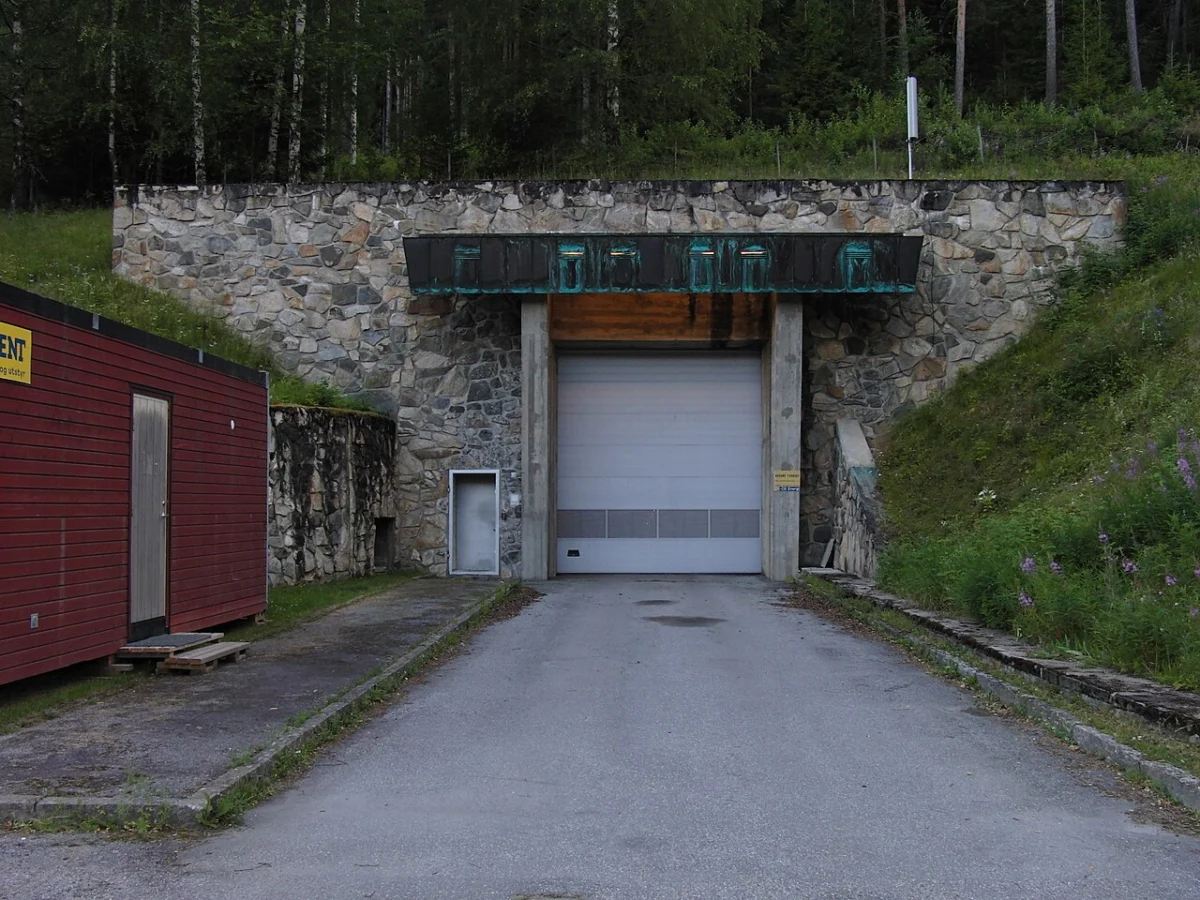
BUSKERUD, NORWAY — In a landmark development for the European renewable energy sector, Aker Solutions has officially been awarded a major contract by Hafslund Kraft to spearhead the comprehensive modernization of the Nes Power Station. Located in the picturesque Buskerud region of Norway, the historic facility is set to undergo what industry leaders are calling one of the country’s most significant and technically ambitious hydropower upgrades in decades.
The multi-year overhaul is designed to breathe new life into a foundational asset of Norway’s clean energy grid. By combining cutting-edge mechanical engineering with advanced digitalization—including the implementation of a sophisticated digital twin—the project aims to significantly boost the plant’s power output, enhance operational flexibility, and secure reliable, emission-free electricity generation for the Nordic region well into the latter half of the 21st century.
With site work already underway and the final delivery scheduled for 2032, the Nes modernization project represents a vital masterclass in how mature renewable energy infrastructure can be optimized to meet modern energy demands without the environmental footprint of developing entirely new greenfield sites.
Main Facts: Scope, Scale, and Strategic Objectives
At its core, the modernization initiative targets the heart of the Nes Power Station, a critical node in Norway’s interconnected power system. Currently, the facility boasts an impressive installed capacity of 332 MW and delivers an average annual generation of approximately 1.5 TWh, powering thousands of homes and driving regional industrial activity.
However, decades of continuous, heavy-duty operation have made an upgrade imperative to maintain peak efficiency and reliability. The modernization program is projected to achieve three primary milestones:
- Capacity Expansion: Increase the plant’s total installed capacity by approximately 80 MW.
- Production Boost: Elevate annual clean energy generation by roughly 37 GWh.
- Asset Longevity: Extend the operational lifetime of the facility by decades, ensuring long-term grid stability.
Engineering and Technical Scope
Aker Solutions’ extensive scope of work focuses heavily on the plant’s core electromechanical generation equipment. The engineering team will replace and modernize the non-embedded turbine components across all four of the station’s 83 MW Francis turbine units. In addition to the turbine overhauls, the project encompasses a complete upgrade of the governor control systems—which regulate turbine speed and power output—and the comprehensive rehabilitation of the heavy-duty main inlet valves that control the flow of water into the generating units.
The Digital Twin Integration
One of the most innovative facets of the Nes upgrade is how it solves a classic hydraulic engineering challenge. Increasing the plant’s capacity by 80 MW utilizing the existing 30-kilometer headrace tunnel requires unprecedented precision in fluid dynamics and pressure management. To achieve this safely and efficiently, Aker Solutions will deliver a comprehensive digital twin of the entire power station.
This virtual replica will ingest real-time operational data to support data-driven optimization, allowing operators to squeeze every possible megawatt out of the existing water infrastructure while preventing bottlenecks or excessive wear within the lengthy tunnel system. This initiative draws directly on Aker Solutions’ proven track record in hydropower digitalization, leveraging methodologies successfully deployed at other major Norwegian hydro facilities.
Chronology: From Legacy Plant to 2032 Vision
The journey of the Nes Power Station is deeply intertwined with Norway’s post-war industrialization and its pioneering transition to electrical power. Understanding the timeline of the facility—from its initial construction to the unfolding 2032 modernization schedule—highlights the evolutionary nature of the Nordic energy model.
Historical Foundation and Operational Milestones
- Mid-20th Century: The Nes Power Station is established in Buskerud, strategically positioned to harness the immense hydraulic potential of the region’s river systems. Over the decades, it evolves into a dependable backbone for Norway’s domestic electricity supply and regional industrial development.
- Decades of Continuous Operation: Operating four robust 83 MW Francis units, the plant consistently delivers around 1.5 TWh annually, demonstrating the extraordinary durability and reliability of well-maintained conventional hydropower assets.
- Late 2010s to Early 2020s: As Norway and the wider European Union accelerate their energy transitions, the demand for flexible, dispatchable power surges. Aging infrastructure across the continent prompts asset owners like Hafslund Kraft to evaluate comprehensive upgrade strategies rather than simple maintenance routines.
The Modernization Roadmap (2024–2032)
- Phase 1: Planning, Engineering, and Early Works (2024–2025): Detailed design engineering gets underway. Teams begin mapping out the sequential shutdown of the four Francis units to ensure that regional power supplies remain stable throughout the construction phase. Procurement of long-lead mechanical and digital components commences.
- Phase 2: Turbine Replacement and Valve Rehabilitation (2025–2029): Heavy construction and mechanical interventions begin at the site. Non-embedded turbine components for the 4 x 83MW units are systematically removed, refurbished, or replaced with modern, high-efficiency equivalents. Concurrently, main inlet valves and governor control systems are upgraded.
- Phase 3: Digital Twin Deployment and System Integration (2028–2030): Software architecture for the digital twin is integrated into the plant’s operational technology (OT) network. Extensive testing, calibration, and machine-learning algorithm training take place using historical and live sensor data from the newly installed hardware.
- Phase 4: Commissioning and Final Handover (2031–2032): Final system checks, stress testing of the expanded 80 MW capacity under simulated peak-load conditions, and gradual commercial operation of the fully modernized plant. The project reaches its official completion milestone in 2032.
Supporting Data: The Economics and Engineering of Hydro Upgrades
Hydropower remains the cornerstone of Norway’s energy architecture, accounting for the vast majority of the nation’s electricity generation. However, constructing brand-new large-scale hydro facilities in the 21st century faces stringent regulatory hurdles, significant capital expenditures, and complex environmental impact assessments. Consequently, brownfield modernization has emerged as the premier strategy for expanding renewable generation capacity across the Nordic region.
Comparative Efficiency Gains
When comparing the Nes upgrade to greenfield renewable projects, the economic and environmental metrics heavily favor modernization:
- Cost-Effectiveness: Upgrading existing civil works—such as the 30-kilometer headrace tunnel, underground caverns, and tailrace channels—saves hundreds of millions of dollars compared to excavating new subterranean infrastructure.
- Minimal Environmental Disturbance: Because the heavy civil engineering footprint is already established, flora, fauna, and local aquatic ecosystems experience virtually zero additional disruption during the modernization process.
- Capacity-to-Investment Ratio: Gaining 80 MW of clean capacity and 37 GWh of annual generation through turbine replacement and digitalization yields an exceptionally high return on investment (ROI) compared to building new generation facilities from scratch.
Technical Specifications of the Nes Upgrade
To contextualize the scale of the engineering feat being undertaken by Aker Solutions and Hafslund Kraft, the following table details the key technical parameters of the Nes Power Station before and after the modernization program:

| Parameter | Pre-Modernization Status | Post-Modernization Target |
|---|---|---|
| Total Installed Capacity | 332 MW | ~412 MW (+80 MW increase) |
| Annual Power Generation | ~1.5 TWh | ~1.537 TWh (+37 GWh increase) |
| Turbine Configuration | 4 x 83 MW Francis Units | Modernized 4 x ~103 MW equivalent Francis Units |
| Hydraulic Infrastructure | Existing 30km headrace tunnel | Optimized via AI/Digital Twin management |
| Control Systems | Legacy analog/early digital governors | State-of-the-art integrated governor & digital twin systems |
| Project Completion Date | Operational baseline | 2032 |
Official Responses: Industry Leadership Weighs In
The announcement of the contract award has drawn significant praise from executive leadership at both Aker Solutions and Hafslund Kraft, emphasizing the strategic importance of public-private technical collaboration in securing Europe’s clean energy future.
Jo Kjetil Krabbe, Executive Vice President for the Power Solutions segment at Aker Solutions, expressed immense pride in the partnership, highlighting the broader implications of the project for the Nordic energy market.
"We are proud to partner with Hafslund Kraft on one of Norway’s most ambitious hydropower modernization projects," Krabbe stated. "By upgrading proven assets, we can unlock additional renewable energy production, increase flexibility, and help secure reliable power supply for decades to come."
Krabbe further elaborated on the philosophy driving Aker Solutions’ approach to the clean energy transition, noting that the industry must look inward at existing infrastructure as much as outward toward new technologies.
"Projects like Nes demonstrate that modernizing hydropower assets is one of the most effective ways to increase clean energy production while minimizing environmental impact," Krabbe added. "We are not just replacing old iron with new iron; we are integrating advanced digital tools like our proprietary digital twins to make mature assets smarter, more responsive, and better equipped to handle the demands of a modern, volatile power grid."
Representatives from Hafslund Kraft echoed these sentiments, emphasizing that maintaining the reliability and peak performance of foundational hydro assets is essential for navigating the ongoing shift toward intermittent renewable sources like wind and solar across Northern Europe.
Implications: Securing the Future of Nordic Energy Security
The modernization of the Nes Power Station carries profound implications not only for the immediate Buskerud region and its industrial operators, but for the broader European energy landscape. As the continent continues to integrate high volumes of weather-dependent wind and solar generation, the value of flexible, dispatchable hydropower has skyrocketed.
Enhancing Grid Flexibility
Unlike wind or solar power, which fluctuate based on atmospheric conditions, upgraded hydropower facilities equipped with modern governor systems and digital twins can ramp up or dial down generation in a matter of seconds. The addition of 80 MW of capacity to the Nes facility directly enhances the operational flexibility of the Norwegian grid, providing vital balancing power that can compensate for sudden drops in wind generation or spikes in consumer demand.
A Blueprint for European Hydropower
With thousands of aging hydropower stations operating across Europe and North America, the Nes project serves as a crucial case study. It proves that heavy industrial assets built in the mid-20th century do not need to face obsolescence. Instead, through targeted mechanical overhauls and sophisticated software integration—such as digital twins—these plants can be successfully transitioned into the smart-grid era.
Long-Term Economic and Environmental Stability
For Norway, safeguarding the operational readiness of assets like Nes ensures that the nation maintains its competitive economic advantage in clean, low-cost electricity. It supports regional employment, guarantees long-term tax revenues for local municipalities, and reinforces the country’s commitment to meeting stringent climate targets without compromising energy security.
As Aker Solutions and Hafslund Kraft push forward with site operations leading up to the final 2032 delivery, the Nes Power Station stands ready to enter its next golden era—proving that the marriage of traditional engineering excellence and modern digital innovation is the true engine of the sustainable energy future.