In a significant move to address the burgeoning electricity requirements of North America’s rapidly expanding industrial and digital sectors, Siemens Energy and Dynamis Power Solutions have announced a landmark supply agreement. The deal, which covers the procurement of 119 SGT-400 gas turbine cores, marks a pivotal shift in how mobile power generation is being deployed to support critical infrastructure, ranging from hyper-scale data centers to heavy oil and gas operations.
This multi-year partnership represents a combined output of approximately 1.7 gigawatts (GW) of new, flexible generation capacity, underscoring the industry’s pivot toward "hypermobile" energy solutions that can be deployed rapidly to meet the unprecedented strain on the regional power grid.
The Core of the Agreement: Scalable Power for a Modern Grid
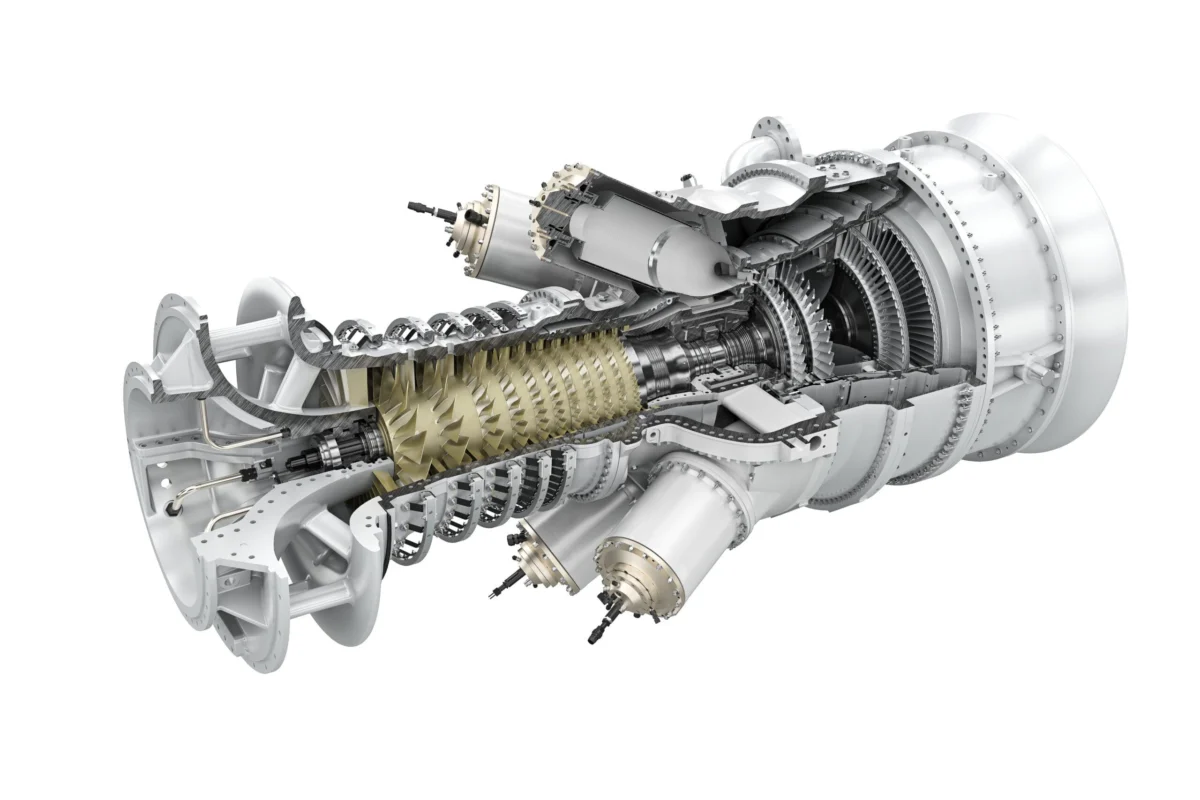
At the heart of this agreement is the SGT-400 gas turbine, a workhorse of the energy industry known for its high efficiency, fuel flexibility, and reliability. Each core produces roughly 15 MW of power, and when aggregated across 119 units, the total capacity of 1.7 GW is sufficient to power hundreds of thousands of homes or sustain several large-scale industrial hubs.
These units will serve as the engine for the Dynamis DT18, the company’s newest iteration of its "hypermobile" power generation fleet. The DT18 is an evolution of the proven engineering principles established in the earlier DT35 model. By integrating these turbines into mobile packages, Dynamis offers a unique value proposition: high-density power that is not anchored to a permanent site, allowing operators to scale their power generation in lockstep with their operational growth.
Manufacturing and Global Supply Chain
The production of these 119 cores will take place at Siemens Energy’s specialized facility in Lincoln, United Kingdom. As the global center of excellence for the company’s small-to-medium gas turbine manufacturing, the Lincoln site provides the precision engineering required for the SGT-400 platform. The delivery schedule is set to commence in 2027, with units arriving in phases over the subsequent years to ensure a steady supply chain integration for Dynamis’ deployment schedule.
Chronology of Expansion: The Rise of Hypermobile Power
The partnership with Siemens Energy is the latest in a series of strategic moves by Dynamis Power Solutions to solidify its role as a premier provider of mobile power in North America. To understand the gravity of this latest deal, one must look at the recent trajectory of the company’s infrastructure investments.
- Early 2024: Dynamis identifies the acute need for rapid-deployment power solutions, driven by the massive power draw required by the artificial intelligence (AI) boom and the decarbonization of traditional oil and gas fields.
- Summer 2026: Dynamis secures a major contract with Baker Hughes for 76 NovaLT16 industrial gas turbines. This deal, valued at approximately 1.3 GW of capacity, targets the same demographic: data centers and industrial operations.
- Late 2026 (Current): The Siemens Energy agreement is finalized, effectively doubling down on the "hypermobile" strategy by adding 1.7 GW of SGT-400 capacity to the company’s portfolio.
- 2027 and Beyond: The anticipated arrival of the first Siemens units marks the beginning of the operational deployment phase, where these turbines will begin to be integrated into the DT17 and DT18 packages for field use.
This timeline reflects an aggressive "buying spree" of high-efficiency turbine technology, positioning Dynamis as one of the largest aggregators of mobile power capacity in the Western Hemisphere.
Supporting Data: Why the Demand for Power is Exploding
The urgency behind these multi-gigawatt orders is rooted in three primary drivers that are currently reshaping the North American energy landscape:
1. The Data Center Gold Rush
The explosion of generative AI and cloud computing has led to a massive increase in power density requirements for data centers. Traditional grid connections often take years to approve and build, leaving developers in a "power limbo." Hypermobile solutions like the DT18 provide an immediate bridge, allowing operators to launch facilities while waiting for long-term grid transmission upgrades.
2. Electrification of the Oil and Gas Sector
Operators in the oil and gas industry are increasingly under pressure to reduce their carbon footprint. By replacing localized, high-emission diesel generators with natural gas-fired turbines—which are significantly cleaner and more efficient—companies can meet ESG (Environmental, Social, and Governance) targets while maintaining 24/7 uptime.

3. Grid Resilience and Peak Shaving
As renewable energy sources like wind and solar become a larger percentage of the grid, the need for "firming" capacity—power that can be turned on at a moment’s notice—has never been higher. Mobile turbines provide an ideal solution for grid operators to manage demand spikes without needing to construct multi-billion dollar, stationary peaker plants.
Official Perspectives: Bridging Technology and Utility
The leadership teams behind these deals emphasize that the partnership is more than just a transaction; it is a strategic response to a changing energy paradigm.
Karim Amin, a member of the executive board of Siemens Energy, noted the synergy between the two companies: "The demand for reliable and flexible power generation continues to grow as industries expand and energy needs evolve. Together with Dynamis, we are helping customers access generation capacity quickly by combining proven gas turbine technology with innovative deployment concepts. This agreement highlights the strength of our SGT-400 platform and demonstrates how collaboration can help address growing demand for efficient and dependable power across a wide range of applications."
Industry analysts suggest that by partnering with established OEMs like Siemens Energy and Baker Hughes, Dynamis is de-risking its portfolio. By using "off-the-shelf" turbine technology that is globally supported, they ensure that maintenance, parts, and technical expertise are readily available, regardless of where the mobile units are deployed.
Implications: The Future of Distributed Energy
The implications of this agreement are far-reaching for both the energy sector and the industrial customers it serves.
A New Model for Utilities
We are witnessing a shift away from the traditional model of "centralized generation and long-distance transmission." By pushing power generation to the edge—right where the load is needed—Dynamis and its suppliers are reducing the strain on aging transmission infrastructure. This "distributed generation" model is becoming the blueprint for modern industrial parks.
Competitive Advantages of the DT18
The integration of the SGT-400 into the DT18 platform allows for a modular, high-output footprint. Unlike traditional, permanent power plants that require massive amounts of concrete and multi-year construction timelines, these units are designed for rapid mobilization. They can be transported via standard logistics channels and commissioned in a fraction of the time, providing a competitive edge to companies that need to power up operations in months rather than years.
Environmental Considerations
While these turbines are gas-fired, the SGT-400 platform is designed with efficiency in mind. Compared to legacy power systems or smaller, fragmented diesel generators, these turbines offer a cleaner combustion process and higher thermal efficiency. Furthermore, the modular nature of these units allows them to be transitioned to hydrogen-blend fuels as the green hydrogen economy matures, offering a potential "future-proofing" path for industrial users concerned about long-term carbon regulations.
Market Consolidation
With Dynamis securing 1.3 GW from Baker Hughes and 1.7 GW from Siemens Energy, the company is positioning itself as a dominant force in the North American mobile power market. This move forces other players to evaluate their own supply chains. As demand for rapid-deployment power continues to outstrip supply, the ability to secure large-scale turbine orders—as Dynamis has done—will become the primary differentiator for success in the power services market.
Conclusion
The partnership between Siemens Energy and Dynamis Power Solutions is a testament to the rapid transformation of the power industry. As North America faces the dual challenges of an energy-hungry digital economy and the need for greater grid flexibility, the deployment of 119 SGT-400 turbines represents a pragmatic, high-tech solution. By prioritizing mobility, scalability, and proven reliability, these companies are not just filling a gap in the grid—they are defining the infrastructure of the next decade.