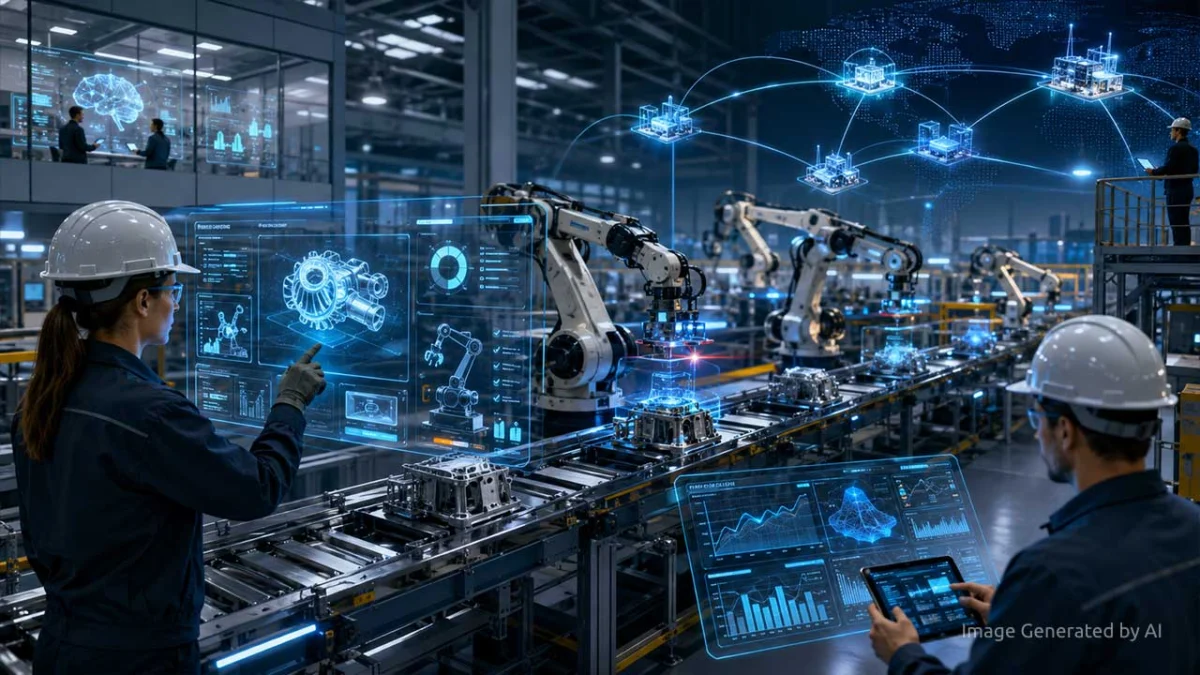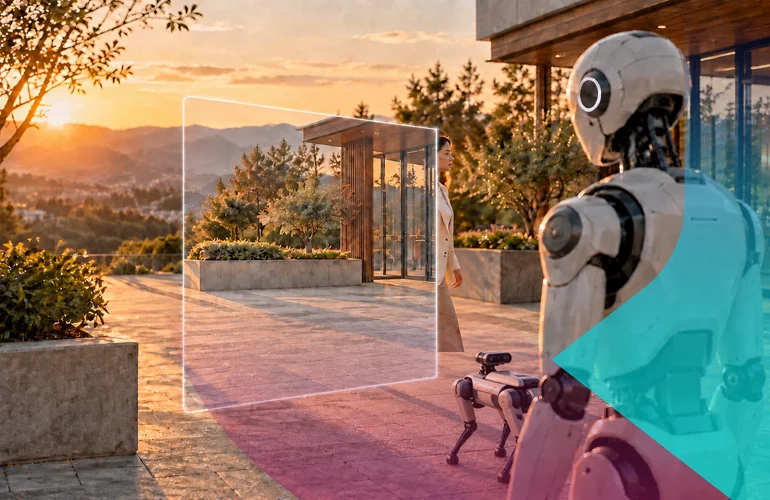
In an era where robotics is rapidly transitioning from isolated industrial cages to dynamic, human-populated environments, the margin for error is shrinking toward zero. As artificial intelligence imbues machines with unprecedented autonomy, the industry faces a paradoxical hurdle: how do you safely test systems designed to navigate unpredictable, real-world chaos?
This week, Oakland-based startup SafeWorld stepped out of stealth mode to address this existential challenge for the robotics industry. Backed by $12.2 million in seed funding, the company is introducing a sophisticated simulation platform designed to validate AI-powered robots in virtual environments before they ever touch physical ground. By providing a scalable, data-driven framework for safety, SafeWorld aims to become the gold standard for testing, proving, and deploying the next generation of autonomous systems.
The Genesis of a Safety Mandate
SafeWorld was founded on a simple yet profound premise: as robots become more capable, our methods for testing them must evolve proportionally. The company is spearheaded by co-founder and CEO Kyle Wong and co-founder Ding Zhao, who serves as the director of the Safe AI Lab at Carnegie Mellon University.
Their collaboration represents a fusion of high-level academic research and pragmatic, market-ready engineering. According to Zhao, the impetus for the company stems from the "AI revolution" in robotics. "We have been using robots for nearly a century," Zhao noted. "But AI brought automation to the next level. For the first time, robots were allowed to go out of the cage and share the same space with humans."
This shift—from static, repetitive tasks to collaborative, intelligent movement—necessitates a paradigm shift in safety engineering. The "caged" model of the 20th century, where safety was achieved by physical separation, is no longer viable for humanoids, mobile logistics robots, and autonomous mobile robots (AMRs) operating in warehouses or residential settings.
A Chronology of the Safety Crisis
To understand why SafeWorld has emerged now, one must look at the recent trajectory of the robotics industry.
- Pre-2020s: Robotics development was largely dominated by industrial manufacturing. Safety was achieved through "fencing off" equipment. Software testing was largely deterministic, meaning if the code was correct, the machine performed as expected.
- The AI Inflection Point (2020–2024): The integration of deep learning and large language models allowed robots to navigate non-deterministic environments. However, these systems introduced the "black box" problem: it became difficult to predict exactly how a robot would react to a rare, edge-case event.
- The Regulatory and Trust Gap (2024–2026): As deployment timelines accelerated, companies faced increasing scrutiny from stakeholders, insurers, and the public. Manual testing and physical trial-and-error became too expensive, too slow, and dangerously prone to oversight.
- The Launch of SafeWorld (October 2026): By closing its $12.2 million seed round, co-led by Shine Capital and a16z Speedrun, SafeWorld officially enters the market to provide a standardized, third-party validation layer.
The Mechanics of Simulation: Inside the Platform
SafeWorld’s platform is designed to demystify the complex process of safety validation. The software allows engineering teams to construct realistic, browser-based scenarios based on historical incident data, international safety standards, and raw robot logs.
Crucially, the platform requires no advanced simulation expertise to operate. Once a scenario is built—such as a robot navigating a crowded hallway or interacting with a person in a warehouse—SafeWorld runs the system through thousands of "stress-test" variations. These simulations feature reactive, intelligent human avatars that behave unpredictably, forcing the robot’s AI to adapt in real-time.
Bridging the Gap Between Design and Reality
One of the most significant features of the platform is its "continuous testing" capability. In traditional software development, testing is often a hurdle cleared once before launch. SafeWorld argues that because every software update—or even a change in the physical environment—can introduce new risks, safety must be treated as a continuous, iterative process.
"These are safety scenarios that have not existed yet in the world," Wong explained. "How do you train against something that doesn’t have a wide dataset? It is a massive challenge." By simulating the "too rare, too dangerous, or too expensive" scenarios, SafeWorld provides developers with a safety record that is mathematically defensible and operationally rigorous.
Supporting Data and Strategic Investment
The $12.2 million seed round underscores the high level of confidence investors have in the "safety-as-a-service" model. Beyond the lead investors—Shine Capital and a16z Speedrun—the round included a prestigious lineup:
- Box Group
- Carnegie Mellon University Endowment
- Innovation Endeavors
- SV Angel
The involvement of the Carnegie Mellon University Endowment is particularly notable, signaling a strong alignment between top-tier academic research and the commercial application of AI safety.
For potential customers, the question of "when" to adopt such technology is vital. Wong advises that companies with a deployment timeline of under one year should prioritize safety integration immediately. For firms transitioning from "bringing AI to robots" (like established heavy machinery manufacturers) versus "bringing robots to AI" (software-first startups), the entry point for SafeWorld’s tools varies, but the conclusion remains the same: proactive safety saves millions in long-term liability and reputational risk.
Official Perspectives: The Value of a Third Party
A key differentiator for SafeWorld is its position as a neutral third party. In an industry where companies often self-validate, the presence of an external auditor or verification tool adds a layer of objective trust.
"There is an engineering part around safety, and then there is a trust part of safety," Wong stated. "You need both to deploy."
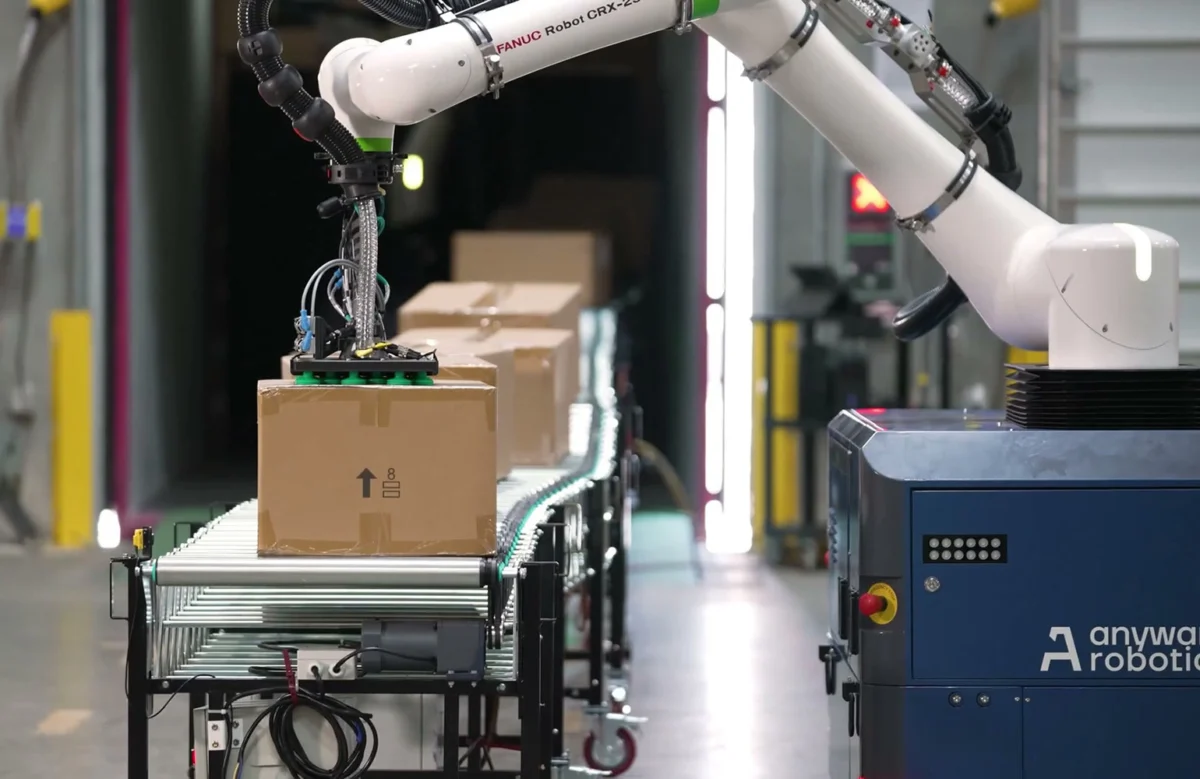
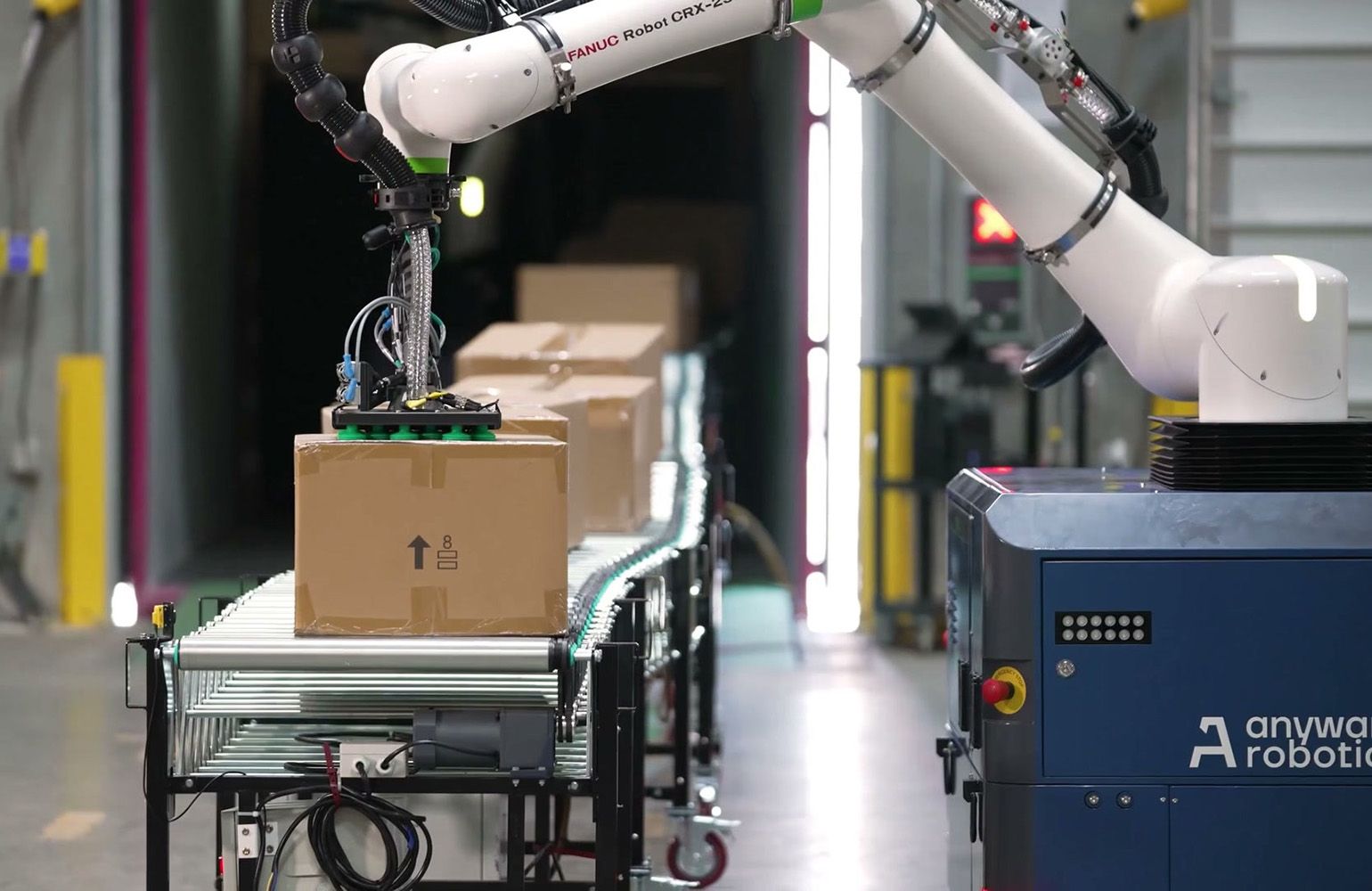
This sentiment is echoed by early adopters in the field. Thomas Tang, CEO of Anyware Robotics, noted that for his company, safety was a foundational requirement from day one. "Advanced simulation tools like SafeWorld give us a scalable way to test challenging scenarios, strengthen our safety processes, and better prepare our robots for real-world deployment," Tang said.
Future Implications: Moving Toward Industry-Wide Standards
SafeWorld’s roadmap extends beyond merely selling software. The company has explicitly stated its intention to use its new capital to fund and promote industry-wide safety research. By championing open-source work and contributing to the frontier of AI safety, the company hopes to raise the bar for the entire sector.
Implications for the Robotics Ecosystem:
- Standardization: As SafeWorld gains traction, it may contribute to the creation of universal "safety benchmarks" that every robot must pass before entering public spaces.
- Insurance and Liability: The ability to present a "safety report" generated by independent simulation software could fundamentally change how insurance companies underwrite autonomous systems.
- Accelerated Adoption: By reducing the time and cost associated with manual safety testing, developers can focus more on innovation, potentially accelerating the speed at which helpful robots reach the consumer and industrial market.
Conclusion: Defining the Future of Human-Robot Collaboration
As we stand on the cusp of a robotic future, the biggest threat to progress is not technological capability, but a loss of public trust. If a high-profile accident occurs due to an unforeseen AI error, the regulatory backlash could set the entire industry back by years.
SafeWorld is positioning itself as the safeguard against such a future. By moving safety from a reactive, "check-the-box" activity to a proactive, simulation-driven pillar of development, the company is doing more than just selling software—it is building the foundation upon which the next century of human-robot collaboration will be constructed. As Zhao aptly put it, this is a "deployment problem." And for the robotics industry, solving this problem is the key to finally bringing robots out of the cage and into our world for good.