WASHINGTON — In the high-stakes environment of construction and industrial manufacturing, a crane lift is an orchestration of precision, physics, and human cooperation. However, a startling new report suggests that this choreography is frequently disrupted by one of the most fundamental human elements: communication.
A comprehensive study released by the National Safety Council (NSC), in collaboration with the NCCCO Foundation, has revealed that nearly every crane professional in the industry has faced communication challenges during lifts. Titled The State of Rigging and Signaling in Crane Operations, the report serves as a sobering wake-up call for an industry where the margin for error is measured in inches and the consequences of failure are often fatal.
The Magnitude of the Problem: Key Findings
The NSC’s Work to Zero initiative, which spearheaded the research, gathered data from 376 industry professionals, including crane operators, riggers, signalpersons, site supervisors, and safety directors. The results were staggering: 98% of respondents reported experiencing some form of communication difficulty during crane lifts within the previous 90-day period.
This pervasive issue suggests that communication breakdown is not an isolated anomaly but rather a systemic challenge embedded within the daily workflow of crane operations. Whether due to ambient noise, radio interference, unclear hand signals, or a breakdown in command-and-control hierarchies, the frequency of these issues points toward a widespread need for standardized, modernized safety protocols.
Chronology and Context: A Decade of Danger
To understand the gravity of these communication gaps, one must look at the historical data. The report highlights that between 2015 and 2024, the United States recorded 405 crane-related workplace fatalities.
A Timeline of Risk
- 2015–2018: The construction boom saw an increase in crane utilization, leading to a rise in site-specific incidents where rigging failures were frequently cited as primary causes.
- 2019–2021: Industry bodies shifted focus toward digital signaling and automated monitoring, yet the human element remained the "weak link" in incident reports.
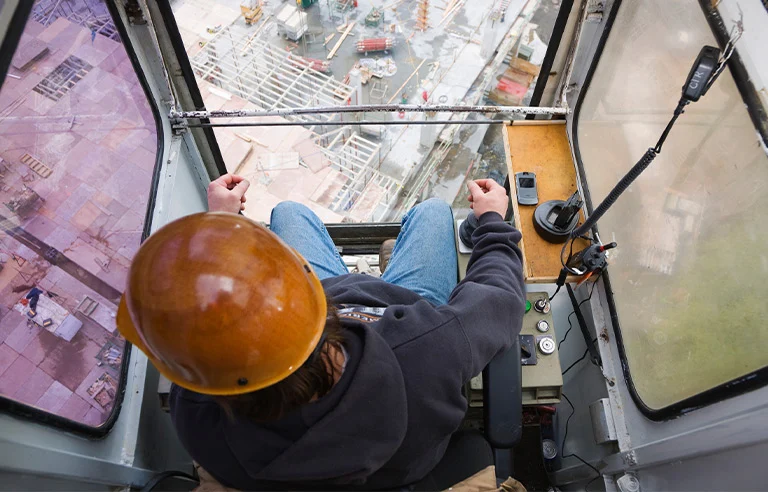
- 2022–2024: The NSC and NCCCO Foundation consolidated data to analyze the root causes of these persistent fatalities. Their findings confirm that nearly 29% of all crane-related fatalities during this decade involved the operators themselves, underscoring that those in the "seat of power" are often the most vulnerable when communication chains fracture.
The data indicates that the industry has struggled to move the needle on crane safety despite advancements in mechanical technology. While cranes have become more sophisticated, the human-to-human interaction required to move heavy loads remains a significant point of failure.
Supporting Data: Why Communication is the Catalyst for Safety
The NSC research goes beyond simple statistics, digging into the "why" behind these safety failures. The report identifies that "human and organizational factors" are the primary drivers of risk.
When a rigger signals a lift but the operator interprets it differently—or when a supervisor’s directive is lost in the background noise of a busy urban job site—the resulting confusion creates a "Serious Injury and Fatality" (SIF) precursor. The report argues that these "near misses," which are rarely tracked with the same rigor as actual injuries, are the warning signs of impending catastrophe.
The survey found that the disconnect often stems from:
- Inconsistent Training: Varied interpretations of standard hand signals and verbal protocols.
- Cultural Barriers: A workplace environment that does not empower junior staff or ground crew to "stop the lift" when they observe a discrepancy.
- Technological Friction: Reliance on outdated radio systems or visual signals that fail in adverse weather or complex site geometries.
Official Responses: Leaders Call for a Shift in Culture
Industry leadership has responded to the report with a mix of concern and a call for immediate, actionable change.
Matt Law, director of the NSC’s Work to Zero initiative, emphasized that technology alone is not a panacea. "Safe crane operations depend on clear communication, careful planning, and a workplace culture that empowers workers to speak up and effectively use safe work practices," Law said during a recent industry forum. "This research shows how human and organizational factors influence safety outcomes and provides employers with practical recommendations to strengthen communication, reduce risk, and help prevent serious incidents and fatalities."
T.J. Cantwell, Executive Director of the NCCCO Foundation, echoed these sentiments, noting that the solution lies in a renewed commitment to foundational training. "This report shows that rigging and signaling both play important parts in implementing a safe lift from start to finish," Cantwell stated. "It’s clear more needs to be done to ensure people are trained in the use of proper rigging and signaling standards, and that those standards are being adhered to in the field in order to improve safety for everyone working with cranes."
The Path Forward: Implications for the Industry
The implications of the State of Rigging and Signaling report are far-reaching. For construction firms and industrial operators, the message is clear: current safety management systems are not adequately addressing the communication gaps that lead to fatal errors.
Strategies for Improvement
Following the release of the report, the NSC and NCCCO Foundation hosted an educational webinar aimed at providing practitioners with a blueprint for reform. The strategies discussed include:
- Standardized Signaling Protocols: Moving beyond "site-specific" habits to adopt universal, rigorous signaling standards that leave no room for ambiguity.
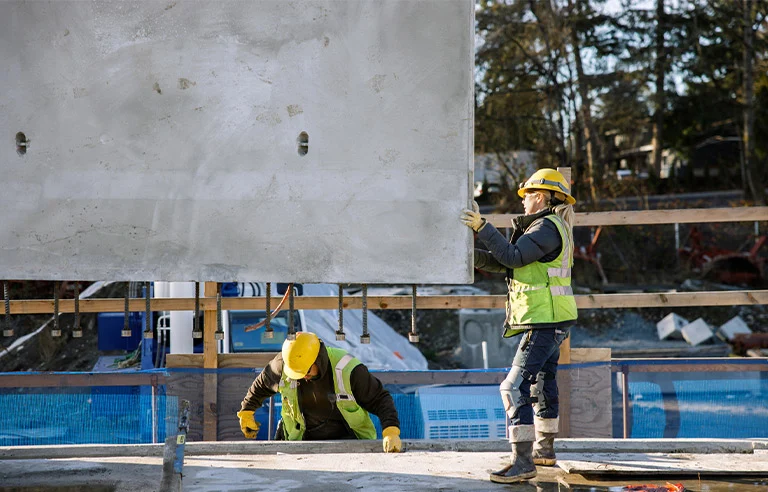
- Empowerment Programs: Implementing "Stop Work Authority" policies that are not just on paper, but are actively encouraged and celebrated by management. If a rigger feels the signal is misunderstood, they must have the institutional backing to halt the lift without fear of reprisal.
- Enhanced Training Cycles: Moving away from "one-and-done" training toward continuous, competency-based assessments that reflect real-world site conditions.
- Technological Integration: Investing in modern, noise-canceling, and high-fidelity communication gear that ensures clear, uninterrupted verbal contact between the rigger and the operator, even in high-decibel environments.
Conclusion: Bridging the Gap
The fact that 98% of crane professionals have experienced communication challenges in the last three months is a statistic that the construction industry cannot afford to ignore. With 405 lives lost over the last decade, the industry stands at a crossroads.
The report from the NSC and the NCCCO Foundation provides more than just data; it provides a mirror. It forces employers to look at their job sites and ask whether they are fostering a culture of clarity or a culture of assumption. By prioritizing the human element—training, communication, and psychological safety—the crane industry can transform from a sector marked by avoidable accidents into a model of precision and safety.
As the industry looks toward the next decade, the challenge is not just to build higher or lift heavier, but to ensure that every lift is backed by a clear, shared understanding of the goal. In the world of crane operations, silence or confusion is the enemy; communication is the only tool that can truly hold the weight of safety.