As supply chain vulnerabilities mount and financial losses from cargo theft reach historic highs, logistics technology companies are introducing innovative ways to secure freight. Among the most promising developments is the integration of artificial intelligence, computer vision, and yard-management data to trace missing shipments, hold bad actors accountable, and eliminate the traditional blind spots that plague distribution hubs.
A recent case study published by YMX Logistics highlights how modern FreightTech can successfully untangle complex supply chain mysteries. By combining automated gate cameras with intelligent yard-management software, investigators were able to connect five compromised shipments of cheese to a single truck and driver, yielding critical evidence for a substantial insurance and recovery claim.
This technological breakthrough arrives at a critical juncture for the logistics industry. With cargo thefts and inventory shortages bleeding hundreds of millions of dollars from shippers and retailers annually, automated yard visibility is rapidly transitioning from an experimental luxury into a vital operational defense mechanism.
The Investigation: Tracking Missing Cheese in Arizona
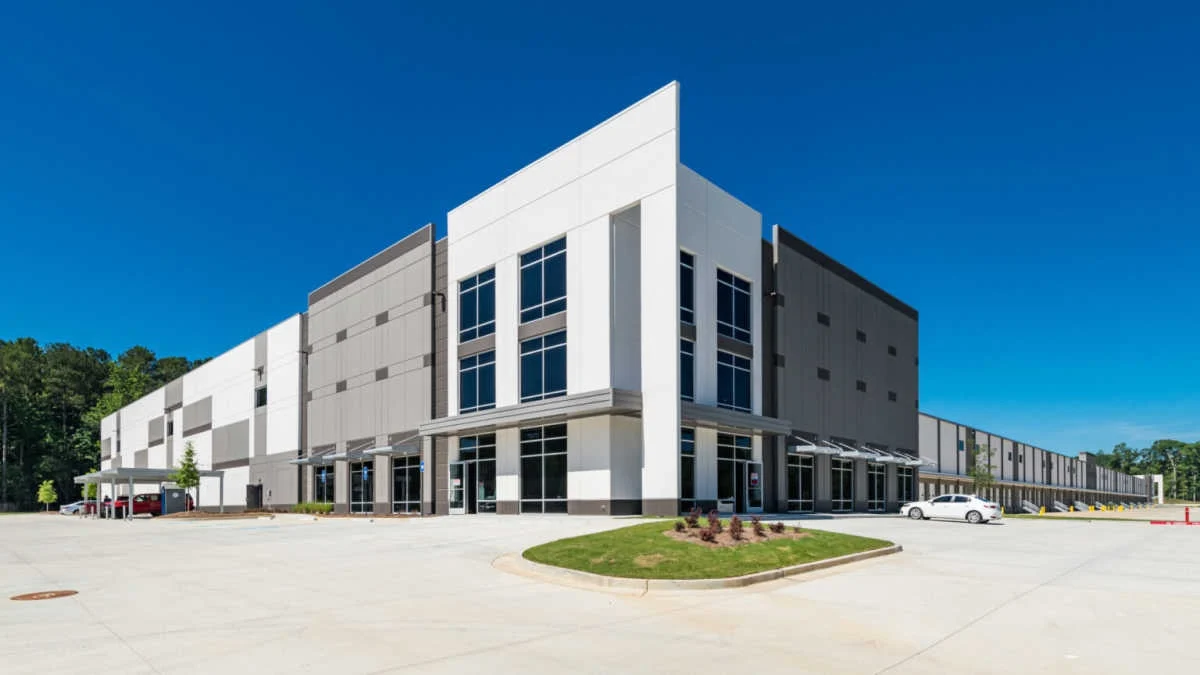
The real-world test of YMX Logistics’ technology unfolded at a high-volume distribution facility in Arizona, operated by an unnamed top-five U.S. grocery retailer boasting over 2,000 stores across more than 30 states and fiscal 2025 sales exceeding $145 billion.
The facility handles between 600 and 800 truck movements daily, creating a massive influx of inbound and outbound traffic that makes manual tracking nearly impossible. The problem centered on repeated shipments of cheese originating from a Minnesota supplier. Time and again, loads arrived at the retailer’s Arizona facility with noticeably fewer pallets than what was explicitly stated on the accompanying purchase orders.
While the retailer’s internal investigators quickly identified the supplier and the specific shipping lanes involved, they faced a frustrating information gap: they did not initially know which carriers or individual drivers had handled the compromised loads. Without positive identification of the transport providers, recovering the financial losses or preventing future discrepancies proved exceedingly difficult.
Turning to YMX Logistics for assistance, investigators utilized the platform’s advanced data-retrieval capabilities. By cross-referencing shipment details with the yard-management system, YMX pinpointed the exact carriers that had operated those specific lanes. From there, the team pulled high-definition gate video footage corresponding to the relevant delivery dates.
The computer vision system processed the footage, surfacing the exact trailers and drivers associated with the shipments. This digital paper trail allowed investigators to conclusively link all five shorted loads to a specific truck and driver. According to YMX, the irrefutable video evidence fully supported the retailer’s claim to recover approximately $60,000 in missing dairy products. Although privacy and legal constraints prevented YMX from disclosing the exact party against whom the claim was filed or its final legal outcome, the case underscored the immense value of automated yard tracking in resolving freight disputes.
Chronology of the Innovation: From Gate Logs to AI-Driven Yards
Traditionally, distribution yards have functioned as logistical black holes. Information regarding trucks, trailers, and freight has historically been fragmented across manual gate logs, disconnected spreadsheets, transportation management systems (TMS), and erratic physical checks performed by yard personnel. When a discrepancy was discovered downstream—often days after a load was dropped off—reconstructing the timeline was a tedious, guesswork-laden process.
The evolution of YMX Logistics’ system bridges this gap through a multi-step automated architecture:
- Inbound Capture: As commercial trucks approach the distribution facility, automated gate cameras record every vehicle entering and leaving the property.
- Machine-Learning Extraction: Advanced machine-learning software instantly captures and logs critical data points, including license plates, trailer numbers, and carrier details. Even when a carrier’s name or logo is obstructed or not clearly visible to the human eye, the system uses visual cues to identify the carrier correctly.
- Digital Record Generation: All captured data is seamlessly ingested into a centralized yard-management platform, creating an immutable digital record of every truck movement.
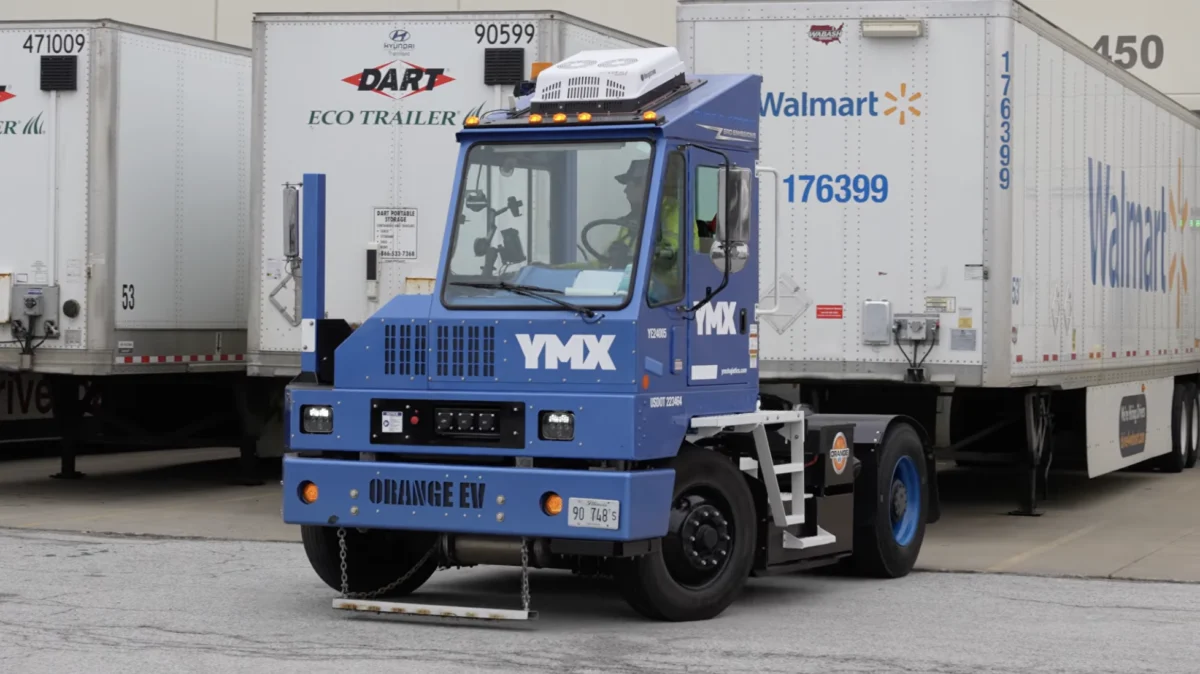
- Dock-Level Tracking: The technology extends beyond the perimeter. YMX integrates gate footage with specialized cameras mounted directly on yard trucks—the hostler vehicles responsible for moving trailers around the facility. These onboard cameras record the precise time and location of every trailer dropped at a dock door.
- Post-Incident Investigation: When a shortage or theft is flagged, security teams no longer need to sift through piles of paper logs. Instead, they can query the platform’s database to reconstruct a trailer’s entire lifecycle within the yard, from its initial entry at the gate to its final resting place at the unloading bay.
Despite its power, YMX is careful to clarify the boundaries of the technology. While the system provides an airtight record of what entered the facility and when, the gate footage alone does not establish precisely where the pallets went missing or who removed them. Because the cameras are positioned at the retailer’s facility, the records confirm which trucks and drivers delivered the loads and when they arrived. Consequently, the shortages could have occurred at multiple points in the supply chain: during initial loading by the supplier in Minnesota, while in transit on the highway, or after the shipments safely cleared the retailer’s security gates.
The Broader Issue: An Escalating Crisis in Cargo Theft
The deployment of AI-driven yard visibility occurs against a backdrop of rising cargo crime that continues to threaten North American supply chains. While the overall number of theft incidents fluctuates, the financial impact on businesses has ballooned to unprecedented levels.
Data from Verisk CargoNet illustrates the changing nature of supply chain crime. During the second quarter, CargoNet recorded 677 theft incidents across the United States and Canada, representing a 26% decrease compared to the same period in the previous year. However, despite this drop in raw incident volume, estimated financial losses more than doubled, soaring to a staggering $304.6 million for the quarter alone, driven largely by high-value technology heists and targeted thefts of metals and commodities.
Food and beverage freight has proven to be an especially lucrative and vulnerable target for criminal rings. CargoNet reported 708 food and beverage thefts in 2025, marking a staggering 47% increase from the prior year and representing the largest surge of any commodity category tracked by the organization.
When viewed holistically, the numbers are sobering. Estimated cargo theft losses across all commodity types reached nearly $725 million in 2025—a massive 60% increase over 2024 figures. As thieves become more sophisticated, utilizing tactics like strategic theft, fictitious pickups, and cargo diversion, traditional security measures are increasingly falling short.
Industry Response: FreightTech Competitors and Market Expansion
YMX Logistics is far from alone in its pursuit of advanced supply chain security. The broader FreightTech sector is experiencing a wave of innovation centered on ambient visibility and automated monitoring.
For instance, companies like Wiliot have introduced cutting-edge ambient IoT (Internet of Things) technology. By deploying item-level sensors that travel with individual goods, supply chain operators can detect potential theft, unauthorized product diversion, and improper handling conditions in real-time as freight moves across long distances.
Meanwhile, adoption rates for yard automation solutions are climbing. Following successful pilots, YMX Logistics reports that its flagship yard operating system is being tested by the major U.S. grocery retailer across multiple distribution facilities, including the high-capacity Arizona hub. Additionally, another major food distributor has begun evaluating the technology at one of its primary locations.
This growing market interest reflects a fundamental shift in shipper priorities. Companies are no longer willing to accept inventory shrinkage as an unavoidable cost of doing business. By investing in automated yard management, shippers are bringing transparency to an area of the supply chain that has historically lacked oversight, effectively turning their distribution yards into secure, data-driven fortresses.
Implications for the Future of Supply Chain Security
The successful recovery of funds in the Minnesota cheese shipment case study illustrates a powerful paradigm shift in logistics management. Computer vision and yard-management systems are no longer just efficiency tools designed solely to reduce dwell times and optimize dock scheduling; they have evolved into essential instruments for asset protection and legal accountability.
For corporate security teams, the ability to seamlessly link gate logs, carrier identities, and dock-movement records provides a reliable forensic toolkit. When shipments arrive short, investigators can bypass days of administrative ambiguity and pinpoint responsible parties with verifiable digital evidence.
As cargo theft schemes grow increasingly complex, the convergence of artificial intelligence, machine learning, and physical yard surveillance will play a pivotal role in safeguarding goods. For shippers navigating an era of mounting logistics risks, embracing these technologies is no longer just a way to streamline yard operations—it is a necessary shield against the rising tide of supply chain crime.