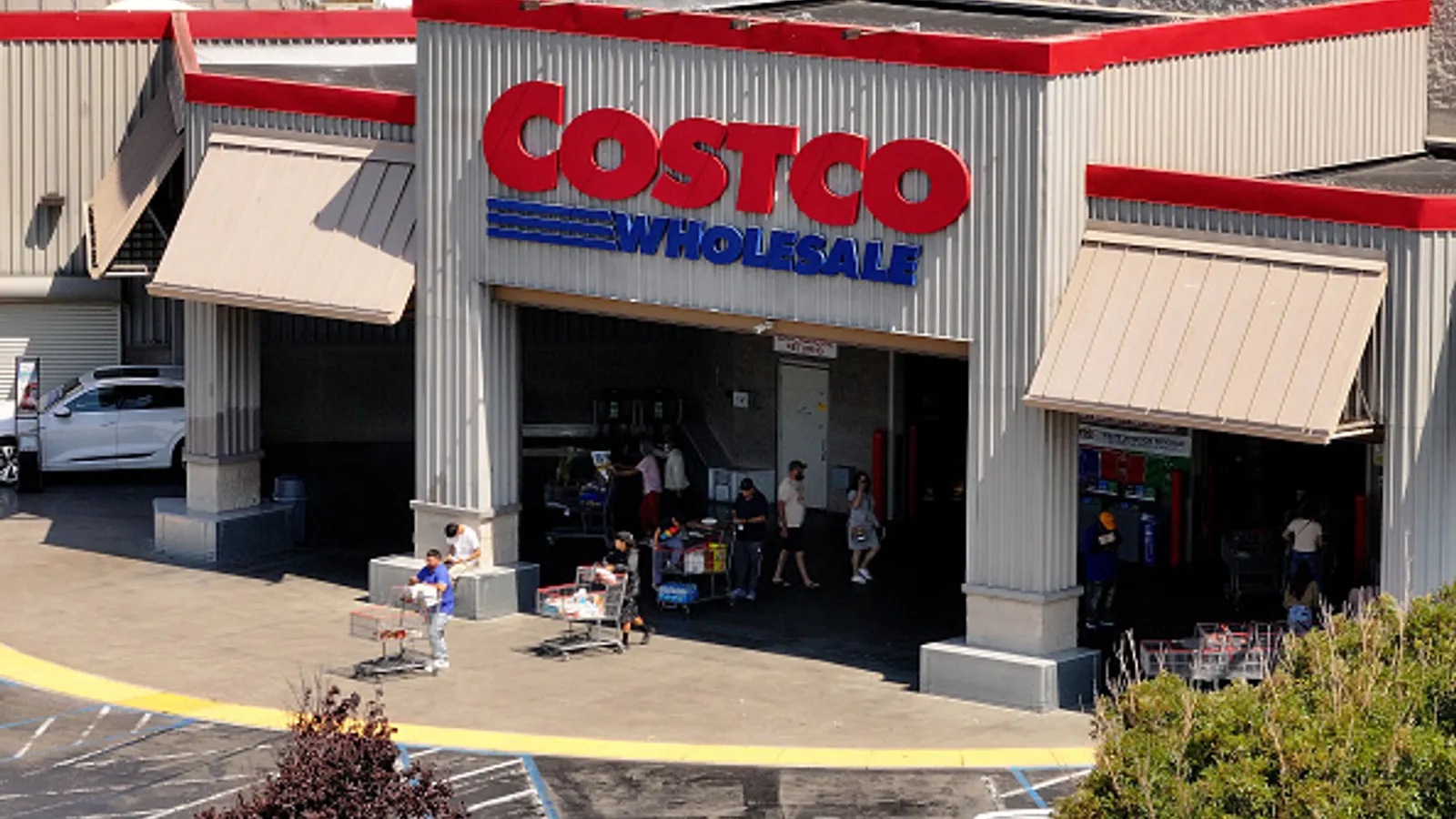
ISSAQUAH, Wash. — Costco Wholesale Corporation continues to demonstrate its resilience as a heavyweight in the global retail sector, posting stellar fourth-quarter and full-year operating results for fiscal 2026. However, alongside strong sales growth and impressive net income figures, the warehouse retail giant finds itself navigating a complex web of regulatory windfalls, ongoing consumer litigation regarding tariff reimbursements, and persistent, albeit shifting, inflationary pressures.
During recent earnings calls, executives including CEO Ron Vachris and CFO Gary Millerchip highlighted how the company is deploying millions of dollars in federal tariff refunds. While the influx of capital has allowed Costco to pass savings directly onto consumers through lower prices—bolstering its competitive edge—it has simultaneously triggered legal friction, drawing consumer class-action lawsuits over who rightfully owns the refunded capital.
Main Facts
The financial heartbeat of Costco’s recent disclosures centers on its formidable performance during the fourth quarter of fiscal 2026. The Issaquah-headquartered membership warehouse club reported a net income of $2.99 billion for the quarter, marking a substantial increase compared to the $2.6 billion recorded during the same period in the previous fiscal year. Net sales surged by 11.2% year-over-year, hitting $93.9 billion.
Driving much of the discussion during the corporate earnings updates was the influx of capital resulting from U.S. Customs and Border Protection (CBP) tariff refunds. These refunds stem from a landmark February U.S. Supreme Court decision that invalidated tariffs previously imposed by President Donald Trump under the International Emergency Economic Powers Act (IEEPA).
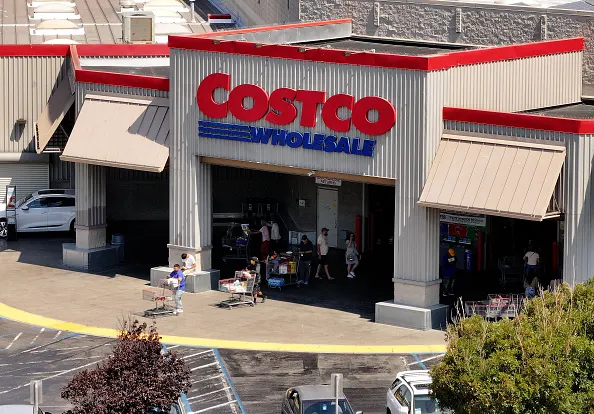
According to CEO Ron Vachris, Costco has "predominantly" funneled these initial IEEPA tariff refunds into lowering prices for its shoppers. Yet, this strategy has placed the retailer at the center of a burgeoning legal debate. While Wall Street analysts view Costco as a "crown jewel in retail"—cementing its place among the "Big 3" market share gainers alongside Walmart and Amazon—the company’s handling of the tariff refunds has attracted proposed class-action lawsuits. Plaintiffs argue that the savings should be shared directly with the shoppers who originally absorbed the tariff-inflated prices, rather than being retained by the corporation to adjust baseline store pricing.
Beyond macroeconomic and legal headwinds, leadership also touched upon consumer favorites, announcing the temporary return of the popular food court churro to U.S. locations—a lighthearted tradition on Costco earnings calls that frequently generates social media buzz.
Chronology of Events
To understand how Costco arrived at its current financial and legal standing, it is necessary to trace the timeline of regulatory changes, corporate responses, and legal actions:
- February: The U.S. Supreme Court issues a definitive ruling striking down the use of the International Emergency Economic Powers Act (IEEPA) to levy specific import tariffs, rendering the previously collected duties unlawful and triggering a massive refund process through U.S. Customs and Border Protection.
- May (Previous Fiscal Year): During an earnings call, CFO Gary Millerchip notes that Costco views raising prices as a "last resort," even as general inflationary adjustments are being evaluated. These comments later become a central piece of evidence used by consumer attorneys.
- March: An Illinois Costco customer files a proposed class-action lawsuit against the retailer. The plaintiff alleges that Costco engaged in unfair and deceptive trade practices by planning to use potential federal tariff refunds to lower future prices rather than distributing direct restitution to consumers who bore the brunt of the IEEPA-driven price hikes.
- May (Current Year): Costco fires back legally, filing a formal motion to dismiss the Illinois consumer lawsuit. The company’s legal representation argues that the claims lack merit, asserting that the consumer received the exact product they paid for and that Costco never made any contractual or implied promise to issue retroactive price adjustments if import duties were later struck down.
- September 24: CEO Ron Vachris officially confirms during a corporate update that the retailer has "predominantly" utilized the initial wave of IEEPA tariff refunds to lower prices across its inventory.
- September 25: Equity research analysts at Citigroup release a comprehensive client note evaluating Costco’s Q4 performance. They highlight an "upside on sales and margins," though they note that the stellar numbers were slightly overshadowed by decelerating membership growth. Citi maintains a "neutral" rating on the stock.
- Early September: Costco legal counsel indicates that the company is actively awaiting a judicial ruling regarding the motion to dismiss the consumer tariff lawsuit.
- October 5: Financial reporting outlets formalize the broader operational and fiscal impacts of the IEEPA refunds, with executives confirming that non-recurring items and tariff-related adjustments will continue to influence financial modeling throughout fiscal 2027.
Supporting Data and Financial Metrics
Costco’s financial disclosures paint a picture of an enterprise operating from a position of immense strength, even as external volatility looms.

- Net Income: Q4 net income reached $2.99 billion, up from $2.6 billion year-over-year.
- Net Sales: Total net sales for the fourth quarter rose by 11.2% to land at $93.9 billion compared to the corresponding period in fiscal 2025.
- Market Position: Citigroup designated Costco as one of the "Big 3 market share gainers" in the American retail landscape, operating alongside retail titans Walmart and Amazon.
- Inflation Tracking: Management noted that overall inflation is holding steady in the low single digits, matching trends observed in previous quarters. However, the macro-level number obscures significant item-level variance.
- Commodity Fluctuations: Deflationary trends were notably observed in household staples such as eggs, dairy, and butter. Conversely, persistent inflation impacted categories such as gasoline, motor oil, and resins—pressures exacerbated by geopolitical conflict in the Middle East—alongside ongoing pricing volatility in consumer electronics.
Official Responses and Corporate Commentary
Costco’s executive leadership has maintained a transparent, albeit cautious, dialogue regarding the interplay between federal refunds, pricing strategy, and unpredictable global supply chains.
CFO Gary Millerchip addressed the multi-quarter financial footprint of the tariff adjustments, noting that because the tariff refunds, reinvestments, and various non-recurring items will continue to ripple through the books, the company intends to provide clear, granular disclosures regarding these factors in upcoming quarterly earnings calls.
Addressing the volatile macroeconomic environment, Millerchip emphasized the difficulty in forecasting future pricing trends. "We think it’s difficult to predict what’s going to happen with inflation," Millerchip stated during the earnings briefing. He pointed specifically to the uncertainty surrounding geopolitical tensions in the Middle East, which continue to inject volatility into oil and petroleum-derived commodities. "And then, of course, there’s still uncertainty around potentially where exactly we land on the tariffs that exist today or could exist in the future."
Regarding the consumer litigation, Costco has chosen to let its legal filings speak for the corporate stance. The corporation’s defense maintains that transactions are final at the point of sale: the customer exchanged capital for goods at a mutually agreed-upon price, and no agreement ever stipulated that regulatory windfalls or tax reversals would be retroactively funneled back to individual past purchasers.

Broader Implications for Retail and Supply Chain Management
The intersection of Supreme Court tariff rulings, massive corporate refunds, and consumer lawsuits carries sweeping implications for the broader retail and supply chain sectors.
1. Precedent for Regulatory Refunds
The IEEPA ruling and subsequent CBP refunds have created an unprecedented financial scenario for import-heavy retail organizations. Historically, when tariffs are struck down, companies must decide whether to retain the capital to repair balance sheets, reinvest in operational infrastructure, or pass savings down to the consumer base. Costco’s approach—lowering prices to drive volume and protect market share—demonstrates how macroeconomic windfalls can be leveraged as a tactical marketing and pricing tool. However, the consumer backlash suggests that companies executing similar strategies must prepare for reputational and legal challenges.
2. The Evolution of Consumer Class Actions
The class-action lawsuits filed against Costco and other major retailers represent a novel legal frontier. If plaintiffs successfully establish that consumers have a legal or equitable claim to tariff refunds embedded in past purchases, it could fundamentally alter how retailers manage regulatory windfalls. Conversely, a dismissal in Costco’s favor will likely cement the principle that retail pricing is final and that downstream benefits of corporate tax or tariff relief do not automatically trigger retroactive consumer rebates.
3. Supply Chain Agility and Inflationary Resilience
Costco’s ability to absorb commodity-specific inflation—such as spikes in motor oil and electronics—while passing along deflationary savings in dairy and eggs highlights the sophistication of modern warehouse club supply chains. By maintaining low single-digit inflation overall, Costco protects its value proposition: that membership fees unlock wholesale prices insulated from wild retail swings.
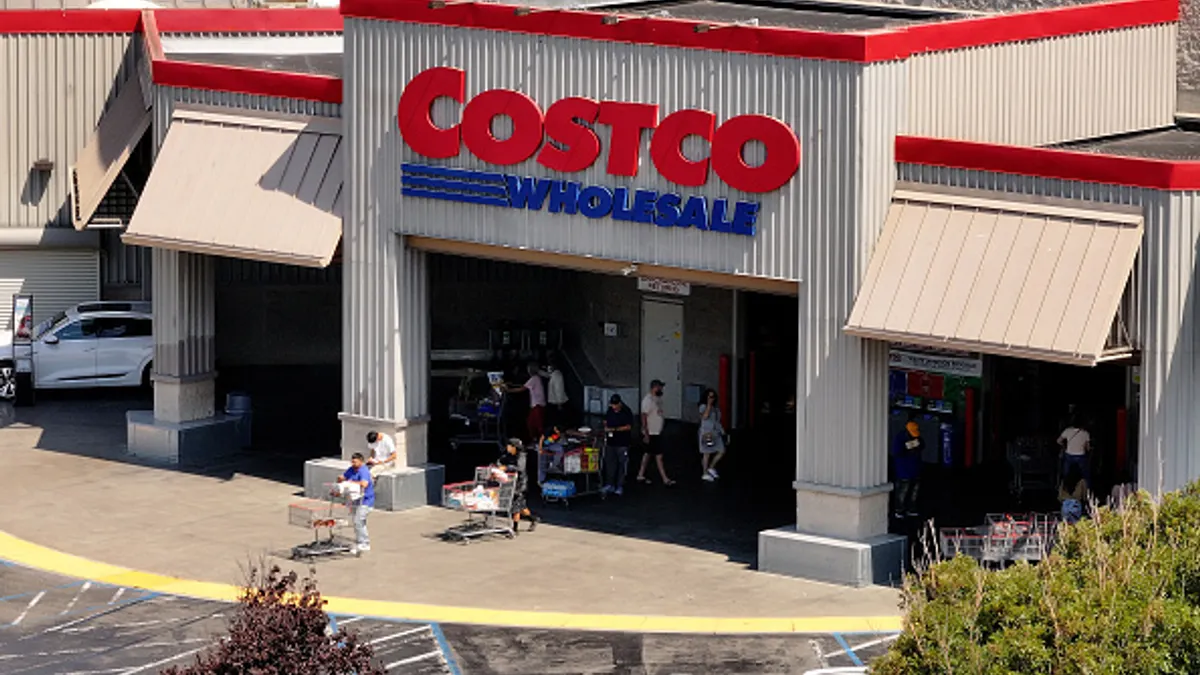
As fiscal 2027 unfolds, market analysts will closely monitor how Costco manages its ongoing tariff accounting, the resolution of its pending class-action litigation, and whether its price-reduction strategy continues to successfully drive the high-volume sales that keep its membership model thriving.