CHICAGO — As medical device manufacturers, pharmaceutical producers, and biotechnology companies navigate an increasingly complex regulatory landscape, the pressure to modernize production operations has never been higher. Modern manufacturing floors require absolute precision, seamless data integration, and ironclad traceability. In response to these escalating demands, software providers are shifting their focus toward unified manufacturing platforms that can comprehensively manage rework, contract manufacturing, and end-to-end production tracking.
A prime example of this digital transformation is the recent rollout of the 2026 updates for the QT9 ERP platform. Tailored specifically for highly regulated industries, the latest software iteration introduces specialized modules and automation tools designed to eliminate manual bottlenecks, streamline outsourced operations, and ensure uncompromised audit readiness.
These technological advancements arrive at a critical juncture for the industry. As companies prepare to gather at major sector events—such as The ASSEMBLY Show, scheduled for October 27–29 in Rosemont, Illinois—discussions surrounding production visibility, quality control, and operational efficiency will take center stage.
Main Facts: What’s New in the QT9 2026 ERP Update
The 2026 update to the QT9 ERP platform represents a targeted response to the unique operational hurdles faced by life sciences and regulated manufacturers. Rather than offering generic enterprise resource planning tools, the latest release focuses heavily on the granular details of compliance, supply chain oversight, and shop-floor adaptability.
At the core of the 2026 release are several critical enhancements:
- Dedicated Rework Modules: Designed to manage, document, and trace the correction of non-conforming products without compromising regulatory adherence.
- Contract Manufacturing Capabilities: New functionalities that extend strict traceability and quality oversight to outsourced production partners and third-party vendors.
- One-Click Electronic Batch Records (EBR): A streamlined documentation tool that drastically reduces the time required to compile, review, and approve batch histories.
- Enhanced Material Management: Improved tracking tools to monitor raw materials, work-in-progress (WIP), and finished goods across the entire manufacturing lifecycle.
- Ecosystem Integrations: Native integrations with shipping and tax compliance platforms like Avalara and ShipStation to unify back-office and logistics workflows.
- AI-Powered Help Center: An intelligent support tool designed to provide users with immediate, context-aware assistance, minimizing operational downtime.
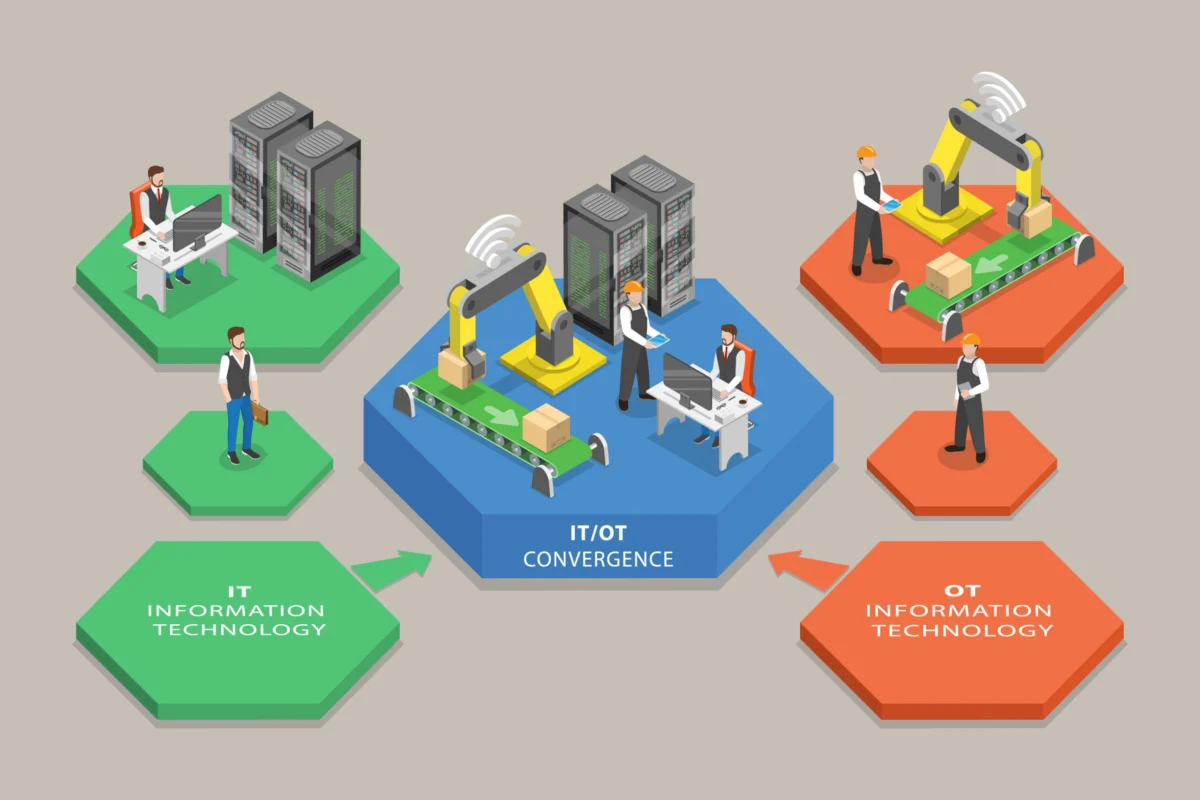
These features underscore a broader industry movement: the transition away from fragmented legacy systems toward unified platforms where quality management systems (QMS) and enterprise resource planning (ERP) operate as a single cohesive unit.
Chronology: The Evolution of Regulated Manufacturing Software
To understand the significance of the 2026 QT9 updates, it is helpful to examine how software solutions for regulated industries have evolved over the past two decades.
Phase 1: Paper-Based and Siloed Systems (Pre-2010s)
For many years, medical device and pharmaceutical manufacturing relied heavily on paper-based batch records, manual sign-offs, and physical travelers. Quality management and enterprise planning often existed in completely separate silos. A change in inventory required manual updates across multiple ledgers, leaving significant room for human error. Auditing was a grueling, weeks-long process involving the manual sorting of physical filing cabinets.
Phase 2: The Rise of Disjointed Digital Tools (2010s–2020)
As digital transformation swept through industrial sectors, manufacturers began adopting software solutions to digitize their operations. However, early solutions were frequently disjointed. Companies would purchase an ERP system for inventory and financials, a separate QMS for managing non-conformances, and custom spreadsheets to track contract manufacturers. Bridging these systems required complex, error-prone integrations that often broke during routine software updates.
Phase 3: The Move Toward Unified Platforms (2020–Present)
Following global supply chain disruptions and heightened regulatory scrutiny, the industry recognized the urgent need for unified manufacturing platforms. Regulators such as the U.S. Food and Drug Administration (FDA) increasingly emphasized data integrity, prompt error remediation, and robust supply chain visibility. Software developers responded by embedding quality controls directly into core ERP workflows.
The 2026 QT9 ERP update is a direct product of this modern era. By integrating rework handling, contract manufacturing oversight, and one-click electronic batch records into a single platform, the software reflects the industry’s maturation toward holistic, real-time digital oversight.
Supporting Data: The Cost of Complexity in Regulated Industries
The demand for advanced ERP solutions in medical device and pharmaceutical manufacturing is driven by harsh economic and regulatory realities. Operating in a highly regulated environment involves unique financial and operational pressures:
- The Burden of Compliance: According to industry benchmarks, life sciences manufacturers spend a disproportionately high percentage of their operational budgets on documentation, quality assurance, and audit preparation. Manual data entry and document verification consume thousands of employee hours annually.
- The Risk of Non-Compliance: A single FDA warning letter, product recall, or failed audit can cost a manufacturer millions of dollars in direct fines, lost revenue, and reputational damage. In extreme cases, systemic traceability failures can lead to product withdrawals that endanger patient safety.
- The Rise of Outsourcing: A significant majority of medical device and biotech firms utilize contract manufacturing organizations (CMOs) to scale production. However, outsourcing introduces considerable risk. Without real-time visibility into a CMO’s facility, original equipment manufacturers (OEMs) struggle to maintain consistent quality control and regulatory compliance.
- The Shift to Digital Audits: Modern regulatory bodies increasingly expect digital traceability—the ability to trace a finished product backward to its raw material lots and forward to its distribution destination within seconds, rather than days.
These data points illustrate why tools like QT9’s one-click electronic batch records and contract manufacturing modules are no longer viewed as luxury additions, but as fundamental necessities for risk mitigation.

Official Responses and Industry Perspectives
Industry stakeholders, software developers, and manufacturing experts have weighed in on the shifting technological landscape, emphasizing the necessity of integrated digital tools.
The Role of Software Providers
Industry analysts note that software providers serving the life sciences sector must constantly adapt to tightening regulations and evolving manufacturing models. Platforms that fail to provide seamless traceability across outsourced supply chains risk becoming obsolete.
"Manufacturers in regulated industries continue to seek ways to reduce manual documentation, strengthen traceability, and improve visibility across manufacturing, inventory, and quality operations as compliance requirements become increasingly complex," industry observers point out. By combining automated compliance features with modern integrations—such as AI-driven help centers and automated tax and shipping tools—tech providers are attempting to ease the administrative burden on plant managers and quality engineers.
The Voice of the Assembly Floor
The practical applications of these software advancements will be a major talking point at upcoming industry gatherings. Events like The ASSEMBLY Show, set to take place in Rosemont, Illinois, provide a vital forum where engineers, plant managers, and automation experts can evaluate new technologies firsthand.
Discussions at the conference are expected to focus heavily on how artificial intelligence, cloud-based ERP platforms, and advanced assembly technologies can improve production visibility and operational efficiency. Attendees will be looking for actionable strategies to bridge the gap between high-level quality management and day-to-day shop-floor execution.
Implications: What the 2026 Updates Mean for Manufacturers
The introduction of advanced, vertically integrated ERP updates carries far-reaching implications for the medical device, pharmaceutical, and biotechnology sectors.
1. Accelerated Time-to-Market
By automating the compilation of electronic batch records and streamlining rework management, manufacturers can significantly reduce the cycle time required to clear a batch for release. Faster batch release translates directly to shortened lead times and quicker delivery of critical medical devices and pharmaceuticals to healthcare providers and patients.
2. Enhanced Supply Chain Resilience
The inclusion of dedicated contract manufacturing modules allows OEMs to treat external partners as seamless extensions of their own production floors. Real-time data sharing ensures that quality standards are upheld, regardless of whether a component is built in-house or outsourced overseas. This level of visibility acts as a bulwark against supply chain disruptions and quality leakage.
3. Stress-Free Auditing
With one-click electronic batch records and centralized material management, preparing for an FDA audit or ISO certification review transforms from a frantic, paper-chasing scramble into an orderly, transparent process. Auditors can be granted secure, targeted access to historical data, proving compliance swiftly and definitively.
4. Cultural Shift Toward Automation
As AI-powered help centers and automated compliance tools become standard features within ERP platforms, manufacturing personnel are freed from tedious administrative tasks. Quality engineers and assembly workers can pivot away from paperwork and focus on continuous improvement, process optimization, and innovation.
Conclusion
The release of the 2026 QT9 ERP updates highlights a broader, undeniable truth about modern manufacturing: complexity can no longer be managed with manual methods. As regulatory requirements grow stricter and supply chains become more decentralized, life sciences manufacturers must embrace unified digital platforms that tie together enterprise planning, quality control, and shop-floor execution.
Platforms that successfully merge rework management, contract manufacturing oversight, and instant electronic record-keeping are setting a new benchmark for the industry. As professionals prepare to convene at events like The ASSEMBLY Show in Rosemont, the message is clear—future-proofing manufacturing operations requires a commitment to visibility, traceability, and intelligent automation.