Published: October 1, 2026
Source: ESG Dive
Author: Zoya Mirza
Main Facts
In a landmark move to curb one of the world’s most carbon-intensive industries, leading apparel giants have joined forces with energy management and automation leader Schneider Electric to launch the "Fashion Renewable Collective" (FRC). Announced on October 1, 2026, the collaborative initiative is specifically designed to help global fashion suppliers adopt renewable electricity at scale, transforming high-emission manufacturing hubs into sustainable power consumers.
The FRC addresses a critical bottleneck in corporate sustainability: while hundreds of apparel brands have established ambitious net-zero targets, they have historically struggled to translate these individual pledges into measurable, durable emissions reductions across their sprawling, multi-tiered global supply chains. By establishing a unified framework, the collective aims to pool resources, streamline education, and democratize access to renewable energy procurement for suppliers of all sizes.
The initiative leverages Schneider Electric’s specialized consulting arm, SE Advisory Services, to provide participating suppliers with digital education modules, market guidance, and advanced technical tools. Through this structured implementation model, the FRC intends to widen access to a broad spectrum of green energy solutions—ranging from corporate power purchase agreements (PPAs) and energy attribute certificates (EACs) to local energy storage systems and distributed on-site renewable power generation.
Chronology of the Initiative
The genesis of the Fashion Renewable Collective reflects years of growing frustration among apparel brands regarding the complexities of Scope 3 emissions—indirect greenhouse gas emissions that occur in a company’s value chain.
- Early 2020s: As the climate crisis intensified, major apparel brands began rolling out individual science-based targets (SBTs) aimed at achieving net-zero emissions by 2030 or 2050. However, internal reporting quickly revealed that brand-owned retail stores and corporate offices accounted for only a tiny fraction of their overall carbon footprint. The vast majority of emissions were locked away in outsourced manufacturing, wet processing, fabric mills, and garment assembly lines.
- 2021–2024: Studies from various environmental groups and industry think tanks repeatedly highlighted that fashion supply chains were operating largely on fossil fuels, particularly in manufacturing powerhouses across South and East Asia. Individual brands attempted to mandate green transitions for their tier-one and tier-two suppliers, but fragmented demands, prohibitive costs, and a lack of technical expertise created widespread friction and slow adoption rates.
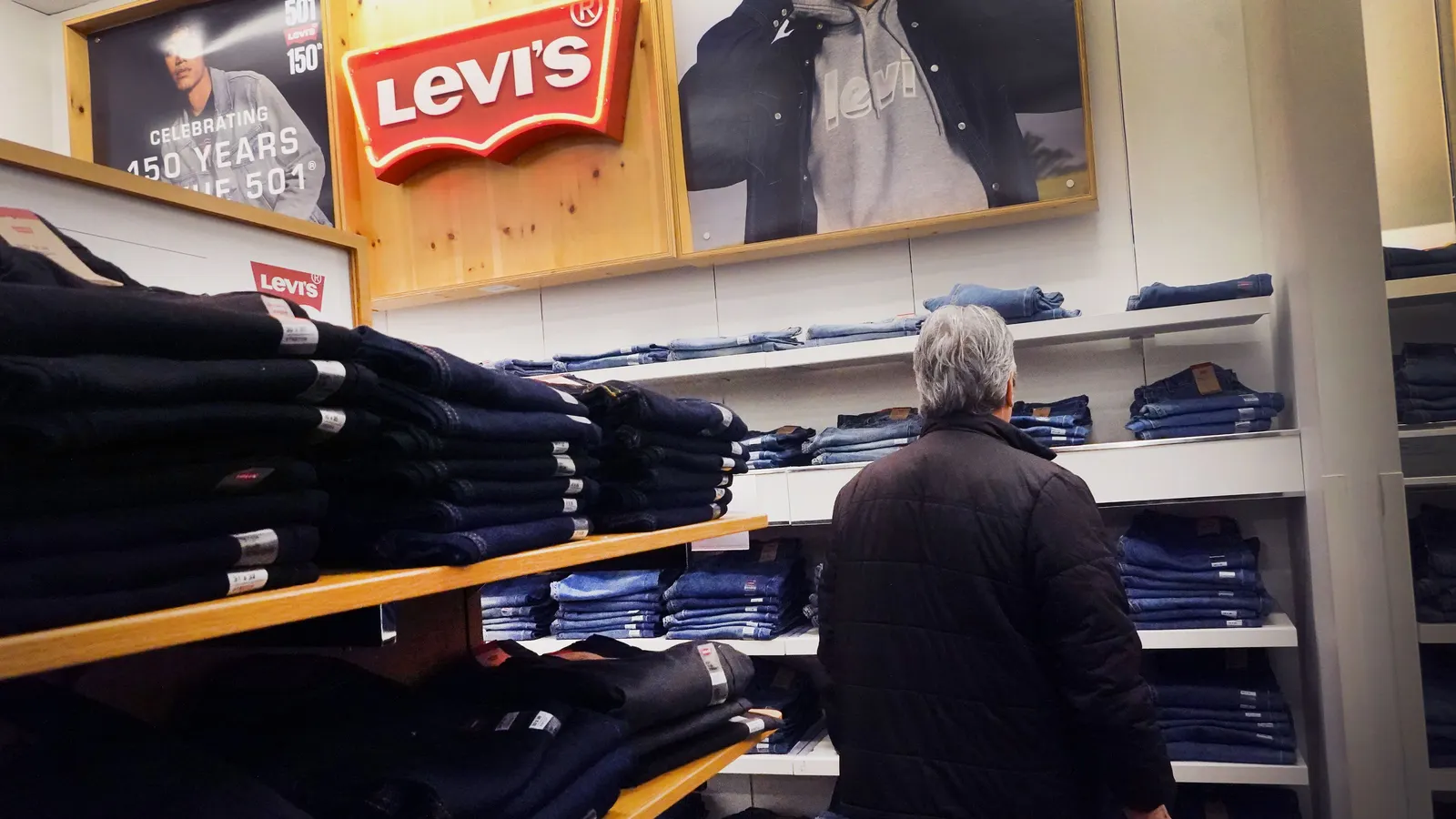
- September 2022–2025: Recognizing that isolated corporate mandates were insufficient, sustainability executives from leading brands—including Levi Strauss & Co. and Marks & Spencer (M&S)—began preliminary discussions with energy specialists like Schneider Electric. The goal was to build a pre-competitive platform that could share the financial, educational, and logistical burdens of transitioning supply chains.
- September 22, 2026: Levi’s Senior Director of Sustainability, Jennifer DuBuisson, publicly laid the groundwork for the collective, noting that working in direct partnership with suppliers is the single most effective way forward on emissions reduction.
- October 1, 2026: The official launch of the Fashion Renewable Collective is announced to the public, marking a formalized turning point where apparel giants transition from voluntary guidelines to active, collaborative supply chain intervention.
Supporting Data: The Scale of the Crisis
The urgency behind the establishment of the FRC is underscored by a sobering body of research detailing the environmental toll of the global fashion industry.
1. High Global Emissions Rankings
According to a landmark 2021 report by the World Economic Forum (WEF), the fashion industry and its intricate supply chain constitute the world’s third-largest polluter, trailing only food and construction. Separate analyses published by environmental watchdogs reveal that the apparel sector accounts for nearly 10% of global greenhouse gas (GHG) emissions annually. This staggering figure means that clothing production generates more carbon pollution than international flights and maritime shipping combined.
2. The Synthetic Fiber Dilemma
A significant driver of these emissions is the industry’s heavy reliance on synthetic materials. An estimated 60% of all garments produced globally are made from polyester—a petroleum-based plastic. According to lifecycle analyses, producing polyester generates two to three times more carbon emissions than conventional cotton. Furthermore, polyester does not biodegrade, lingering in oceans and landfills for centuries.

3. Eating into the Global Carbon Budget
If the fashion industry continues along its current business-as-usual trajectory, it is projected to consume more than 26% of the world’s entire carbon budget by 2050. This consumption rate would single-handedly jeopardize global efforts to limit post-industrial global warming to an additional 2°C, according to detailed projections by the Ellen MacArthur Foundation.
4. The Supplier Footprint Reality
A foundational study conducted by the Apparel Impact Institute (AII)—heavily cited by Levi’s, M&S, and Schneider Electric in their launch announcements—pinpoints the exact source of the industry’s emissions: fashion suppliers account for over half (more than 50%) of the sector’s total carbon footprint.
Crucially, the AII study offers a note of optimism, asserting that driving the adoption of renewable electricity among these suppliers represents "one of the fastest and most scalable paths to progress" for industry-wide decarbonization. Because electricity powers the machinery used in spinning, weaving, dyeing, and finishing fabrics, greening the power grid at the factory level yields immediate, exponential reductions in Scope 3 emissions.
Official Responses and Perspectives
Industry leaders and energy experts have championed the FRC as a vital blueprint for cross-industry environmental action.

- Jennifer DuBuisson, Senior Director of Sustainability at Levi Strauss & Co.:
Emphasizing the collaborative nature of the initiative, DuBuisson remarked in a September release, "It’s become abundantly clear that the most effective way forward on emissions reduction is working in partnership with suppliers. The FRC enables greater support for suppliers that want to access or would like to increase use of renewable electricity but haven’t been able to so far." Her comments highlight the accessibility gap that has historically left smaller, developing-nation suppliers stranded without the technical know-how or capital to negotiate clean energy contracts. - Schneider Electric Representation:
Spokespersons for Schneider Electric emphasized that the company’s SE Advisory Services division is uniquely positioned to bridge the gap between corporate climate ambitions and on-the-ground industrial realities. By translating complex energy markets into digestible, actionable steps, Schneider aims to demystify clean power procurement for factories that have traditionally relied on cheap, coal-fired or natural gas grids. - Apparel Brand Alignment:
Participating brands in the collective have echoed the sentiment that supply chain sustainability cannot be achieved through punitive measures alone. Instead, the FRC shifts the paradigm toward capacity-building, offering suppliers incentives, shared market intelligence, and collective bargaining power that make renewable energy economically viable and operationally seamless.
Implications for the Future of Global Retail
The launch of the Fashion Renewable Collective carries profound implications for the future of global retail, manufacturing, and environmental regulation.
1. Re-Engineering Scope 3 Accountability
For years, regulatory bodies in the European Union, the United States, and other jurisdictions have tightened reporting requirements regarding corporate supply chains (such as the EU’s Corporate Sustainability Due Diligence Directive). By institutionalizing supplier decarbonization through the FRC, participating apparel brands are building a defensive moat against future regulatory fines, while offering concrete proof of compliance to increasingly skeptical ESG (Environmental, Social, and Governance) investors.
2. Democratizing Access to Clean Energy
Historically, navigating power purchase agreements (PPAs) or installing distributed solar generation required dedicated energy procurement teams—a luxury few mid-sized garment factories could afford. The FRC’s educational modules and advisory tools democratize this knowledge. By aggregating demand across multiple brands and suppliers, the collective may eventually wield enough market leverage to negotiate preferential rates with renewable energy developers in key manufacturing nations like Bangladesh, Vietnam, India, and China.
3. A Pre-Competitive Paradigm Shift
The success of the FRC signals a broader trend in corporate sustainability: moving away from proprietary, isolated environmental strategies toward pre-competitive collaboration. When fierce market competitors share supply chain networks, pooling their influence to green local power grids benefits the entire ecosystem.
As the Fashion Renewable Collective rolls out its digital modules and advisory services through the remainder of 2026 and beyond, industry analysts will be watching closely to see if this collaborative model can successfully bend the fashion industry’s emissions curve downward, turning the world’s third-largest polluter into a pioneer of industrial green energy.