WASHINGTON, D.C. — In an era where digital transformation has touched nearly every corner of modern enterprise, the high-stakes, time-critical logistics sector has often lagged behind, weighed down by antiquated quoting processes, opaque pricing models, and complex broker networks. Today, U.S.-based time-critical logistics innovator FlyTrix aims to upend that paradigm with the official global launch of DocumentJet, a groundbreaking digital booking platform engineered specifically for non-commercial, urgent document transport.
By stripping away the traditional friction associated with On-Board Courier (OBC) and hand-carry services, FlyTrix is introducing a streamlined, consumer-grade user experience to an industry historically dominated by heavy enterprise hurdles. Operating across roughly 120 countries from day one, DocumentJet bridges the gap between ultra-fast emergency shipping and modern e-commerce convenience, allowing users to secure end-to-end, hand-carried transport in a matter of clicks.
Main Facts
The core of DocumentJet is built around simplicity, speed, and absolute reliability. Designed primarily for time-sensitive, non-commercial paperwork—such as legal briefs, M&A closing documents, tender submissions, diplomatic papers, and critical regulatory filings—the platform eliminates the traditional back-and-forth of requesting and waiting for manual freight quotes.
- Instant Digital Booking: Users simply input pick-up and delivery addresses into the online interface, instantly receiving a transparent price and an estimated delivery window.
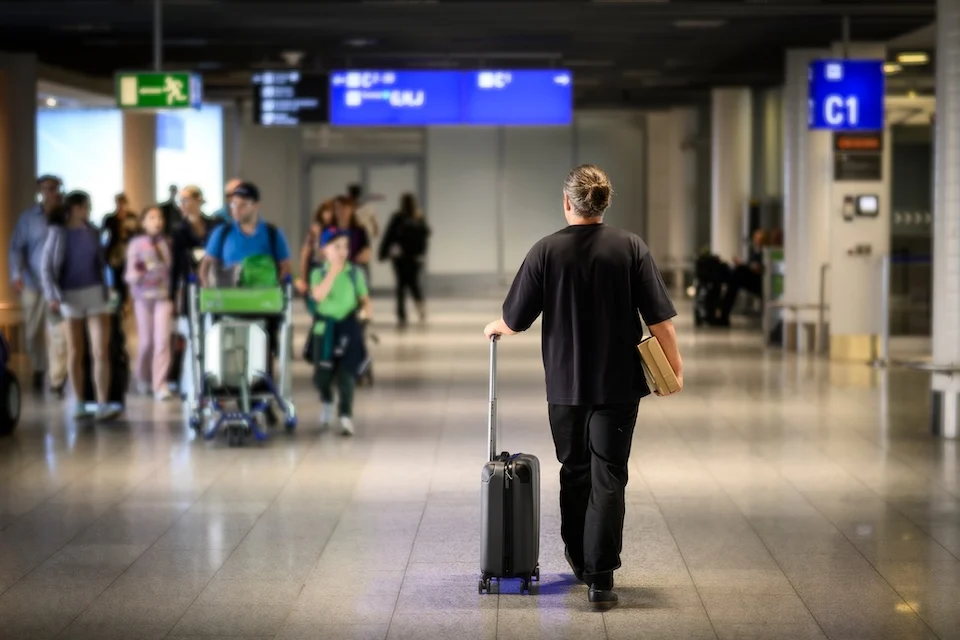
- End-to-End Escort: Every shipment is assigned a dedicated courier who physically accompanies the documents from origin to destination, traveling as a regular passenger on scheduled commercial airlines to guarantee constant chain-of-custody security.
- Global Footprint: At launch, the service supports pick-ups and deliveries across a robust network spanning approximately 120 countries.
- Multilingual Accessibility: To serve international markets effectively, the platform is immediately available in five languages: English, German, Spanish, French, and Italian.
- Pricing Structure: International shipments generally range between $2,500 and $6,000, varying according to geographical distance, routing complexity, and live flight availability.
Crucially, DocumentJet is strictly bounded by customs parameters: it handles items with no commercial customs value. Shipments requiring complex customs clearances or carrying commercial goods will continue to be routed through FlyTrix’s traditional, bespoke logistics channels.
Chronology of Development
The journey to DocumentJet’s launch reflects a deliberate, phased evolution within FlyTrix, moving from a specialized niche provider to a digitally agile logistics pioneer.
Phase 1: Identifying the Bottleneck (2021–2022)
FlyTrix built its reputation managing complex, mission-critical supply chain disruptions for heavy-hitting industries such as aerospace, automotive manufacturing, and healthcare. However, founder and Chief Executive Officer Adrian Kaesberg and his executive team repeatedly noticed an operational friction point: businesses outside these traditional verticals—such as law firms, financial institutions, and corporate headquarters—frequently required the security of a hand-carry courier for urgent documents, yet struggled to navigate the labyrinthine quoting procedures typical of the freight forwarding industry.
Phase 2: Platform Architecture and UX Design (2023)
Rather than simply retrofitting software designed for heavy freight forwarders, FlyTrix took a clean-sheet approach. The development team prioritized a consumer-grade user interface. The primary design philosophy centered on eliminating logistics jargon, long-form account setups, and manual paperwork. The goal was simple: if a corporate professional could easily book a complex multi-city flight or a luxury hotel online, securing a global document courier should require no more effort.
Phase 3: Global Network Integration and Testing (Early 2024)
Throughout early 2024, FlyTrix integrated its proprietary routing algorithms with global flight databases, courier deployment networks, and first- and last-mile ground transport partners. Beta testing focused on stress-testing the operational dependencies—coordinating airport accessibility, tight connection windows, and cross-border immigration requirements without human intervention during the initial booking phase.
Phase 4: Commercial Launch (Present)
With the backend infrastructure fully synchronized across international nodes, FlyTrix officially activated DocumentJet in approximately 120 countries. The platform went live with full multilingual support, backed by credit card payment processing for immediate transaction clearance.
Supporting Data and Operational Mechanics
While the front-end user experience of DocumentJet mimics a standard e-commerce transaction, the back-end orchestration is an intricate ballet of aviation logistics, human resources, and security protocols.
Financial Metrics and Cost Realities
International DocumentJet shipments typically command a price tag between $2,500 and $6,000. While this is significantly higher than standard overnight express courier envelopes, Kaesberg stresses that comparison misses the point.
- Value Over Price: DocumentJet is built for exceptional, high-stakes scenarios where missing a deadline carries catastrophic financial, legal, or reputational consequences.
- Transparent Calculations: Unlike commoditized shipping lanes where carriers can simply slap a margin onto an airline ticket, DocumentJet accounts for dozens of concurrent variables.
The Anatomy of an Operational Run
When a customer inputs a delivery request and pays via credit card, the automated platform initiates a cascade of background events:
- Courier Assignment: FlyTrix matches the route with an available, vetted courier located near the origin point.
- Flight Selection: The system identifies the most viable scheduled passenger flights, factoring in direct routing, minimum connection times, and potential weather or air traffic delays.
- Ground Logistics: Local transport partners are automatically dispatched to handle the first-mile pick-up and last-mile drop-off.
- Physical Escort: The courier boards the flight with the documents securely stowed, ensuring the item never leaves human custody until it is handed directly to the recipient.
Delivery Timelines
Depending on global routing, geographical spread, and the timing of flight availability, the vast majority of DocumentJet shipments are engineered for completion either on the same day or by the following day.
Official Responses and Executive Insights
In exclusive statements detailing the strategic vision behind DocumentJet, FlyTrix leadership emphasized that the product is not designed to trigger a price war with traditional courier giants, but rather to carve out a pristine, high-value niche.
"We deliberately designed DocumentJet around a narrowly defined type of shipment that can be booked online with as little friction as possible," explained Adrian Kaesberg, founder and CEO of FlyTrix. "Shipments involving commercial goods or more complex customs requirements will continue to be handled individually through our regular FlyTrix channels."
Kaesberg was adamant that the software should not bear the hallmarks of legacy freight forwarding technology.
"We didn’t want DocumentJet to look or feel like software built for freight forwarders," he noted. "There are no complicated logistics terms or lengthy account set-ups. If someone can book a flight or a hotel online, they should be able to book DocumentJet."
Addressing the complexities of international hand-carry logistics, Kaesberg highlighted why simple automation cannot be applied blindly to high-urgency transport:
"With a time-critical shipment, you can’t simply take an airfare and add a margin. There are dozens of operational dependencies that have to work at the same time, from airport accessibility and connection times to immigration requirements and the availability of a suitable courier."
Furthermore, Kaesberg was clear about the boundaries of the platform’s market ambitions:
"DocumentJet will never be a mass-market service. It is designed for exceptional situations where time and predictability matter more than price." He added that the service is expressly not intended to compete with conventional express parcel operators on everyday business mail.
Industry Implications and Future Outlook
The launch of DocumentJet signals a broader evolution within the global logistics and supply chain sector. As corporate environments grow increasingly fast-paced and globalized, the tolerance for administrative drag in emergency situations is evaporating.
1. Democratizing Access to Specialized Logistics
Historically, On-Board Courier services were locked behind corporate account tiers, requiring long-term contract negotiations and direct phone calls to specialized brokers. By introducing an instant, credit-card-enabled digital interface, FlyTrix has democratized access to the world’s most secure form of document transport. Medium-sized law firms, mid-market financial institutions, and corporate compliance departments can now access enterprise-grade emergency logistics without maintaining pre-existing contracts.
2. Setting a New UX Standard for B2B Logistics
DocumentJet serves as a bellwether for how niche industrial service providers must adapt to digital expectations set by consumer technologies. By removing jargon and replacing manual quote requests with instantaneous pricing algorithms, FlyTrix is challenging legacy forwarders to modernize their customer touchpoints.
3. Mitigating High-Stakes Corporate Risk
In sectors like corporate law and investment banking, a missed signature during a cross-border merger or a late intellectual property filing can cost millions of dollars or derail years of negotiation. DocumentJet’s human-escorted model provides a fail-safe mechanism that automated digital tracking alone cannot replicate: personal accountability. Knowing that a dedicated professional is physically guarding the paperwork across international borders offers a psychological layer of security that traditional automated parcel networks cannot match.
Conclusion
As DocumentJet rolls out across its initial 120-country network, its success will likely be closely watched by competitors and enterprise clients alike. If FlyTrix can successfully balance the ruthless demands of international aviation logistics with the seamless convenience of modern software design, DocumentJet may well become the gold standard for how the corporate world handles its most urgent, non-commercial paperwork in the digital age.