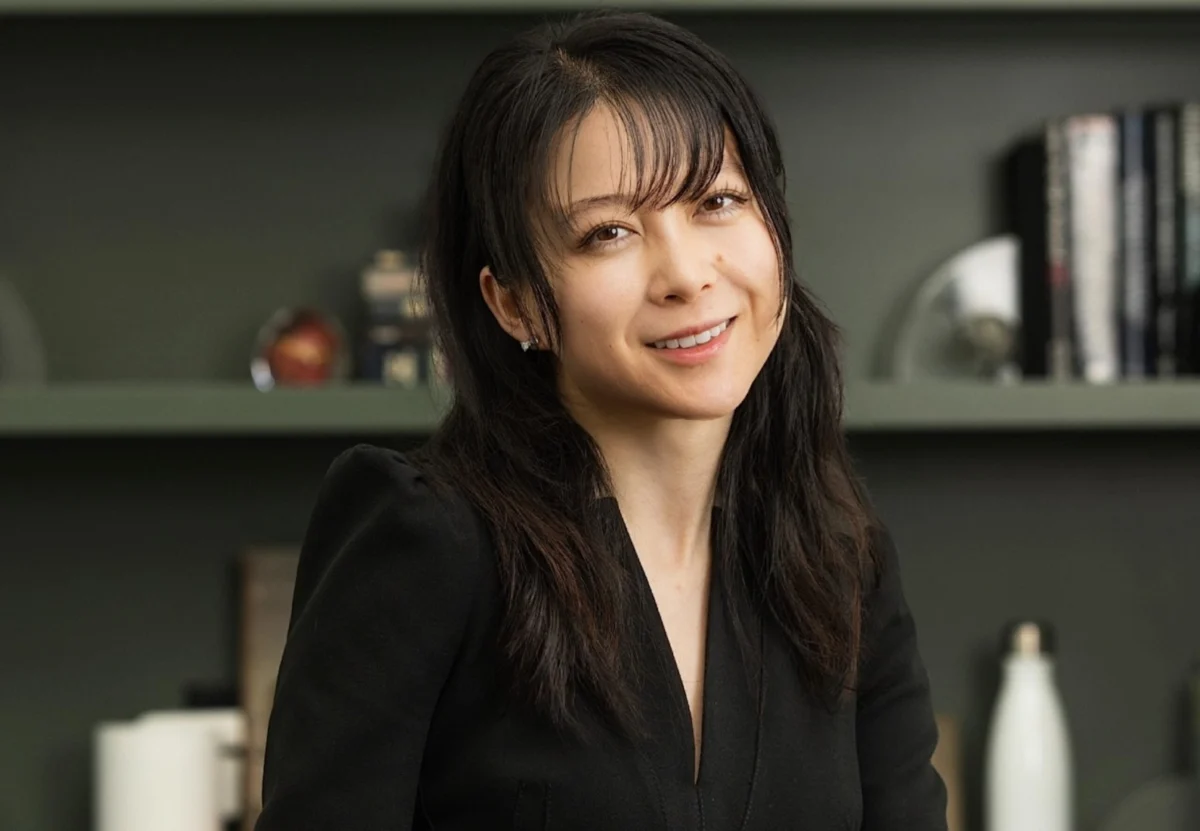
In the high-stakes, high-frequency world of global finance, few narratives are as compelling—or as unconventional—as that of Christina Qi. A visionary who cut her teeth in the hyper-competitive arena of quantitative trading before she even graduated from college, Qi has spent the last decade defying the archetypes of Wall Street. Today, as the CEO of Databento, she is not merely participating in the financial markets; she is building the infrastructure that powers the next generation of artificial intelligence and hedge fund research.
Her journey from a childhood defined by economic struggle to the boardroom of a $127 million startup serves as a masterclass in resilience, pivoting, and the courage to embrace failure as a fundamental component of success.
Main Facts: Building the "Single Source of Truth"
At the heart of Qi’s current venture, Databento, lies a simple yet gargantuan mission: to become the definitive "single source of truth" for financial data. In an era where AI models and quantitative algorithms are only as good as the data they consume, Databento provides clean, accessible, and high-fidelity market data to some of the most influential entities in technology and finance, including Nvidia and OpenAI.
With over 70,000 customers currently utilizing its platform, Databento has rapidly moved from a startup concept to a foundational pillar of financial technology. Following a successful $97 million Series B funding round in July, the company’s total disclosed funding has reached approximately $127 million. While the company maintains a private valuation, its rapid growth—evidenced by 8-figure annual recurring revenue and a tenfold increase in revenue over recent periods—signals that Qi has successfully transitioned from the volatility of hedge fund trading to the scalable, high-growth world of B2B SaaS.
Chronology: A Decade of Disruption
The MIT Prodigy and the Domeyard Era
Christina Qi’s professional trajectory began in an unconventional classroom: the trading floor. While still a 21-year-old undergraduate at the Massachusetts Institute of Technology (MIT), Qi accomplished what most veteran financiers spend entire careers attempting: she founded her own hedge fund, Domeyard.
Under her leadership, Domeyard became a formidable player in the quantitative space. At its peak, the fund was processing $7 billion in trading volume per day, navigating the razor-thin margins of high-frequency trading. For eight years, Qi operated at the center of the market’s most intense pressures.
The 2020 Pivot
The year 2020 served as a crucible for many global industries, and for Domeyard, it marked an inflection point. As market volatility spiked and the firm’s performance dipped by 12%, Qi and her co-founders were forced to perform an agonizing but necessary assessment. "We had a really bad year in 2020; performance was down 12%, and so we told our investors that we were shutting down," Qi reflects.
Rather than allowing the dissolution of her first venture to define her career, Qi treated it as a profound learning experience. With the support of friends and a period of deep self-reflection, she pivoted away from active trading to address the structural inefficiencies she had witnessed firsthand during her time at Domeyard.
The Birth of Databento
Later that same year, Qi co-founded Databento. The startup was born from a desire to solve the "data mess" that plagues quantitative research. By commoditizing access to high-quality market data, Databento allows researchers to focus on their models rather than the laborious process of data cleansing and procurement.
Supporting Data: The Metrics of Growth
While the company remains tight-lipped regarding its valuation, the numbers that have been made public speak to a trajectory of aggressive expansion.
- Customer Base: The platform has scaled to 70,000 customers, a testament to the broad demand for reliable, low-latency financial information.
- Revenue Growth: In recent disclosures, the company reported an almost tenfold increase in revenue from a base that was already in the multi-million-dollar range.
- Funding: With $127 million in total funding, the company is well-capitalized to continue its expansion into new asset classes and regional markets.
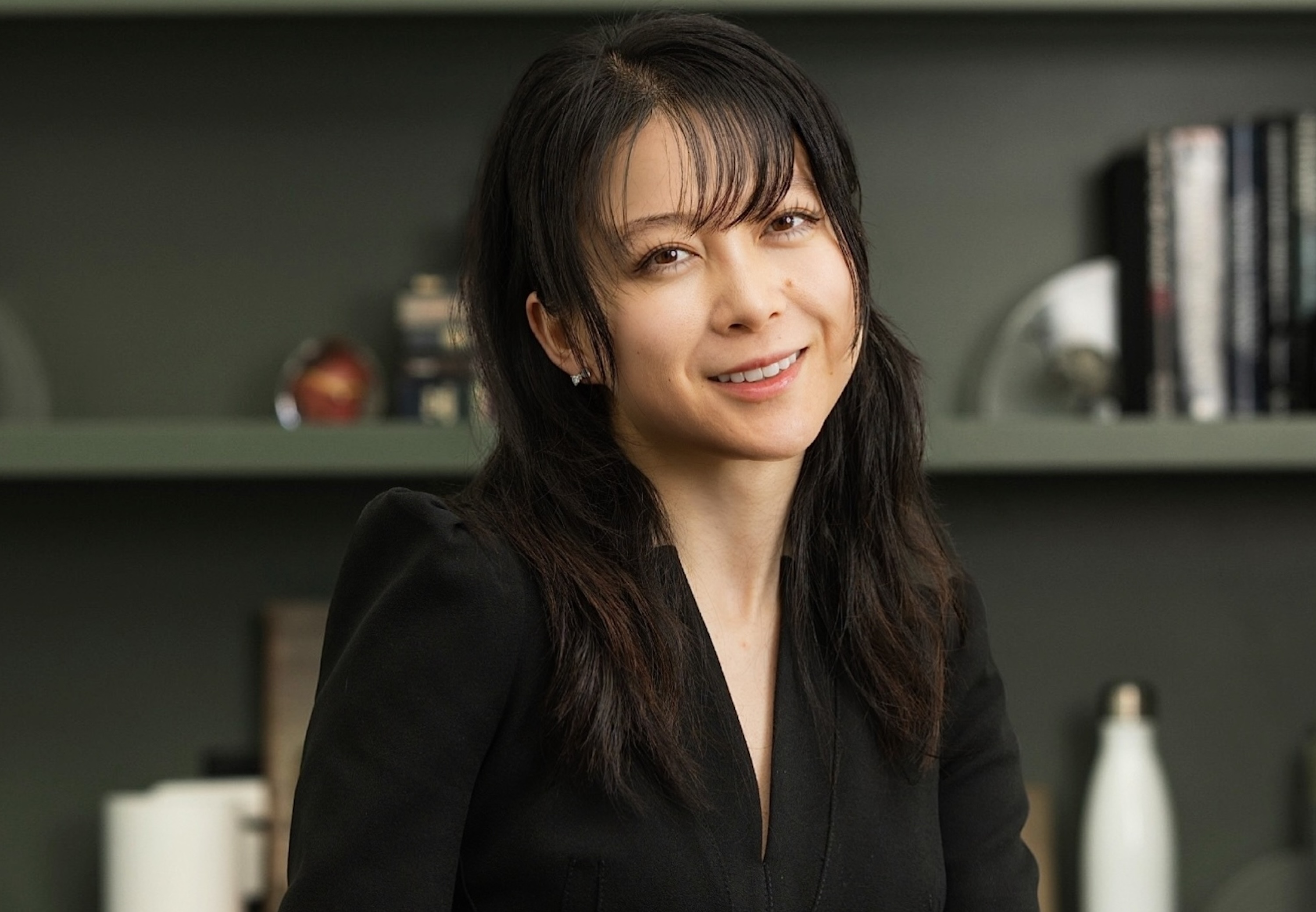
- Operational Footprint: Despite the high-powered nature of her clientele, Qi runs her 38-person team entirely remotely from her home in Utah, proving that the modern "Wall Street" hub is no longer defined by geographic proximity to Manhattan.
Official Responses and Personal Philosophy
In recent interviews, Qi has been remarkably candid about the psychological toll of being a founder. She views her story as an embodiment of the "American Dream," albeit one that was paved with significant obstacles. Growing up in a low-income household that relied on welfare and food stamps, Qi argues that the "starting line" for her was significantly further back than for many of her peers in finance.
Addressing the "CEO Archetype"
Qi frequently faces bias that stems from both her background and her identity. She reports being mistaken for a waitress or a service worker at industry networking events on nearly a dozen occasions—even as recently as two weeks ago.
"When I go to a networking event, people sometimes ask if I can speak English," she says. "Or people think I’m a waitress." These experiences, while frustrating, have not deterred her. Instead, they have fueled her commitment to changing the face of leadership. "I’m in a very male-dominated industry, and I’ve managed to still be fine," she notes with a characteristic blend of humility and confidence.
Reframing Failure
Perhaps the most significant shift in Qi’s career has been her evolving relationship with rejection. Growing up in a culture where failure is often viewed as a source of shame, her time at MIT—where she famously cried after receiving a rejection from a single internship—was the beginning of a long journey toward "rejection therapy."
After applying to over 100 internships, she realized that rejection was not a reflection of her worth, but a routine part of the professional process. "Part of your job description as a founder, as a CEO, is to put yourself out there, embarrass yourself on stage and get rejected," she asserts. This philosophy enabled her to walk away from Domeyard and start fresh, viewing the closure of her first company not as a death, but as a graduation.
Implications: The Future of Financial Leadership
Christina Qi’s career holds significant implications for the next generation of entrepreneurs, particularly women and those from disadvantaged backgrounds.
The "Vulnerable Leader"
Qi is actively working to dismantle the "cutthroat" founder archetype. She advocates for a model of leadership that prioritizes collaboration over zero-sum competition. By openly supporting her competitors and encouraging other founders to do the same, she is building a community-centric ecosystem in an industry notorious for its secrecy.
Financial Literacy and Advocacy
Beyond the walls of Databento, Qi is a vocal advocate for systemic change. Her work as the co-chair of Invest in Girls and her involvement with 100 Women in Finance demonstrate a commitment to ensuring that the next generation of women has the financial literacy and institutional support that was not always available to her.
Redefining Success
Ultimately, Qi’s story proves that the "startup dream" is not reserved for those with elite connections or venture capital pedigree from birth. By staying true to her values—valuing transparency, embracing failure, and refusing to be defined by others’ biases—Qi has managed to build a business that is not only profitable but also influential enough to shape the future of artificial intelligence.
As she looks out from her home in Utah, surrounded by her small farm of animals, the juxtaposition is striking: the woman who once traded billions in the heart of the financial machine is now the woman who ensures the machine has the data it needs to function. Christina Qi is not just surviving in the industry; she is setting the standard for how it should evolve.