Introduction: A Comprehensive Vision for Higher Education
In the heart of the Kingdom of Saudi Arabia, Qassim University stands as a prominent pillar of academic rigor, scientific research, and community engagement. As part of the nation’s ambitious transformation under Saudi Vision 2030, the university has continuously evolved to meet the demands of a modern, knowledge-based economy.
Recent developments at Qassim University highlight its unwavering commitment to elevating educational standards, expanding research capabilities, and fostering international academic partnerships. By integrating cutting-edge technology, enhancing infrastructure, and aligning its academic programs with global best practices, Qassim University is redefining the landscape of higher education in the region.
Chronology of Excellence: From Inception to Global Recognition
Foundation and Early Growth
Established in 2004 (1424 AH) through the merger of branches from King Saud University and Imam Mohammad Ibn Saud Islamic University in the Qassim region, Qassim University was created to address the growing educational needs of the local population. Since its inception, the institution has experienced exponential growth, transforming from a modest regional campus into a sprawling, multi-campus university system.
Milestones of Expansion
2004–2010: Establishment of foundational colleges, including medicine, engineering, computer science, and sharia, laying the groundwork for a comprehensive multidisciplinary curriculum.
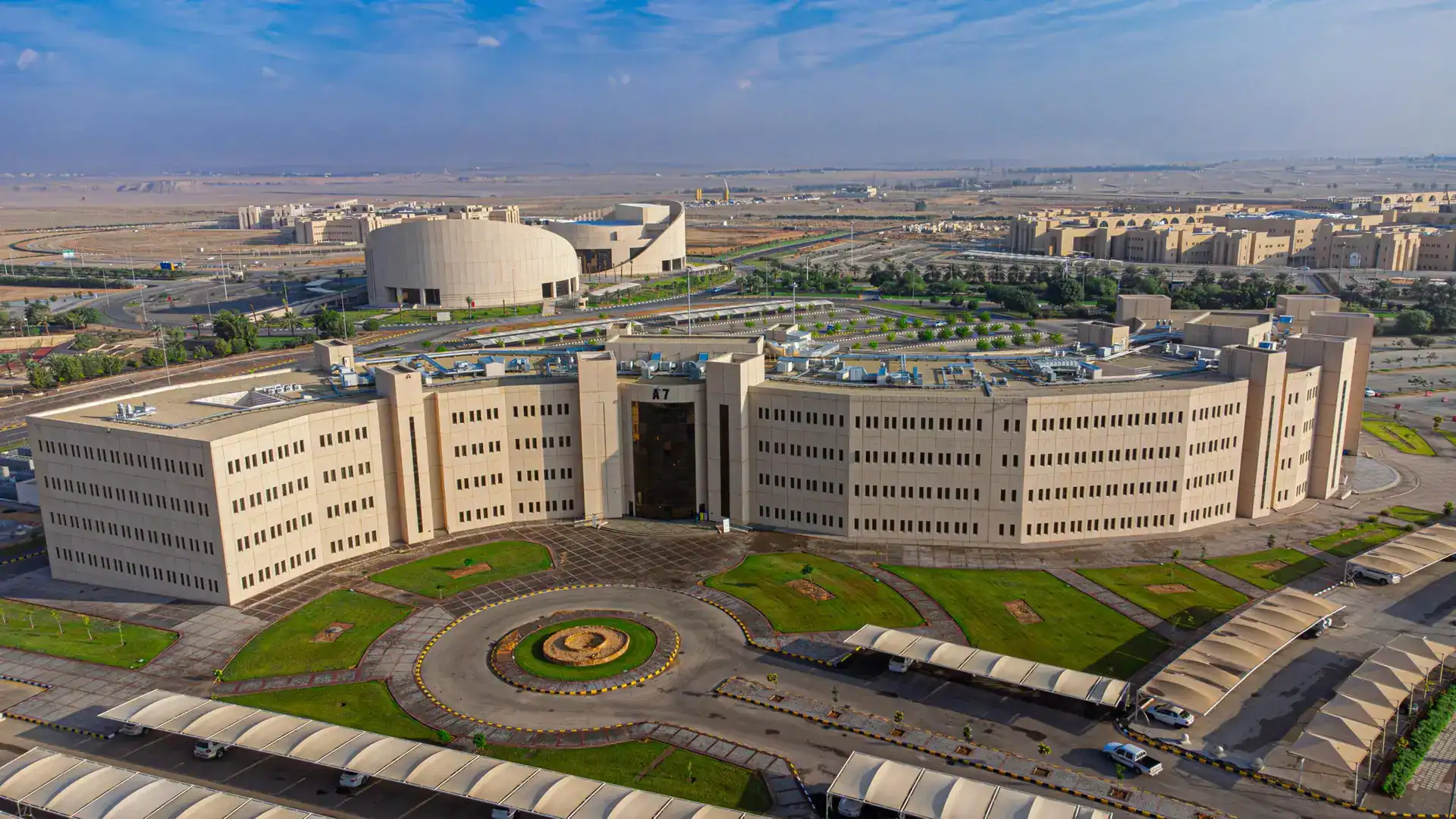
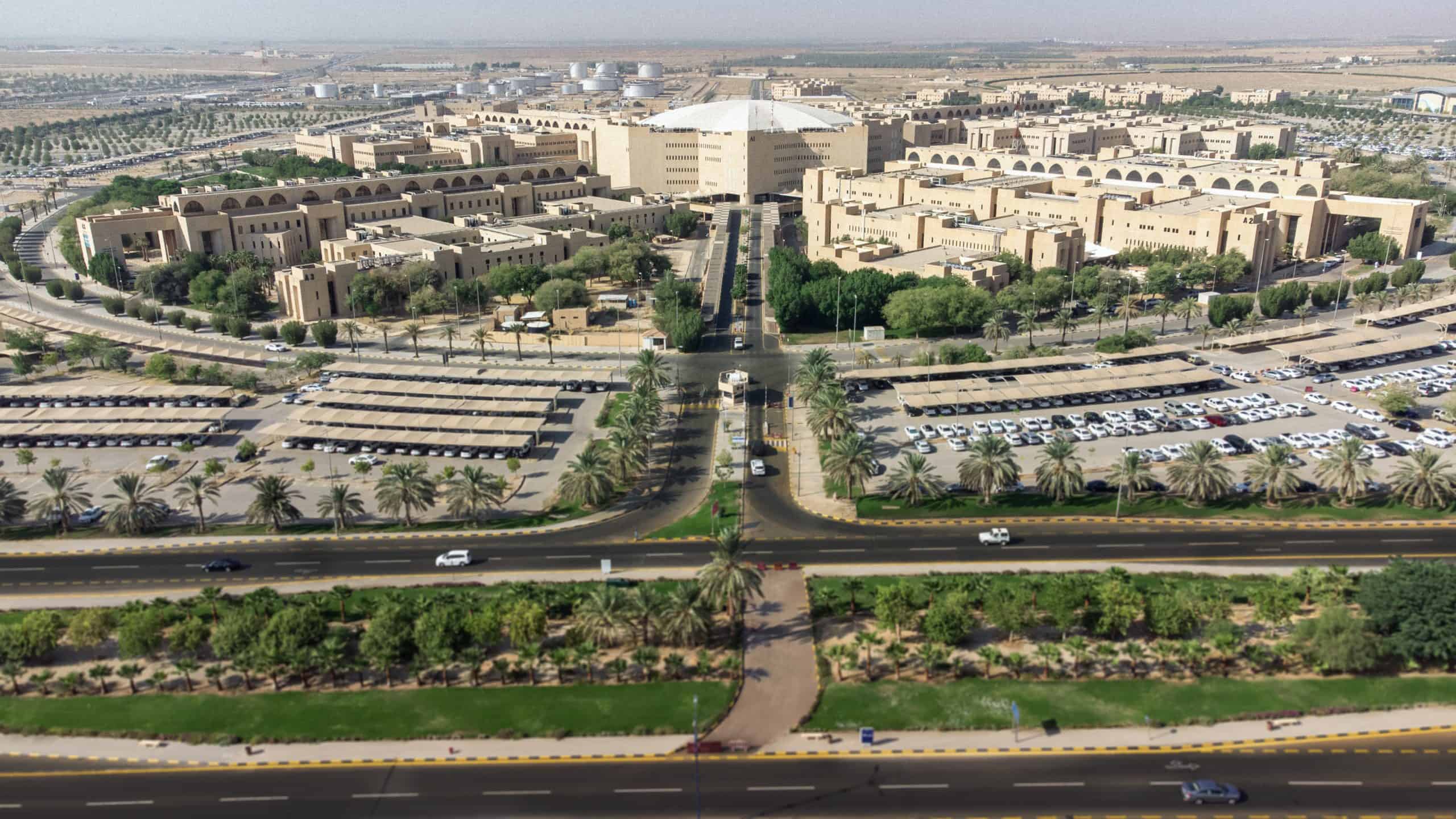
2011–2018: Rapid expansion of physical infrastructure, including the inauguration of the main campus city in Al-Malida, equipped with state-of-the-art laboratories, sports facilities, and teaching hospitals.
2019–Present: Deep integration with Saudi Vision 2030 initiatives, focusing on digital transformation, research commercialization, and international accreditation for academic programs.
Academic Structure and Supporting Data
Comprehensive Academic Portfolio
Qassim University currently hosts over 35 colleges spanning a vast array of disciplines, including health sciences, engineering, humanities, computer sciences, and business administration. This diverse academic ecosystem ensures that students receive a well-rounded education tailored to the shifting dynamics of the global labor market.
Key Institutional Metrics
Total Student Enrollment: Exceeds 70,000 undergraduate and graduate students across multiple campuses.
Faculty and Staff: Employs thousands of highly qualified professors, researchers, and administrative personnel from around the globe, fostering a multicultural academic environment.
Research Output: Hundreds of peer-reviewed papers published annually in high-impact international journals, focusing on critical areas such as agricultural technology, renewable energy, artificial intelligence, and medical sciences.
Campus Infrastructure: Spanning millions of square meters, the university’s facilities include advanced research centers, specialized libraries, teaching hospitals, and athletic complexes designed to promote holistic student development.
Official Responses and Strategic Vision
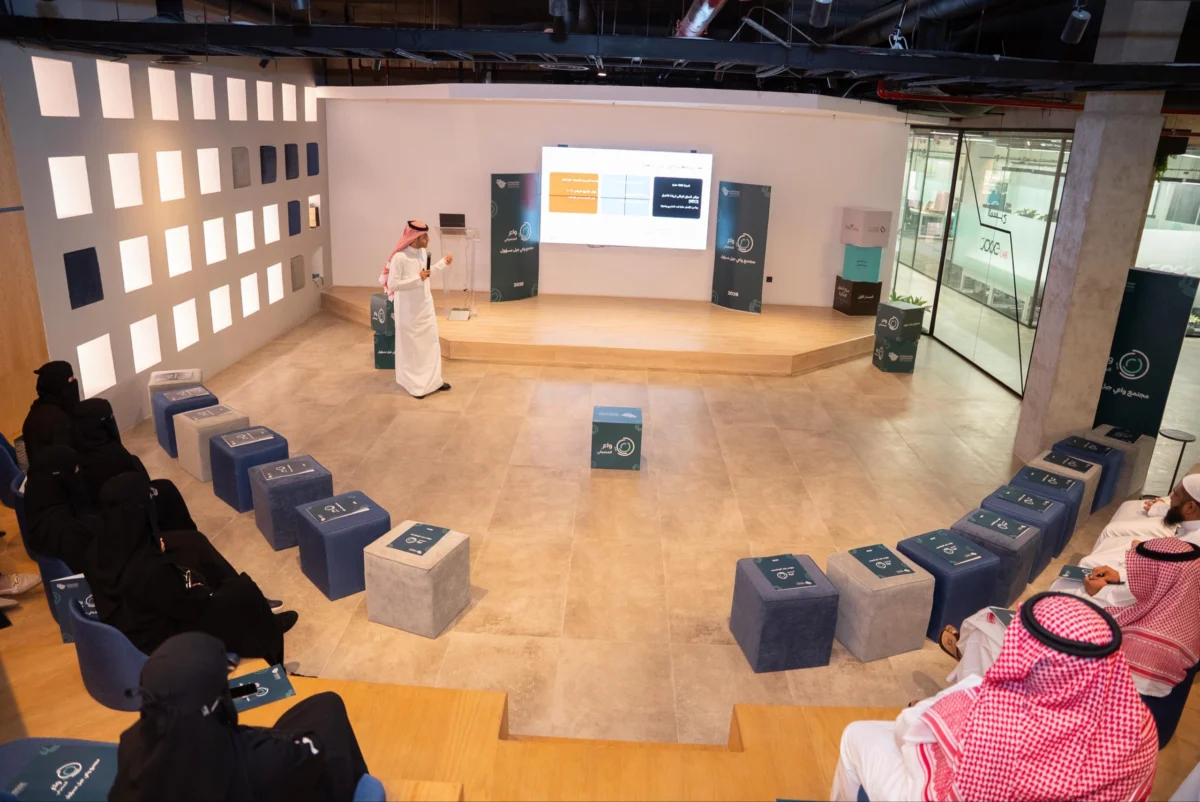
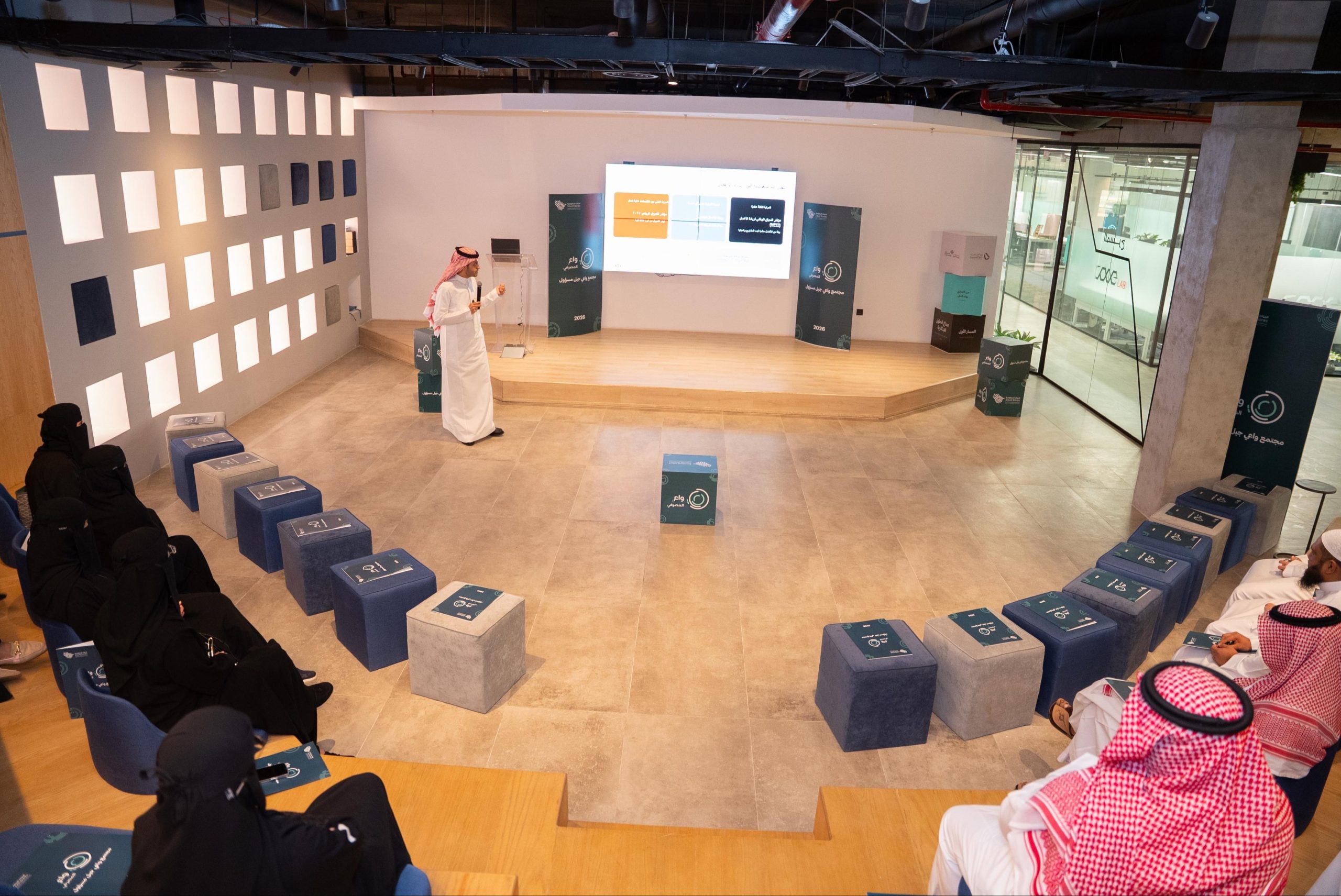
University leadership has consistently emphasized the institution’s role as a primary driver of regional and national development. In recent statements, top university officials highlighted the strategic alignment between Qassim University’s academic roadmap and the broader goals of Saudi Vision 2030.
"Our mission extends beyond traditional classroom teaching. We are dedicated to creating an innovation-driven ecosystem that empowers our students to become leaders, entrepreneurs, and critical thinkers capable of solving tomorrow’s challenges," noted a senior university spokesperson.
Furthermore, the administration has placed significant emphasis on strengthening international collaborations. By signing Memorandums of Understanding (MoUs) with renowned global universities and research institutions, Qassim University aims to facilitate student exchange programs, joint research initiatives, and knowledge transfer that benefit both the local community and the global academic sphere.
Broader Implications and Future Outlook
The continuous advancement of Qassim University carries profound implications for the Qassim region and the Kingdom as a whole.
Economic and Social Impact
Talent Pipeline: By producing highly skilled graduates in critical sectors such as healthcare, engineering, and technology, the university directly supplies the national workforce with qualified professionals, reducing reliance on foreign expertise.
Innovation and Entrepreneurship: Through dedicated incubation centers and research grants, the university encourages student-led startups and technological innovations, contributing to the diversification of the Saudi economy.
Community Engagement: Qassim University remains deeply connected to the local society through continuous education programs, health campaigns conducted via its teaching hospitals, and agricultural outreach initiatives that support local farmers.
Path to the Future
As Qassim University looks ahead, its strategic focus remains locked on digital innovation, sustainability, and academic excellence. By embracing emerging technologies such as artificial intelligence in education and prioritizing green campus initiatives, the university is well-positioned to cement its status as one of the premier institutions of higher learning in the Middle East and beyond.