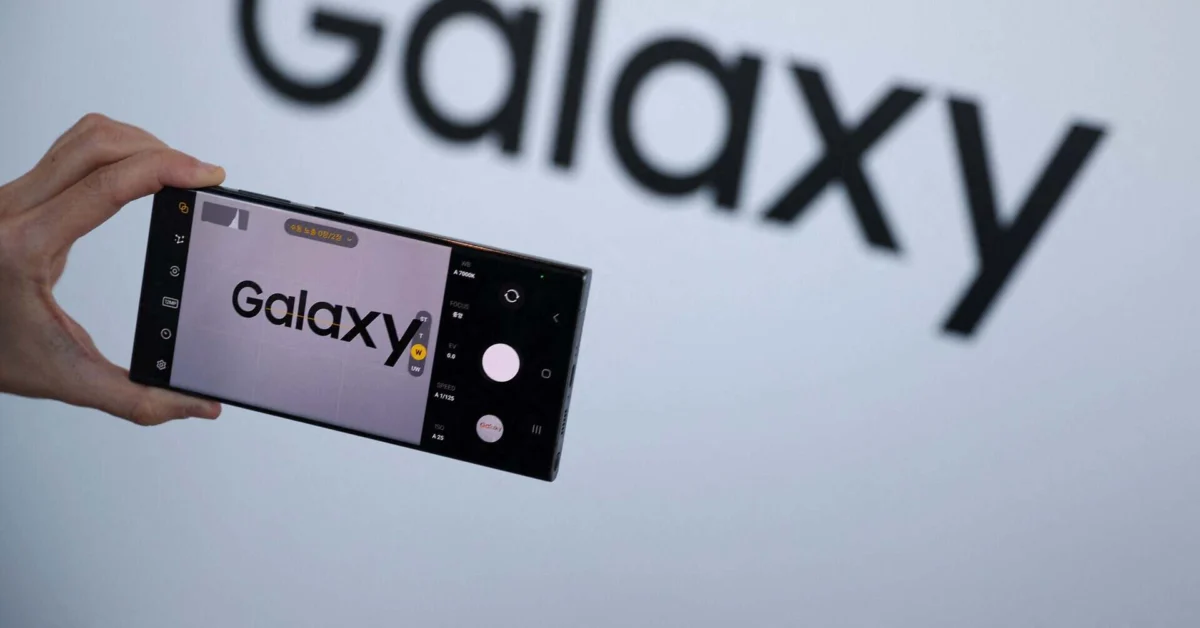
As the smartphone industry continues to evolve at a breakneck pace, software longevity and support have become the primary battlegrounds for major manufacturers. Samsung, a global leader in the mobile market, has consistently raised the bar regarding long-term software commitments. With the anticipated rollout of One UI 9, tech enthusiasts and everyday consumers alike are keenly focused on understanding which Samsung Galaxy devices will receive the update, which models are nearing the end of their support lifecycle, and what this means for the broader Android ecosystem.
This comprehensive report delves into Samsung’s update policy, details the device compatibility roadmap surrounding One UI 9, explores mid-range updates, outlines how users can check their eligibility, and analyzes the broader implications of Samsung’s software strategy.
Main Facts: What is One UI 9 and Why Does It Matter?
One UI is Samsung’s proprietary user interface built on top of the Android operating system. Known for its extensive customization options, feature-rich ecosystem integration, and user-friendly design, One UI has transformed from a heavily criticized, bloated interface (formerly TouchWiz) into one of the most praised operating system skins in the mobile industry.
The Evolution of Samsung’s Update Policy
For years, Android manufacturers lagged significantly behind Apple in terms of software longevity. While iPhones regularly received iOS updates for five to six years, Android devices—even flagships—often stopped receiving updates after two to three years.
Samsung radically shifted this paradigm by introducing an unprecedented software support policy. Starting with select flagship devices released in recent years, the South Korean tech giant committed to providing up to 7 years of major OS upgrades and security patches. This monumental shift has fundamentally changed consumer purchasing behavior, making smartphones a more viable, long-term investment rather than a disposable gadget replaced every two years.
Key Highlights of the Upcoming One UI 9 Cycle
- Target Launch Window: Industry tracking and reports from prominent tech publications, including BGR, suggest that One UI 9 will debut alongside Samsung’s next-generation flagship lineup in early 2026.
- Flagship Cutoffs: While newer flagships like the Galaxy S24 and S25 series will easily sail past One UI 9 and march onward toward One UI 10 and beyond, older models such as the Galaxy S22 series and the S21 FE are expected to hit their software support ceilings with One UI 9.
- Mid-Range Democratization: Samsung is no longer reserving long-term support exclusively for its premium S-series and foldable devices. Popular mid-range contenders in the Galaxy A-series are also receiving extended update windows, ensuring that budget-conscious consumers are not left behind.
Chronology of Updates: Past, Present, and Future
To fully grasp where One UI 9 fits into the grand scheme of Samsung’s software pipeline, it is essential to look at the historical timeline of releases and project the roadmap moving forward.
The Flagship Journey: From One UI 5 to One UI 9
- One UI 5.1 (Android 13): Devices like the Galaxy S23 series debuted with One UI 5.1, setting a high standard for stability and performance at launch. These devices are guaranteed multiple years of upgrades, placing them squarely in the crosshairs for One UI 9.
- The S22 and S21 FE Era: Launched in earlier years with shorter initial commitments, devices like the Galaxy S22 lineup and the Galaxy S21 FE will see One UI 9 as their swan song—marking the final major Android version upgrade they will officially support, followed by a subsequent year or two of security patches.
- The 7-Year Pledge (Galaxy S24 and Beyond): Devices launched from the Galaxy S24 generation onward enjoy Samsung’s industry-leading 7-year update guarantee. For these devices, One UI 9 is merely a stepping stone on a long journey that will extend deep into the late 2020s and early 2030s.
Mid-Range and Budget Progression
The democratization of software support is perhaps the most exciting trend for consumers. Devices such as the Galaxy A16, A26, A36, and A56 are positioned to receive multi-year support stretching far into the future.
For instance, devices like the Galaxy A15, A15 5G, and A25 5G have been promised software and security support extending through 2027. This ensures that users purchasing mid-range hardware enjoy peace of mind, knowing their devices will remain secure and feature-compliant for years.
Supporting Data: Device Compatibility Breakdown
Understanding which devices make the cut and which are left behind requires a granular look at Samsung’s hardware tiers.
Devices Reaching the End of the Road
As software demands grow heavier, older processors and hardware configurations struggle to maintain optimal performance. Consequently, older generation flagships and legacy mid-rangers eventually reach their designated support horizon.

- Galaxy S22 Series (S22, S22+, S22 Ultra): Having received several major OS updates, reports indicate that the S22 series will likely reach its software sunset with One UI 9.
- Galaxy S21 FE: A fan-favorite device that bridged the gap between affordability and flagship performance, the S21 FE is also projected to conclude its major upgrade journey around the One UI 9 cycle.
Devices Guaranteed to Receive One UI 9
- Galaxy S24 Series & S25 Series: These powerhouses will easily clear the One UI 9 hurdle and continue receiving updates for several more years.
- Galaxy Z Fold and Z Flip Series: Samsung’s foldable lineup, starting from recent generations (Z Fold 5, Z Flip 5, and newer), enjoys the same robust support windows as their candy-bar flagship counterparts, ensuring One UI 9 will bring advanced foldable-specific optimizations to these devices.
Official Responses and User Guidance: How to Check Your Device Support
With various models falling under different support brackets, users frequently wonder how to verify whether their specific smartphone is eligible for the latest updates.
Official Verification Channels
Samsung has streamlined the process for users to check their software status. By navigating to the device’s Settings > Software Update, users can view their current software version, security patch level, and check for pending updates. Furthermore, Samsung provides detailed regional support pages on its official website that outline the exact lifecycle commitment for every marketed model.
Utilizing the Samsung Members App
For those tracking beta programs and early developer releases, the Samsung Members app serves as the primary gateway. Users can log in with their Samsung account to check if their device is eligible for upcoming beta testing phases of One UI.
Participating in a beta program allows enthusiasts to test new features early, provide feedback directly to Samsung’s engineering teams, and help iron out bugs before the stable public release. However, users are always advised to exercise caution when installing beta software on primary daily drivers, as early builds can occasionally contain stability issues, battery drain bugs, or incompatible third-party applications.
Implications of Samsung’s Software Strategy
Samsung’s aggressive push toward prolonged software support carries profound implications for the entire mobile industry, consumers, and environmental sustainability.
1. Consumer Behavior and Device Longevity
By guaranteeing up to seven years of updates, Samsung is fundamentally altering the upgrade cycle. Consumers no longer feel pressured to purchase a new phone every two years simply because their current device has stopped receiving security patches or critical feature updates. This shift increases consumer satisfaction and enhances the residual resale value of used Samsung devices, as buyers can purchase a pre-owned flagship knowing it will remain supported for several more years.
2. Market Pressure on Competitors
Samsung’s bold move has forced rival Android manufacturers—including Google, OnePlus, and Xiaomi—to reevaluate their own software update policies. Google responded by matching the 7-year commitment for its Pixel 8 and newer flagship lineups. This healthy competition ultimately benefits the entire consumer base, raising the baseline standard for software support across the entire Android ecosystem.
3. Environmental and Sustainability Impacts
Electronic waste (e-waste) is one of the fastest-growing environmental crises globally. When smartphones are discarded prematurely solely due to a lack of software updates, millions of functional devices end up in landfills. By extending the operational lifespan of smartphones through continuous software updates and security patches, Samsung is actively contributing to waste reduction and promoting a more sustainable consumer electronics economy.
Conclusion
As the tech world looks ahead to the official launch of One UI 9 in early 2026, Samsung continues to solidify its reputation as a pioneer in mobile software support. Whether you are holding onto a seasoned flagship like the Galaxy S22, operating a versatile mid-ranger from the Galaxy A series, or investing in the cutting-edge Galaxy S24 or S25 lines, Samsung’s clear and structured update roadmap ensures transparency.
By keeping your device updated, utilizing official verification tools like the Samsung Members app, and understanding your hardware’s lifecycle, you can maximize your smartphone experience while enjoying the cutting-edge innovations that One UI brings to the palm of your hand.