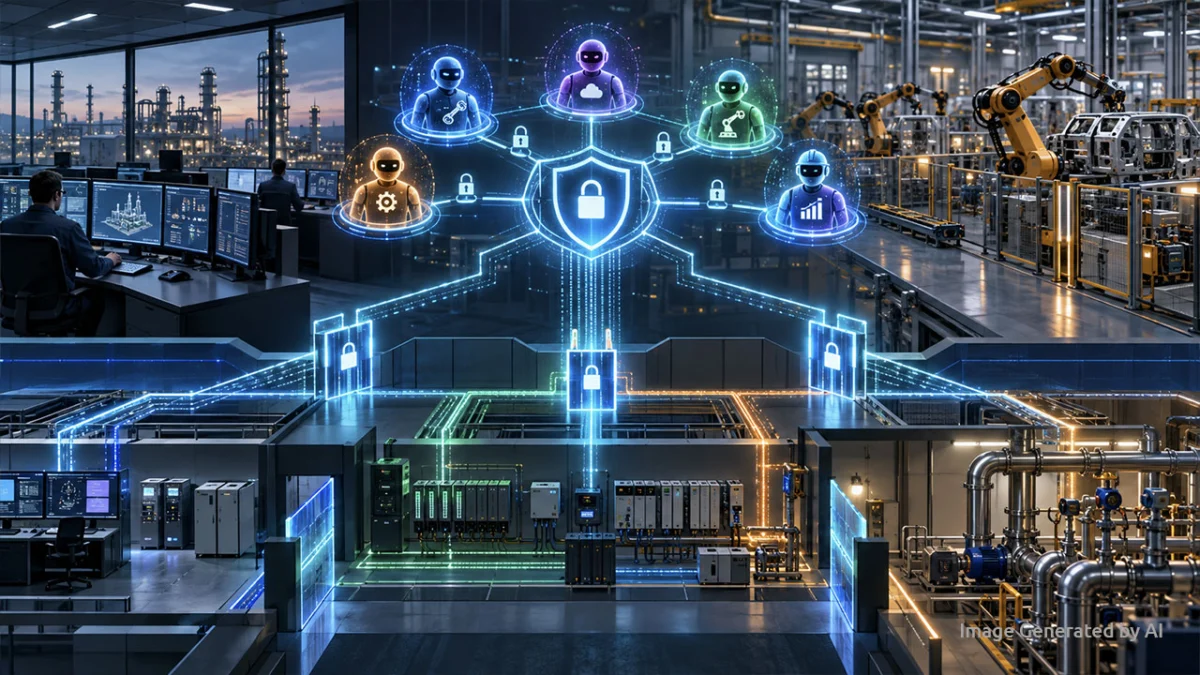
In a move that promises to redefine the landscape of industrial automation, energy management giant Schneider Electric has announced its definitive agreement to acquire PTC Inc., a leader in industrial design, engineering, and data management software, for approximately $22.6 billion. This blockbuster deal signals a major consolidation of the "Industrial Metaverse" and positions Schneider Electric to challenge the long-standing dominance of European industrial behemoth Siemens in the high-stakes world of digital-physical integration.
The acquisition is designed to bridge the chasm between the boardroom and the shop floor, creating a unified "digital thread" that follows a product from its initial CAD (Computer-Aided Design) conception through to its long-term operational maintenance. By folding PTC’s robust software portfolio into its existing ecosystem—which already includes AVEVA and the pending acquisition of Cognite—Schneider is positioning itself as the preeminent provider of end-to-end industrial lifecycle solutions.
The Strategic Rationale: Closing the Digital Gap
For years, the industrial sector has been hampered by "data silos." Engineering teams used one set of tools, while plant managers and maintenance crews operated in completely separate environments, using different data architectures.
Schneider Electric’s leadership believes this acquisition will solve that fragmentation. By combining Schneider’s operational technology (OT) expertise—which controls the power and automation of factories—with PTC’s design and data intelligence, the company intends to create a holistic platform for the next generation of industrial AI.
"By connecting and contextualizing data across the lifecycle of products and assets, we will create a unique digital thread," explained Olivier Blum, CEO of Schneider Electric. "This will help customers optimize their systems with greater intelligence, from the moment a design is conceived to the final stages of asset maintenance."
A Chronology of Consolidation
The path to this $22.6 billion deal did not happen in a vacuum. It is the culmination of a decade-long shift in the industrial software market, where hardware manufacturers have pivoted toward becoming software-defined enterprises.
- 2018: Rockwell Automation invests $1 billion in PTC, aiming to capitalize on the Industrial Internet of Things (IIoT). At the time, the partnership focused heavily on PTC’s ThingWorx and Kepware technologies.
- 2023: Rockwell Automation exits its investment in PTC, selling its shares. This move arguably opened the door for a broader, full-scale acquisition by a different strategic buyer.
- 2023-2025: Schneider Electric aggressively expands its software footprint through the integration of AVEVA and the proposed acquisition of Cognite, signaling a clear intent to move deeper into industrial data management.
- Late 2025: PTC divests its Industrial Connectivity and IoT businesses (including Kepware and ThingWorx) to TPG, streamlining its focus purely on design, product lifecycle management (PLM), and service management software.
- October 2026: Schneider Electric announces its intent to acquire PTC, valuing the firm at a 42.3% premium over its market trading price, aiming to challenge the Siemens-Dassault Systèmes duopoly.
Supporting Data: The Competitive Landscape
Industry analysts are viewing this acquisition through the lens of a "arms race" for industrial software dominance. According to Matthieu Kulezak, a senior analyst at Interact Analysis, the deal is a strategic "shortcut" that allows Schneider to leapfrog years of organic software development.
The Siemens Factor
Siemens currently maintains a formidable lead in simulation capabilities, particularly through its integrated suite of software tools that simulate factory performance before a single piece of equipment is installed. Schneider, traditionally stronger in energy management and electrical distribution, has historically lacked the depth in CAD and PLM that Siemens enjoys.
By acquiring PTC, Schneider gains:
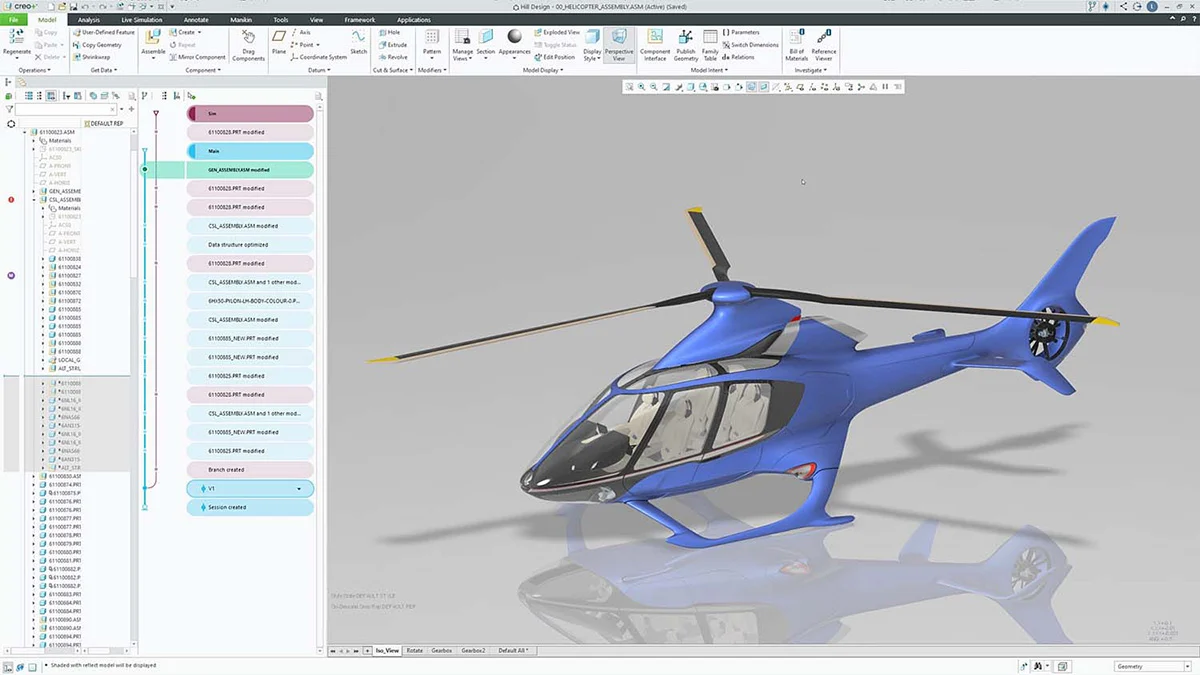
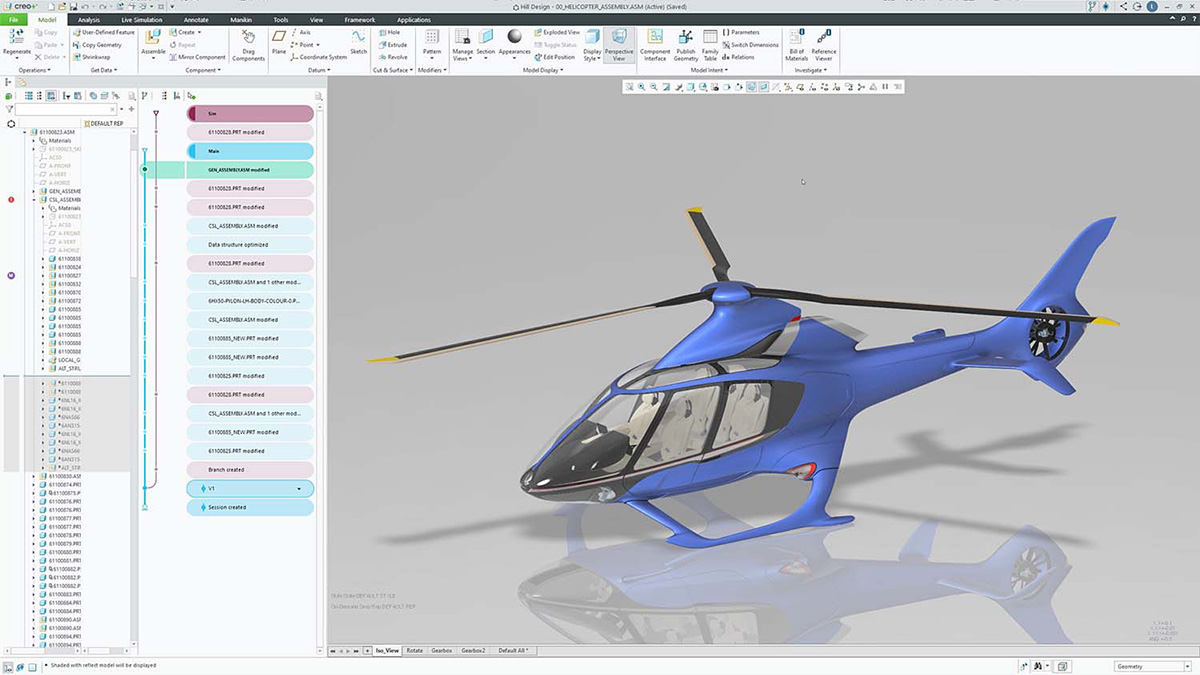
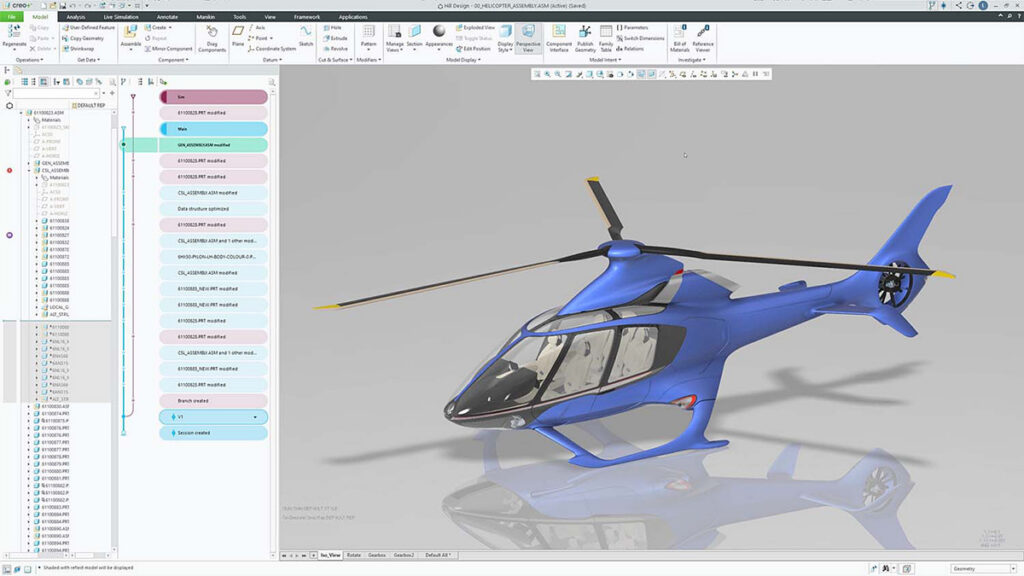
- Creo: A world-class 3D CAD suite, including SaaS capabilities through Creo+.
- Onshape: A cloud-native design platform that is increasingly popular among modern robotics developers and agile machine-building teams.
- Codebeamer: An essential tool for modern software-driven manufacturing, providing traceability, testing, and regulatory compliance for complex hardware-software systems.
- ServiceMax: A field service management powerhouse that allows for the monitoring of assets after they leave the factory floor.
"The opportunity is to build relationships earlier," Kulezak notes. "If you can influence the software a company uses to design their machines, you are in a much better position to sell them the automation hardware and energy management systems that will eventually run those machines."
Official Responses and Executive Vision
The reaction from the leadership of both organizations highlights a shared vision for "Intelligent Product Lifecycle" management.
Neil Barua, CEO of PTC, expressed optimism regarding the synergy, stating, "We gain substantial scale and resources to accelerate innovation. This partnership advances our vision of the Intelligent Product Lifecycle and allows us to expand our business into more geographies and end-markets, serving a broader base of customers than we ever could independently."
Schneider’s management emphasized that this is not merely a financial transaction but a technical one. The "digital thread" concept—the ability to pass data seamlessly from an engineer’s screen to an operator’s tablet on the shop floor—is the cornerstone of their value proposition to customers in the aerospace, defense, and automotive sectors, where complexity and compliance are paramount.
Strategic Implications and Execution Risks
While the long-term vision is compelling, the path forward is fraught with operational challenges. Integration is rarely a frictionless process, especially when merging a massive, legacy-heavy industrial firm like Schneider with a specialized software company like PTC.
The Integration Challenge
Kulezak points out that the sheer scale of the human and technical integration is daunting. "Schneider must absorb thousands of employees while aligning product roadmaps, sales incentives, and data architectures," he observes. "They are essentially trying to weave together three distinct entities—AVEVA, Cognite, and now PTC—without slowing down the pace of innovation that made those companies valuable in the first place."

Market Skepticism
The financial markets reacted with caution to the announcement, with Schneider Electric’s stock falling following the news. The 42.3% premium paid to acquire PTC suggests that Schneider is betting heavily on future synergies. Investors are concerned about the substantial financing requirements of the deal and whether the promised "digital thread" will yield enough immediate commercial value to justify the hefty price tag.
The "Quick Win" Potential
Despite the long-term risks, there are clear avenues for immediate gains. The ServiceMax platform, in particular, is seen as a "low-hanging fruit." By connecting product configuration data (from the engineering stage) with service history and real-time operational telemetry, Schneider can offer superior maintenance contracts, predictive spare parts management, and more efficient equipment upgrades. This could provide a faster return on investment than the more complex task of full engineering-to-operations integration.
Conclusion: The Road Ahead
The acquisition of PTC represents a defining moment for the industrial sector. Schneider Electric is no longer content to be a supplier of electrical infrastructure; it is transforming into a comprehensive provider of the "industrial brain."
Whether this deal ultimately succeeds will depend on execution. Schneider must prove that it can manage the cultural and technical complexity of its new portfolio. If it succeeds, it will force Siemens and other competitors to respond with their own aggressive maneuvers. For the global manufacturing industry, this means that the integration of software and hardware is no longer an optional digital transformation goal—it is the new standard of competition.
As the lines between the digital and physical worlds continue to blur, the company that controls the data flow from design to disposal will hold the keys to the future of industrial production. For now, all eyes are on Schneider Electric to see if it can successfully bridge that gap.