Main Facts
California, long hailed as the vanguard of America’s environmental and clean energy movement, now finds itself at the epicenter of a severe domestic crisis: soaring electricity bills. Electricity prices in the Golden State have climbed to roughly double the national average, making them the second-highest in the country. This financial strain has cascaded beyond individual household budgets, threatening to derail public support for broader decarbonization and electrification initiatives.
The economic fallout is keenly felt across the state. A recent public opinion poll reveals that an overwhelming 80% of Californians view lowering utility bills as a top priority for state lawmakers. While clean energy policies themselves are not the primary driver of these rate spikes, the state’s inability to control escalating costs has handed political leverage to fossil fuel interests. These groups have increasingly weaponized consumer frustration to cast doubt on the green transition.
The crisis has also commanded the attention of the state’s political leadership. Gubernatorial frontrunner Xavier Becerra has entered the fray with proposed immediate relief measures, including a temporary rate freeze and a program offering two hours of free power during midday peaks when solar generation is highest. However, energy policy experts emphasize that while these interventions offer short-term psychological and financial breathing room, they fail to address the systemic structural, regulatory, and operational flaws driving the state’s long-term cost increases.
Solving California’s dilemma requires a fundamental overhaul of how the state regulates its power sector, finances grid upgrades, and manages utility expenditures. According to a comprehensive policy roadmap developed by GridLab and Energy Innovation—synthesizing insights from more than 20 California power sector experts—policymakers must pivot from temporary bandaids to lasting regulatory reform to protect consumers and preserve the state’s clean energy legacy.
Chronology of the Crisis
To understand how California arrived at its current electricity affordability emergency, it is necessary to examine the historical trajectory of utility expenditures over the last two decades. The timeline of cost escalation highlights how specific compounding factors have reshaped consumer bills:
- Pre-2019 Growth: For years, California utilities experienced steady, manageable cost increases driven by standard infrastructure maintenance and early renewable integration.
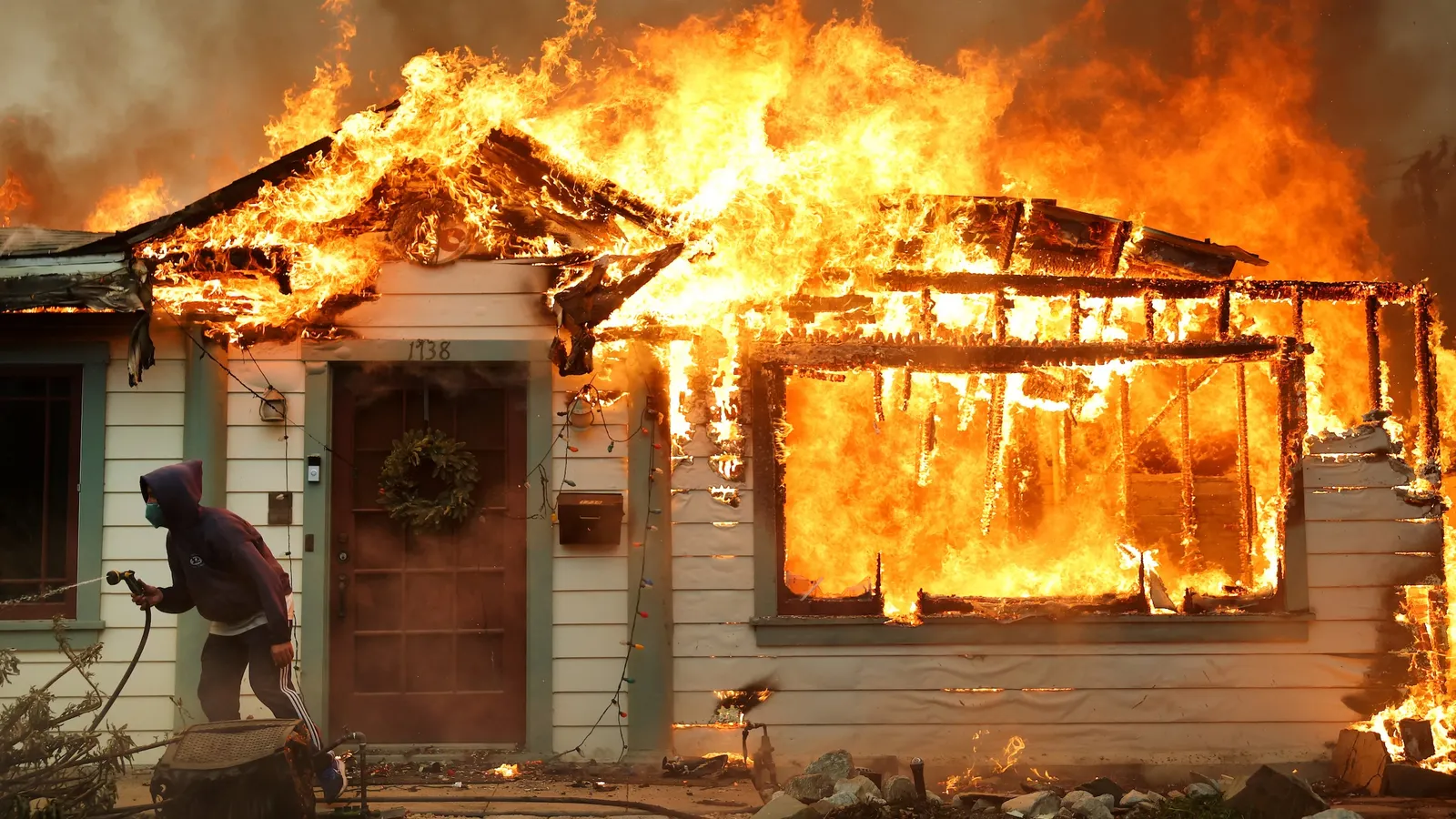
- The 2019 Watershed: Following a series of catastrophic, climate-driven wildfires, state utilities drastically ramped up capital expenditures aimed at mitigating future fire risks. This moment marked a severe inflection point, causing distribution costs—now the single largest component of a consumer’s utility bill—to skyrocket. Over the past twenty years, distribution expenses have doubled.
- 2018–2024 Regulatory Expansion: Concurrently, the use of "tracking accounts" and single-issue rate applications expanded rapidly. Data from UC Berkeley’s Center for Law, Energy and Environment indicates that funds channeled through these separately adjudicated tracking accounts surged from just $86 million in 2018 to an alarming $2.4 billion by 2024, severely obscuring spending transparency for ratepayer advocates.
- Present Day (2026): California’s grid utilization has dropped significantly, hovering around 48% compared to a historical high of approximately 60%. With lagging grid utilization meeting record-high structural costs, the affordability crisis has reached a boiling point, prompting widespread public backlash, high-level political proposals, and renewed calls for comprehensive regulatory overhauls.
Supporting Data and Financial Drivers
The mechanics of California’s utility bills reveal a complex web of capital expenditures, regulatory friction, and shifting market dynamics. While generation costs have grown relatively modestly—rising by roughly 40% over the past decade—transmission and distribution expenditures have exploded.
Transmission expenditures have tripled over the last twenty years, though transmission still only accounts for approximately 10% of a consumer’s total bill. Distribution costs, however, now constitute the lion’s share of consumer bills. When compared to peer states across the country, California’s cost trends are structurally similar but drastically magnified. Comparable utilities nationwide have faced rising transmission and distribution expenses, but the sheer scale of wildfire mitigation spending has caused California investor-owned utilities (IOUs) to outpace their national counterparts rapidly since 2019.
Compounding this financial burden is the state’s deteriorating grid utilization. As peak capacity requirements have grown, overall system utilization has plummeted from 60% down to 48%. This means consumers are effectively paying to maintain an increasingly underutilized physical asset base.
Furthermore, the proliferation of tracking accounts has created a shadow budget within the California Public Utilities Commission (CPUC). By moving billions of dollars into separate proceedings, the regulatory apparatus has made it exceedingly difficult for consumer advocates and legislative staff to track, audit, and rein in utility spending.
Official Responses and Proposed Solutions
Faced with a restless electorate and mounting pressure from business and consumer groups alike, state leaders are scrambling for solutions. The political and expert responses vary widely in scope and efficacy:
The Political Response
Gubernatorial candidate Xavier Becerra’s recent proposals—a rate freeze coupled with midday free power during solar surplus hours—aim to deliver immediate relief to struggling families. While popular among voters grappling with monthly bills, energy analysts caution that these measures do not tackle the underlying cost drivers embedded in the utility business model.

The Expert Roadmap: Simplifying Regulation
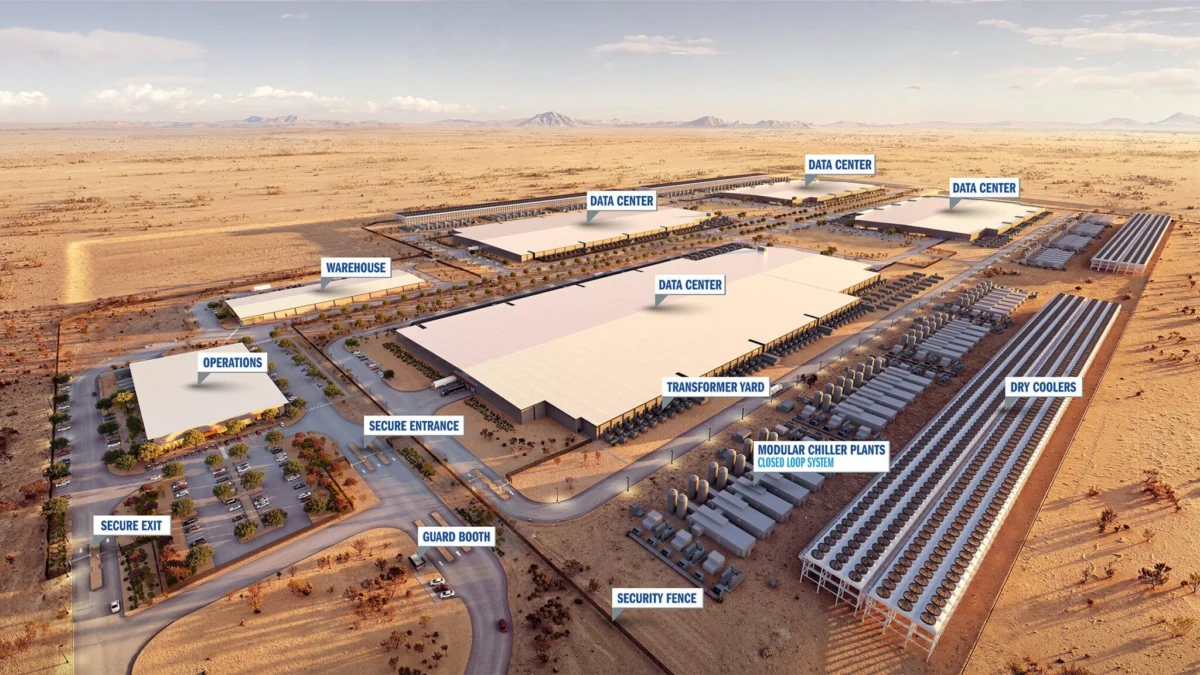
Public utilities commissioners and regulatory staff are currently stretched thin. The rapid influx of emerging technologies—such as battery storage, distributed energy resources, and massive data center power demands—has exponentially complicated the CPUC’s core mandate of ensuring just and reasonable rates.
To combat this, the GridLab and Energy Innovation roadmap calls for a two-pronged regulatory cleanup:
- Legislative Simplification: The state legislature must reexamine the mission and structural framework of the CPUC, lifting some of the administrative bloat associated with overlapping mandates, research programs, and specialized technology implementations.
- Regulatory Consolidation: Regulators must be given the breathing room to streamline cost oversight, reining in the runaway growth of tracking accounts and single-issue applications to restore transparency to the rate-setting process.
Modernizing Electricity Rates and Wildfire Financing
California’s heavy reliance on volumetric rates penalizes energy consumption, disproportionately burdening low-income households while failing to provide consumers with meaningful control over their bills. Legacy net energy metering policies have further exacerbated the imbalance, allowing many solar customers to zero out their bills while continuing to rely heavily on the physical grid.
Experts recommend expanding income-scaled fixed charges to distribute grid maintenance costs more equitably across all residential customers. Lowering volumetric rates in tandem with higher fixed charges would simultaneously incentivize consumers to adopt clean technologies like electric vehicles and heat pumps.
To stop spiraling wildfire-related rate increases, the state must rethink how wildfire mitigation is financed. Rather than placing the financial burden squarely on utility ratepayers—particularly those least able to pay and least responsible for climate-driven ignitions—the state should expand low-cost utility financing through securitization. Furthermore, large-scale, one-time expenditures providing statewide benefit should be covered by taxpayers, while state-supported home hardening initiatives can simultaneously tame spiraling property insurance costs.
Putting Utilities on a Budget
To restore public trust, California must address the fundamental structural flaw of the utility business model: capital bias, which incentivizes utilities to spend more capital to secure higher guaranteed returns. Regulators must transition utilities onto structured budgets tied to performance metrics. Utilities should be rewarded with higher returns when they demonstrably improve service quality and affordability, and face restricted profits when they fail to meet these targets.
Leveraging customer flexibility can also optimize the existing grid, using flexible grid connections to attract new large-scale industrial and commercial customers and driving grid utilization back up toward historical highs.
Implications for the Clean Energy Transition
The outcome of California’s electricity affordability crisis carries profound implications that extend far beyond state lines. As the undisputed pioneer of American clean energy policy, California serves as a living laboratory. If the state successfully navigates this crisis by decoupling decarbonization from soaring consumer costs, it will provide a sustainable blueprint for the rest of the nation.
Conversely, if electricity bills continue to climb unchecked, the political backlash could severely impair the electrification movement. Fossil fuel interests and opponents of climate policy are actively exploiting consumer anger to paint clean energy mandates as inherently anti-consumer. If everyday families associate heat pumps, electric vehicles, and solar power with financial ruin, public support for the green transition will erode.
The emergence of a new governor and a refreshed state legislature provides a timely window of opportunity. By shifting away from temporary patches and aggressively tackling the underlying regulatory, financial, and operational drivers of electricity costs, California can reclaim its mantle of leadership. The intense pressure bearing down on the state’s energy sector can either fracture its clean energy ambitions or forge a more resilient, affordable, and equitable power system for the future.