NORTH RIDGEVILLE — When the polar vortex descends and sub-zero temperatures grip the region, a residential or commercial heating failure is much more than a mere inconvenience—it is a critical emergency. As local heating contractors report a surge in emergency dispatch calls during deep-freeze events, homeowners are increasingly forced to grapple with the immediate hazards of a sudden drop in indoor temperatures.
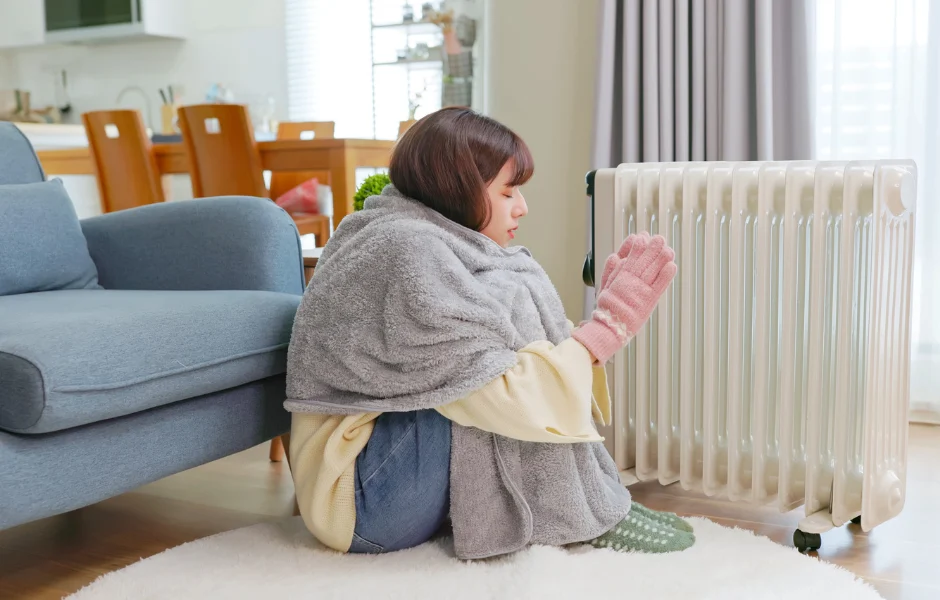
A malfunctioning heating system puts households at risk of frozen plumbing, structural damage, and severe health complications, particularly for vulnerable populations like the elderly and young children. Understanding how to rapidly diagnose minor issues, retain ambient heat, utilize safe temporary heating methods, and coordinate with licensed HVAC professionals is paramount to weathering the storm safely.
The Anatomy of a Winter HVAC Emergency: Main Facts
When a furnace stops working mid-winter, time is of the essence. The primary objectives during a heating failure are safeguarding human health, preventing catastrophic property damage (such as burst water pipes), and restoring thermal equilibrium to the building as quickly as possible.
- Rapid Temperature Drop: In sub-freezing weather, an unheated home can lose indoor heat in a matter of hours, dropping to dangerous levels that threaten both occupants and infrastructure.
- The Pipe Burst Hazard: Water freezes at 32°F (0°C). When indoor temperatures plummet, stagnant water inside supply lines expands, exerting immense pressure that can rupture pipes and cause thousands of dollars in water damage.
- Carbon Monoxide Risks: Desperate homeowners sometimes resort to unsafe heating alternatives—such as gas ovens, charcoal grills, or unvented combustion heaters—leading to a sharp spike in accidental carbon monoxide (CO) poisonings during severe winter weather events.
- The Solution Protocol: Effective emergency management requires a systematic approach: executing preliminary troubleshooting, sealing the home against drafts, implementing safe auxiliary heating, preventing plumbing failures, and engaging certified technicians.
Chronology of an Emergency: What to Do When the Heat Goes Out
When you discover that your furnace has quit, panic is the enemy. Following a structured chronological response ensures that you protect your family and property while awaiting professional assistance.
Phase 1: Immediate Triage and Basic Troubleshooting (Minutes 0–15)
Before calling for emergency service, perform a series of rapid, safe checks to rule out simple user errors or minor component glitches:
- Thermostat Inspection: Verify that the thermostat is set to "Heat," the temperature is set higher than the current room temperature, and the batteries are fully charged.
- Power Supply Check: Inspect the circuit breaker panel to ensure the furnace breaker hasn’t tripped. Check the emergency shut-off switch (usually a toggle switch mounted near the furnace or at the top of basement stairs) to ensure it hasn’t been accidentally flipped off.
- Filter Evaluation: A severely clogged air filter restricts airflow, triggering the furnace’s high-limit switch to automatically shut the system down to prevent a fire. Replace or clean the filter if it is blocked.
- Gas and Flue Supply: Ensure the gas valve is fully open. Check exterior exhaust and intake vents for blockages caused by heavy snow accumulation or ice buildup.
Phase 2: Heat Retention and Environmental Control (Minutes 15–30)
If basic troubleshooting fails, your immediate priority shifts to trapping existing heat inside the living space:
- Seal Off Rooms: Choose a single central room (preferably one with minimal exterior walls and windows) for your household to gather in. Close doors to unused rooms and hallways.
- Block Drafts: Roll up towels or use draft stoppers at the base of exterior doors and windows. Hang heavy blankets over windows to act as an extra thermal barrier.
- Dress in Layers: Put on thermal underwear, wool sweaters, heavy socks, and winter coats. Layering is scientifically proven to trap body heat more effectively than a single heavy garment.
Phase 3: Protecting Infrastructure (Minutes 30–60)
To prevent severe structural damage from frozen and bursting pipes:
- Drip Faucets: Open both hot and cold faucets slightly to allow a continuous, slow drip. Moving water is significantly harder to freeze.
- Open Cabinet Doors: Under-sink plumbing is notoriously vulnerable because cabinets block ambient room heat. Open kitchen and bathroom cabinet doors to allow warm indoor air to circulate around the pipes.
- Locate the Main Shutoff: Familiarize yourself with the location of the main water shutoff valve in your home so you can act instantly if a pipe begins to leak or burst.
Phase 4: Deploying Temporary Heat Sources (Hour 1+)
If technicians are delayed due to high regional call volumes, you may need to supplement your core living space with temporary heat:
- Electric Space Heaters: Utilize certified, modern electric space heaters equipped with tip-over protection and automatic shut-off features. Plug them directly into wall outlets—never use extension cords, which can overheat and spark electrical fires.
- Fireplaces and Wood Stoves: If available, burn seasoned firewood, ensuring the flue damper is fully open and a protective screen is in place to catch stray embers.
Supporting Data and Meteorological Context
According to home maintenance and insurance industry data, winter weather events are directly correlated with a massive surge in emergency home repairs.
- Claim Statistics: Property damage resulting from frozen and burst pipes ranks among the most common and costly winter insurance claims, with average repair costs frequently exceeding thousands of dollars per incident.
- HVAC Failure Rates: Industry analysis indicates that nearly 40% of all furnace breakdowns occur during the first severe cold snap of the season. This happens because heating systems that have remained dormant all summer are forced to work at maximum capacity overnight, exposing underlying mechanical fatigue.
- Component Vulnerability: The most frequent culprits behind mid-winter heating failures include electronic ignition/pilot light assembly failures, worn-out blower motors, blocked condensate drainage lines (in high-efficiency condensing furnaces), and tripped pressure switches.
Official Safety Guidelines and Warnings
Public safety agencies, including local fire departments and utility providers, issue strict advisories every winter regarding emergency heating safety.
The Carbon Monoxide Danger
The National Fire Protection Association (NFPA) warns that portable combustion appliances must never be used indoors. Operating gas ranges, outdoor propane heaters, kerosene heaters, or charcoal grills inside an unventilated home produces lethal concentrations of carbon monoxide—an odorless, colorless gas that can cause incapacitation and death within minutes.
- Mandatory Alarms: Every home must have working carbon monoxide detectors installed on every level, particularly outside sleeping areas. Test the batteries monthly.
- Ventilation Clearance: Ensure that all permanent fuel-burning appliances (such as water heaters and gas furnaces) have clear, unobstructed flues leading to the exterior of the building to prevent exhaust backdrafts.
Implications for Homeowners and Commercial Property Managers
A sudden winter furnace failure carries broad financial, structural, and operational implications that underscore the necessity of proactive maintenance.
1. Financial Impact
Emergency, after-hours HVAC repair calls typically command premium service rates. When compounded by collateral damage—such as ruined drywall and warped flooring from burst pipes—a neglected heating system can easily result in a multi-thousand-dollar disaster. Proactive maintenance agreements and routine seasonal tune-ups are proven to reduce the statistical probability of catastrophic mid-winter failures by up to 85%.
2. Commercial Continuity
For business owners in North Ridgeville and surrounding areas, a commercial heating failure disrupts operations, drives away customers, and can freeze vital business infrastructure. Commercial properties require specialized rooftop or multi-zone furnace diagnostics that demand immediate commercial HVAC response teams to protect inventory, pipes, and business continuity.
3. The Value of Professional Diagnostics
While DIY troubleshooting can resolve minor hiccups like tripped breakers or dirty filters, attempting to repair complex mechanical or gas-line issues independently is dangerous and can void manufacturer warranties. Licensed HVAC technicians possess specialized diagnostic tools—such as digital multimeters, gas leak detectors, and combustion analyzers—to identify and resolve root causes safely and efficiently.
Expert Recommendations for Winter Preparation
Preventing a winter heating emergency is vastly superior to reacting to one. Industry experts recommend adopting a structured seasonal checklist:
- Schedule Annual Tune-Ups: Have a certified technician inspect your heat exchanger, test electrical connections, clean burners, and lubricate moving parts every autumn before the freezing weather arrives.
- Change Filters Regularly: Replace disposable pleated air filters every 1 to 3 months throughout the heating season to ensure optimal airflow and system efficiency.
- Keep the Area Clear: Maintain a clearance zone of at least three feet around your furnace, free of storage boxes, flammable liquids, and debris.
- Insulate Vulnerable Ductwork and Pipes: Wrap uninsulated water pipes located in crawlspaces, attics, and exterior walls with foam insulation sleeves.
Professional Furnace Repair and Maintenance in North Ridgeville
Don’t let a malfunctioning or broken furnace leave your family or business out in the cold. When winter temperatures plunge and your heating system lets you down, you need a trusted local partner who can deliver fast, reliable, and expert service.
At Climate-Tech, Inc., our team of certified, licensed HVAC technicians specializes in comprehensive winter furnace repairs, emergency diagnostics, and preventative maintenance. Whether you are dealing with a completely dead system, strange noises, or erratic cycling, we have the tools and expertise to restore warmth, safety, and comfort to your property.
Contact Climate-Tech, Inc. today to schedule your emergency service or preventative maintenance check. With Climate-Tech, Inc., a warm, cozy, and secure home is always just one phone call away.