LONDON — As traditional corporate silos continue to dissolve across global enterprises, the Chief Procurement Officer (CPO) role is undergoing its most radical transformation in decades. No longer confined to the back-office metrics of cost-cutting and ledger compliance, procurement leadership is stepping firmly onto the front lines of corporate strategy, revenue generation, and technological integration.
These revelations emerge from an extensive, multi-week summer listening tour conducted by Procurement Leaders, engaging more than 50 of its elite CPO members. Designed to interrogate the future of the function and challenge both organizational and executive mindsets, the dialogues have culminated in a fundamental rethinking of corporate value creation. The insights gathered are set to define the community’s strategic trajectory for the next 12 to 18 months, with the official 2027 product and community theme slated for launch in the coming weeks.
Beneath the surface of these forward-looking conversations lies a profound industry truth: for the first time in 15 years of tracking, digitalization has officially overtaken human capital as the primary enabler of value creation within the CPO community.
Main Facts: The Evolving Anatomy of Modern Procurement
The modern procurement function is no longer defined by its ability to extract concessions from suppliers during contract renewals. Instead, today’s CPOs are expanding their operational horizons into three distinct strategic pillars: revenue contribution through collaborative innovation, the fortification of competitive advantage via antifragile supply chains, and the optimization of "return on supplier investments" (ROSI).
- Beyond Cost Reduction: CPOs are increasingly evaluated on their capacity to fuel top-line growth. By acting as the bridge between external innovation ecosystems and internal R&D teams, procurement is actively accelerating time-to-market for new products and services.
- The Antifragile Enterprise: In an era defined by geopolitical instability, macroeconomic turbulence, and climate shocks, resilience is no longer enough. Leaders are engineering antifragile operations—systems that not only withstand disruption but actually improve under pressure.
- Maximizing Supplier Value: The traditional vendor-purchaser dynamic is giving way to deep, strategic partnerships. Executives are tracking ROSI with the same rigorous scrutiny historically reserved for internal capital expenditures.
However, this expansive evolution is not without friction. As functional boundaries blur, procurement risks losing its distinct institutional identity even as it gains broader enterprise influence. Navigating this paradox requires a delicate balance of cutting-edge technology adoption and sophisticated talent management.
Chronology: From Back-Office Ledger to Boardroom Strategy
To understand how modern procurement reached this critical inflection point, it is necessary to examine the chronological evolution of the discipline over the past quarter-century.
Phase 1: The Cost-Compliance Era (Early 2000s – 2010s)
For decades, procurement was viewed primarily as an administrative necessity. CPOs reported into finance or operations, and their success was measured almost exclusively through direct cost savings, invoice accuracy, and risk mitigation. Strategic participation in executive decision-making was rare, and the function operated strictly within defined operational boundaries.
Phase 2: The Resilience Wake-Up Call (2020 – 2023)
The COVID-19 pandemic, followed by cascading global supply chain disruptions, forever altered the perception of procurement. Boards of directors realized that supply chain resilience was a matter of corporate survival. CPOs were suddenly thrust into C-suite conversations, tasked with securing scarce materials, managing inflationary pressures, and navigating geopolitical trade bottlenecks.
Phase 3: The Blended Enterprise and Digital Dominance (Present – 2027 and Beyond)
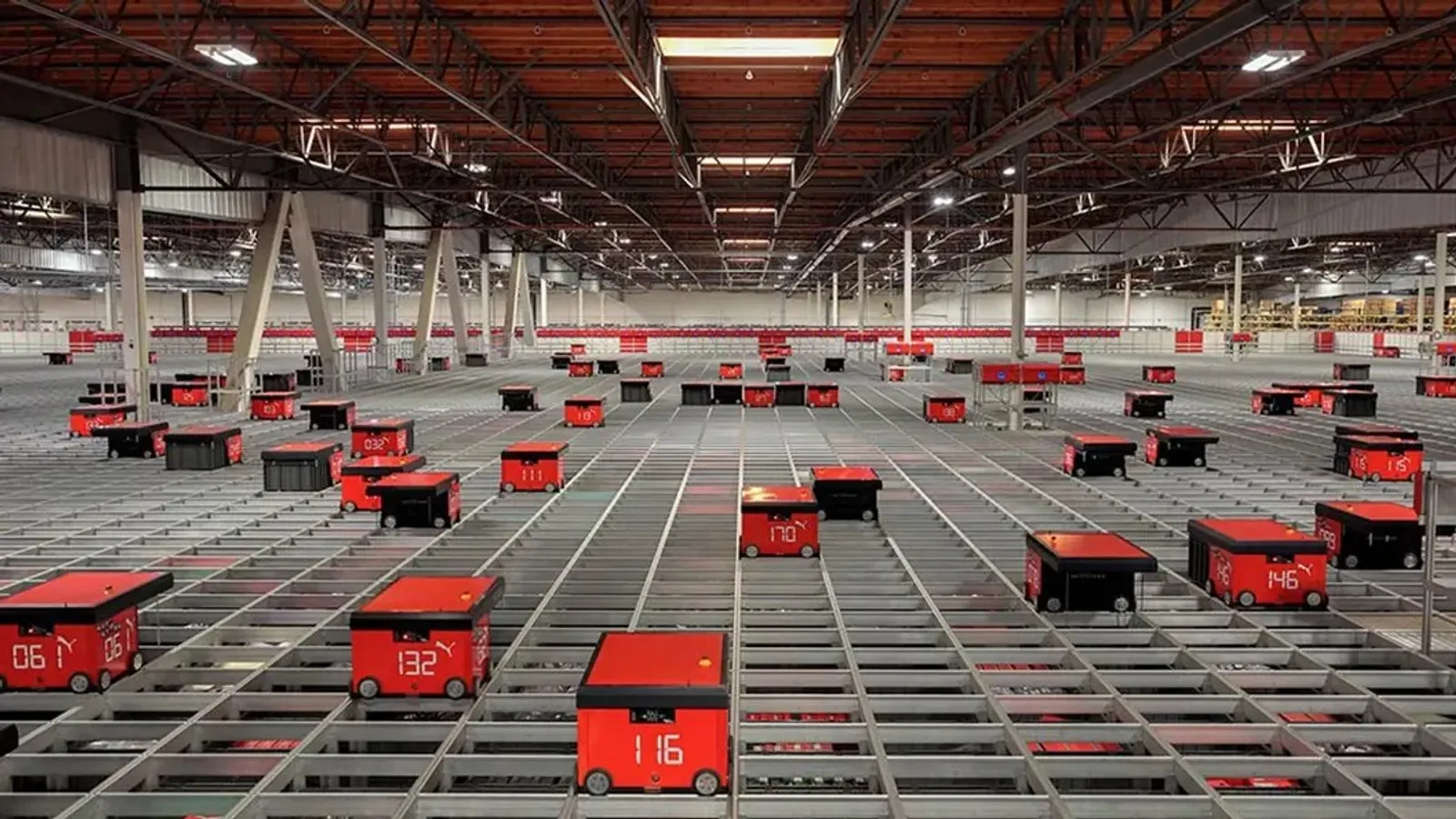
Today, we are witnessing the third and most disruptive phase of the modern CPO journey. Functional boundaries are dissolving as procurement processes become embedded directly into cross-functional business units. Decisions are increasingly decentralized and consumer-centric. Most notably, this phase marks the tipping point where advanced digital infrastructure—ranging from AI-driven predictive analytics to autonomous sourcing engines—has surpassed human talent as the primary catalyst for functional value.
Supporting Data: The Digitalization Tipping Point
The most startling data point emerging from the summer listening tour marks a historic shift in executive mindset. After 15 years of human-centric transformation initiatives—where workforce upskilling, talent acquisition, and leadership development reigned supreme—digitalization has been crowned by CPOs as the single most important enabler of value.
While industry leaders emphasize that it was a closely contested metric, the implication is profound. Artificial intelligence, machine learning, automated contract lifecycle management, and real-time supply chain visibility platforms are no longer viewed merely as support tools. They are the core engines driving modern procurement performance.
[Traditional Focus] ──(2000-2015)──> Cost Reduction & Compliance
[The Pivot]         ──(2020-2023)──> Supply Chain Resilience
[The New Frontier]  ──(Present-2027)─> Digital-First Value & Blended Operations
Key Quantitative and Qualitative Metrics from the CPO Cohort:
- 50+ CPOs Interviewed: A robust sample size representing multinational conglomerates, Fortune 500 enterprises, and agile mid-market leaders.
- 12 to 18-Month Horizon: The timeframe over which the upcoming 2027 community and product themes will dictate research, collaboration, and executive benchmarking.
- 15-Year Milestone: The duration for which human capital held the undisputed top spot as a value enabler, now eclipsed by technology.
Despite the rise of the "robots," leaders are quick to note that technology does not eliminate the need for skilled professionals; rather, it elevates the demands placed on them. Managing increasingly complex, automated, and hyper-connected ecosystems requires a new breed of procurement professional equipped with advanced analytical capabilities and strategic acumen.
Official Responses and Executive Perspectives
Reflecting on the comprehensive series of dialogues, community leaders and participating CPOs have shared critical perspectives on the state and future of the profession.
"Our members are thinking well beyond procurement in terms of how they measure success and functional impact. CPOs are looking at how they contribute to revenue generation through innovation, drive competitive advantage through antifragile strategies, and are adopting concepts such as how they maximize their ‘return on supplier investments’."
— Insights from the Procurement Leaders Summer Listening Tour Analysis
Executives participating in the sessions emphasized that the transition toward a blended enterprise model offers immense upside, provided that governance does not fall by the wayside.
"When procurement is deeply embedded into every facet of the business—from product design to marketing operations—we achieve unprecedented agility," noted one anonymous CPO from a global manufacturing firm during the consultations. "Yet, our greatest challenge is ensuring that our strategic relevance remains visible. When everyone does a little bit of procurement, the risk is that the specialized value of the CPO is taken for granted."
Another retail sector CPO highlighted the human element of the technological shift: "We are buying the best software and AI agents in the market, but the bottleneck is no longer the technology itself. It is whether our people can translate algorithmic insights into commercial leverage."
Implications: Navigating the 2027 Horizon
The insights harvested from the summer listening tour carry far-reaching implications for organizations worldwide. As Procurement Leaders prepares to unveil its definitive 2027 strategy in the coming weeks, CPOs and enterprise executives must confront several foundational realities:
1. Redefining Functional Identity in a Blended World
As traditional departmental walls crumble, procurement professionals must shed their identity as gatekeepers and embrace their new role as orchestrators. This requires proactive stakeholder management and clear articulation of value beyond traditional cost savings. CPOs must prove their worth through top-line contributions, innovation partnerships, and risk mitigation that directly protects enterprise valuation.
2. The AI and Automation Imperative
With digitalization officially recognized as the leading value driver, organizations that underinvest in cutting-edge procurement technology risk falling behind permanently. However, technology adoption must be strategic rather than superficial. Integrating predictive analytics, automated sourcing, and cognitive contract management will separate market leaders from legacy laggards.
3. Upskilling for the Next Era of Complexity
The fact that digitalization has edged out human capital does not diminish the importance of talent—it transforms it. The procurement professional of 2027 must be part data scientist, part diplomat, and part commercial strategist. Organizations must invest heavily in upskilling programs that bridge the gap between technical automation and strategic business partnership.
4. Measuring What Matters: ROSI and Antifragility
Corporate performance metrics must evolve in tandem with the procurement function. Standard cost-per-unit metrics are no longer sufficient. Enterprises must adopt sophisticated frameworks that measure Return on Supplier Investments and reward proactive, antifragile supply chain designs that can weather unanticipated global disruptions.
Conclusion
The convergence of advanced digitalization and the blurring of functional boundaries marks a watershed moment for the procurement profession. As CPOs cast their gaze toward 2027, the mandate is clear: evolve from administrative cost-controllers into digitally empowered architects of enterprise growth and resilience.
While the ascent of automation to the top spot of value enablers signals a new technological dawn, the ultimate success of the function will still depend on visionary leadership, adaptive talent, and the ability to turn complex global ecosystems into a definitive competitive advantage.
To receive weekly insights from the Procurement Leaders community, industry professionals and executives are encouraged to sign up for the CPO Crunch newsletter.