By Industrial & Commercial Facilities Desk
Published: October 2023
Main Facts
In an era where commercial real estate owners face intense pressure to balance operational cost efficiency with aggressive corporate sustainability targets, a newly completed retrofit project offers a masterclass in modern building optimization. Building Automation Systems (BAS) recently finalized a comprehensive energy analysis, design, and turnkey installation for a major chilled water plant replacement and digital control system upgrade at a prominent commercial office facility.
The scope of the project was as ambitious as it was necessary. The facility—a sprawling, three-story, 80,000-square-foot multi-tenant office building originally constructed in 1989—was battling rising energy penalties, obsolete mechanical infrastructure, and persistent tenant comfort complaints. By replacing a decaying, ozone-depleting chiller plant and overhauling an antiquated pneumatic control setup with a state-of-the-art Direct Digital Control (DDC) system, the project team unlocked massive utility incentives and operational savings.
Financial and resource metrics for the completed project highlight its immediate impact:

- Utility Rebate: Awarded $171,000 in energy-efficiency rebates from local utility programs.
- Annual Financial Savings: Estimated at over $84,000 per year in combined electric and gas utility expenses.
- Resource Conservation: Projected annual savings of 395,100 kWh of electricity and 19,900 therms of natural gas.
- Return on Investment (ROI): Delivers a robust 11% return on investment, showcasing how deep energy retrofits can double as fiscally responsible capital expenditures.
By addressing root-cause inefficiencies—such as 24/7 continuous equipment runtime, lack of outside air management schedules, and the heavy baseline cooling loads of a core-heavy building footprint—the BAS design-build team transformed a financial and operational liability into a high-performance asset.
Chronology of the Retrofit: From Baseline Diagnosis to Commissioning
To understand the magnitude of the recent upgrade, industry analysts must look back at the historical operational baseline of the property. Constructed during a vastly different era of commercial building standards, the facility was designed to serve corporate office tenants across its 80,000 square feet. Because approximately 60% of the building’s total footprint consists of interior core spaces lacking exterior exposure, the facility requires continuous, year-round cooling regardless of outdoor ambient temperatures.
Phase 1: The Aging Baseline and Pre-Existing Bottlenecks
Prior to the intervention by BAS, the building’s mechanical spine was rapidly deteriorating. Chilled water was supplied by two aging R-11 water-cooled chillers utilizing centrifugal compressors, totaling 250 tons of cooling capacity. The refrigerant (R-11) itself was a relic of past environmental standards, posing compliance risks and maintenance hurdles. Furthermore, these chillers had reached the absolute end of their useful operational lives, facing the imminent threat of catastrophic mechanical failure.
The air distribution architecture compounded these issues. The facility relied on a Constant Air Volume (CAV) multi-zone hot-deck/cold-deck system. Each of the building’s three floors was serviced by two air handling units (AHUs) featuring plenum returns. Uniquely, these AHUs received no direct outside air; instead, a dedicated make-up air unit situated in the penthouse was tasked with supplying outside air directly to the AHU return plenum.
Compounding the energy waste was an absolute absence of scheduling automation. All AHUs operated continuously on a 24/7 basis, whether the building was fully occupied during peak business hours or empty over the weekend. Compounding tenant dissatisfaction, the entire mechanical system was governed by legacy pneumatic controls—a technology notorious for calibration drift, slow response times, and an inability to execute complex energy-saving algorithms. Tenants frequently voiced complaints regarding uneven temperatures and thermal discomfort.
Phase 2: Design-Build Intervention and Strategic Reconfiguration
Recognizing that piecemeal repairs were no longer viable, ownership partnered with BAS to execute a comprehensive design-build strategy. The engineering team laid out a multi-layered capital improvement plan centered around three core objectives: modernizing core cooling equipment, eliminating pneumatic controls in favor of smart digital automation, and integrating free-cooling capabilities to drastically slash electric consumption.
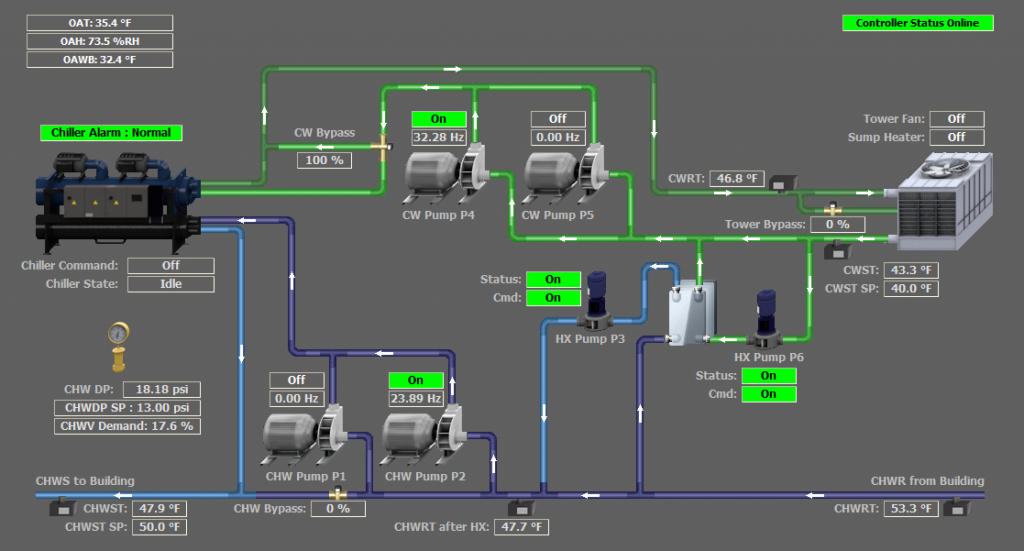
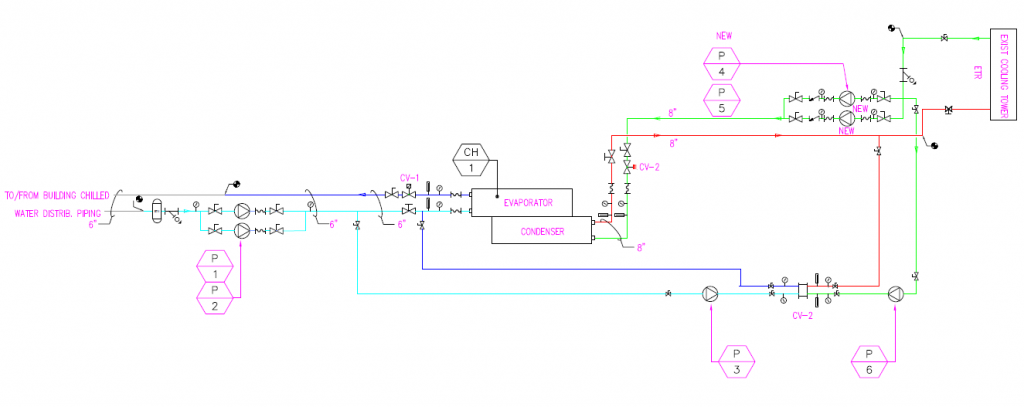
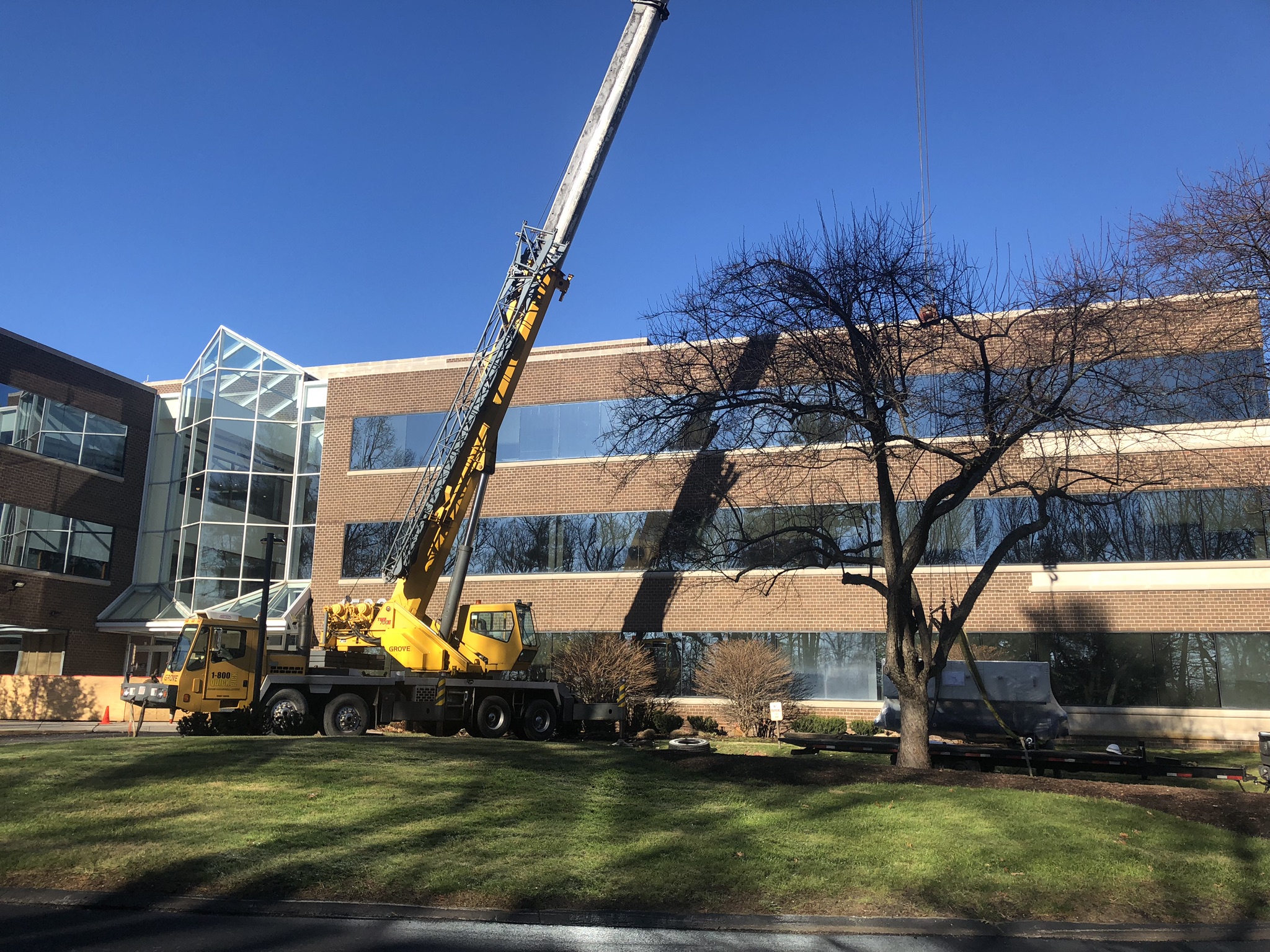
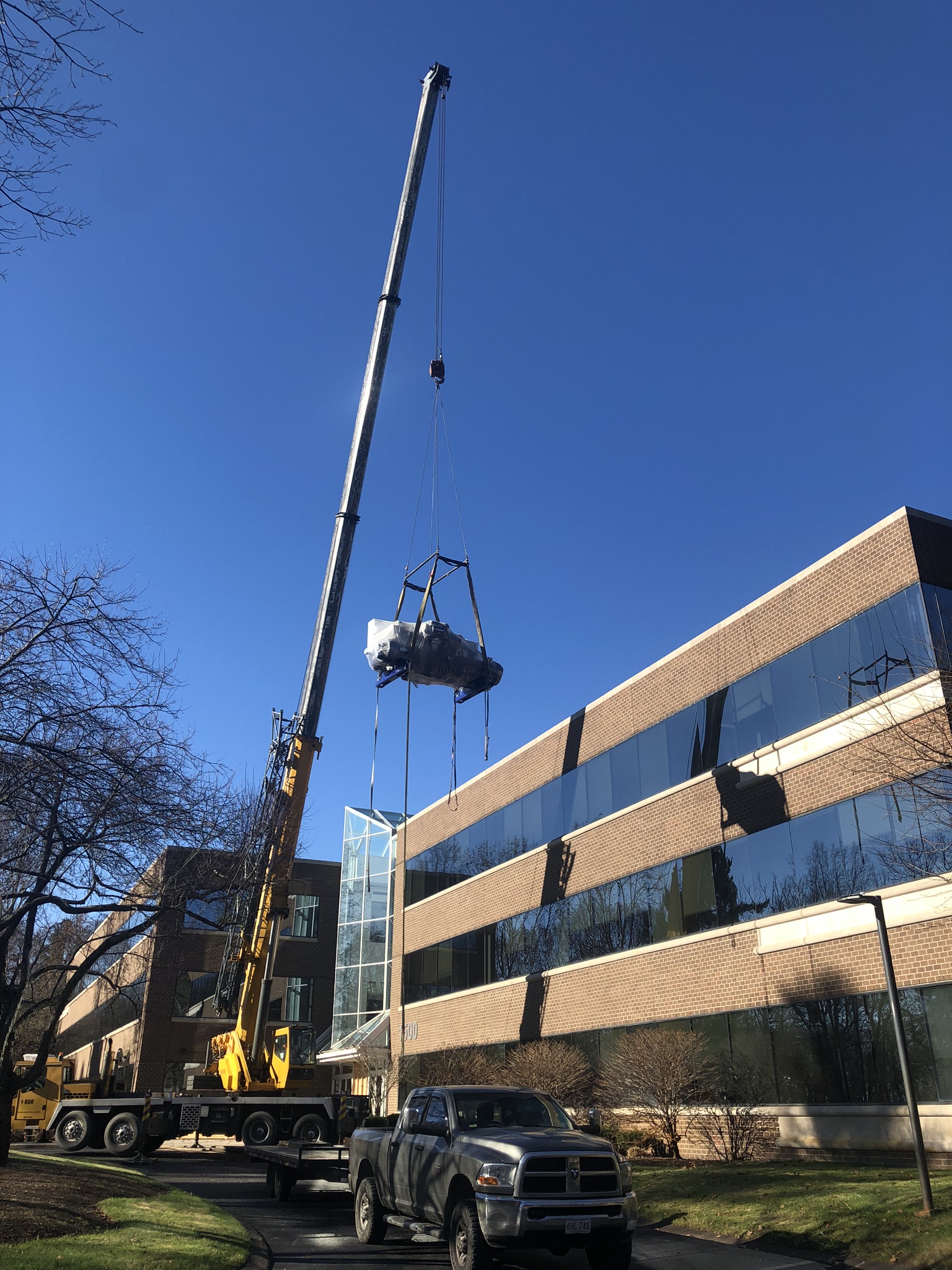
The physical plant received a brand-new, high-efficiency 250-ton water-cooled centrifugal chiller designed to seamlessly integrate with sophisticated variable frequency drives (VFDs). Specifically, the chilled water loop was upgraded with two 25-horsepower chilled water pumps equipped with VFDs, alongside two 15-horsepower condenser water pumps also driven by VFDs.
To tackle the building’s perpetual core cooling demand without running heavy compressors year-round, BAS engineered a cutting-edge chilled water heat exchanger system. This configuration allows the facility’s cooling tower to provide "free cooling" whenever ambient weather conditions permit. Powered by two dedicated 3-horsepower pumps that operate continuously during free-cooling cycles, the system leverages cold outdoor wet-bulb temperatures to chill the building water loops naturally, sparing the primary compressors from unnecessary wear and high energy draws.
Phase 3: Total Automation Overhaul
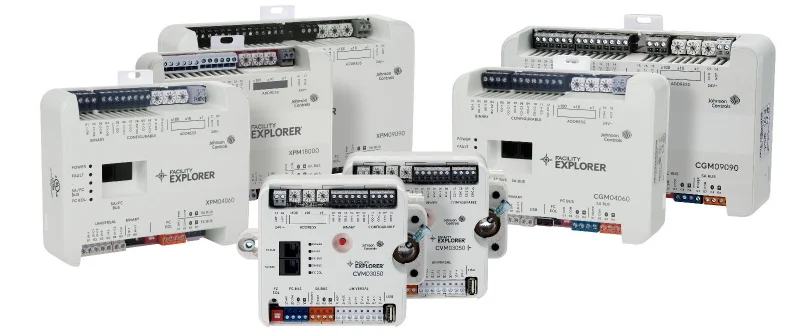
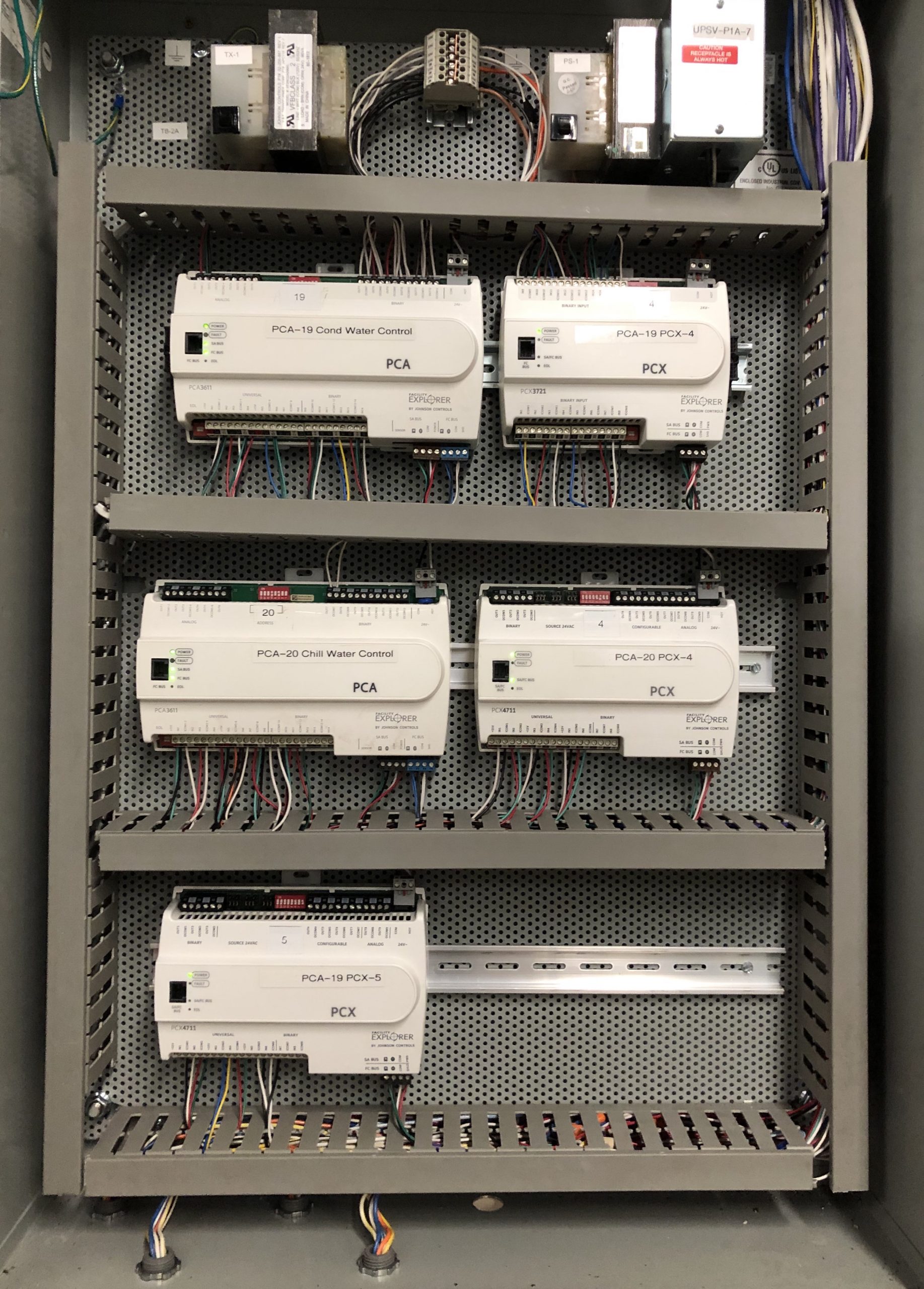
Simultaneously, the pneumatic control infrastructure was entirely gutted and replaced with a modern Johnson Controls (JCI) FX distributed DDC system. This digital upgrade unlocked critical operational strategies, including:
- Automated equipment scheduling tailored to real occupancy profiles.
- Intelligent chilled water temperature reset and cooling tower reset curves to maximize part-load chiller efficiency.
- Dynamic temperature setbacks during unoccupied hours.
- Comprehensive system-wide alarming and remote web-based monitoring capabilities.
- A user-friendly graphical interface empowering facility operators to diagnose and rectify anomalies instantly.
Supporting Data and Technical Breakdown
The success of the BAS installation is anchored in meticulous engineering data and verifiable conservation metrics. In commercial real estate, cooling interior-heavy office spaces is notoriously energy-intensive because internal heat gains from occupants, lighting, and office equipment demand thermal removal even during cold winter months.
Under the old operational regime, the building’s two R-11 chillers were forced to run constantly to manage these core loads, drawing immense amounts of electrical power regardless of how cold it was outside. By introducing the plate-and-frame heat exchanger for free cooling, the building can now utilize the cooling tower to reject heat directly to the atmosphere whenever outdoor wet-bulb temperatures drop sufficiently. This innovation alone accounts for a significant portion of the projected annual savings of 395,100 kWh.
Furthermore, the integration of VFDs on both the chilled water and condenser water pumps allows for proportional flow control based on real-time thermal demand, moving away from wasteful, constant-speed pumping strategies. When combined with DDC-driven reset strategies—where chilled water supply temperatures are dynamically adjusted upward when full cooling capacity is not required—the overall Coefficient of Performance (COP) of the plant skyrocketed.
On the heating and thermal distribution side, the rationalization of equipment runtimes via JCI FX scheduling and the elimination of 24/7 unmanaged HVAC operation yielded dramatic natural gas savings. Trimming unnecessary overnight and weekend runtimes for the make-up air and air handling units saved an estimated 19,900 therms annually.
Financially, the project’s capital structure was heavily optimized by securing a $171,000 utility incentive. This upfront financial offset dramatically lowered the net capital expenditure for the building ownership group, accelerating the payback period and ensuring an attractive 11% return on investment.
Official Responses and Stakeholder Perspectives
The successful delivery of a complex, multi-system mechanical and automation retrofit requires seamless collaboration between engineering contractors, building management, and utility providers. While specific executive quotes remain proprietary to the participating firms, industry response to the project has underscored a broader shift in how commercial property portfolios approach capital asset management.
Facility management consultants observing the project have pointed out that deep retrofits of 1980s-era office buildings are becoming an absolute necessity to maintain property valuations. As municipalities adopt stringent carbon-emissions caps and energy-disclosure ordinances, buildings that fail to modernize risk heavy financial penalties and tenant attrition.
By taking a proactive design-build approach, the property ownership not only resolved chronic tenant comfort grievances but also positioned the asset as a sustainable, forward-thinking workplace. The elimination of outdated R-11 refrigerant—a chemical compound heavily regulated due to its ozone-depleting properties—further signals corporate responsibility and alignment with modern environmental standards.
Additionally, utility program administrators have frequently cited projects of this caliber as ideal models for demand-side management. By curtailing nearly 400,000 kilowatt-hours of annual demand, the retrofit relieves critical strain on regional electrical grids during peak summer cooling seasons, reinforcing the symbiotic relationship between private building upgrades and public utility infrastructure reliability.
Implications for the Commercial Real Estate and HVAC Industry
The completion and performance of this 80,000-square-foot office retrofit carry significant implications for the broader commercial real estate (CRE) and building automation sectors. As millions of square feet of commercial office space constructed in the 1980s and 1990s reach the twilight of their primary mechanical lifecycles, asset managers face a critical fork in the road: engage in reactive "fix-on-fail" maintenance or invest in holistic, technology-driven modernization.
1. The Death of Pneumatic Controls
This project highlights the accelerating obsolescence of pneumatic control systems. While pneumatic controls were standard engineering practice for decades, their limitations in precision, maintenance overhead, and integration capability make them incompatible with modern energy-efficiency mandates. The seamless transition from pneumatics to JCI FX DDC demonstrated in this project proves that ripping out legacy control lines and installing scalable digital networks is a foundational prerequisite for unlocking advanced energy-saving sequences like supply temperature resets and dynamic scheduling.
2. The Power of Free-Cooling in Core-Dominated Buildings
Commercial structures with high core-to-perimeter ratios—such as data centers, medical facilities, and modern office towers—struggle with internal heat loads year-round. The deployment of a chilled water heat exchanger system for free cooling represents a vital engineering playbook for these building types. By decoupling mechanical refrigeration from winter cooling needs, facility operators can capture massive electrical savings during shoulder and winter seasons.
3. Leveraging Financial Incentives to Drive ROI
Capital expenditure hurdles are frequently cited by building owners as the primary barrier to energy-efficiency upgrades. However, this project illustrates how aggressive pursuit of utility rebates can fundamentally alter the financial viability of a project. Securing a $171,000 rebate transformed what might have been viewed as a daunting capital expense into a high-yield investment delivering an 11% return, proving that sustainability and financial profitability are mutually reinforcing.
4. Future-Proofing Tenant Retention and Asset Value
Beyond kilowatt-hours and therms, the human element of building automation cannot be overstated. Prior to the BAS intervention, tenant complaints regarding thermal comfort threatened lease renewals in a competitive commercial leasing market. By installing responsive DDC controls, eliminating hot-spot/cold-spot imbalances, and introducing granular remote monitoring, ownership successfully restored indoor environmental quality. In a post-pandemic leasing environment where tenants demand high-performance, healthy, and responsive indoor spaces, operational excellence is directly tied to asset liquidity and long-term valuation.
Ultimately, the chilled water plant replacement and automation overhaul executed by Building Automation Systems serves as a blueprint for the future of commercial building retrofits—demonstrating that engineering rigor, digital intelligence, and financial incentives can successfully converge to breathe new life into aging infrastructure.