By: Building Automation Systems (BAS) Editorial Team
Published by Building Automation Systems
Main Facts: The Intersection of HVAC, Indoor Air Quality, and Viral Transmission
In the wake of the global COVID-19 pandemic, the operational paradigms of commercial, industrial, and institutional facilities have undergone a fundamental transformation. Facility managers, building engineers, and property owners are no longer judged solely on energy efficiency and thermal comfort; indoor air quality (IAQ) has risen to the forefront of building operations.
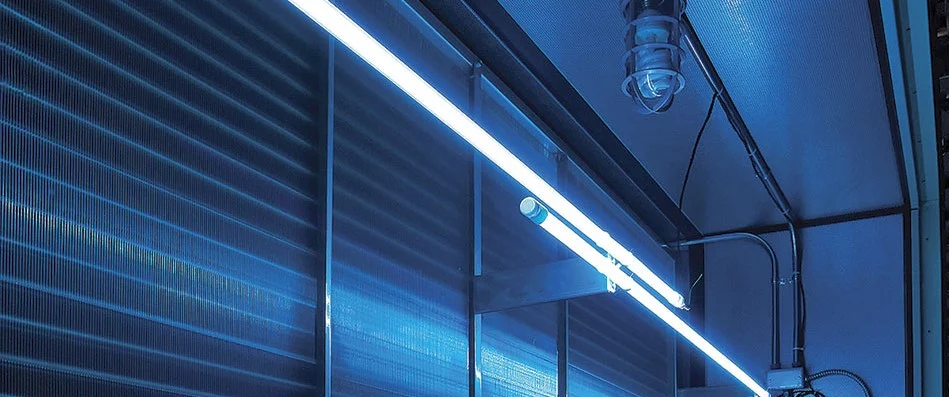
Among the various strategies deployed to combat airborne pathogens—ranging from increased outdoor air ventilation rates to the installation of ultraviolet germicidal irradiation (UVGI) and bipolar ionization—upgrading mechanical air filtration remains one of the most cost-effective, universally endorsed, and operationally straightforward solutions. However, a widespread misconception persists: that the highest possible filtration rating is universally the best choice for every system.
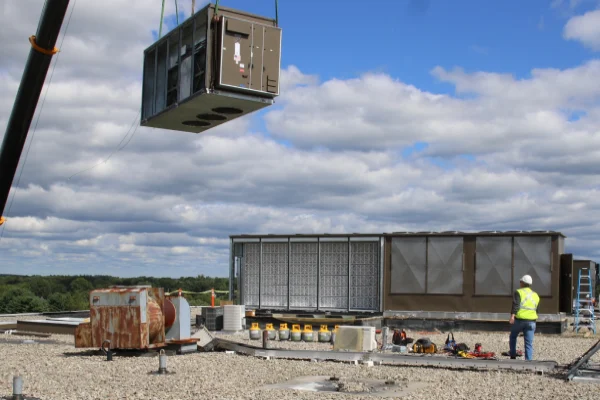
The reality is far more nuanced. Selecting the optimal level of HVAC filtration requires a careful balance between pathogen capture efficiency, system static pressure drop, fan motor capacity, and overall energy consumption. While industry standards such as those established by the American Society of Heating, Refrigerating and Air-Conditioning Engineers (ASHRAE) strongly recommend a Minimum Efficiency Reporting Value (MERV) rating of 13 or higher for COVID-19 mitigation, retrofitting an older or poorly designed rooftop unit (RTU) with ultra-dense filters without prior engineering assessments can lead to catastrophic equipment failure, reduced airflow, and ironically, degraded indoor air quality.
Chronology: How the Pandemic Redefined HVAC Operations
To understand where facility management stands today, it is essential to trace the chronological evolution of HVAC guidelines from the onset of the pandemic to the current "new normal."
Early 2020: The Initial Crisis and Panic Response
When the SARS-CoV-2 virus began its rapid global spread in early 2020, scientific consensus regarding airborne transmission was still developing. Initial guidance from public health agencies emphasized surface sanitation. However, as epidemiologists and aerosol scientists confirmed that the virus could remain suspended in indoor air via aerosols over extended periods, attention shifted abruptly to building ventilation systems. Facilities scrambled to implement emergency measures, often purchasing portable HEPA filters or arbitrarily swapping out standard filters for high-grade alternatives without consulting mechanical engineers.
Mid-2020 to 2021: Standardization and ASHRAE Guidance
By the summer and fall of 2020, industry organizations mobilized. ASHRAE established the Epidemic Task Force, which began publishing authoritative, science-based guidance documents. The consensus quickly solidified around a multi-layered approach: increasing outside air exchange, operating HVAC systems for longer hours (including pre- and post-occupancy flushing), and upgrading central air filtration to MERV 13 or the highest possible rating compatible with existing equipment.
2022 to 2023: The Transition to the "New Normal"
As emergency declarations expired and societies reopened, organizations transitioned from reactive emergency responses to long-term operational best practices. Facility managers recognized that improved IAQ was not merely a temporary pandemic measure, but a permanent value-add that reduced overall absenteeism from respiratory illnesses like influenza and the common cold, while also mitigating indoor pollutants such as wildfire smoke and particulate matter (PM2.5).
2024 and Beyond: Predictive Maintenance and Smart Filtration
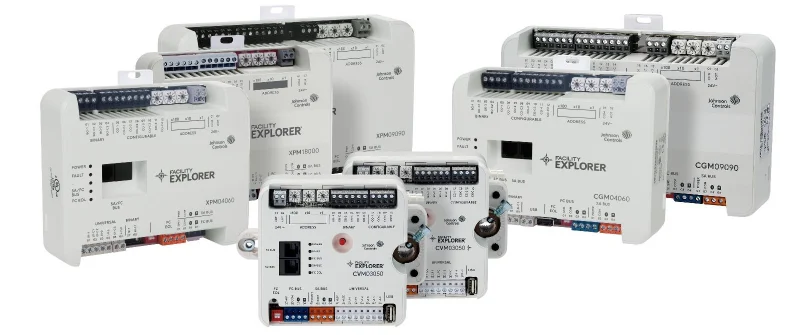
Today, facility operations are increasingly integrated with intelligent building automation systems (BAS). Modern smart buildings utilize differential pressure sensors across filter banks to monitor filter loading in real-time, moving away from arbitrary calendar-based replacement schedules toward condition-based maintenance. This evolution optimizes energy use, minimizes labor costs, and ensures continuous compliance with high indoor air quality standards.
Supporting Data: Understanding MERV Ratings and Particle Physics
To make informed decisions, facility operators must understand the relationship between airborne viral particle sizes and the rating systems used to evaluate mechanical filters.
The Size of the COVID-19 Virus vs. Particulate Capture
A common point of confusion among building operators is how a filter can capture a virus if the pore size of the filter medium appears larger than the virus itself.
- SARS-CoV-2 Particle Size: The individual COVID-19 virus has a diameter of approximately 0.06 to 0.14 micrometers ($mu m$).
- Aerosolized Droplets: Viruses rarely travel as naked, isolated particles through the air. Instead, they are expelled from human respiratory tracts (via breathing, speaking, coughing, and sneezing) encased in moisture, proteins, and salts. These respiratory droplets rapidly evaporate into droplet nuclei, typically ranging from 1 to 3 micrometers ($mu m$) in size.
Mechanical air filters do not operate merely like simple kitchen sieves or screen doors that physically block objects larger than their holes. Instead, filters capture particles through complex aerodynamic mechanisms, including:
- Inertial Impaction: Large, heavy particles fail to follow the curving airstream around filter fibers and crash directly into them.
- Interception: Mid-sized particles following the airstream brush against the sides of the filter fibers and adhere.
- Diffusion: Extremely small particles (sub-micron) experience random Brownian motion, causing them to collide with and stick to filter fibers.
ASHRAE 52.2 MERV Efficiency Breakdown
The Minimum Efficiency Reporting Value (MERV) scale, governed by ASHRAE Standard 52.2, rates filters from MERV 1 to MERV 20. For respiratory droplet nuclei generated by human activity (1–3 $mu m$), the capture efficiency scales dramatically across the spectrum:
| Filter Rating | Efficiency at Capturing COVID-Sized Particulates (1–3 Micrometers) | Operational Notes |
|---|---|---|
| MERV 1 – 7 | Not Effective (<20%) | Captures only large dust, pollen, and insect debris. Unsuitable for pathogen mitigation. |
| MERV 8 | 20% | Standard commercial baseline; captures dust mites and mold spores, but minimal viral protection. |
| MERV 9 | 35% | Moderate residential/light commercial grade. |
| MERV 10 | 50% | Offers baseline improvement for light-duty commercial applications. |
| MERV 11 | 65% | Captures pet dander and routine commercial pollutants effectively. |
| MERV 12 | 80% | High-efficiency commercial grade; strong performance against fine dust and smoke. |
| MERV 13 | 85% (Recommended) | The industry gold standard for epidemic control; captures the vast majority of respiratory aerosols. |
| MERV 14 | 90% | Premium commercial/hospital-grade filtration. |
| MERV 15 | 90% | Found in critical care hospital environments and cleanrooms. |
| MERV 16 | 95% | Ultra-high-efficiency filtration for specialized research and medical facilities. |
(Note: Ratings reflect performance per ASHRAE 52.2-2012 test standards.)
Official Responses and Expert Recommendations
Leading health and engineering authorities have issued rigorous guidelines regarding HVAC filtration and building operations. A synthesis of statements from the Centers for Disease Control and Prevention (CDC), the Environmental Protection Agency (EPA), and ASHRAE highlights several core principles:
- The ASHRAE Epidemic Task Force Mandate: ASHRAE continues to recommend upgrading central air filters to MERV 13 or the maximum efficiency that the system fan and filter rack can safely accommodate without compromising airflow design specifications.
- The EPA’s Clean Air in Buildings Challenge: Endorsed by federal agencies, this initiative calls on building owners to optimize ventilation and air filtration as a core pillar of public health infrastructure. The EPA emphasizes that filtration should be viewed as part of a comprehensive strategy that includes source control and outdoor air dilution.
- Engineering Caveats: Professional bodies uniformly caution against haphazard upgrades. According to mechanical engineering experts, installing a MERV 13 or higher filter into a system designed originally for MERV 6 or 8 can drastically increase static pressure. If the blower motor lacks the capacity to overcome this increased resistance, total system airflow drops. Reduced airflow compromises thermal comfort, can cause heating and cooling coils to freeze, and ultimately reduces air changes per hour (ACH)—defeating the entire purpose of the upgrade.
Implications for Facility Managers: Best Practices and Maintenance
Implementing an effective filtration strategy requires answering critical operational questions. Below are essential guidelines for facility operators navigating the "new normal."
1. What is the Recommended Filtration Level for Your Facility?
For the vast majority of commercial office buildings, educational institutions, retail spaces, and public facilities, MERV 13 represents the optimal sweet spot. It provides high-efficiency capture rates (approximately 85%) for 1–3 $mu m$ respiratory aerosols without imposing the extreme static pressure penalties associated with HEPA (High-Efficiency Particulate Air) filters, which often require dedicated, custom-engineered air handling units.
However, heavy industrial facilities, cleanrooms, and healthcare settings may require MERV 14 through MERV 16, or even dedicated HEPA filtration units, depending on regulatory mandates and contaminant risks.
2. How Often Should HVAC Filters Be Changed and Replaced?
Traditional maintenance schedules often dictated changing filters every 90 days. In the post-pandemic operational environment, this blanket rule is obsolete. Filter lifespan depends on several variable factors:
- Operating Hours: Facilities running their HVAC systems 24/7 or operating extended pre- and post-occupancy purge cycles will load filters much faster.
- Environmental Surroundings: Buildings located near major roadways, agricultural zones, or regions prone to seasonal wildfire smoke will experience accelerated particulate accumulation.
- Filter Loading Dynamics: As higher-MERV filters (such as MERV 13) capture more particulate matter, their static pressure rises more rapidly than lower-efficiency filters.
Best Practice: Facility managers should install differential pressure gauges or utilize building automation system (BAS) alerts to monitor pressure drops across filter banks. Filters should be replaced when the pressure drop reaches the manufacturer’s recommended final resistance limit, or typically every 60 to 90 days, supplemented by visual inspections during high-pollutant seasons.
3. Overcoming Retrofit Challenges
Before upgrading filter banks, facility operators should consult with HVAC professionals to perform a static pressure audit. If an upgrade to MERV 13 causes excessive pressure drop, alternatives include:
- Installing extended-surface pleated filters with greater surface area (e.g., deeper 4-inch or 12-inch box filters instead of standard 1-inch panels) to lower face velocity and pressure drop.
- Upgrading blower motors to Variable Frequency Drive (VFD) controlled electronically commutated motors (ECMs) capable of maintaining constant airflow against higher resistance.
Conclusion and Expert Support
Balancing indoor air quality, viral mitigation, and energy efficiency is one of the defining operational challenges of modern facility management. While upgrading to MERV 13 filtration is an indispensable tool in creating healthier indoor environments, it must be executed with careful engineering oversight to protect mechanical assets and maintain system integrity.
If you have questions regarding the proper level of filtration for your specific HVAC equipment, rooftop units, or air handling systems, reach out to the experts at Building Automation Systems (BAS) today. Our team of experienced engineers and technicians can help evaluate your facility’s infrastructure, optimize your indoor air quality, and ensure your building operates safely, efficiently, and in full compliance with modern industry standards.