The United States freight rail sector has demonstrated remarkable resilience and growth as the third quarter of 2026 progresses. According to the latest weekly data released by the Association of American Railroads (AAR), both rail carload and intermodal volumes have maintained a positive trajectory, signaling a robust demand for domestic goods and a steady flow of international trade moving through the nation’s logistical arteries.
For the week ending August 29, 2026, the industry saw an across-the-board improvement in performance, reinforcing the trend of volume expansion seen throughout the month. This sustained growth serves as a vital indicator of the broader economic health of the United States, reflecting the confidence of shippers and the efficiency of the national rail network.
Main Facts: A Strong Finish for August
The data for the week ending August 29 confirms a clear upward trend in rail activity. Rail carloads reached a total of 240,021 units, representing a 2.2% increase compared to the same period last year. This figure is not an isolated success but rather the peak of a three-week upward climb, outperforming the carload totals for the weeks ending August 22 (235,885) and August 15 (233,261).
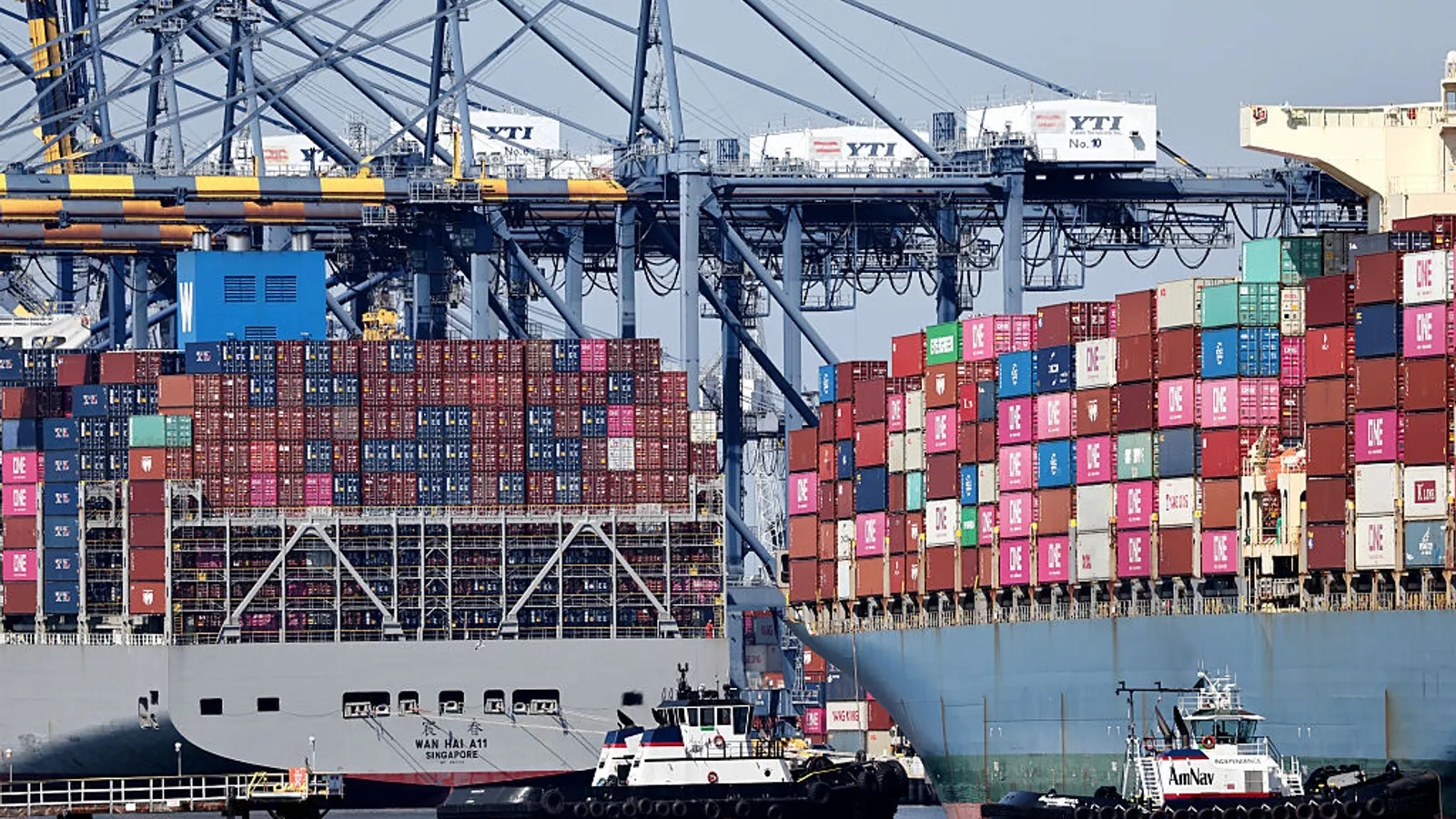
Parallel to the performance of traditional rail cars, the intermodal sector—which serves as a primary barometer for consumer goods and retail inventory replenishment—posted even stronger results. Intermodal volume, comprising containers and trailers, hit 303,191 units for the week. This represents a significant 5.7% year-over-year increase, continuing a pattern of consistent weekly growth throughout the latter half of August.
Combined, these metrics underscore an industry that is successfully navigating the complexities of post-pandemic supply chain fluctuations and shifting market demands.
Chronology: The August Upward Trend
To understand the current strength of the rail sector, one must look at the progression of the last three weeks of August. The data reveals a steady acceleration in freight movement that points toward an optimistic outlook for the remainder of the quarter.
Weekly Performance Snapshot:
- Week Ending August 15: Rail carloads stood at 233,261, while intermodal units totaled 291,838.
- Week Ending August 22: Rail carloads saw a slight bump to 235,885, while intermodal units rose to 296,577.
- Week Ending August 29: The momentum culminated in 240,021 rail carloads and 303,191 intermodal units.
This three-week trajectory indicates that the rail network is not only maintaining its capacity but is actively absorbing higher volumes as the late-summer logistics cycle intensifies. This sequential growth is often a precursor to the traditional peak shipping season, suggesting that rail carriers are well-positioned to handle the anticipated surge in retail and industrial demand.

Supporting Data: Commodity-Level Analysis
The strength of the U.S. rail industry is never uniform; it is a composite of diverse commodity movements, each influenced by different economic drivers. The AAR tracks 10 distinct carload commodity groups, and the data for the week ending August 29 showed that the majority—seven out of 10—posted annual gains.
The Winners: Sectors Driving Growth
The primary contributors to the positive growth in carloads included:
- Metallic Ores and Metals: This group saw a robust increase of 2,449 carloads, bringing the weekly total to 24,801. This suggests sustained activity in the construction and manufacturing sectors, which rely heavily on the movement of raw steel, aluminum, and ores.
- Grain: Posting an increase of 1,644 carloads to reach 21,359, the grain sector continues to play a pivotal role in rail volume, reflecting both domestic food production needs and international export demands.
- Nonmetallic Minerals: With an increase of 1,219 carloads (totaling 33,812), this sector’s performance highlights the ongoing demand for materials used in infrastructure projects and industrial applications.
The Laggards: Sectors Facing Headwinds
Despite the overall growth, some commodity groups experienced downward pressure:
- Chemicals: This group saw a decline of 1,322 carloads, settling at 33,640. Chemical rail traffic is often sensitive to global industrial production cycles and energy market volatility.
- Motor Vehicles and Parts: Facing a contraction of 1,049 carloads to 16,443, this sector reflects the ongoing challenges in automotive manufacturing, including supply chain bottlenecks for semiconductors and shifting consumer preferences toward electric vehicles.
- Miscellaneous Carloads: This category saw a minor reduction of 597 carloads, landing at 8,954.
Official Perspectives: The Year-to-Date Context
While weekly figures are critical for tactical operational adjustments, the AAR’s year-to-date (YTD) data provides a broader strategic view of the rail industry’s performance in 2026. Through the first 34 weeks of the year, the numbers reflect a healthy, growing sector.
U.S. rail carloads have reached 7,751,931 units so far this year, marking a 2.7% increase compared to the same period in 2025. Even more impressive is the intermodal performance, which has surged to 9,605,177 units, reflecting a 3.9% annual gain.
Industry analysts suggest these figures indicate that rail is successfully capturing a larger share of the logistics market. The ability of rail carriers to maintain such consistent growth in the face of inflationary pressures and labor market constraints speaks to the heavy investments in technology, network efficiency, and infrastructure that the Class I railroads have undertaken over the past several years.
Implications: What This Means for the Economy
The performance of the rail industry is more than just a logistical update; it is a macro-economic bellwether. When rail carloads and intermodal volumes increase, it suggests that the real economy—the movement of physical goods—is active and expanding.

1. Supply Chain Reliability
The consistent weekly growth indicates that the U.S. rail system is effectively managing the throughput of goods. For manufacturers and retailers, this stability is essential for inventory management and the avoidance of costly stockouts. As we move closer to the end-of-year holiday season, the ability of the railroads to move high volumes of intermodal containers suggests that the retail supply chain is operating with a high degree of predictability.
2. Infrastructure and Investment
The growth in sectors like metallic ores and nonmetallic minerals serves as a testament to the ongoing infrastructure development within the United States. As federal and private projects move from planning to execution, the rail network is clearly the primary mode of transport for the massive volume of materials required for these endeavors.
3. Sustainability and Modal Shift
With increasing corporate focus on Environmental, Social, and Governance (ESG) criteria, the rail industry is increasingly positioned as a "green" alternative to long-haul trucking. The 3.9% year-to-date growth in intermodal volumes suggests that more shippers are shifting their freight from road to rail to reduce their carbon footprint. This modal shift is likely to persist as long as railroads continue to provide competitive transit times and reliability.
4. Economic Resilience
The 2.7% YTD increase in carloads against a backdrop of global economic uncertainty suggests that the domestic U.S. market remains fundamentally strong. Rail freight volume is highly correlated with industrial production (IP). If rail volumes continue to climb, it is a strong signal that industrial manufacturing remains a cornerstone of the U.S. economy, capable of weathering external shocks.
Conclusion: Looking Toward the Final Quarter
As the rail industry moves out of the third quarter and into the final months of 2026, the trends established in August provide a firm foundation for the remainder of the year. The combination of strong intermodal growth—driven by consumer demand—and resilient carload traffic—supported by industrial and agricultural activity—positions the nation’s freight rail network as a vital engine of growth.
While challenges remain, particularly within the automotive and chemical manufacturing sectors, the overall picture is one of disciplined growth and operational efficiency. Stakeholders, from investors to supply chain managers, will be watching closely to see if the momentum of the last three weeks of August can be sustained through the end of the year. Given the current trajectory and the underlying demand for the goods moving across the tracks, the outlook for the U.S. rail sector remains decidedly positive.