LONDON & NEW YORK — In a sweeping move that underscores the rapid industrialization of artificial intelligence in supply chain management, consumer goods titan Unilever has announced a massive expansion of its digital twin manufacturing initiative. Building upon initial proofs-of-concept across five diverse factories, the company is set to deploy AI-enabled digital twins to approximately 40 additional manufacturing facilities over the next 18 months.
To achieve this ambitious global scaling effort, Unilever has partnered with prominent technology and consulting services firm Accenture. The initiative represents a pivotal milestone in the fast-moving consumer goods (FMCG) sector, demonstrating how legacy manufacturing networks can leverage real-time data integration, predictive analytics, and autonomous agent systems to radically transform plant floor efficiency.
However, as leadership accelerates this digital evolution, executives are keen to emphasize that the journey is as much about cultural adaptation and rigorous metric-setting as it is about advanced software. According to Vicky Cuthbert, Chief Product Supply Chain Officer for Unilever’s personal care business, early mistakes have provided invaluable lessons that will dictate the playbook for the upcoming global rollout.
Main Facts
The core of Unilever’s scaling initiative centers on the deployment of digital twins—virtual, real-time replicas of physical equipment, assembly lines, and entire production ecosystems. These virtual models ingest live sensor data from shop floors to continuously monitor, analyze, and predict equipment performance, process effectiveness, and potential bottlenecks.
Key elements of the expansion include:
- Scope and Timeline: Over the next 18 months, Unilever will roll out AI-enabled digital twins to roughly 40 manufacturing locations worldwide.
- Technology Partner: The initiative is executed in collaboration with Accenture, leveraging its enterprise technology consulting and deployment capabilities.
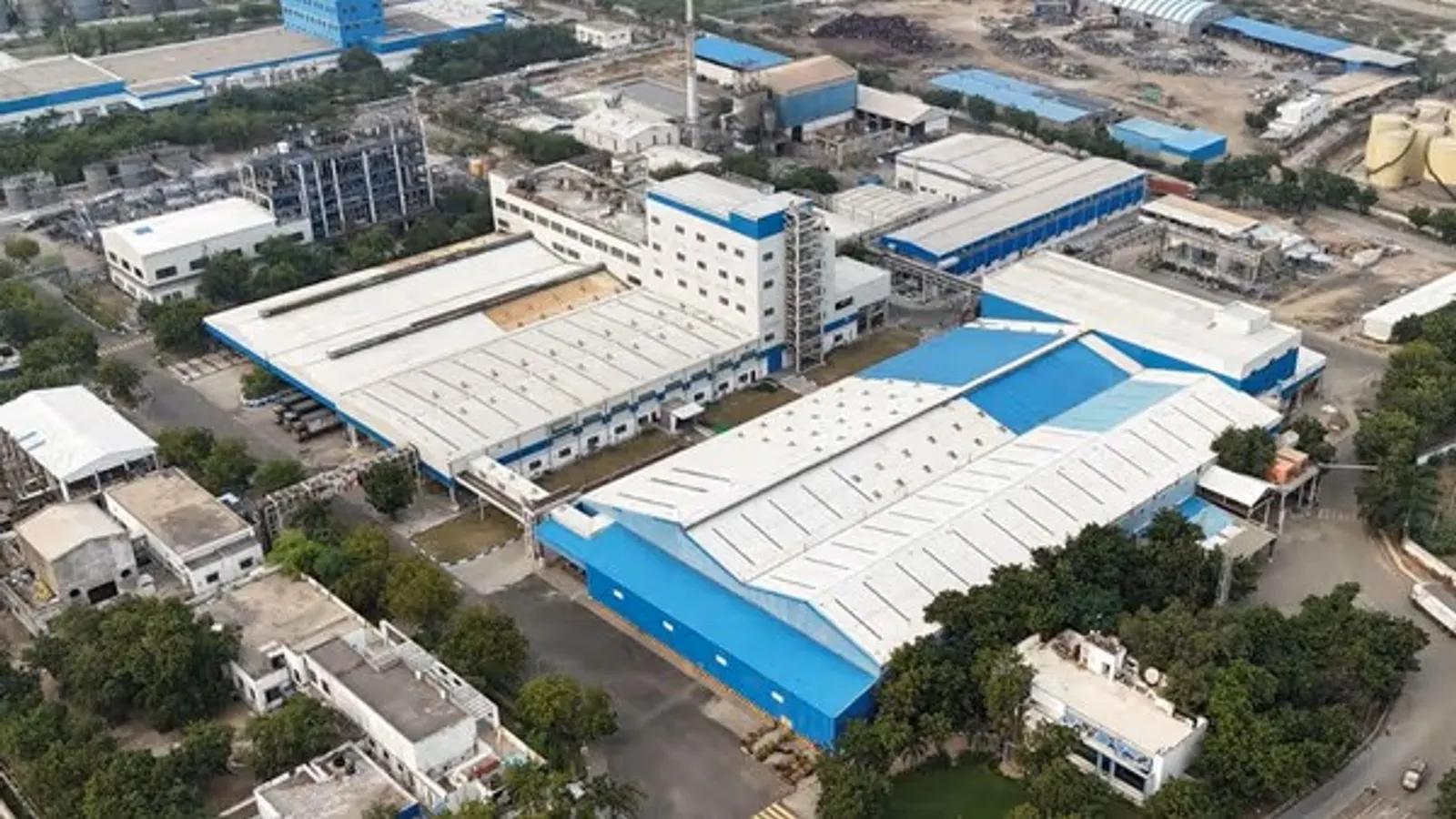
- Foundation: The expansion draws directly from operational learnings gathered across five pilot sites in the United States, Poland, Vietnam, and India.
- Tangible Outcomes: Pilot implementations have yielded significant improvements, including a 20% reduction in waste at a North American personal care plant, a 30% drop in product defects at an Indian facility, and optimized ingredient savings in Vietnam.
- Organizational Support: Unilever has introduced "DigiEdge," a gamified training program designed to bridge the digital skills gap and foster a culture capable of co-existing with advanced automation and AI agents.
Chronology: From Early Trials to Global Scaling
The road to Unilever’s current multi-site expansion was neither immediate nor without friction. Understanding the evolution of the project offers a clear view of how industrial AI matures within a multinational corporation.
Phase 1: The Early Days and Misaligned Metrics
In the initial exploratory phases of digital twin implementation, Unilever deployed early iterations of the technology without fully locking down standardized definitions of success. According to Vicky Cuthbert, the organization fell into a common trap associated with emerging enterprise tech: adopting innovation for its own sake rather than tying it to concrete, measurable business outcomes.
"As we started doing this work in the early days, we were probably not clear enough on making sure that we were driving a benefit that we could tangibly measure in the results," Cuthbert admitted in an interview with Supply Chain Dive. This realization forced leadership to step back, refine their strategic approach, and demand absolute clarity regarding problem definitions before launching any new virtual twin project.
Phase 2: Pilot Testing Across Four Continents
With a refined framework in place, Unilever tested the technology across five strategically selected manufacturing sites, capturing a diverse cross-section of cultural, operational, and geographical environments:
- Raeford, North Carolina (United States): Focused on personal care production.
- Poznań (Poland): Focused on food manufacturing.
- Gandhidham (India): Focused on personal care.
- Cu Chi (Vietnam): Focused on home care.
(A fifth undisclosed or complementary site rounded out the initial cohort).
These pilot plants served as real-world laboratories. They allowed engineers and data scientists to test how virtual models interacted with legacy machinery, how sensor networks handled data latency, and how factory floor operators adapted to receiving AI-driven recommendations.
Phase 3: The 40-Site Global Rollout (Current and Future Outlook)
Armed with empirical success stories and hard-earned operational insights, Unilever formalized its partnership with Accenture to scale the technology globally. Over the next year and a half, the deployment will target roughly 40 additional factories.
Concurrently, the interaction between human operators and AI software agents is evolving. Presently, digital twins generate recommendations and suggested corrections, requiring human sign-off before any action is executed on the production line. However, lower-risk processes are gradually shifting toward autonomous agent intervention, setting the stage for a hybrid human-machine operational model that adapts dynamically on a weekly basis.
Supporting Data and Operational Impact
The business case for Unilever’s digital twin expansion is grounded in compelling performance metrics recorded during the pilot phase. Far from being abstract technological experiments, the virtual models have delivered direct improvements to sustainability, waste reduction, and productivity.
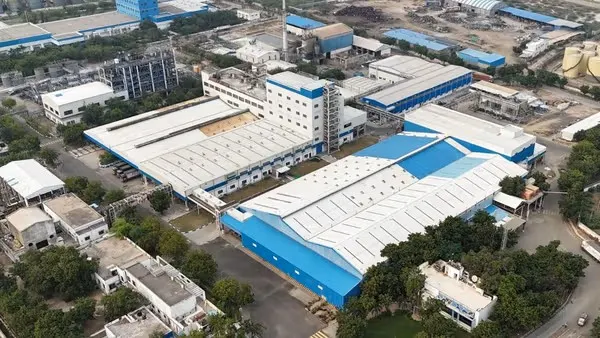
Measurable Results Across Pilot Facilities
- Raeford, North Carolina, USA: By utilizing digital twins to monitor personal care manufacturing lines, this plant successfully cut operational waste by 20% while simultaneously boosting overall production capacity by 10%.
- Poznań, Poland: In the food manufacturing sector, minor operational stoppages and micro-downtimes were reduced by up to 20%, dramatically improving line throughput.
- Gandhidham, India: Over a four-year evaluation period, the personal care facility leveraged predictive analytics and process controls to drive down product defects by an impressive 30%.
- Cu Chi, Vietnam: The home care facility optimized chemical and material dosing, saving 1% to 2% on expensive, premium-grade ingredients—a massive financial and environmental saving given the high volume of production.
Site Selection Criteria: Finding the Right Fit
With several hundred factories operating across its global network, Unilever cannot deploy digital twins everywhere at once. The company employs a rigorous screening process to identify which plants are mature enough to absorb the technology.
Cuthbert explains that plants are chosen based on whether a digital twin can significantly improve and standardize operations in a way that can be replicated across other facilities. Key screening requirements include:
- Clear Business Alignment: The application must directly impact service levels, agility, responsiveness, productivity, or top-line growth.
- Technical Infrastructure: Candidate factories generally require a higher baseline of technical advancement. They must possess robust cybersecurity frameworks, reliable data-gathering sensors on the shop floor, and core IT infrastructure capable of streaming real-time production data.
- Data Readiness: "There’s a minimum amount that we need to have in place so that we’re able to collect the information at the appropriate parts of the process that we’re creating a twin," Cuthbert noted.
Official Responses and Strategic Perspectives
Leadership at Unilever views the Accenture partnership not merely as an IT upgrade, but as a foundational transformation of how supply chains operate in an increasingly volatile global market.
Vicky Cuthbert emphasizes that the most critical element of successful digital transformation is time spent upfront. Ensuring that all cross-functional stakeholders—from plant managers to corporate strategists—share a unified vision of what problem the digital twin is solving is non-negotiable.
Furthermore, Cuthbert issues a strong warning to industry peers regarding the human element of technology integration. Advanced analytics and AI-driven platforms inevitably alter the daily routines of the workers responsible for product quality, equipment maintenance, and plant operations. Ignoring the human friction points can easily derail multi-million-dollar technology investments.
To mitigate this risk, Unilever has taken proactive steps to foster internal digital fluency. The company developed DigiEdge, an innovative, gamified training platform designed to upskill employees across planning and factory operations. By turning digital education into an interactive experience, Unilever aims to bring its workforce along on the modernization journey, ensuring that employees feel empowered rather than threatened by AI-driven automation.
"Don’t underestimate the overall organizational and cultural impact that this has, and how you need to take the organization along with you," Cuthbert stressed.
Implications for the Global Supply Chain and FMCG Sector
Unilever’s aggressive scaling of digital twin technology carries broad implications for the fast-moving consumer goods industry and global manufacturing at large.
1. Shift from Reactive Maintenance to Predictive Precision
Traditional manufacturing has long relied on reactive maintenance—fixing equipment after it breaks—or rigid, calendar-based preventive maintenance that often results in unnecessary downtime. Digital twins, fueled by continuous sensor streams, enable true predictive maintenance. By accurately forecasting when specific components will likely degrade or fail, plants can schedule maintenance during planned changeovers and ensure that spare parts are ordered and on-site before a crisis occurs. This capability fundamentally alters asset management economics.
2. Bridging the Manufacturing Skills Gap
The industrial sector faces a persistent talent shortage, characterized by an aging workforce and a scarcity of tech-savvy plant operators. Unilever’s focus on programs like DigiEdge highlights an emerging industry best practice: technological deployment must be paired with continuous, accessible internal education. Companies that fail to address the cultural and educational aspects of AI adoption risk encountering fierce internal resistance and underutilized software capabilities.
3. The Rise of Autonomous Operational Agents
As Unilever experiments with allowing AI software agents to autonomously execute low-risk corrective actions, the industry inches closer to the "lights-out factory" concept. While human oversight remains mandatory for complex decisions, the boundary between human-directed operations and autonomous machine execution is rapidly blurring. How multinational corporations navigate safety, governance, and trust in autonomous factory agents will define the next decade of industrial engineering.
4. Setting a New Benchmark for Ecosystem Partnerships
The collaboration between Unilever and Accenture illustrates a growing trend: consumer goods giants are increasingly relying on specialized technology consultants to orchestrate large-scale digital transformations. Building proprietary digital twin architectures from scratch is often inefficient and prone to cost overruns. By partnering with established tech integrators, global manufacturers can accelerate deployment timelines, standardize best practices across disparate geographic regions, and rapidly realize return on investment.
As Unilever rolls out its digital twin framework to the next wave of 40 factories, the eyes of the global supply chain community will be fixed on the results. If the company can successfully replicate the waste reductions, defect drops, and capacity increases seen in its pilot plants on a global scale, digital twins will swiftly transition from an emerging luxury to an absolute baseline requirement for competitive manufacturing.