Introduction: Bolstering National Food Reserves
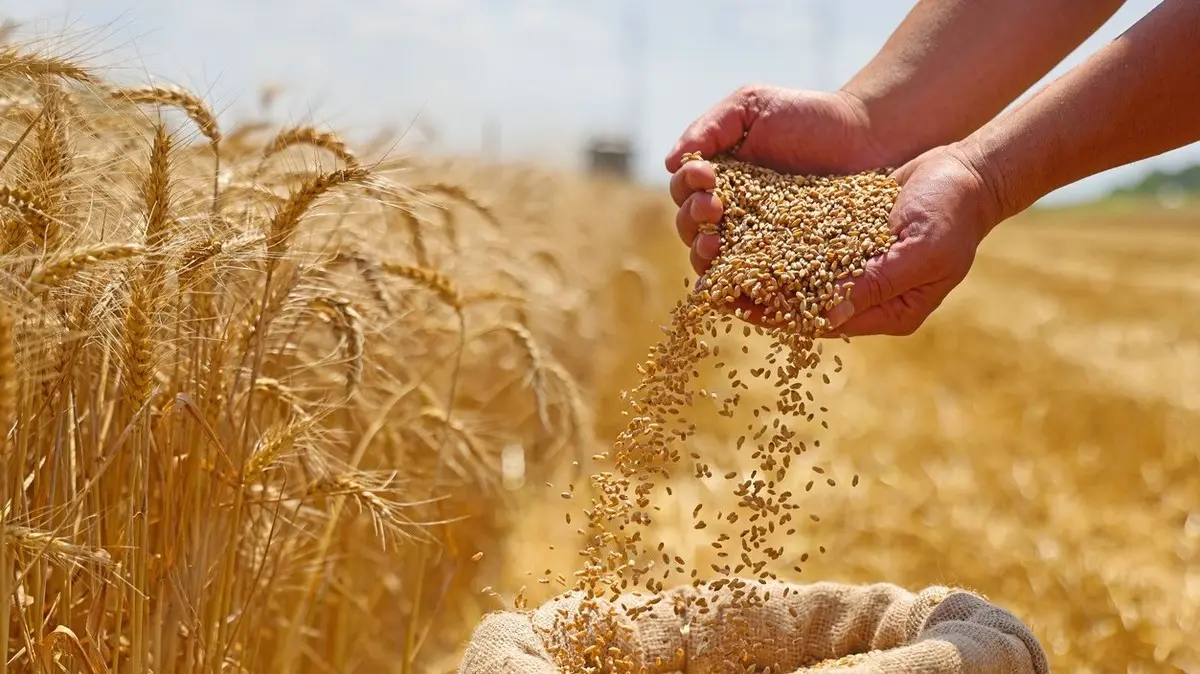
In an era defined by geopolitical uncertainties, fluctuating global supply chains, and climate-induced agricultural pressures, the Kingdom of Saudi Arabia continues to reinforce its strategic self-sufficiency frameworks. Central to this national vision is the continuous optimization of essential commodity reserves, particularly wheat, which serves as a cornerstone of the nation’s diet and food security architecture.
Recent strategic directives from the Saudi government underscore a proactive approach to managing strategic food inventories. By maintaining robust import channels and aligning with top-tier international grain suppliers, the Kingdom ensures a steady, uninterrupted flow of high-quality wheat to meet domestic demand. This comprehensive report examines the latest procurement data, the critical role of the General Food Security Authority (GFSA), the chronological rollout of tenders, and the broader economic and strategic implications for Saudi Arabia’s long-term stability.
Main Facts: 2026 Wheat Import Metrics and Scope
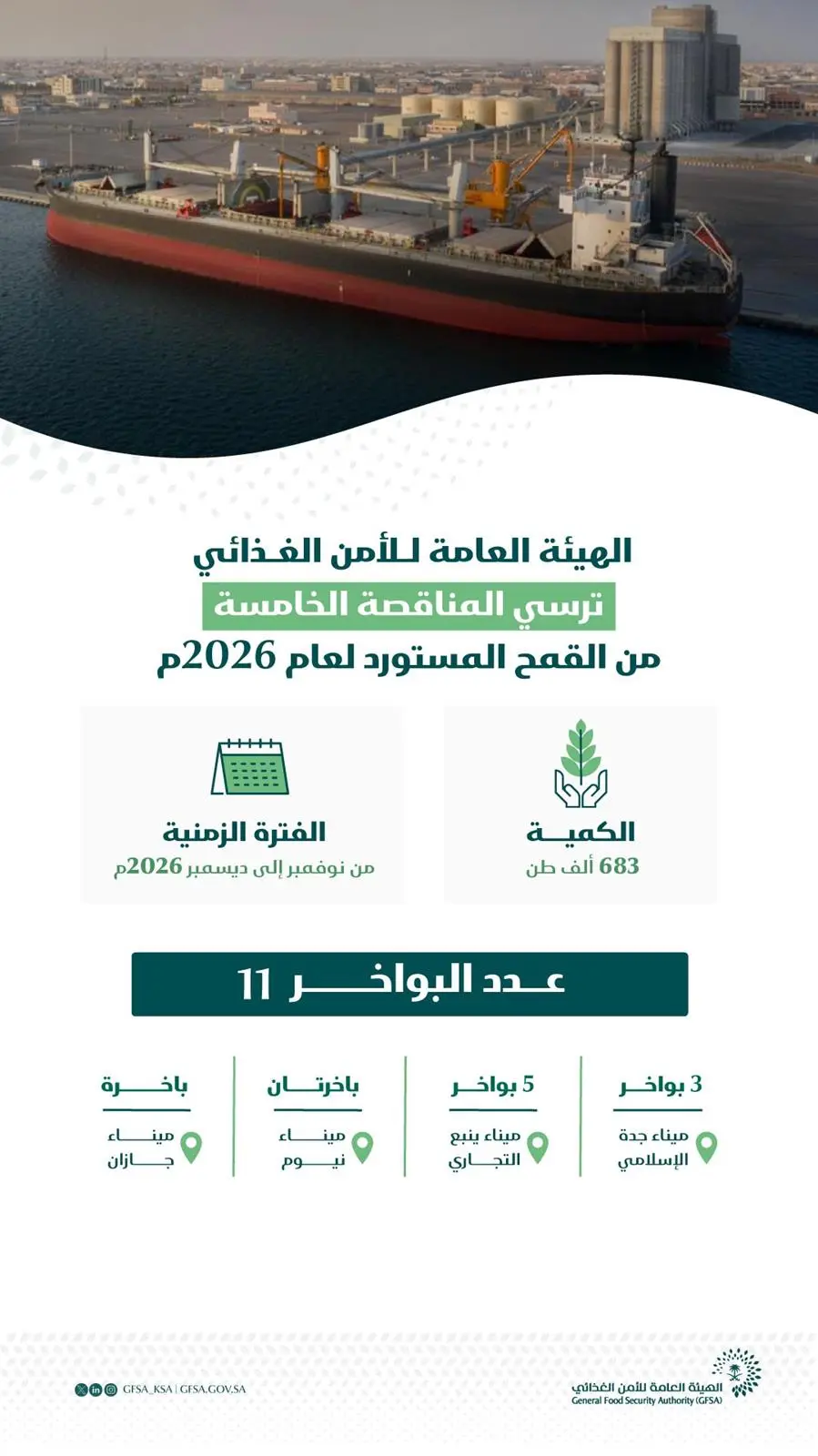
The Kingdom of Saudi Arabia, through its designated state agencies, has maintained an aggressive yet calculated trajectory for wheat procurement to support its strategic reserves. The core figures highlighting the 2026 import framework reflect a meticulously planned strategy designed to insulate the domestic market from external price shocks and supply disruptions.
Key Procurement Highlights:
- Target Volume: The overarching strategic objective for the 2026 import cycle encompasses substantial tonnage to adequately supply domestic mills and bakeries. Based on current operational directives, the target scale reaches hundreds of thousands of metric tons distributed across multiple international bidding windows.
- Origin and Quality Standards: Imported wheat adheres strictly to rigorous international and domestic quality specifications. The grain must meet high protein content, purity, and moisture standards to ensure optimal processing for bread and other staple foods consumed nationwide.
- Diversification of Supply Sources: To mitigate geographic and logistical risks, Saudi Arabia sources its wheat from a globally diversified portfolio of approved origins, including major exporting powerhouses across North America, Europe, Australia, and the Black Sea region.
- Logistical Efficiency: Shipments are strategically directed to key Saudi ports along both the Red Sea and the Arabian Gulf, optimizing the supply chain and reducing internal transportation bottlenecks to regional milling facilities.
Chronology of Tenders and Procurement Milestones
The execution of Saudi Arabia’s wheat import strategy follows a disciplined, year-round chronological schedule managed by the General Food Security Authority. Throughout the 2026 calendar year, a series of international tenders have been issued, evaluated, and awarded to ensure a continuous replenishment of silos.
Q1 and Q2 2026: Laying the Groundwork
The year began with comprehensive assessments of domestic consumption rates and existing reserve levels. By late winter and early spring, the GFSA initiated a series of international purchasing tenders aimed at securing shipments for delivery windows spanning the summer months. These early-year tenders successfully locked in competitive pricing amidst volatile global grain markets, demonstrating the Authority’s market-timing capabilities and financial prudence.
Mid-2026 Expansion and Additional Bidding Windows
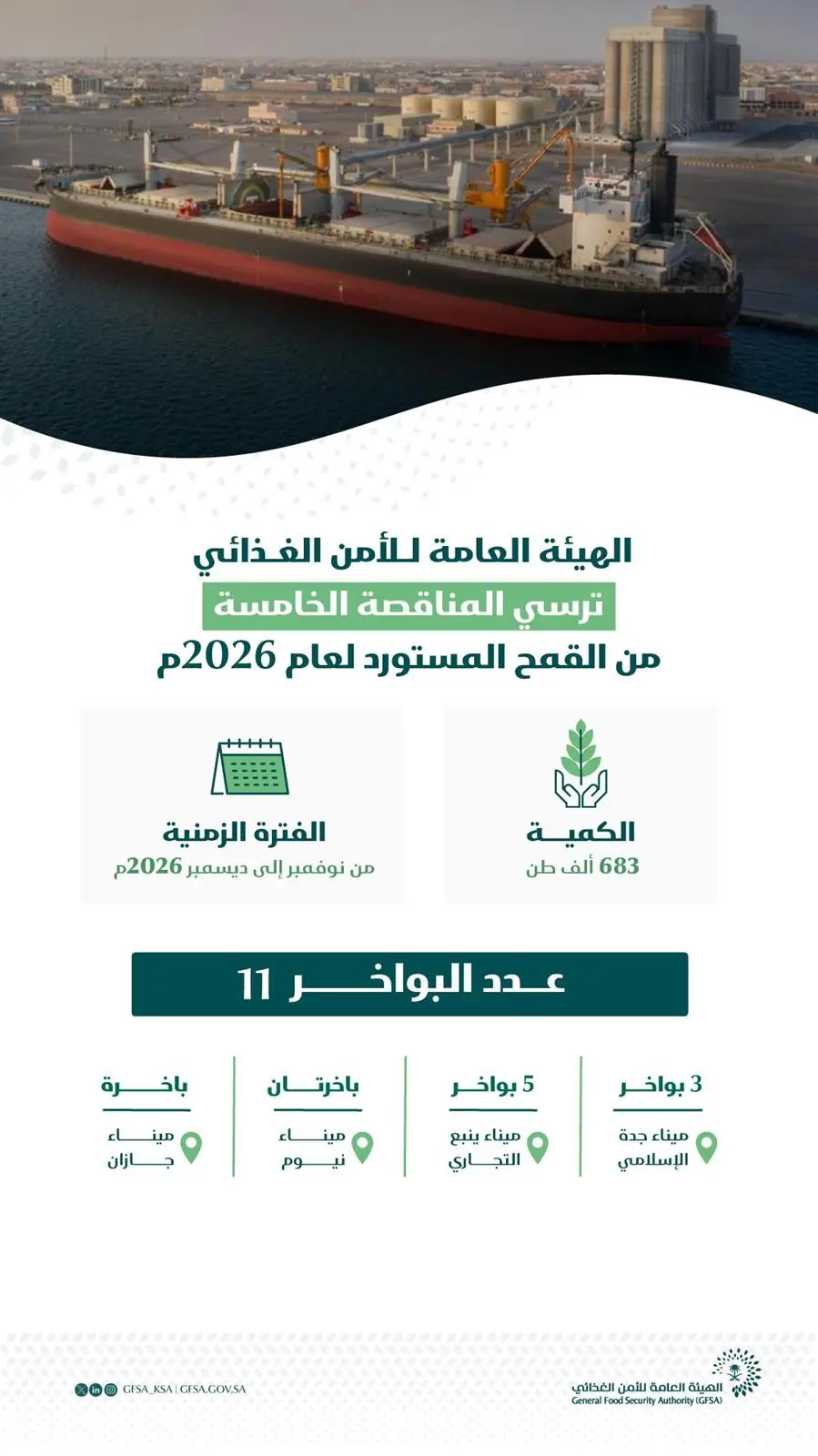
As the year progressed into the summer and early autumn months, subsequent tender announcements were made to accommodate shifting import demands. Notably, multi-cargo tenders were finalized, specifying arrival dates across various domestic ports. For instance, specific procurement cycles targeted multiple consignments scheduled for delivery between November and December 2026, ensuring that year-end inventories remain at maximum capacity.
Key Chronological Milestones:
- Initial Market Assessment (January – February 2026): Evaluation of local reserve thresholds and global market price trends.
- First Wave Tenders (March – April 2026): Issuance of major international procurement requests for spring and early summer arrivals.
- Mid-Year Adjustments (June – July 2026): Evaluation of global harvest yields in primary exporting regions and adjustment of domestic purchasing quotas.
- Fourth-Quarter Consolidation (September – October 2026): Finalization of late-year delivery schedules, securing vital tonnage for the final months of 2026 and setting the groundwork for early 2027 planning.
Supporting Data and Technical Parameters
Procuring wheat at a national scale requires adherence to strict contractual specifications, logistical planning, and transparent digital infrastructure. The GFSA utilizes specialized portals—such as its official wheat import portal (http://www.gfsa.gov.sa/wheat/import)—to streamline communications with global suppliers and maintain absolute transparency throughout the bidding process.
Technical and Contractual Specifications:
- Vessel Demographics: Tenders typically specify the requirement for panamax or handysize bulk carriers, ensuring efficient offloading capabilities at Saudi port facilities such as Jeddah Islamic Port and King Abdulaziz Port in Dammam.
- Delivery Windows: Contracts outline precise arrival windows (e.g., specific bi-weekly periods) to prevent port congestion and maintain a synchronized flow of grain directly to milling silos.
- Inspection and Compliance: Every incoming cargo undergoes rigorous phytosanitary and quality inspections upon arrival at Saudi ports. Independent international surveyors verify that the wheat matches the contracted grade before customs clearance is granted.
The Role of the General Food Security Authority (GFSA)
The General Food Security Authority stands as the institutional guardian of Saudi Arabia’s nutritional stability. Operating under the umbrella of national economic diversification and security frameworks, the GFSA has undergone structural and strategic evolutions—notably following its transition and rebranding in recent years—to enhance its operational agility.
Core Mandates of the GFSA:
- Strategic Reserve Management: Maintaining a multi-month strategic buffer of essential food commodities, primarily wheat and barley, to buffer against international supply crises.
- Procurement Excellence: Overseeing transparent, competitive international tender processes that attract top-tier global grain traders while securing favorable economic terms for the Kingdom.
- Market Regulation and Quality Control: Monitoring domestic supply chains, ensuring price stability for essential goods, and enforcing rigorous quality control standards from port entry to final milling.
- Supply Chain Resilience: Collaborating with transport, port authority, and agricultural stakeholders to build an integrated logistics network capable of withstanding global disruptions.
The Authority’s proactive stance aligns directly with Saudi Vision 2030, which emphasizes economic resilience, sustainability, and the fortification of critical infrastructure. By treating food security as an uncompromisable pillar of national security, the GFSA ensures that the nation remains insulated from external shocks.
Strategic Implications and Future Outlook
The continuous refinement of Saudi Arabia’s wheat import strategy carries profound implications for the domestic economy, regional stability, and international trade relations.
1. Economic Stability and Price Insulation
By strategically timing purchases and leveraging large-volume buying power, the Kingdom successfully shields consumers from the extreme price volatility often witnessed in global commodity markets. This fiscal buffering stabilizes the cost of basic food items, directly supporting household purchasing power and social welfare.
2. Supply Chain Fortification
The diversification of import origins ensures that Saudi Arabia is not overly reliant on any single geographic region or geopolitical bloc. In an interconnected world susceptible to climate anomalies, trade disputes, and regional conflicts, this multi-origin procurement model guarantees operational continuity.

3. Alignment with Vision 2030
Food security is inextricably linked to sustainable national development. As the Kingdom diversifies its economy away from oil dependency, maintaining a stable, well-nourished population supported by robust institutional frameworks provides a stable foundation for broader industrial and tourism growth.
Conclusion
Saudi Arabia’s 2026 wheat procurement initiatives illustrate a masterclass in strategic resource management. Through the diligent oversight of the General Food Security Authority, rigorous adherence to quality and logistical standards, and a diversified global sourcing strategy, the Kingdom continues to safeguard its nutritional future. As global trade dynamics continue to evolve, Saudi Arabia remains well-positioned to maintain absolute food security, ensuring stability and prosperity for its citizens and residents alike.