Riyadh — In a landmark strategic shift aimed at diversifying national revenue streams and reducing reliance on oil, Saudi Arabia has intensified its comprehensive asset monetization and infrastructure privatization program. This visionary initiative aligns closely with the goals of Saudi Vision 2030, marking a pivotal chapter in the Kingdom’s economic modernization by unlocking unprecedented value from state-owned enterprises, public utilities, and vital infrastructure networks.
Main Facts
The overarching objective of the Saudi asset monetization strategy is to catalyze private sector participation, optimize capital allocation, and enhance the operational efficiency of government-owned entities. Key pillars of this sweeping economic restructuring include:
- Broad Private Sector Participation: Opening up strategic sectors—including transportation, healthcare, education, municipal services, and energy—to domestic and international investors.
- Infrastructure Modernization: Upgrading physical and digital assets through public-private partnerships (PPPs) to meet international standards of quality, safety, and technological integration.
- Fiscal Sustainability: Generating alternative, non-oil revenues that insulate the national economy from commodity price volatility and support long-term macroeconomic stability.
- Enhanced Competitiveness: Streamlining regulatory frameworks to foster a business-friendly environment that attracts foreign direct investment (FDI) and encourages innovation.
Chronology of Reform: From Vision to Execution
The journey of asset monetization in Saudi Arabia did not happen overnight; it represents the culmination of years of deliberate policy formulation, structural reforms, and regulatory evolution.
Phase I: Laying the Foundations (2016–2019)
Following the launch of Vision 2030 in 2016, the Saudi government recognized that sustainable economic growth required moving away from direct state management of commercial enterprises toward a regulatory and enabling role. Initial steps involved corporatizing major state bodies, establishing specialized privatization centers, and enacting robust legal frameworks for Public-Private Partnerships (PPPs).
Phase II: Sectoral Pilot Programs and Expansion (2020–2023)
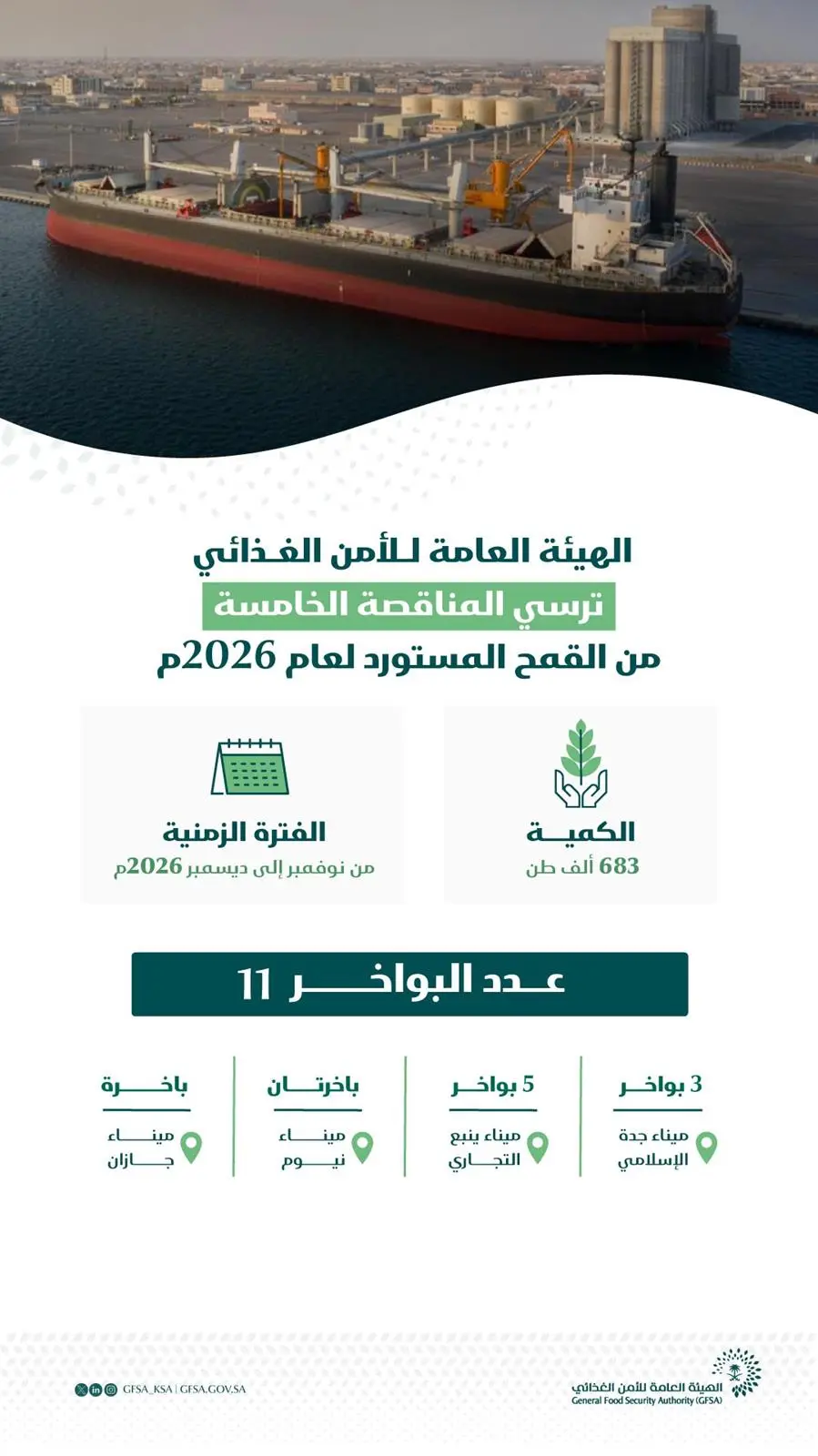
As regulatory frameworks matured, the Kingdom rolled out targeted monetization initiatives across key sectors. The privatization of ports, water desalination plants, and grain silos served as successful test cases. During this period, the National Center for Privatization & PPP (NCP) emerged as the central coordinating body, driving transparency and streamlining transaction processes for investors.
Phase III: Comprehensive Scaling and Digital Integration (2024–Present)
Today, the asset monetization program has entered its most aggressive and sophisticated phase. It now encompasses not just traditional infrastructure like roads and ports, but also advanced digital infrastructure, smart-city technologies, healthcare networks, and educational facilities. The integration of advanced digital tools has reduced bureaucratic friction, making the Saudi market one of the most attractive investment destinations globally.

Supporting Data and Financial Metrics
The success of Saudi Arabia’s asset monetization strategy is anchored by robust quantitative outcomes and forward-looking financial targets.
- Capital Inflows: Foreign direct investment (FDI) and private capital commitments into privatized infrastructure projects have seen exponential year-on-year growth.
- Asset Valuation: State-owned enterprises (SOEs) slated for privatization have undergone rigorous independent valuations, ensuring that public wealth is transferred or co-managed at fair market value.
- Sector Diversification: While energy and petrochemicals remain cornerstones of the economy, non-oil sectors—particularly logistics, digital tech, and tourism-adjacent infrastructure—now contribute a substantially larger share of national GDP growth.
Independent economic analysts note that the monetization pipeline through 2030 encompasses dozens of major transactions across municipal services, energy transmission, and social infrastructure. These projects not only relieve the state budget from capital-intensive maintenance costs but also introduce private sector management efficiencies that drastically improve service delivery for citizens and residents alike.
Official Responses and Strategic Vision
Government leaders and economic architects have repeatedly emphasized that privatization is not merely about selling state assets, but about empowering the private sector to lead sustainable economic development.
In recent policy addresses, senior officials from the National Center for Privatization & PPP highlighted the core philosophy of the initiative:
"Our goal is not simply to divest state holdings, but to optimize asset efficiency, foster market competition, and elevate the overall quality of public services. By partnering with visionary investors, we are future-proofing Saudi infrastructure and ensuring generational prosperity."
International financial institutions, including the International Monetary Fund (IMF) and the World Bank, have praised Saudi Arabia’s fiscal discipline and structural reforms. Observers point out that the Kingdom’s methodical approach to risk-sharing, regulatory transparency, and investor protection has successfully built deep confidence among global institutional investors.

Furthermore, the privatization framework incorporates stringent Key Performance Indicators (KPIs) to ensure that private operators maintain high standards of service quality, environmental sustainability, and labor compliance.
Implications for the Economy and Society
The ripple effects of Saudi Arabia’s asset monetization program extend far beyond balance sheets and macroeconomic indicators; they are fundamentally transforming the daily lives of residents and reshaping the regional business landscape.
1. Job Creation and Human Capital Development
As private enterprises take the helm of modernized assets, demand for specialized talent is surging. The shift encourages local workforce upskilling, particularly in technical fields, engineering, digital management, and corporate governance. Public-private partnerships often include mandatory training and localization quotas, ensuring that Saudi nationals are active participants in the new economy.
2. Technological Leapfrogging
Monetization contracts frequently mandate the infusion of cutting-edge technology. In sectors like healthcare and transportation, private operators are deploying artificial intelligence (AI), Internet of Things (IoT) sensors, and automated logistics systems. This technological upgrade translates to smarter cities, reduced carbon footprints, and superior user experiences.
3. Long-Term Fiscal Resilience
By creating predictable, recurring revenue streams from privatized assets, the Saudi government is successfully diversifying its income. This fiscal buffer ensures that public spending on education, healthcare, and social welfare remains robust, even during periods of global economic uncertainty or fluctuating energy markets.
Conclusion
Saudi Arabia’s aggressive pursuit of asset monetization and infrastructure privatization stands as a masterclass in economic transformation. By blending visionary state planning with private sector dynamism, the Kingdom is unlocking massive latent value within its economy. As Vision 2030 approaches its culmination, these strategic initiatives ensure that Saudi Arabia will remain a resilient, innovative, and globally competitive economic powerhouse for decades to come.