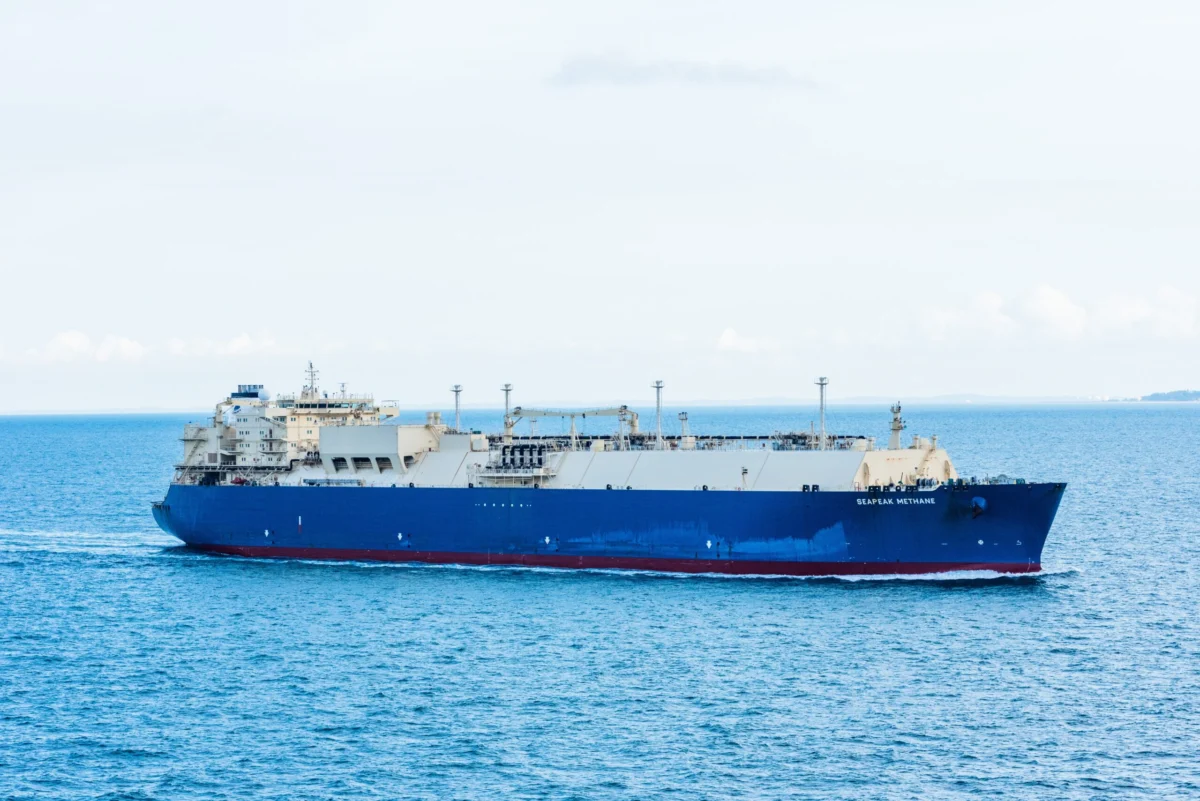
For global manufacturers and exporters, the allure of Turkey’s Free Zones (FZs) is undeniable. Often described in industry shorthand as "tax-free environments," these designated areas offer a sophisticated suite of fiscal levers designed to lower the cost of production and facilitate international trade. However, as recent legislative adjustments have demonstrated, these zones are not monolithic tax havens. They are highly conditional export-facilitation tools. For the modern enterprise, the difference between a successful strategic move and an expensive regulatory headache lies in understanding that in Turkey, tax exemptions follow the destination of the product, not the location of the factory.
As of 2026, the regulatory environment governing these zones has undergone significant shifts. For foreign investors eyeing Turkey as a production hub or existing local firms weighing the merits of relocation, navigating this landscape requires a granular approach to corporate structure, sales strategy, and payroll management.
Main Facts: The Triple Pillar of Free Zone Incentives
At its core, a Turkish Free Zone is a demarcated economic space where goods can be manufactured, stored, or processed without being subject to the standard customs duties, VAT, or corporate taxes that apply to the rest of the country. The incentive structure is built upon three primary pillars:
1. The Corporate Tax Exemption
Earnings derived from manufacturing activities within a free zone are generally exempt from corporate income tax. However, the scope of this exemption is strictly tethered to the "export" status of the final sale. Income generated from goods shipped to foreign markets, or transactions between companies within the same or different free zones, remains exempt. Crucially, income generated from sales into the Turkish domestic market is fully taxable. This creates a binary tax reality: the exact same product manufactured on the same assembly line can be tax-exempt when exported but subject to standard corporate tax rates the moment it is sold to a customer in Ankara or Istanbul.
2. Payroll and Income Tax Relief
For manufacturers, the most potent incentive is the exemption on income tax for production personnel. If a company exports at least 85% of the Free On Board (FOB) value of its annual production, the income tax on the wages of its production staff is effectively cancelled. This is a binary threshold; it is not a sliding scale. Falling short by even a few percentage points results in the total loss of the incentive for that fiscal year, making it a high-stakes metric for HR and operations teams.
3. Customs, VAT, and Stamp Duty
The logistical advantages are equally significant. Goods entering a free zone from abroad are not considered to have entered "free circulation" within Turkey. Consequently, they are exempt from customs duties and VAT. Furthermore, transactions and documentation related to activities within the zone are generally exempt from stamp duty and various administrative fees, which can accumulate into substantial savings for high-volume, document-heavy enterprises.
Chronology: Two Years of Regulatory Flux
The legal framework surrounding Turkish Free Zones has been highly dynamic, reflecting the government’s efforts to balance investment incentives with domestic revenue requirements.
- Pre-2025: The Simpler Era: Until the end of 2024, the corporate tax exemption was broad, covering virtually all manufacturing output produced within a zone, regardless of the ultimate destination of the goods.
- January 1, 2025 (Law No. 7524): The landscape shifted dramatically when the government narrowed the scope of the exemption. Under this legislation, the tax break was tied explicitly to foreign exports, effectively pushing domestic sales out of the exempt category.
- January 1, 2026 (Law No. 7577): Recognizing the potential for over-correction, the government partially restored the exemption scope. Sales made within the same zone or between different Turkish free zones were brought back under the umbrella of the tax exemption. However, sales into the Turkish domestic market remained taxable, reinforcing the government’s mandate to prioritize export-led growth.
These shifts serve as a reminder that investors must view Free Zone benefits not as permanent fixtures, but as policy tools subject to the evolving economic priorities of the Turkish state.
Supporting Data: The 85% Threshold and Economic Modeling
For any business, the decision to enter a Free Zone is fundamentally a financial model based on three critical inputs: the export ratio, the domestic revenue mix, and the operational overhead.
The Export Ratio
The 85% export requirement for payroll relief is the most unforgiving variable. A company that typically exports 90% of its goods might feel safe, but a sudden shift in global demand or a supply chain disruption that forces the company to pivot to the domestic market could cause them to dip below the 85% mark. The resulting loss of the payroll tax incentive can instantly erode the company’s profit margins, turning a profitable year into a budgetary crisis.
Domestic Revenue Analysis
Companies must perform a "destination audit" of their sales. If a business intends to sell more than 10-15% of its output domestically, the Free Zone model may actually be counterproductive. Every time a product crosses the threshold from the zone into the Turkish domestic market, it is treated as an import, triggering customs procedures and tax liabilities. For companies with a high domestic sales component, the administrative cost of operating within a zone—licensing, rent, and specialized reporting—may exceed the tax savings, making a standard corporate entity in Turkey more cost-effective.
The Minimum Tax Factor
Investors must also account for two layers of minimum tax. The Turkish domestic 10% minimum corporate tax allows for the deduction of exempt Free Zone earnings, keeping the incentive intact. However, for multinational enterprises with consolidated global revenues exceeding €750 million, the Global Minimum Tax (OECD Pillar Two) looms. If the Turkish Free Zone incentives pull the effective tax rate below 15%, the company may be subject to a "top-up tax" in its home jurisdiction. This requires complex cross-border tax modeling before the true value of the Turkish incentive can be confirmed.
Official Responses and Strategic Implications
The Turkish government has consistently maintained that these zones are intended for "value-added exports." During recent parliamentary discussions regarding the transition from Law No. 7524 to 7577, officials emphasized that the goal is to incentivize the integration of Turkish manufacturing into global value chains rather than creating tax shelters for domestic distribution.
The "License Date" Divide
A critical, often overlooked detail is the license date of the Free Zone operator. Companies licensed before February 6, 2004, operate under a different set of legacy rules compared to those licensed after. Before drafting any relocation or expansion plans, firms must conduct a legal audit of their license status, as this dictates the longevity and scope of the benefits they are eligible to claim.
The Triple-Regime Choice
Investors often mistakenly believe the Free Zone is the only path for exporters. However, Turkey offers three distinct regimes:
- Free Zones: Best for physical goods-heavy manufacturing aimed almost entirely at foreign markets.
- Technoparks (Technology Development Zones): These are superior for R&D and software companies, as the tax exemption is based on the nature of the activity rather than the destination of the sale. This allows for tax-exempt domestic sales, provided the activity is qualified R&D.
- Standard Structure (Service Export Deduction): For service-based companies, remaining outside a special zone and utilizing the standard service export deduction can be the lightest, most operationally efficient route.
Conclusion: Follow the Goods
The Turkish Free Zone is not a panacea for tax reduction; it is an export-driven operational strategy. The most common mistake investors make is focusing on where the company is established rather than where the goods are going.
As the regulatory environment continues to evolve, companies must remain agile. A strategy that was perfectly optimized for 2024 may be inefficient or even detrimental in 2026. The key to success is a rigorous, data-driven analysis: calculate the export ratio with a margin of safety, model the impact of domestic sales, and carefully evaluate whether the specific business activity fits the "export-first" mandate of the zone.
Ultimately, if your containers are headed for international ports, the Free Zone model serves as a powerful engine for competitiveness. If your trucks are headed for local warehouses, it is time to rethink the strategy. In the complex landscape of Turkish trade, the destination of your goods is the most important decision your business will ever make.
Author Bio: Şahin Tuhan is an Istanbul-based Certified Public Accountant (SMMM) who leads the accounting and tax practice at Sistem Global Danışmanlık. With over two decades of experience, he specializes in advising international entrepreneurs and technology companies on cross-border structuring and Turkish incentive regimes. For further insights, visit sahintuhan.co.