Introduction
As the global community continues to grapple with the multifaceted challenges of the COVID-19 pandemic, the spotlight has shifted decisively toward indoor environmental quality. Long viewed primarily as mechanisms for thermal comfort and energy efficiency, Heating, Ventilation, and Air Conditioning (HVAC) systems have emerged as frontline defenders in public health and safety. With mounting scientific consensus confirming the airborne transmission of SARS-CoV-2, building owners, facility managers, and engineering professionals face unprecedented pressure to adapt.
The integration of advanced building automation systems (BAS) and targeted HVAC interventions is no longer just a matter of operational optimization; it is a vital public health imperative. This comprehensive report examines how the HVAC industry has mobilized in response to the pandemic, exploring the main facts of airborne transmission, the chronology of regulatory guidance, supporting data on engineering controls, official responses from leading health and technical bodies, and the long-term implications for the built environment.
Main Facts: The Intersection of HVAC and Airborne Pathogens
To understand the urgent need for HVAC modifications, one must first examine the fundamental mechanics of how respiratory viruses spread within enclosed spaces.
The Shift Toward Airborne Transmission Realities
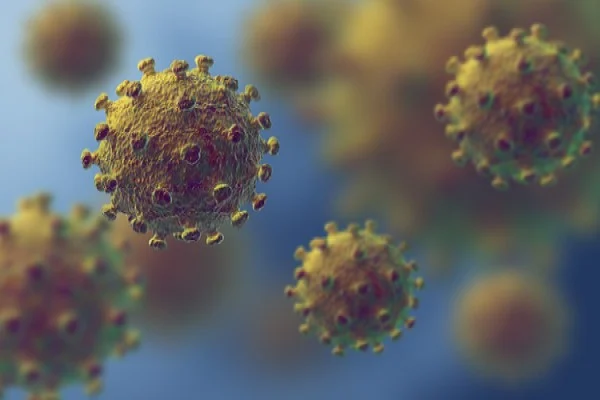
In the early days of the pandemic, public health messaging heavily emphasized surface transmission (fomites), leading to rigorous cleaning and sanitization protocols. However, extensive epidemiological studies and aerosol physics research confirmed that SARS-CoV-2 is primarily transmitted through the air. When an infected individual breathes, talks, sings, exercises, or coughs, they expel respiratory droplets and microscopic aerosols. While larger droplets rapidly fall to the ground, smaller aerosols can remain suspended in the air for hours, traveling across rooms and even throughout entire ventilation zones.
This reality places commercial and residential buildings squarely in the crosshairs of epidemic containment. Enclosed spaces with stagnant air or inadequate ventilation act as accumulation chambers for viral loads, drastically increasing the risk of infection for occupants. Consequently, HVAC professionals have become pivotal players in public health mitigation strategies.
The Core Objectives of Building Automation and HVAC Intervention
Building automation systems and mechanical engineers focus on four primary pillars to make indoor environments incrementally safer:
- Dilution: Increasing the supply of outside air to flush out indoor contaminants.
- Filtration: Upgrading air filters to capture microscopic viral particles effectively.
- Purification: Integrating supplemental air-cleaning technologies, such as ultraviolet germicidal irradiation (UVGI) and bipolar ionization.
- Flow Management: Directing airflow patterns to prevent the recirculation of contaminated air between zones.
Chronology of Guidance and Adaptation
The response of the HVAC sector to COVID-19 evolved rapidly as researchers unraveled the behavior of the novel coronavirus.
Early 2020: The Initial Uncertainty
In the opening months of the pandemic, building operators faced a vacuum of specific operational data. Standard procedures prioritized energy conservation—often achieved by minimizing outside air intake and maximizing the recirculation of indoor air to reduce heating and cooling loads. As initial reports of superspreading events in poorly ventilated spaces emerged, it became immediately clear that standard energy-saving protocols were actively counterproductive to infection control.
Spring and Summer 2020: The Emergence of Standards
By the spring of 2020, organizations such as the American Society of Heating, Refrigerating and Air-Conditioning Engineers (ASHRAE) and the Centers for Disease Control and Prevention (CDC) stepped into the leadership vacuum.
- ASHRAE Epidemic Task Force: Established in March 2020, the task force began issuing proactive guidance, debunking energy-first strategies, and advocating for maximum outdoor air supply.
- Initial Recommendations: Building operators were urged to disable demand-controlled ventilation (DCV) systems that reduced outside air based on low occupancy, operate systems for longer hours before and after occupancy, and upgrade filtration ratings where equipment could handle the pressure drop.
Late 2020 to 2021: Technological Integration and BAS Upgrades
As the pandemic persisted through successive waves, the focus shifted from temporary operational tweaks to permanent technological integration. Building Automation Systems (BAS) were reprogrammed to automate safety protocols, such as automated flush cycles. Property managers invested heavily in MERV-13 (Minimum Efficiency Reporting Value) or higher filters, and heightened interest surrounded active air treatment systems.
2022 and Beyond: The Institutionalization of IAQ
Indoor Air Quality (IAQ) transitioned from a temporary pandemic response to a permanent pillar of property management. Building codes began reflecting these lessons, and tenants increasingly demanded transparent metrics regarding the air quality of their workspaces.
Supporting Data and Technical Solutions
Implementing safer building environments requires a rigorous, data-driven approach. Engineers rely on specific metrics and technological upgrades to validate their interventions.
Ventilation Rates and Air Changes per Hour (ACH)
One of the most critical metrics in infection control is Air Changes per Hour (ACH), which measures how many times the total volume of air in a room is completely replaced or filtered within one hour.

- Standard office environments traditionally targeted 2 to 4 ACH.
- Pandemic-era guidelines recommended significantly higher rates—often 6 ACH or more for high-occupancy or high-risk zones (such as healthcare facilities, classrooms, and retail spaces).
- Achieving higher ACH requires balancing outdoor air intake with mechanical heating and cooling capacities to avoid compromising thermal comfort.
Filtration Efficiency: MERV Ratings Explained
Air filters are categorized by their MERV rating, which ranges from 1 to 16 (with HEPA filters exceeding MERV 16).
- MERV 1 to 4: Capture large particles like dust and pollen.
- MERV 5 to 8: Capture mold spores and pet dander.
- MERV 11 to 13: Capable of capturing smaller particles, including droplets that carry viruses. ASHRAE specifically recommended upgrading to MERV-13 filters—or the highest possible rating that the existing HVAC air handler can accommodate without restricting airflow.
Supplemental Technologies
Where increased ventilation and higher-rated filtration are insufficient or structurally impossible, supplemental technologies play an essential role:
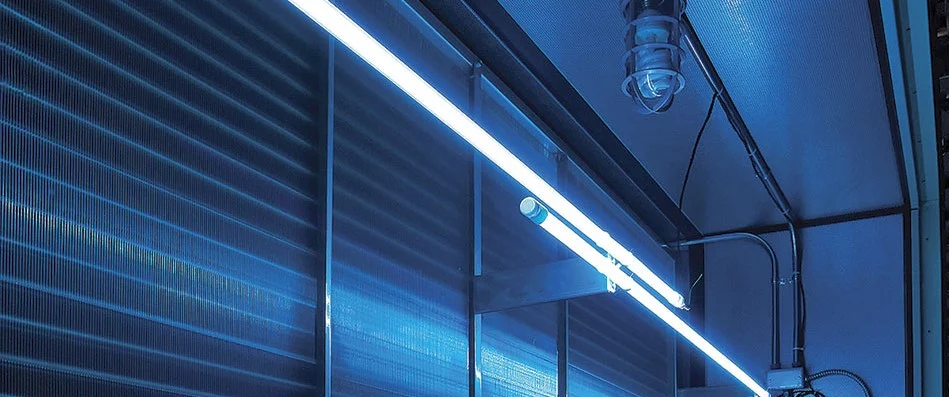
- Ultraviolet Germicidal Irradiation (UVGI): In-duct or upper-room UV-C fixtures neutralize pathogens by disrupting their DNA/RNA structures, providing an effective layer of biological disinfection without increasing chemical loads.
- Bipolar Ionization: Releases positive and negative ions into the airstream, causing microscopic particles to cluster together so they can be more easily trapped by filters.
Official Responses and Regulatory Frameworks
Governments and technical authorities worldwide have aligned their frameworks to support HVAC-based risk mitigation.
The Centers for Disease Control and Prevention (CDC)
Throughout the pandemic, the CDC consistently updated its guidance for non-healthcare settings, emphasizing that ventilation is a key component of a layered mitigation strategy. The CDC framework highlights:
- Increasing outdoor air ventilation by opening dampers fully where feasible.
- Maintaining system operation for 2 hours before and after building occupancy.
- Ensuring exhaust fans in high-risk areas (such as restrooms) are fully operational and running continuously.
ASHRAE’s Leadership and Core Recommendations
ASHRAE’s Epidemic Task Force became the gold standard for mechanical guidance. Their actionable recommendations for building systems included:
- Evaluating HVAC Systems: Conducting comprehensive assessments of existing infrastructure to determine capabilities for filtration upgrades and increased outdoor air intake.
- Flush-to-Clean Cycles: Operating systems at maximum outside air capacity for specified durations before occupants arrive and after they depart.
- Maintaining Relative Humidity: Keeping indoor relative humidity between 40% and 60%, a range associated with reduced survival rates of many airborne viruses and enhanced human respiratory immune defenses.
- Continuous Monitoring: Utilizing BAS to monitor carbon dioxide ($CO_2$) levels as a proxy for indoor air stagnation and ventilation adequacy.
Implications for the Future of Building Automation and Real Estate
The unprecedented focus on airborne transmission and HVAC performance carries profound, long-term implications for the real estate, engineering, and facility management sectors.
A Paradigm Shift in Real Estate Value
Historically, building valuations were driven by location, square footage, aesthetic appeal, and energy efficiency. Today, Indoor Air Quality (IAQ) has emerged as a major competitive differentiator. Prospective tenants, corporate occupiers, and employees are increasingly scrutinizing building health credentials. Properties equipped with advanced Building Automation Systems (BAS) capable of real-time air quality monitoring, automated filtration tracking, and optimized ventilation control command higher rental rates and enjoy lower vacancy levels.
The Energy vs. Safety Balance
One of the most significant engineering challenges moving forward is reconciling enhanced public health safety with aggressive carbon reduction goals. Bringing in large volumes of outdoor air requires substantial energy to condition (heat or cool) that air, potentially increasing a building’s carbon footprint.
To resolve this tension, the industry is turning toward smart BAS integrations:
- Demand-Controlled Ventilation (DCV) with $CO_2$ Sensors: Rather than indiscriminately pumping in outdoor air, smart systems use real-time occupancy data to adjust ventilation dynamically, ensuring safety while minimizing energy waste.
- Energy Recovery Ventilators (ERVs): These systems transfer heat and moisture between incoming and outgoing air streams, significantly reducing the energy penalty associated with high outdoor air exchange rates.
The Evolving Role of Facility Professionals
The pandemic transformed facility managers and HVAC technicians from behind-the-scenes operational staff into vital healthcare stakeholders. Ongoing training, certification, and reliance on automated data analytics are now mandatory for managing modern facilities effectively. Building automation platforms that offer remote diagnostics, predictive maintenance, and instant reporting capabilities have become indispensable tools.
Conclusion
The airborne nature of COVID-19 permanently altered our understanding of the built environment. As the epidemic demonstrated, buildings can either act as vectors for disease transmission or serve as robust shields protecting occupants. Through the strategic application of advanced HVAC interventions, upgraded filtration, optimized ventilation, and sophisticated Building Automation Systems (BAS), facility professionals have powerful tools at their disposal to create incrementally safer indoor environments.
As building systems continue to evolve in response to these public health lessons, collaboration between facility operators, engineering experts, and automation specialists remains paramount. Ensuring that building environments are healthy, safe, and resilient is no longer a temporary reaction—it is the new baseline for the modern built environment.