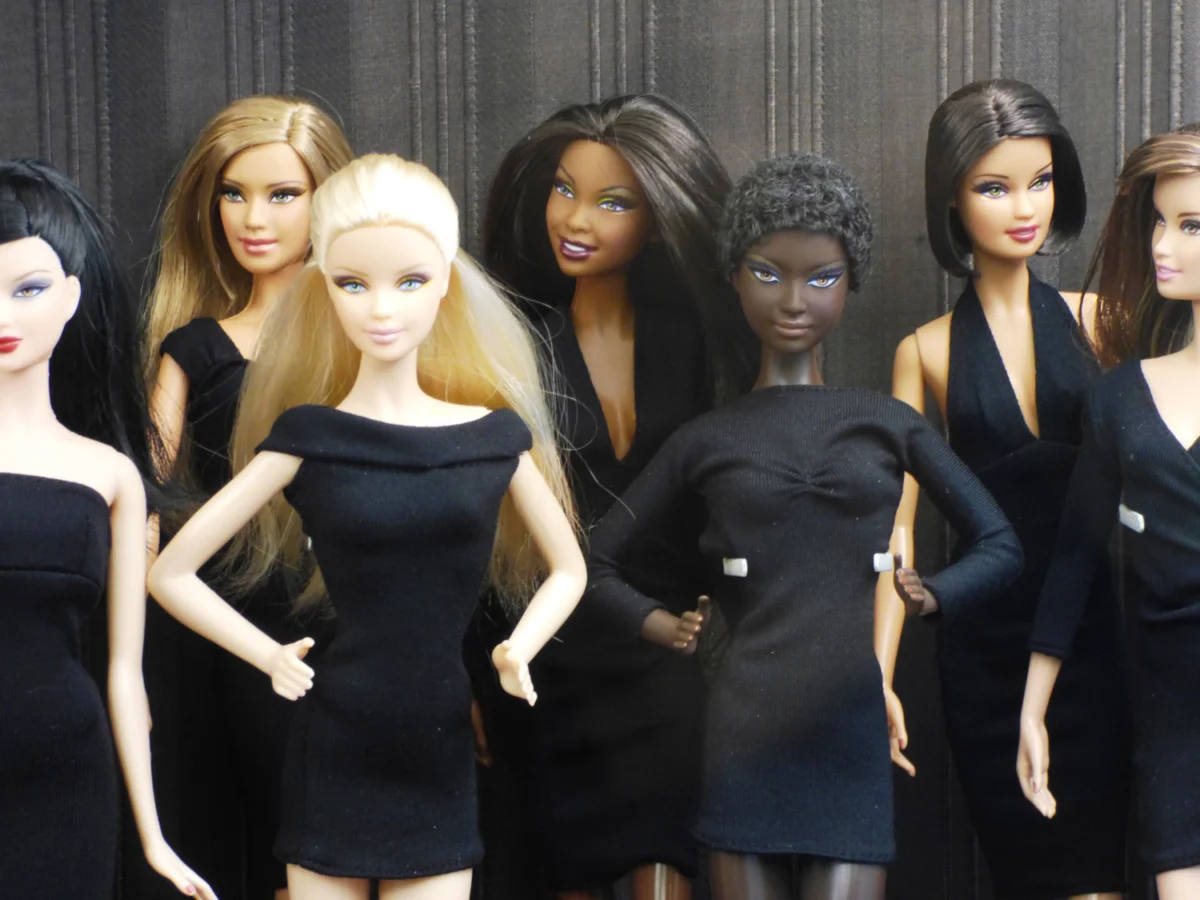
When Ruth Handler observed her daughter playing with paper dolls in the 1950s, she noticed a curious gap in the toy market. While baby dolls encouraged young girls to practice caretaking and domestic roles, there was no vehicle for the "aspirational" play that allowed children to project themselves into the future—to be career women, fashionistas, or explorers. The result of this observation was Barbie, a revolutionary figure who debuted at the 1959 American International Toy Fair.
Today, as the Barbie brand experiences a global renaissance through film and pop culture, it serves as more than just a nostalgic touchstone. For the engineering and industrial design community, Barbie represents a masterclass in product lifecycle management, material science, and the necessity of pivoting in response to a rapidly changing global landscape.
The Chronology of an Icon
The 1950s: A Departure from Tradition
Barbie’s arrival in 1959 was a seismic shift in the toy industry. By introducing a teenage fashion model with a "semi-adult" figure, Mattel moved away from the prevalent "baby doll" archetype. This was a radical design choice that fundamentally changed the trajectory of toy ideation. She wasn’t meant to be mothered; she was meant to be the person the child wanted to become.
The 1980s: The Environmental Pivot
As global awareness regarding industrial chemical impact rose, so did the legislative scrutiny of toy manufacturing. During the 1980s, strict environmental regulations in Europe forced a re-evaluation of the materials used in toy production. Because the PVC (Polyvinyl Chloride) used in the early dolls could release harmful hydrochloric acid when incinerated, Mattel was compelled to invest in research and development to find safer, more sustainable alternatives. This marked the beginning of a long-term commitment to material safety that continues to influence the brand’s manufacturing protocols today.
The 21st Century: The Era of Inclusivity
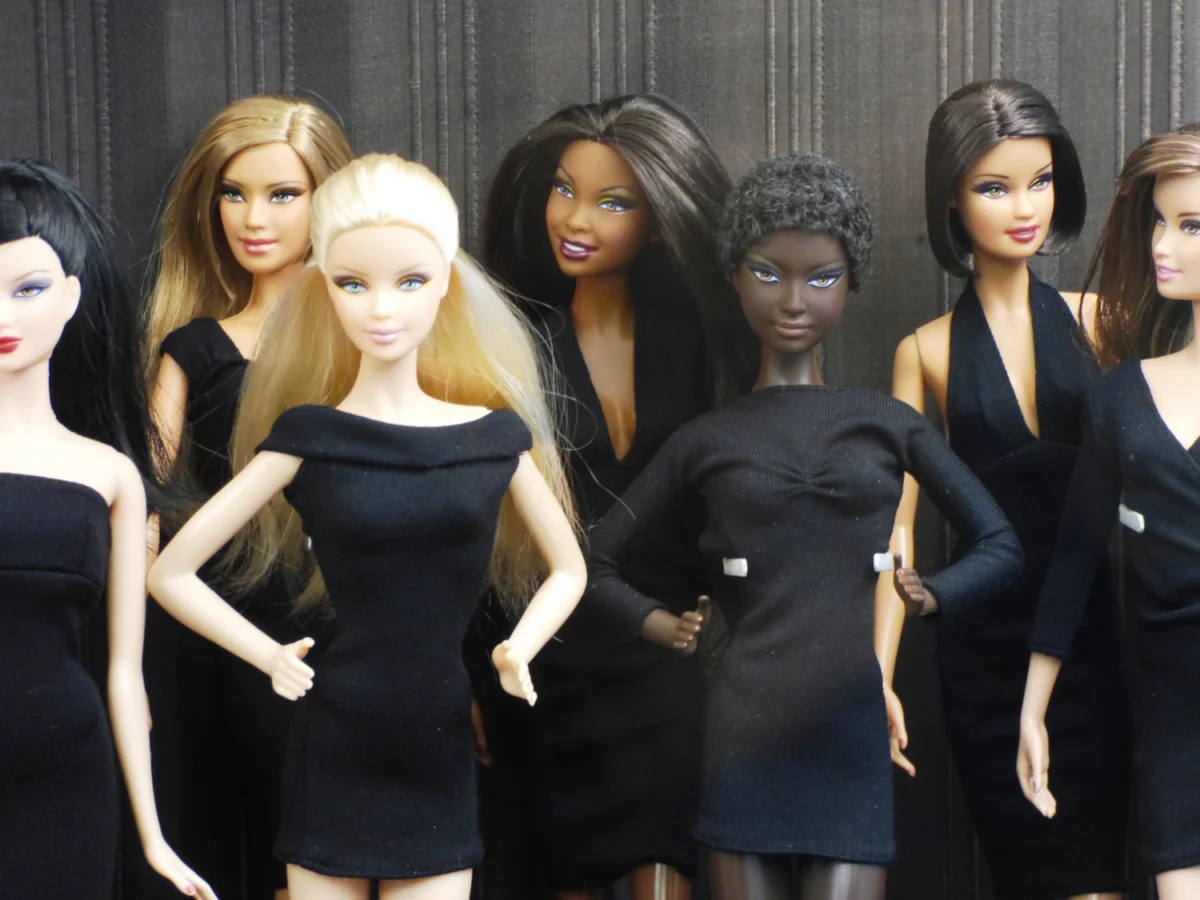
The modern Barbie is a far cry from her 1959 predecessor. In recent years, Mattel has undergone a significant brand overhaul, prioritizing inclusivity as a core design principle. By introducing a diverse spectrum of body types, skin tones, and physical abilities, the company demonstrated that they were no longer designing for a single aesthetic, but for a global, diverse customer base. This shift proved that inclusive design is not just a moral imperative—it is an essential business strategy for longevity.
Material Science: The Engineering Behind the Doll
The transformation of Barbie from a simple plastic figure to a complex, multi-material product is a case study in sophisticated manufacturing. To achieve the aesthetic detail and durability required for a toy handled daily by children, modern designers utilize a complex assembly of polymers.
The current construction of a Barbie doll involves a strategic distribution of materials:
- The Head: Formulated from a hard vinyl compound, allowing for the precise molding of facial features and hair anchoring.
- The Arms: Often crafted from EVA (ethylene-vinyl acetate), which provides the flexibility required for posing and movement.
- The Torso: Typically constructed from rigid acetal, providing the structural integrity needed to withstand play, often covered by an elastomer for a more lifelike tactile experience.
- The Legs: Primarily made of PVC, chosen for its cost-effectiveness, durability, and ability to hold vibrant colors.
This composite approach ensures that each part of the doll performs its function effectively, balancing rigid stability with the flexibility required for the consumer experience.
The Digital Revolution: 3D Software in Toy Design
The leap from the manual mold-making of the mid-20th century to the digital precision of today is perhaps the most significant change in the industry. The integration of high-end 3D design software, specifically platforms like SolidWorks and PTC Creo, has redefined how toys are brought from concept to shelf.
Visualization and Iteration
In the past, physical prototypes were time-consuming and expensive to create. Today, designers can visualize the doll in a 3D environment, allowing for rapid iteration of concepts. If a joint mechanism is not moving correctly or a fashion accessory does not fit the doll’s geometry, these issues can be resolved in the digital realm before a single mold is ever cut.
Simulation and Real-World Performance
Advanced CAD software allows engineers to simulate how materials will behave under stress. By running Finite Element Analysis (FEA) on components, designers can predict how a doll’s limb might react to bending or dropping. This ensures that the product meets stringent international safety regulations while maintaining the high quality consumers expect.
Competitive Advantages
For companies like Mattel, the ability to iterate at speed is critical. As market trends move faster than ever—driven by digital media and social influencers—the use of parametric modeling ensures that designers can quickly adjust a model’s proportions or features to meet new demand, maintaining a competitive edge in a saturated market.
Implications for Future Designers
The story of Barbie offers a profound lesson for aspiring product designers and mechanical engineers: Great design is never static.
The Evolution of the Professional Designer
For those looking to enter the toy industry, the technical skills required go far beyond artistic vision. Proficiency in modern CAD tools like SolidWorks is no longer optional; it is the industry standard. These tools act as the bridge between raw creativity and mass-market reality. Training in these systems provides the foundational knowledge necessary to adapt to new market trends, optimize manufacturing workflows, and troubleshoot complex assembly issues.
The Anticipatory Design Mindset
The most successful products do not just satisfy current needs; they anticipate the shifts of the future. The evolution of Barbie teaches us that:
- Flexibility is Key: The ability to pivot material compositions or design philosophies based on environmental laws or social shifts is what keeps a brand alive for over 60 years.
- Inclusivity is Innovation: Understanding the diverse reality of the consumer base is the ultimate design challenge. When a product reflects the user, the emotional connection strengthens.
- Tool Mastery Drives Quality: Whether it is mastering the nuances of surface modeling in SolidWorks or understanding the limitations of injection molding, the technical proficiency of the designer directly dictates the success of the product.
The Path Forward
For designers looking to build a career in this sector, the message is clear: the future belongs to those who can leverage technology to solve human problems. Whether it is reducing the carbon footprint of manufacturing or creating a more diverse range of play experiences, the skills gained through structured engineering training are the keys to unlocking innovation.
Design Engine and similar institutions provide the training necessary to master these tools, offering a pathway for designers to transition from simple ideation to complex, world-class product development. By combining the artistic spirit of the toy designer with the rigorous discipline of the engineer, professionals can ensure they are not just creating products, but defining the culture of the next generation.
In conclusion, Barbie’s journey from a 1959 fashion model to a modern icon of diversity is a testament to the power of design. It serves as a reminder that every product we touch has a story of engineering, material science, and iterative problem-solving behind it. For the designer, the challenge—and the opportunity—is to continue that evolution, using the latest tools to create the icons of tomorrow.