When Ruth Handler observed her daughter playing with paper dolls, she noticed a distinct gap in the toy market: children lacked a three-dimensional figure that allowed them to project themselves into adult roles. In 1959, that observation manifested as Barbie—a doll that would eventually become a global cultural touchstone. Today, amidst a cinematic renaissance and a renewed global fascination with the brand, it is worth looking past the iconic pink veneer to examine the sophisticated engineering, material science, and industrial design principles that have sustained Barbie for over six decades.
The Genesis: A Paradigm Shift in Toy Ideation
Before the debut of Barbie at the 1959 American International Toy Fair in New York, the toy landscape was dominated by baby dolls. These toys encouraged children to rehearse caretaking and nurturing roles. The introduction of Barbie marked a radical departure in toy design philosophy.
By designing a doll with a "semi-adult" physique and a wardrobe reflective of current fashion trends, Mattel shifted the narrative of play from "nurturing" to "aspirational." Barbie was not designed to be a child to be cared for; she was designed to be a protagonist. This transition necessitated a sophisticated approach to manufacturing, moving away from the soft, simple forms of rag dolls toward the precision molding required to create a fashion-forward, poseable, and durable plastic figure.
Chronology of a Design Icon
The trajectory of the Barbie brand is a masterclass in adapting to both technological advancement and evolving societal values:
- 1959: The debut of the original Barbie. Constructed primarily of PVC, the doll featured side-glancing eyes and a signature ponytail.
- 1960s-1970s: The era of mechanical innovation. Mattel introduced "Twist ‘N Turn" waists and bendable legs, requiring complex internal armatures that pushed the boundaries of plastic injection molding at the time.
- 1980s: A decade of environmental accountability. Facing strict new regulations regarding PVC and chemical safety in Europe, Mattel underwent a massive overhaul of its material science processes, moving toward more sustainable and stable polymer formulations.
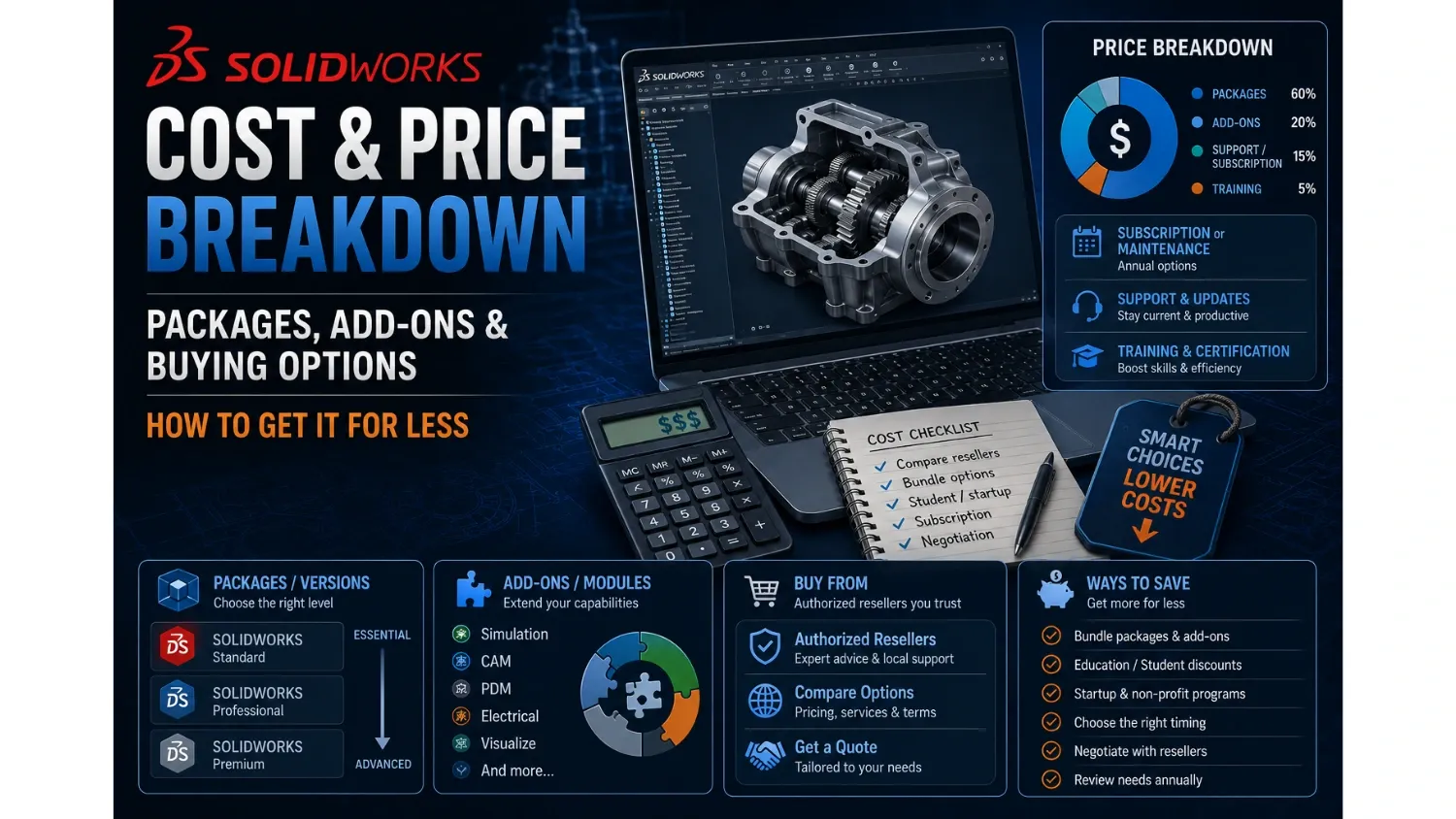
- 2000s-Present: The digital transformation. The integration of CAD (Computer-Aided Design) software, such as SolidWorks and PTC Creo, allowed designers to move from manual clay sculpting to digital prototyping, enabling rapid iteration and hyper-realistic detail.
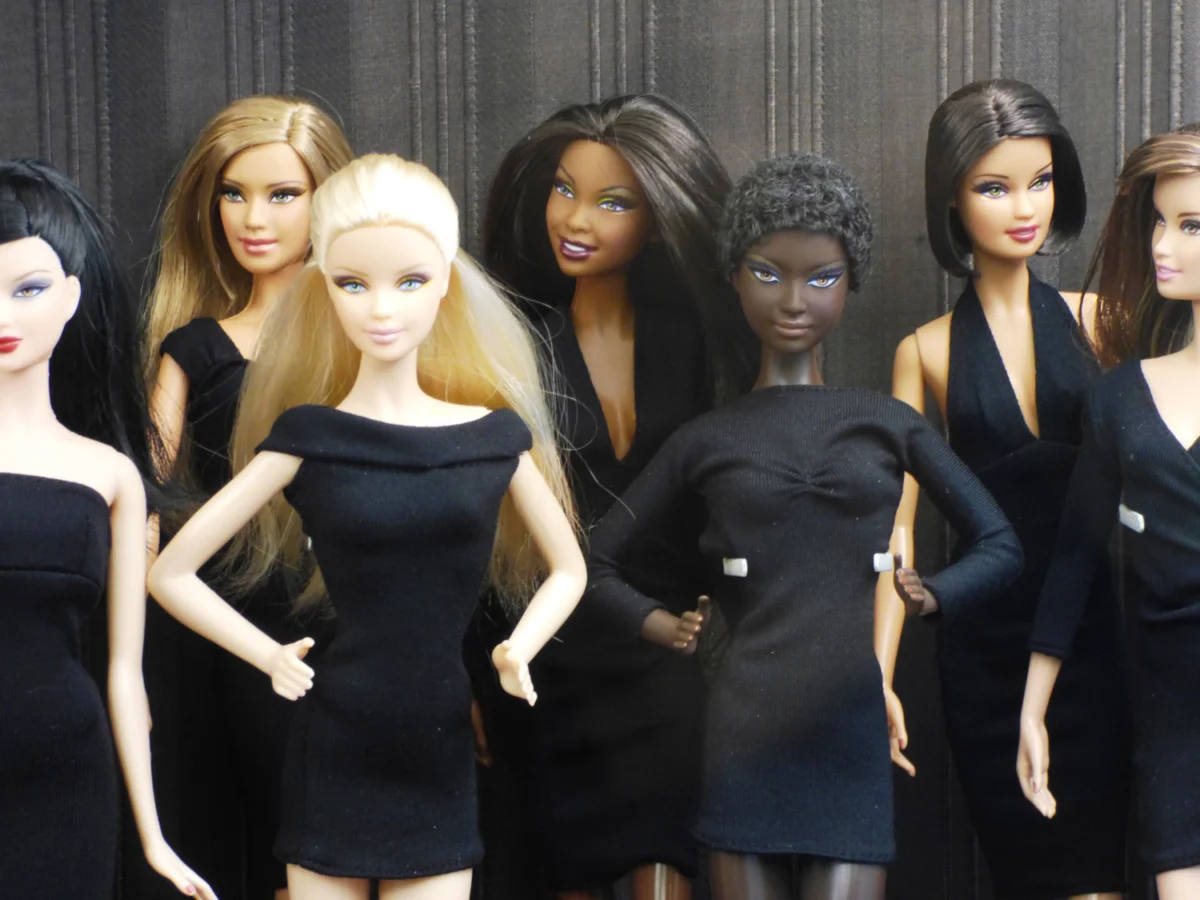
- 2016-Present: The era of inclusivity. The "Fashionistas" line introduced a vast array of body types, skin tones, and physical abilities, requiring modular design systems that maintain structural integrity across diverse forms.
Material Science: The Anatomy of a Modern Doll
To the casual observer, Barbie is simply plastic. To an engineer, she is a complex assembly of specialized polymers. Modern manufacturing requires a multi-material approach to ensure the doll is durable, tactile, and safe for children.
The modern Barbie construction is a sophisticated blend:
- Head: A soft vinyl compound is used to allow for the insertion of hair and the painting of intricate facial features.
- Arms: Ethylene-vinyl acetate (EVA) provides the necessary flexibility for poseability without fatigue or breakage.
- Torso: Often constructed from high-strength acetal, this provides a rigid core that can be covered in aesthetic, skin-like elastomers.
- Legs: PVC remains the standard for the lower limbs due to its cost-effectiveness, durability, and ability to hold a shape during the injection molding cooling process.
The shift toward these diverse materials was not merely aesthetic; it was driven by the necessity of passing global safety standards, such as the European EN71 toy safety directive. As the company scaled production to meet global demand, the engineering team had to ensure that these materials remained non-toxic, recyclable, and resilient enough to withstand the rigors of childhood play.
The Role of 3D Software in Contemporary Toy Design
The 21st-century toy industry operates at a pace that manual prototyping simply cannot match. The transition to 3D design software has been the most significant technical leap in the brand’s history.
From Clay to CAD
Previously, designers worked with clay models, which were then laboriously scaled and translated into steel molds. Today, engineers use platforms like SolidWorks to design in a virtual environment. This software allows for "Digital Twin" technology, where designers can simulate how a limb will move, how a snap-fit joint will hold up under stress, and how the weight distribution of the doll will affect its ability to stand or sit.
Precision and Iteration
By utilizing CAD, Mattel can conduct finite element analysis (FEA) to predict potential failure points in the doll’s joints. If a new accessory or body shape is proposed, engineers can test its structural integrity before a single piece of steel is cut for a mold. This drastically reduces the "time-to-market," allowing the brand to pivot quickly in response to fashion trends or cultural shifts.
Official Responses and Strategic Implications
Mattel’s recent corporate strategy, particularly under the umbrella of its "Future of Play" initiatives, highlights a pivot toward inclusivity as a core design requirement rather than an afterthought. By integrating diverse body types, the company has had to redesign its entire manufacturing pipeline. This involves creating scalable molds that can be modified to produce different body proportions without requiring a total overhaul of the production line—a feat of industrial engineering that underscores the brand’s commitment to its new, diverse mission.
From a corporate perspective, this is not just about social responsibility; it is about market resilience. By diversifying the product line, Mattel has protected its market share against competitors, ensuring that the brand remains relevant to a generation that demands representation.
Implications for Aspiring Product Designers
For those looking to enter the field of toy and consumer product design, the Barbie case study offers three critical lessons:
- Design is Evolutionary, Not Static: Great products are never "finished." They are living, breathing entities that evolve based on consumer feedback, technological advancements, and shifts in societal values.
- Tools are the Catalyst: While creativity is the spark, software proficiency is the engine. Mastery of tools like SolidWorks or Creo is no longer optional; it is the baseline requirement for professionals who wish to turn abstract concepts into mass-manufactured realities.
- Cross-Disciplinary Literacy is Key: A successful toy designer today must understand more than just aesthetics. They must have a working knowledge of material science, environmental regulations, and global supply chain logistics.
The Future of Toy Design
As we look toward the future, the integration of AI-driven generative design and more sustainable, bio-based plastics will likely define the next chapter of Barbie. The brand has demonstrated a unique ability to survive the transition from the analog era to the digital age, and now, it faces the challenge of the circular economy.
For the aspiring engineer or designer, the message is clear: the industry is hungry for professionals who can marry artistic vision with technical precision. Whether you are working on a fashion doll or a complex consumer electronic, the principles of design remain the same. By leveraging modern CAD tools, understanding the nuances of material composition, and keeping a finger on the pulse of the market, designers can create products that, like Barbie, transcend their plastic origins to become a permanent part of our culture.
The journey of Barbie is, ultimately, a journey of human ingenuity—a testament to what can be achieved when innovation is placed at the center of play. As you refine your own skills in the studio or at the workbench, remember that you aren’t just designing a product; you are designing an experience that has the potential to influence generations to come.