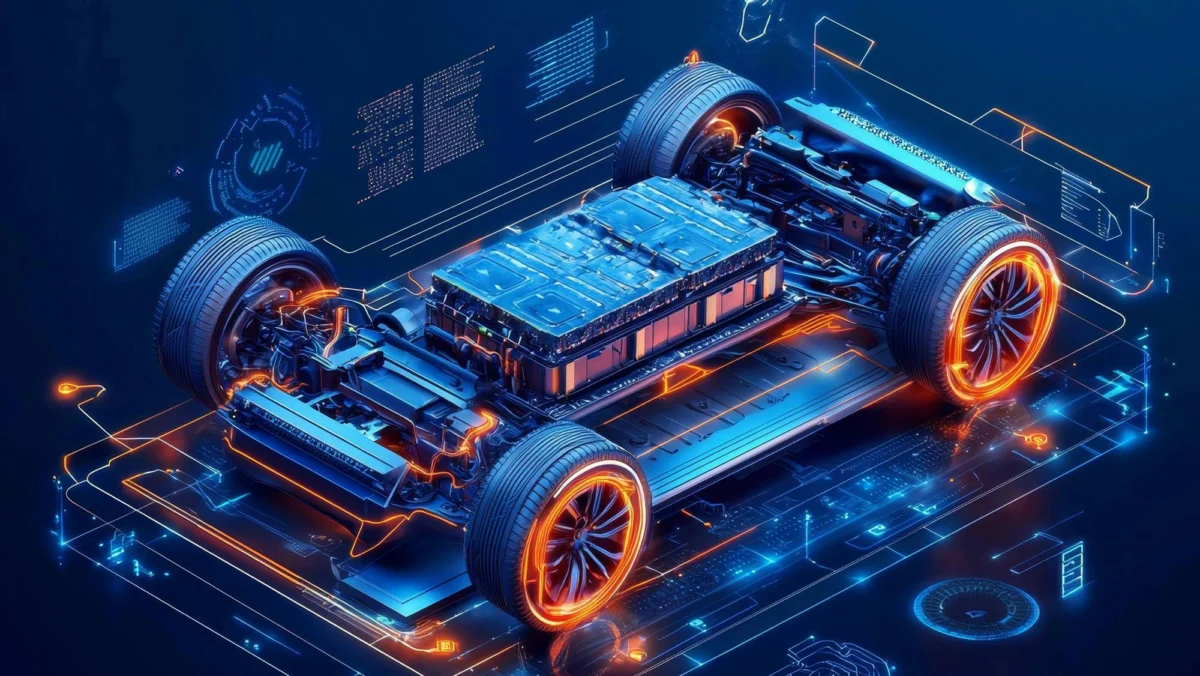
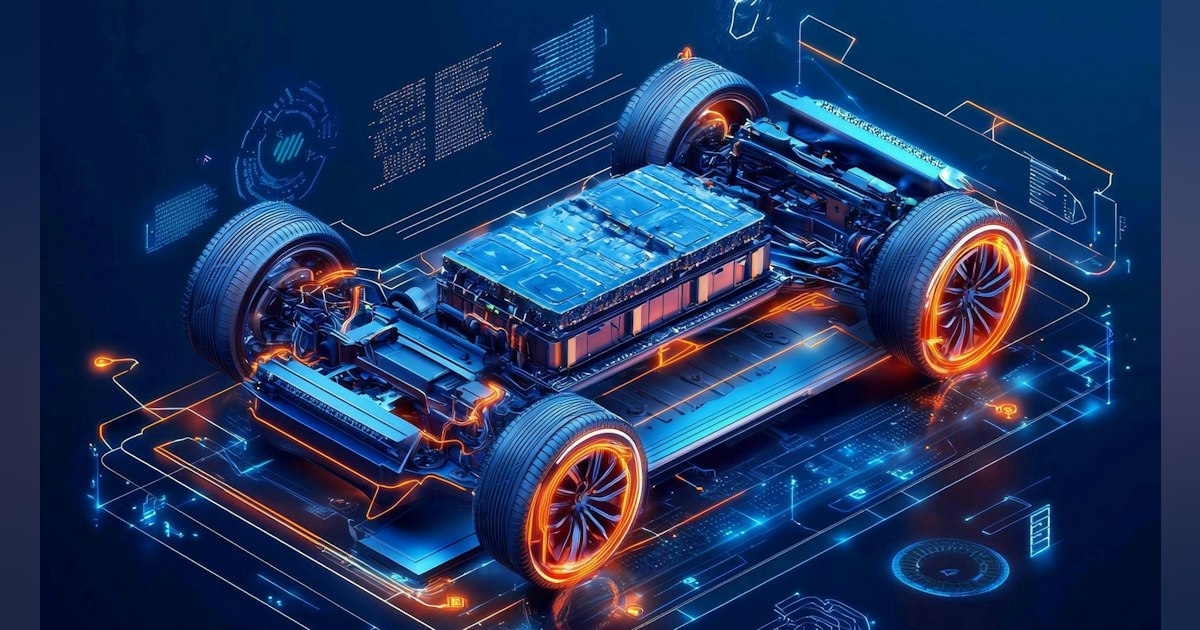
As the automotive industry accelerates its transition toward electrification, the complexity of electric vehicle (EV) architectures is scaling at an unprecedented rate. Central to this evolution is the battery management system (BMS), the mission-critical electronic nervous system responsible for monitoring, protecting, and optimizing high-voltage traction batteries.
However, a provocative new white paper from the Global Electronics Association’s e-Mobility Quality & Reliability Council suggests that standard industry qualification methodologies may no longer be enough. The report takes a deep dive into the unique operational reality of "always-on" BMS electronics, arguing that ensuring long-term reliability in modern EVs requires a much smarter, highly application-representative approach to validation.
1. Main Facts: The Challenge of "Always-On" Automotive Electronics
Unlike many traditional automotive electronic control units (ECUs)—which power down when the vehicle’s ignition is switched off—modern BMS assemblies frequently remain electrically active. Even when a vehicle is parked, charging, or sitting idle for extended periods, critical layers of the BMS remain powered on to monitor cell health, manage thermal regulation, track state-of-charge, and maintain safety interlocks.
This continuous operation exposes sensitive circuitry to a relentless barrage of environmental and electrical stresses over the vehicle’s operational lifecycle. These combined stress factors include:

- Sustained Voltage Stress: Constant electrical biasing across sensitive monitoring ICs and passive components.
- Thermal Extremes: Rapid temperature fluctuations ranging from sub-zero winter environments to high-heat operational cycles generated by rapid charging and aggressive driving.
- Moisture and Humidity: Exposure to condensation and ambient humidity that can accelerate electrochemical migration.
- Chemical Contamination: Presence of road salts, dust, and residues that compromise board cleanliness.
- Mechanical Vibration: Continuous physical agitation from road surfaces transferred through the chassis and battery pack enclosures.
Over years of service, these compounded stressors manifest as insidious failure modes. Engineers are increasingly observing moisture-related leakage currents, gradual insulation resistance degradation, sensor drift and instability, and micro-cracks in connectors or contactor assemblies.
Crucially, the white paper does not claim that current automotive qualification standards (such as AEC-Q series guidelines) are fundamentally flawed. Instead, it highlights a growing gap between static, standardized laboratory testing and the dynamic, multi-stress reality of real-world EV operations. As battery packs grow larger, architectures shift to higher voltages (800V and beyond), and software controls become more intricate, validation frameworks must evolve in tandem.
2. Chronology: The Evolution of EV Battery Management and Testing
To understand why traditional testing protocols are hitting a wall, it helps to examine how vehicle architectures and reliability engineering have co-evolved over the past two decades:
- Early EV Era (Late 2000s – Early 2010s): First-generation EVs utilized lower-voltage battery packs (typically 300V to 400V) with simpler, modular BMS topologies. Electronics were largely compartmentalized, and "always-on" functionality was minimal to prevent parasitic drain on small battery capacities. Reliability testing relied heavily on legacy automotive component standards designed for internal combustion engine (ICE) peripherals.
- The Shift to High-Voltage & Continuous Monitoring (Mid-to-Late 2010s): As driving range demands increased, original equipment manufacturers (OEMs) transitioned to denser lithium-ion chemistries and higher voltage thresholds. To ensure safety, regulatory bodies and safety standards mandated more aggressive isolation monitoring and continuous health tracking, effectively pushing BMS electronics into an "always-on" operational paradigm.
- The Architectural Revolution (2020 – Present): Modern EVs feature complex, distributed, or wireless BMS architectures integrated directly into heavy-duty structural battery packs (Cell-to-Pack designs). These systems operate in harsh physical environments directly adjacent to cooling lines, structural members, and high-current busbars.
- Present Day: The Global Electronics Association releases its landmark white paper, sounding the alarm that accelerated life testing (ALT) and standard qualification matrixes must adapt to account for synergistic degradation factors—where thermal, electrical, and chemical stresses compound one another rather than acting in isolation.
3. Supporting Data & Engineering Insights: Why Current Testing Falls Short
Traditional semiconductor and PCB qualification relies heavily on accelerated stress tests—such as high-temperature operating life (HTOL), thermal shock, and humidity-bias testing—performed on individual components or isolated sub-assemblies. While these tests are necessary to weed out infant mortality defects, the white paper outlines several reasons why they fail to capture field failures in modern BMS units:
- Synergistic Stress Isolation: Standard tests usually apply stresses sequentially (e.g., thermal cycling followed by vibration). In the real world, a BMS experiences voltage stress, thermal gradients, and mechanical vibration simultaneously. This synergy accelerates failure mechanisms like solder joint fatigue and dielectric breakdown at rates unpredictable by isolated testing.
- Parasitic Power-On States: Standard component evaluations rarely simulate the precise quiescent power states and low-level leakage currents that persist over weeks of vehicle parking. These low-level states can trigger electrochemical migration and dendrite formation when microscopic moisture is present.
- System-Level Interactions: Component-level qualification cannot predict how localized heating within a densely packed battery module will affect nearby passive components, analog front-ends (AFEs), and isolation barriers over a 10-to-15-year operational span.
To combat these blind spots, the Global Electronics Association recommends a shift toward application-representative validation. This means designing test rigs that replicate real-world mission profiles, combining continuous electrical bias with dynamic thermal cycling, active high-voltage monitoring, and realistic environmental exposure chambers that mirror the interior of a battery enclosure.
4. Industry Responses and Expert Perspectives
The release of the white paper has struck a chord across the power electronics and automotive engineering communities.

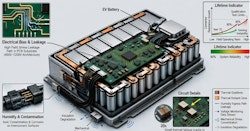
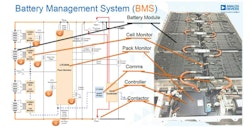
Industry stakeholders, including major semiconductor vendors like Analog Devices (noted in the report’s schematic breakdowns of typical BMS active components), have increasingly emphasized the necessity of functional safety (ISO 26262) meeting rigorous hardware reliability (AEC-Q100/Q200).
Speaking on the challenges of power electronics and energy management, contributing engineering experts point out that the transition from simple electronic accessories to mission-critical core systems requires a cultural shift among Tier-1 suppliers and automakers alike. Designing for "always-on" survivability requires early co-design between mechanical, thermal, and electrical engineering teams.
Furthermore, certification bodies are beginning to look closely at how firmware interacts with hardware aging. As software updates alter charging profiles and thermal management thresholds, the underlying hardware must be validated to withstand these shifting operational boundaries throughout the vehicle’s second and third life cycles (including stationary energy storage reuse).
5. Implications for the Future of EV Design and Manufacturing
The implications of the Global Electronics Association’s recommendations ripple across the entire EV supply chain, influencing everything from semiconductor manufacturing to final vehicle validation:
- For Semiconductor and Component Manufacturers: IC designers must account for continuous biasing wear-out mechanisms. Technologies such as high-voltage galvanic isolation barriers, precision analog front-ends, and microcontrollers must undergo stricter long-term drift characterization.
- For Tier-1 Suppliers: BMS hardware architectures must be engineered with enhanced fault tolerance, superior conformal coating or potting materials to guard against moisture and contamination, and robust diagnostic coverage that can detect insulation degradation before it triggers a catastrophic safety event.
- For OEMs and Automakers: Vehicle validation protocols must expand to include comprehensive system-level mission-profile testing. Automakers will need to invest in advanced multi-stress test chambers and digital twin simulations that model aging effects across the entire lifespan of the battery pack.
- For Consumers and Fleet Operators: Ultimately, adopting smarter reliability validation translates directly to enhanced vehicle safety, reduced warranty claims, lower total cost of ownership, and increased confidence in long-term EV residual values—particularly in secondary markets where battery health is a primary concern.
As electric vehicles mature from early-adopter novelties into the backbone of global transportation, the electronics governing them must achieve unprecedented levels of dependability. By moving beyond legacy compliance and embracing application-representative validation, the electronics industry can ensure that "always-on" battery management systems deliver on their promise of safety, efficiency, and enduring reliability.
To read the complete findings and access the official framework guidelines, you can download the full Global Electronics Association report directly via their designated publication link.