WASHINGTON — The landscape of the United States power sector is undergoing a profound and complex transition. While renewable energy sources continue to maintain the largest share of overall planned capacity additions, recent industry reports and market analyses indicate a notable deceleration in clean energy development. Simultaneously, fossil fuel generation—particularly natural gas and coal—is experiencing a significant resurgence.
Driven by shifting federal policies, escalating power demands from burgeoning artificial intelligence data centers, and legislative debates over environmental permitting reform, the American energy market faces a pivotal juncture. Stakeholders across the utility, regulatory, and environmental spectrum are increasingly forced to weigh short-term grid reliability against long-term economic and geopolitical risks.
Main Facts: The Changing Dynamics of U.S. Power Development
According to recent findings from the Environmental Defense Fund (EDF) and energy market analysts, the once-uncontested dominance of clean energy in planned U.S. power sector development is encountering stiff headwinds. Although green technologies still account for the lion’s share of future project pipelines, the momentum behind solar, wind, and storage has slowed considerably.
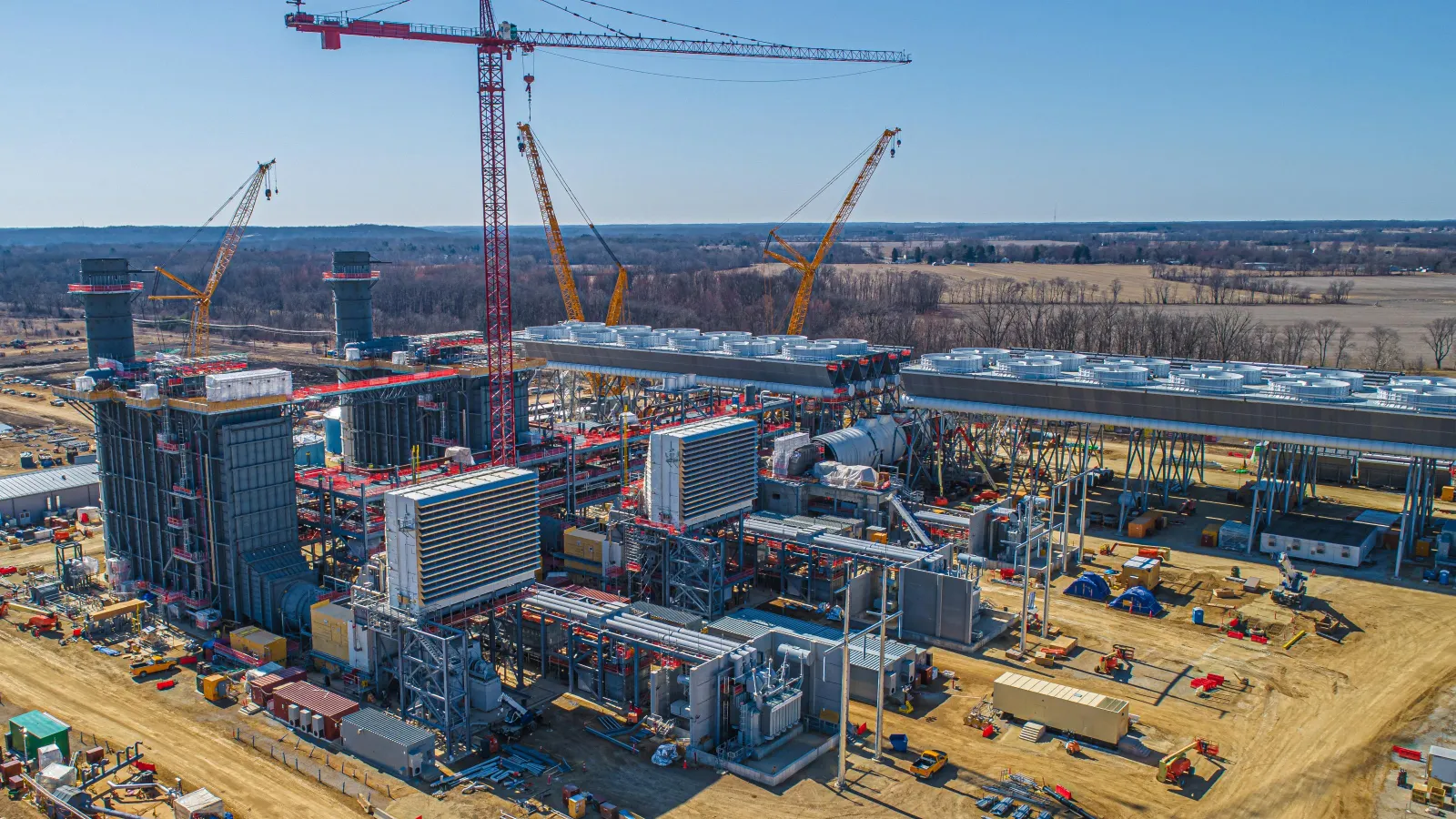
Conversely, fossil fuel deployments have staged a surprising comeback. When evaluated through the lens of capacity factors—which measure how often a power plant operates at maximum output—planned natural gas project capacity has surged to a level comparable to that of wind and solar initiatives. This convergence marks a distinct departure from previous years, when renewables vastly outpaced thermal generation in early-stage planning pipelines.
Several key drivers underpin this shift:
- Surging Electricity Demand: The rapid expansion of data centers, particularly those supporting artificial intelligence and cloud computing, has placed unprecedented immediate loads on regional power grids.
- Regulatory and Policy Shifts: Changes in federal policy—including renewed support for coal industry subsidies, the rollback of select clean energy tax credits, and the relaxation of greenhouse gas regulations—have altered the economic calculations for utility developers.
- Project Abandonment Trends: Cancellation rates paint a starkly contrasting picture between the two sectors. While cancellations for fossil fuel projects dropped notably through 2024 and remained depressed through the first half of 2026, clean energy project cancellations have climbed steadily since 2022. Notably, nearly 5% of a planned 281.7 gigawatts (GW) of clean energy deployment was scrapped in 2025 alone.
Chronology: Legislative Battles and Policy Turning Points
The modern friction between fossil fuel expansion and clean energy deployment is deeply rooted in a rapid succession of administrative decisions, market analyses, and legislative proposals over the past several years.
- 2022: Following legislative milestones like the Inflation Reduction Act, renewable energy development surged, but early signs of supply chain constraints and rising interest rates began to inflate clean energy project cancellation rates. Simultaneously, global energy market shocks caused by international conflicts highlighted the vulnerabilities of fossil fuel price volatility.
- 2024: Fossil fuel project cancellations hit local lows. The federal government, under shifting administrative priorities, began issuing emergency orders to keep aging coal-fired power plants operational past their previously scheduled retirement dates, while allocating funding for new coal infrastructure and retrofits.
- June 2025: An influential analysis published by Energy Innovation warned that a heavy reliance on fossil fuels leaves consumers acutely vulnerable to commodity price spikes, estimating that a repetition of the 2022 coal and gas price surges could inflate U.S. electricity bills by $40.5 billion annually.
- October 8, 2025: Wood Mackenzie released an analysis indicating that investment in gas generation capacity is entering a "supply deficit cycle through the late 2030s." Driven primarily by relentless data center load growth, this dynamic threatens to keep thermal capital costs elevated while paradoxically reinforcing the long-term economic viability of renewables paired with storage.
- September 30, 2026: The Bipartisan American Affordability and Jobs Act (BAAJA) was formally introduced in the Senate. The comprehensive bill aims to overhaul the federal permitting process by amending the National Environmental Policy Act (NEPA). Key provisions include barring the revocation or suspension of previously issued federal permits for energy projects and granting developers the legal standing to sue over patterns of "disparate" federal treatment based on project type.
- Late 2026: As geopolitical tensions in the Middle East place upward pressure on global liquid fuel markets, energy analysts continue to debate whether diesel and gasoline price shocks will spill over into domestic natural gas markets and fundamentally alter long-term power generation planning.
Supporting Data and Market Economics
Understanding the modern American grid requires examining the hard data governing project economics, supply chains, and consumer risk exposure.
Capacity and Cancellation Divergence
The structural gap between fossil and renewable project stability has widened. EDF data shows that while fossil project cancellations plummeted in 2024 and maintained historic lows through mid-2026, clean energy developers have faced persistent hurdles. In 2025, out of a robust pipeline totaling 281.7 GW of intended clean energy capacity, nearly 5% was officially abandoned before breaking ground. These cancellations reflect mounting interconnection queue delays, localized zoning resistance, and shifting tax credit landscapes.
The Economics of Gas Peakers vs. Storage
Despite the near-term rush for thermal capacity to serve data centers, global market data continues to challenge the long-term cost-effectiveness of traditional fossil infrastructure. Recent comparative studies across global markets have demonstrated that four-hour battery energy storage systems are frequently more cost-effective than building new gas peaker plants. Nevertheless, because data centers require round-the-clock, highly reliable baseload or immediate-response power, utilities are increasingly hedging their bets by building out natural gas assets alongside renewables.
Exposure to Global Commodity Risk
A critical argument advanced by clean energy advocates—and underscored by groups like Energy Innovation and the EDF—is the inherent risk of fuel price volatility associated with fossil generation. Wind and solar facilities operate with zero fuel cost exposure; once constructed, their operational expenditures are largely insulated from geopolitical crises.
Conversely, gas and coal plants remain tethered to global commodity markets. Although recent international conflicts and associated fuel crises have exerted immediate pressure primarily on transport fuels like gasoline and diesel rather than domestic natural gas, analysts emphasize that prolonged international instability acts as a stark reminder of the financial dangers tied to multi-decade fossil fuel dependency.
Official Responses and Stakeholder Perspectives
The intersection of energy security, climate policy, and economic affordability has drawn sharp commentary from industry experts, legal analysts, and advocacy organizations.
Environmental Defense Fund (EDF)
EDF representatives have expressed cautious vigilance as they monitor the shifting regulatory landscape. Commenting on the unpredictable nature of the current market, EDF experts noted that it remains "difficult to predict how much the market will shift," even as developers encounter distinct logistical and political barriers when attempting to deploy new gas infrastructure.
Regarding the ongoing global fuel crises, EDF analyst Villagrana observed that while immediate impacts on domestic natural gas prices have been relatively muted, "a prolonged crisis highlights the risks of investing in fossil fuel power plants that depend on volatile fuel prices for decades." Villagrana reiterated that renewable alternatives provide essential price certainty: "Wind and solar don’t require fuel purchases, helping protect consumers from price swings and providing greater long-term cost certainty."
Legislative Defenders and Critics of BAAJA
The introduction of the Bipartisan American Affordability and Jobs Act has ignited a fierce national debate over environmental oversight and bureaucratic efficiency.
- Proponents: Organizations such as the Citizens’ Climate Lobby have rallied behind BAAJA, pointing to the urgent need to streamline bureaucratic delays that stall all forms of energy infrastructure, including transmission lines critical for moving renewable power from rural generation sites to urban demand centers.
- Critics: Conversely, environmental watchdogs like the Sierra Club have launched aggressive critiques against the 400-page legislative package. Critics argue that altering NEPA to fast-track energy projects significantly "weakens environmental laws" and curtails meaningful community input, potentially fast-tracking polluting fossil fuel projects at the expense of local ecosystems and public health.
Implications for the Future of the U.S. Grid
As the United States navigates the remainder of the decade, the choices made by utility planners, state regulators, and federal lawmakers will cast a long shadow over the economy and the environment.
If utilities respond to the monumental surge in power demand primarily by leaning into new fossil generation, American consumers could face a trifecta of financial risks:
- Turbine Supply Constraints: Bottlenecks in manufacturing gas turbines could drive up capital costs for developers.
- Rising Capital and Infrastructure Costs: Sustained high demand for thermal assets will keep capital expenditures elevated.
- Fuel Price Volatility: Exposure to international commodity swings could translate directly into erratic, unpredictable electricity bills for residential and commercial ratepayers.
At the same time, the regulatory pendulum—swinging toward fossil fuel incentives and attempts to dismantle administrative barriers for traditional energy—has introduced a layer of market uncertainty that complicates long-term decarbonization goals.
Ultimately, the U.S. power sector stands at a crossroads. The pressing imperative to power the digital economy must be balanced against the enduring economic shield provided by fuel-free renewable energy and storage technologies. Whether policymakers choose to double down on carbon-intensive assets or clear the path for a more resilient, diversified clean energy grid will determine the trajectory of American energy costs, security, and environmental health for generations to come.